
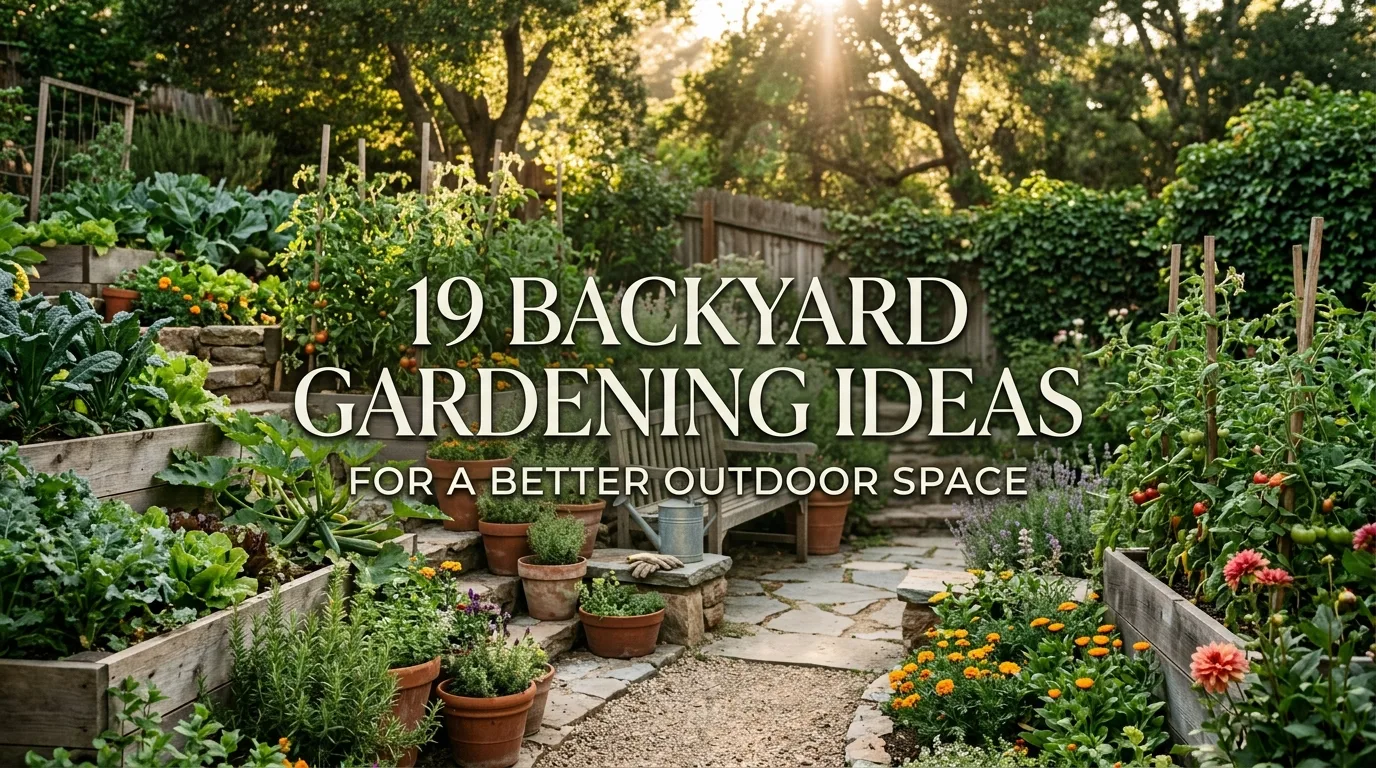
19 Backyard Gardening Ideas for a Better Outdoor Space
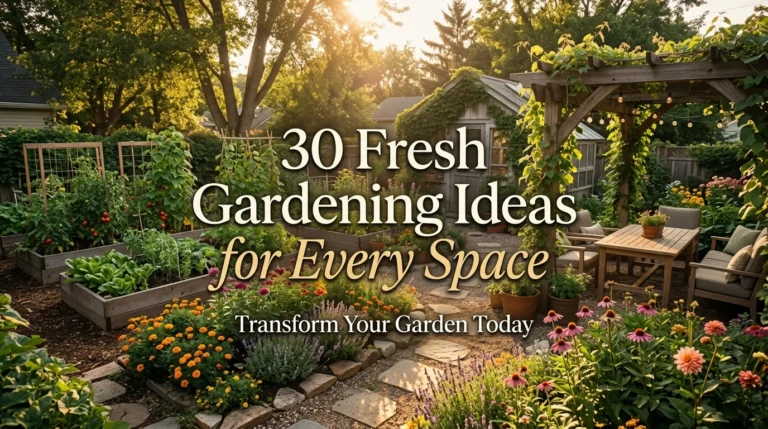
A backyard that just sits there, mowed but unused, is one of the more common regrets I hear from homeowners once they start paying closer attention to their outdoor space. It is easy to end up with a plain stretch of lawn simply because nobody planned what else it could become. Good backyard gardening ideas turn that same space into somewhere you actually want to spend time, whether that means more privacy from neighbors, a spot to grow your own food, or a shaded corner that stays cool through summer afternoons. The right combination depends on how you use your yard day to day, near the patio for entertaining, along the fence for screening, under a tree for shade, or in whatever sunny corner gets left out of every other plan. The nineteen ideas below cover a wide range of backyard needs, starting with one of the most requested upgrades: more privacy without putting up a solid wall.
1. Plant a Privacy Hedge Along the Fence Line
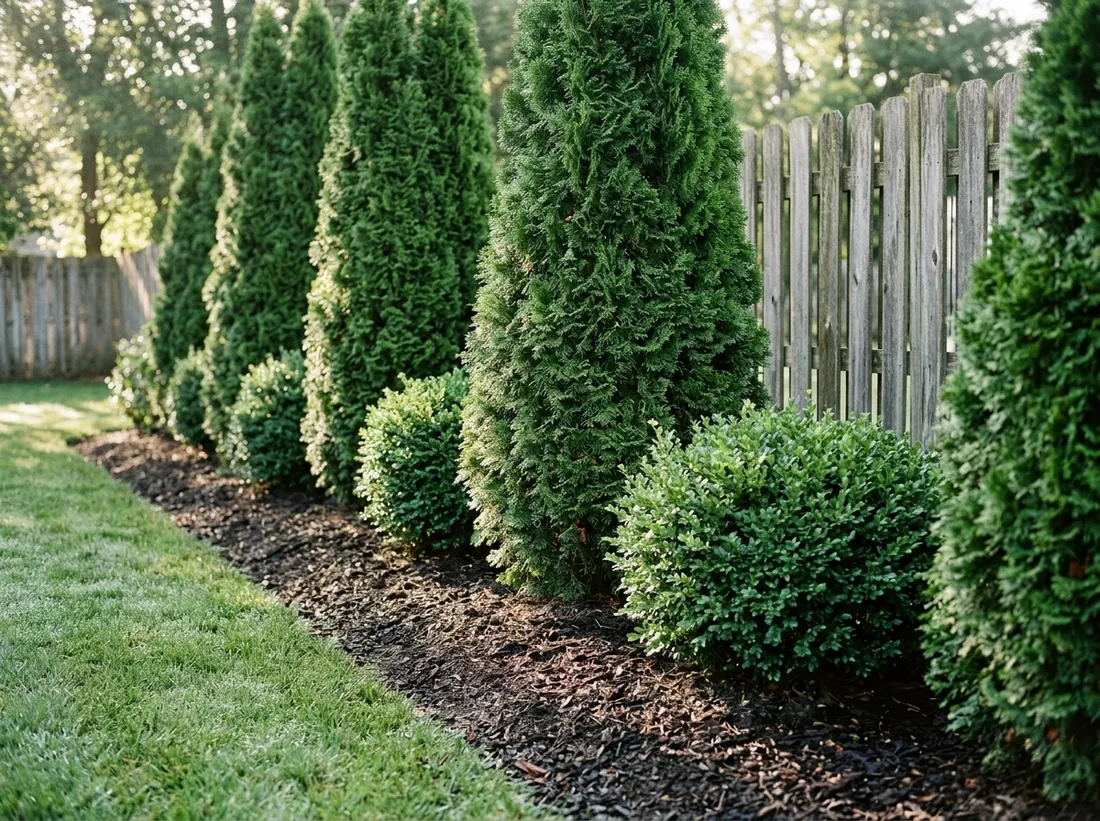
A row of evergreen shrubs like arborvitae, boxwood, or holly planted along a fence line blocks sightlines year-round without the stark look of a solid wall. Spacing depends on the mature width of the variety, but most hedge shrubs need 2 to 4 feet between plants to grow together into a solid screen within a few years. Full sun to partial shade suits most common hedge plants, and a slow-release fertilizer in spring keeps growth even along the whole row. In cooler climates, choose cold-hardy varieties rated for your zone rather than assuming a nursery display plant will survive winter.
2. Build a Living Privacy Screen with Climbing Vines
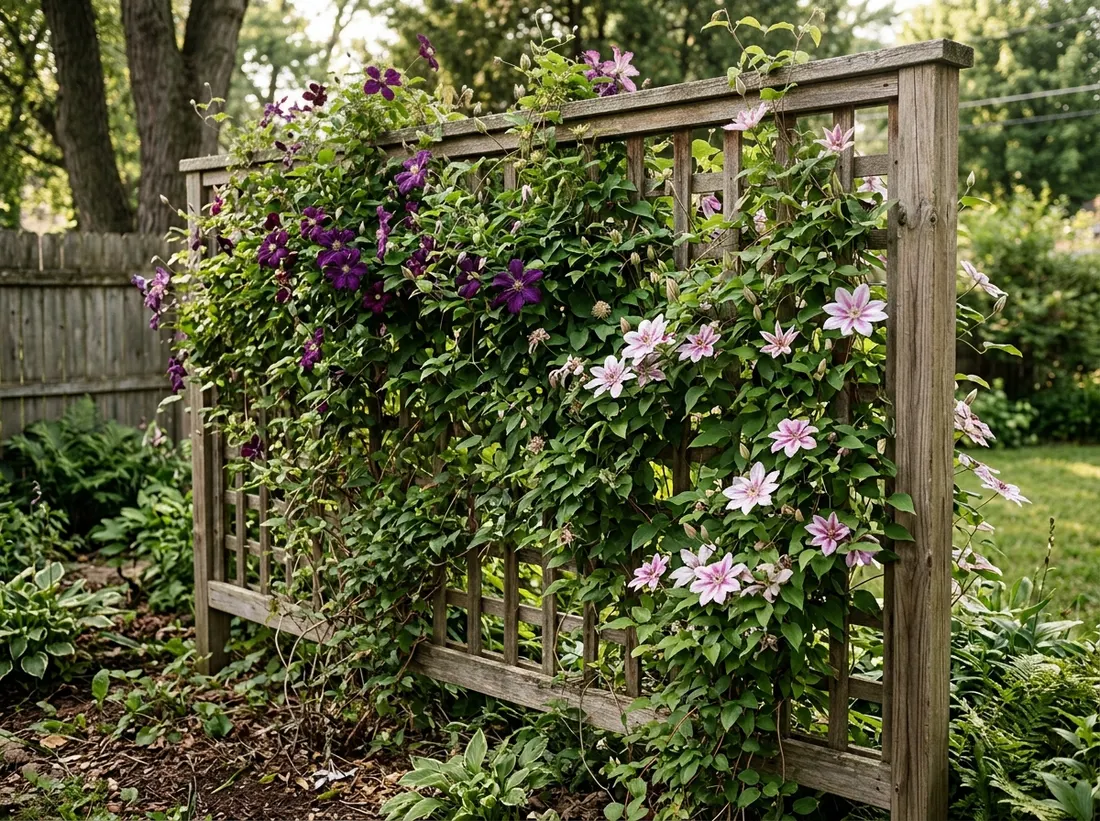
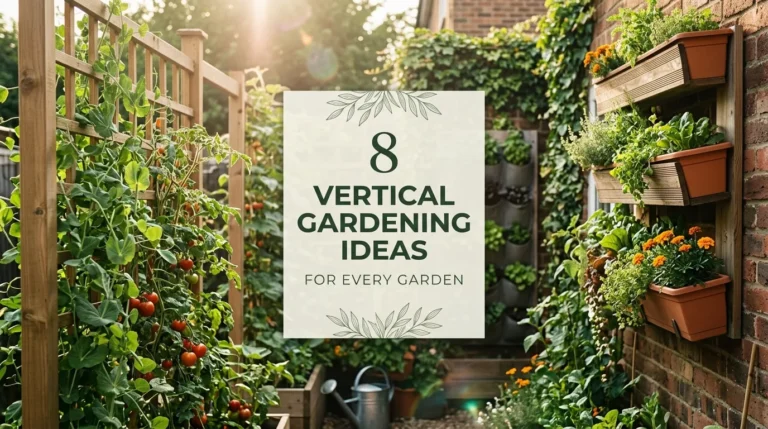
A trellis or wire panel covered in a fast-growing vine like clematis, climbing hydrangea, or trumpet vine creates privacy in a narrower footprint than a hedge, which matters in smaller backyards. Most climbing vines need a sturdy support anchored into the ground or attached to a fence post, since a flimsy trellis will bow under the weight once the vine fills in. Give vines full sun for the best bloom and growth rate, and expect one to two full seasons before the screen fills in completely.
3. Create a Shade Garden Under Mature Trees
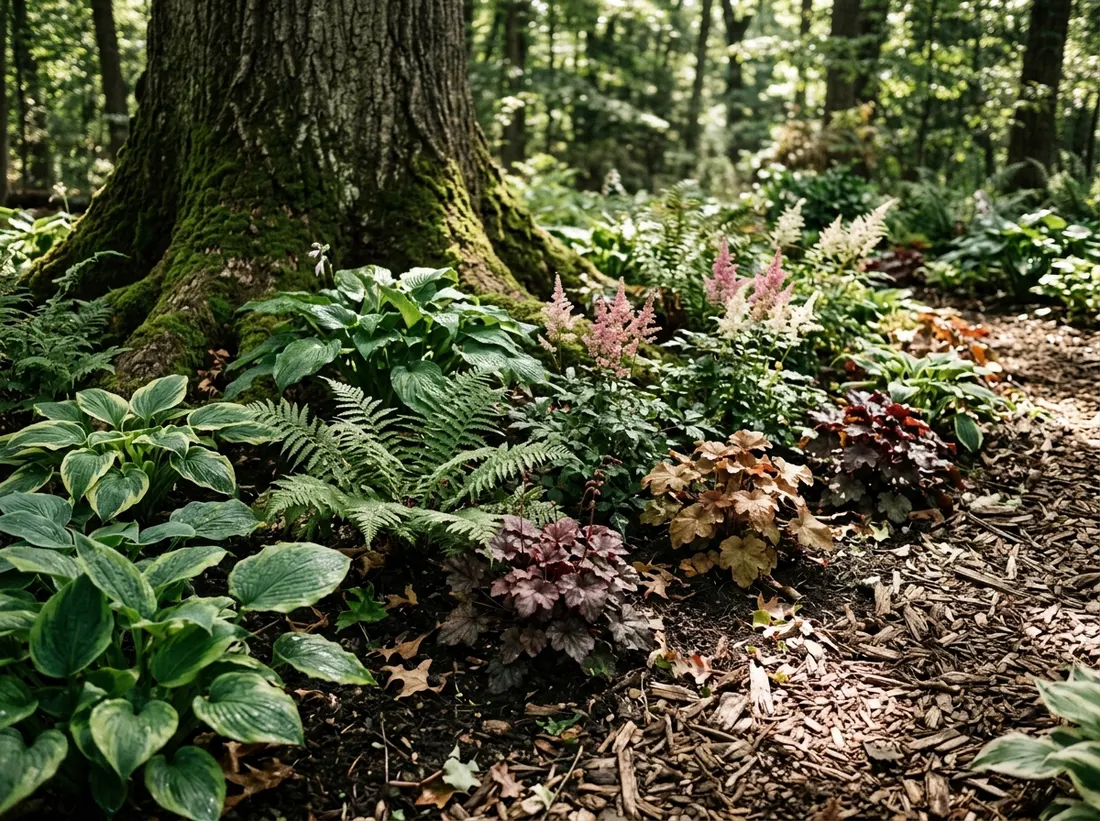
The dry, shaded soil under a mature tree often sits bare because grass struggles there, but shade-loving plants like hostas, ferns, astilbe, and heuchera thrive in exactly those conditions. Work compost into the soil around tree roots carefully, avoiding deep digging that could damage the tree’s root system. Water shade gardens under trees a bit more generously than open beds, since tree roots compete with new plantings for available moisture. This turns an awkward bare patch into one of the more peaceful corners of the yard.
4. Add a Pollinator Corner with Native Flowers
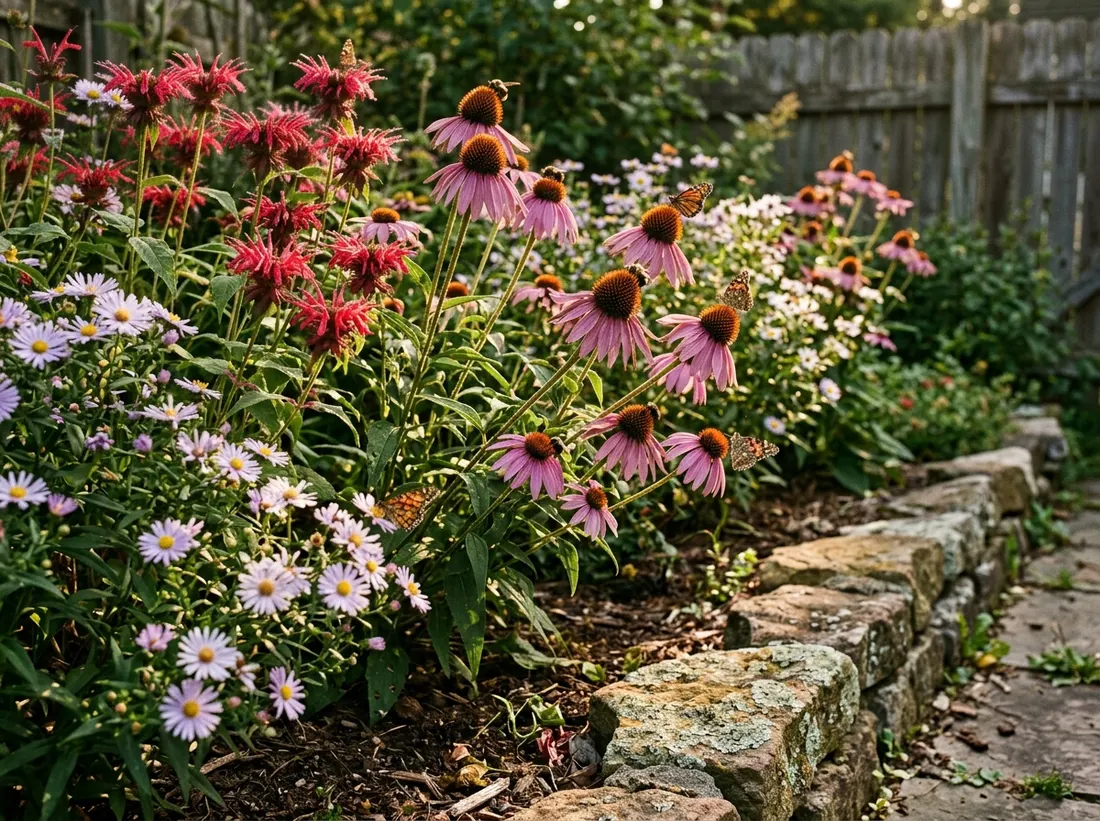
Dedicating one corner to native flowering plants like coneflower, bee balm, and native asters brings in bees, butterflies, and other pollinators that benefit the rest of your garden too. Native plants are already adapted to your regional rainfall and soil, so they generally need less watering and fertilizing than non-native ornamentals once established. Group plants in clusters of three or more of the same species rather than scattering single plants, since pollinators find and use larger patches of color more easily.
5. Grow a Vegetable Patch Near the Kitchen Door
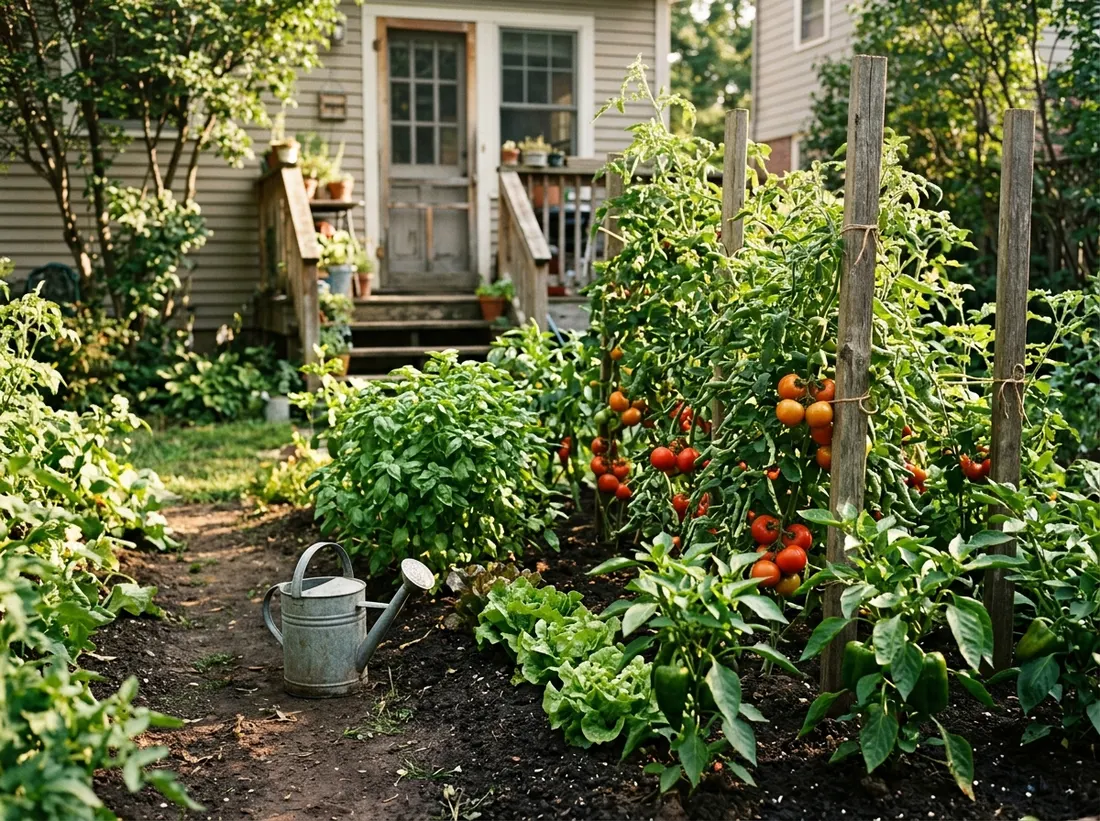
Placing a vegetable patch within easy walking distance of the kitchen door makes it far more likely you will actually use what you grow, since herbs and quick vegetables become a normal part of cooking rather than a special trip to the far end of the yard. A simple 4×8 raised bed or a few large containers works well here, planted with things you cook with regularly like tomatoes, peppers, basil, and lettuce. Full sun, at least 6 hours daily, is important for most vegetables to produce well in this spot.
6. Build Raised Beds Along a Sunny Backyard Wall
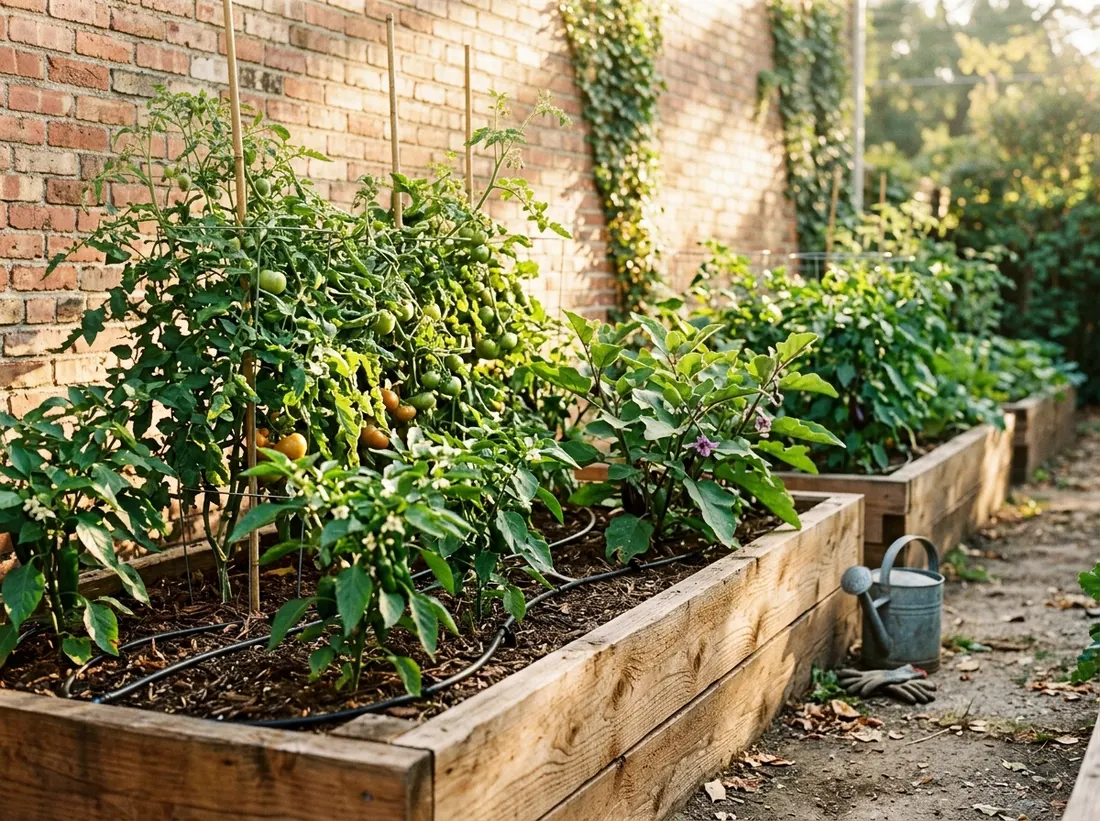
A south-facing wall or fence often collects extra reflected heat and light, making it a strong spot for raised beds growing heat-loving crops like tomatoes, peppers, and eggplant. The wall also blocks wind, which helps young transplants establish faster in early spring. Leave at least 12 to 18 inches between the bed and the wall for airflow and easy access, and check that the wall does not shade the bed for a large part of the day before committing crops that need full sun.
7. Plant Fragrant Flowers Around a Patio Seating Area
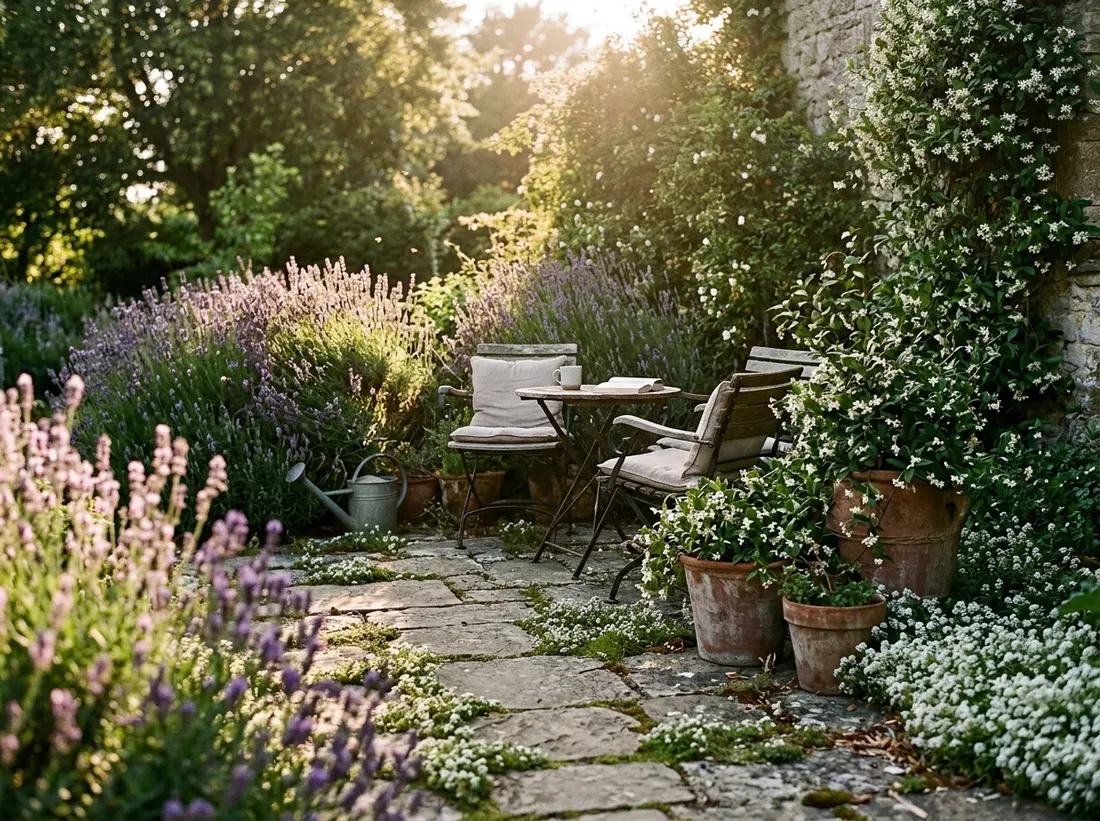
Fragrant plants like lavender, jasmine, and sweet alyssum planted in beds or containers around a patio add a sensory layer to outdoor seating that visual plants alone do not provide. Place fragrant plants close to where people actually sit, since scent carries only a short distance outdoors, and choose varieties that bloom at different times through the season so the patio does not go fragrance-free for long stretches. Most fragrant flowering plants need full sun and well-drained soil to produce their strongest scent.
8. Add a Fire Pit Garden with Heat-Tolerant Plants
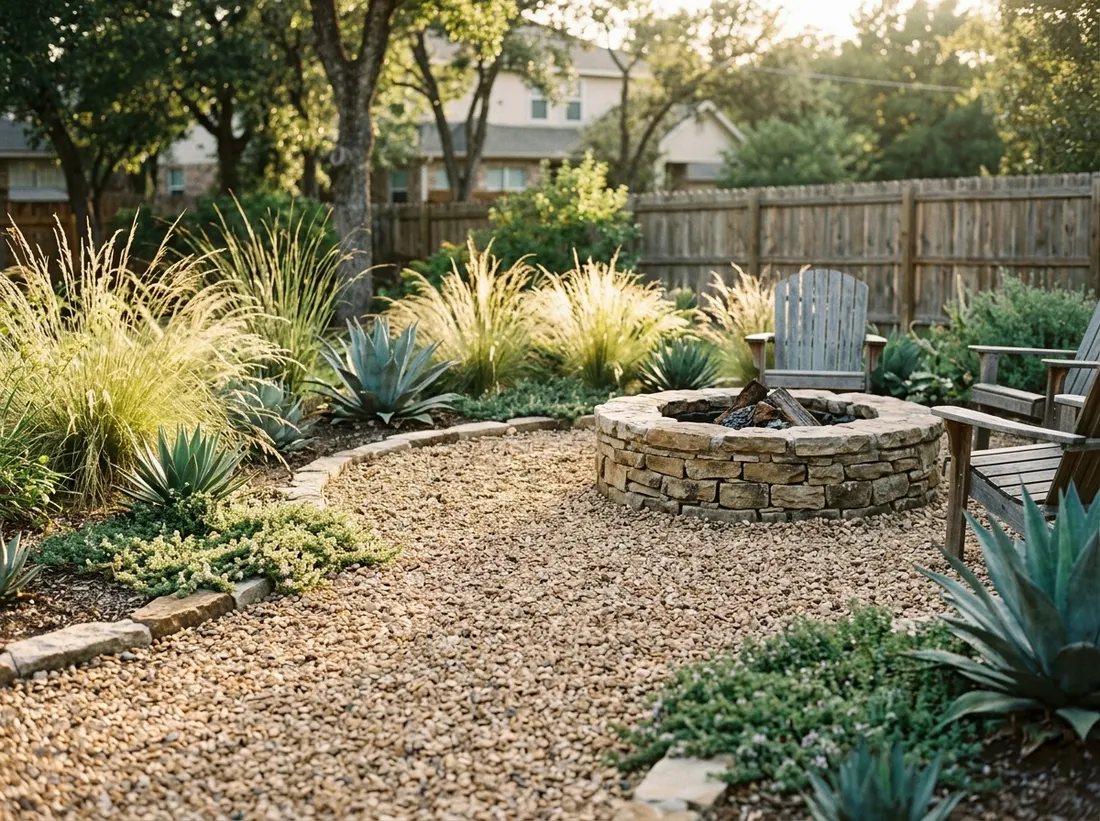
Plants growing near a fire pit need to tolerate occasional heat and should never include anything with dry, flammable foliage close to the flame itself. Ornamental grasses, succulents, and low groundcovers like creeping thyme work well planted a safe distance back, generally at least 3 feet from the pit edge, while adding texture without fire risk. Gravel or stone mulch around the immediate pit area looks intentional and keeps that zone clear of anything that could catch a stray ember.
9. Design a Kid-Friendly Play Area with Sturdy, Safe Plants
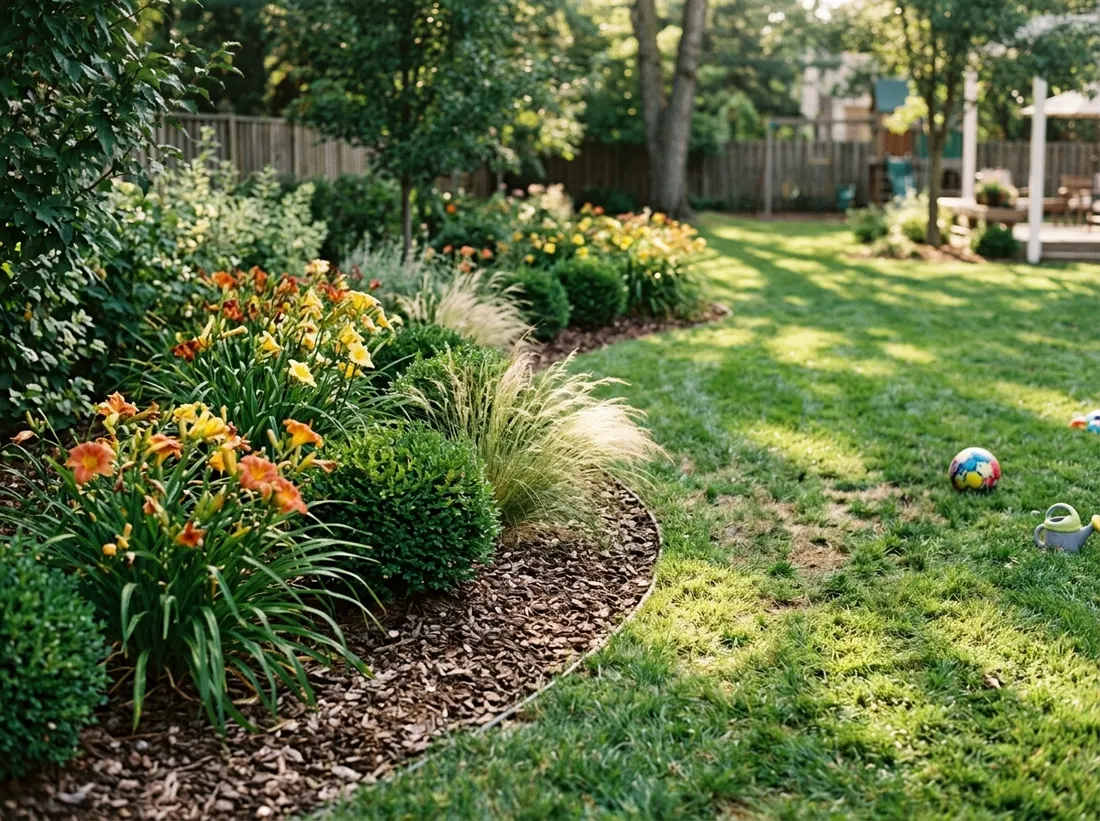
A play area surrounded by tough, non-toxic plants holds up better to balls, running feet, and general kid activity than delicate perennials ever will. Ornamental grasses, daylilies, and hardy shrubs like boxwood can take some accidental contact and bounce back, unlike soft-stemmed flowers that snap easily. Avoid plants with thorns, sharp leaves, or known toxicity, such as foxglove or oleander, anywhere near a space where children play. A soft mulch or grass buffer between planting beds and the play zone also reduces how often plants get trampled.
10. Create a Butterfly Garden with Host and Nectar Plants
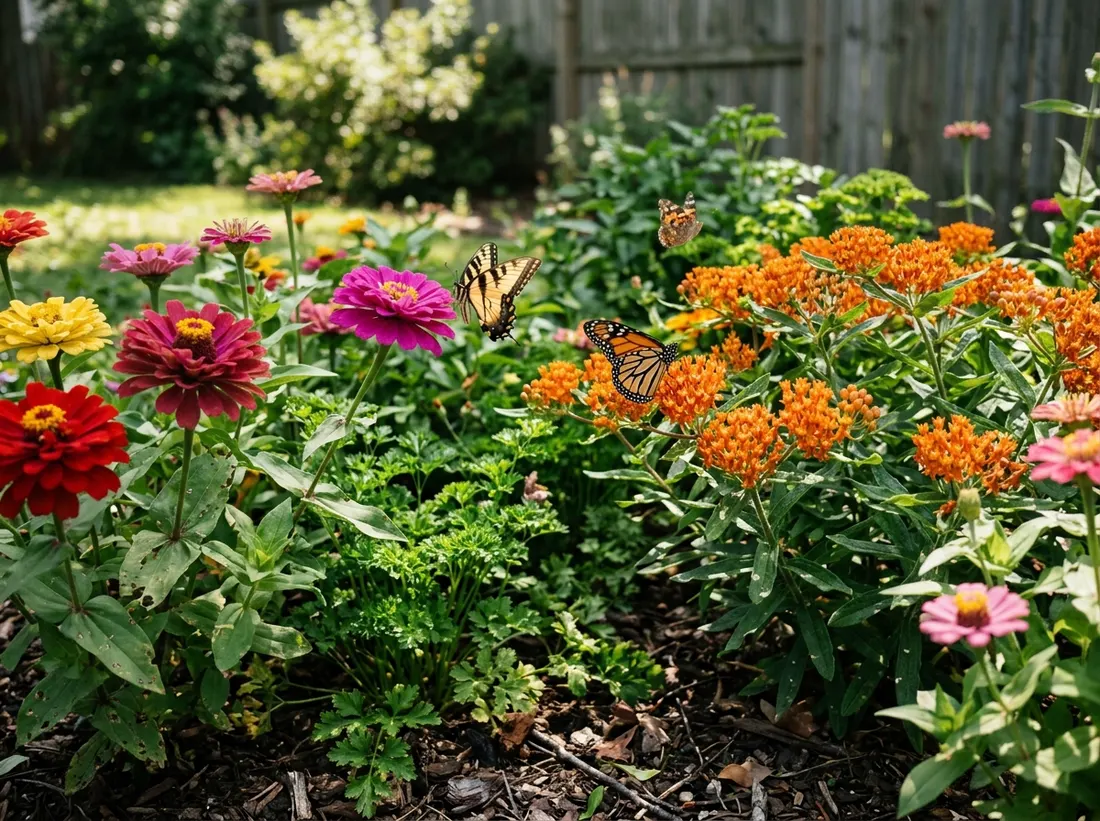
A true butterfly garden needs two plant types working together: nectar plants like zinnias and butterfly bush that feed adult butterflies, and host plants like milkweed and parsley that caterpillars actually eat and develop on. Skipping host plants means you get visiting butterflies but never a garden that supports their full life cycle. Full sun and a variety of bloom times through spring, summer, and fall keep the garden active for pollinators across the whole growing season rather than just a few weeks.
11. Plant an Herb Garden Steps from the Grill
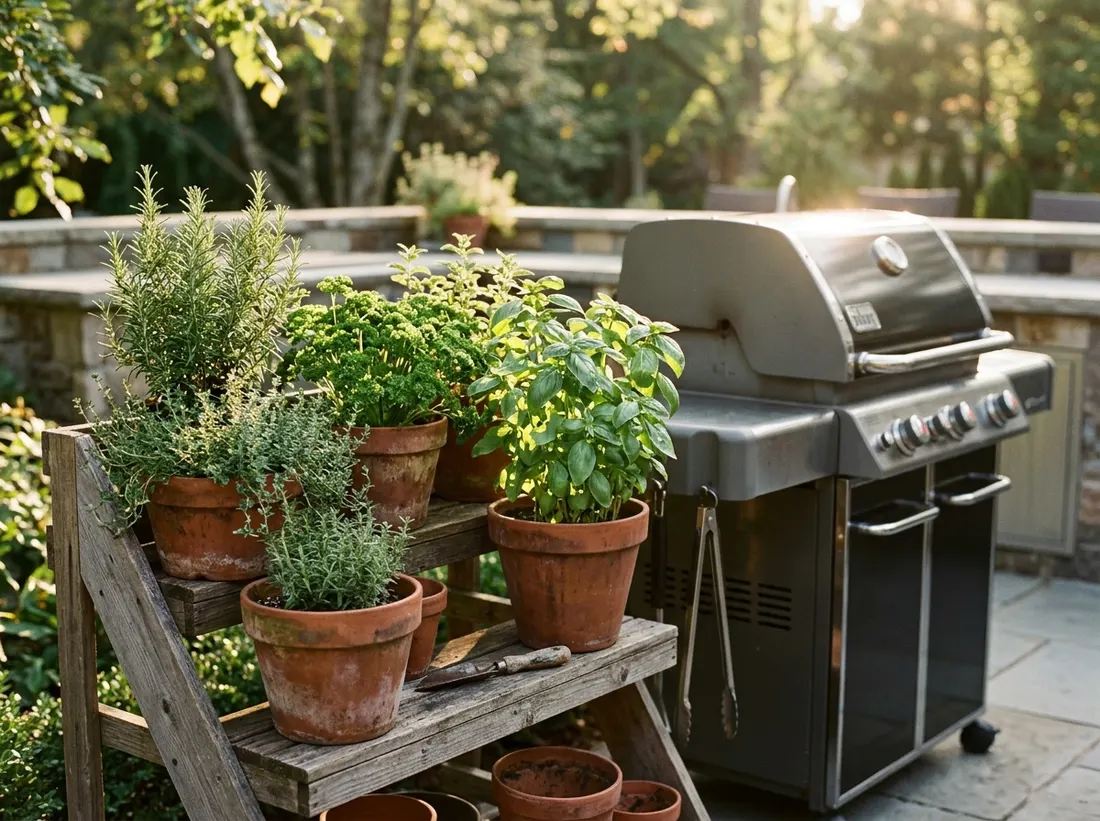
A small herb bed or set of containers near a grill or outdoor cooking area puts rosemary, thyme, basil, and mint within easy reach while you cook outside. Most culinary herbs need full sun and well-drained soil, and many, like mint, do better contained in a pot rather than planted directly in the ground, since mint spreads aggressively through garden beds. Snipping herbs regularly actually encourages bushier growth, so frequent use keeps the plants healthier rather than stressing them.
12. Add a Container Garden on the Back Deck
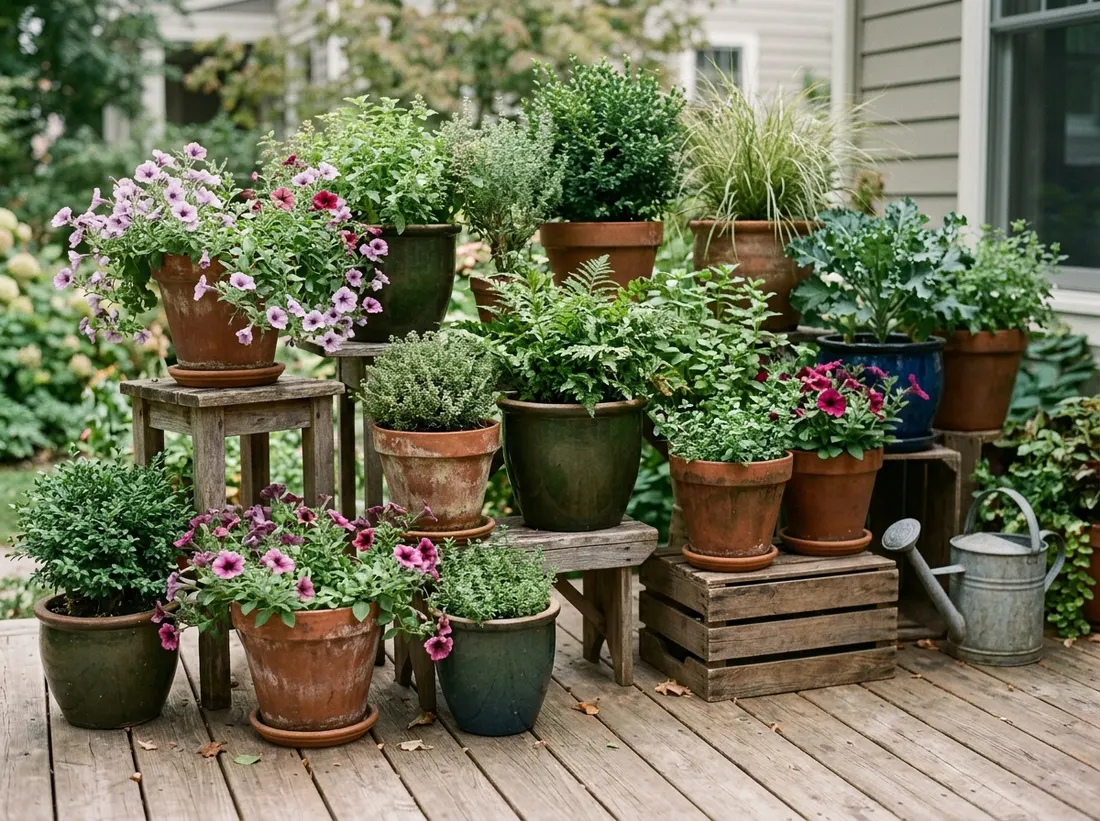
A deck often has better drainage and less soil access than the ground below it, which makes containers the practical choice for adding greenery there. Group containers of varying heights, using plant stands or upside-down crates to add levels, so the display has visual depth rather than sitting flat. Deck containers dry out faster than ground beds because of increased air circulation and heat from the decking material, so daily watering checks matter more in summer.
13. Grow a Cutting Garden for Fresh Bouquets
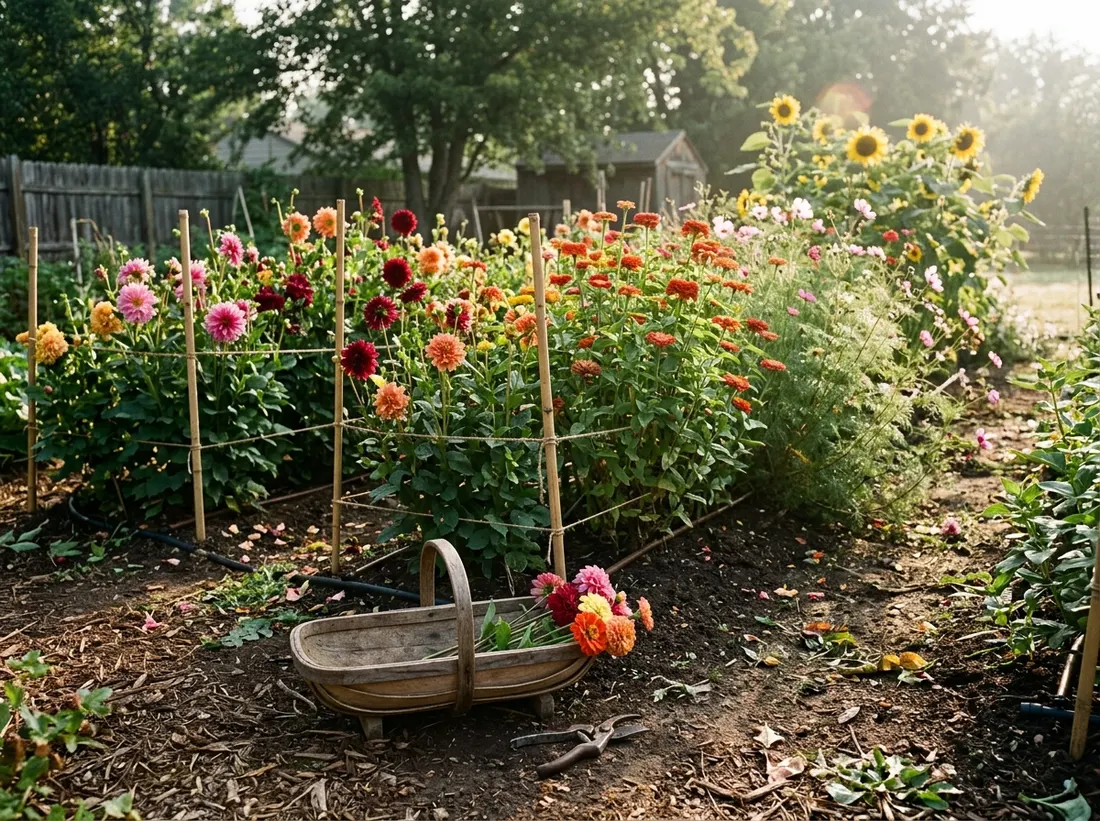
A dedicated bed of zinnias, dahlias, cosmos, and sunflowers grown specifically for cutting lets you bring fresh flowers indoors regularly without touching the rest of your ornamental beds. Plant cutting flowers in rows for easy access rather than mixed decoratively, since you will be walking through and harvesting from this bed often. Regular cutting actually encourages most annual cutting flowers to produce more blooms, so harvesting generously keeps the bed productive through the season.
14. Build a Backyard Compost Corner
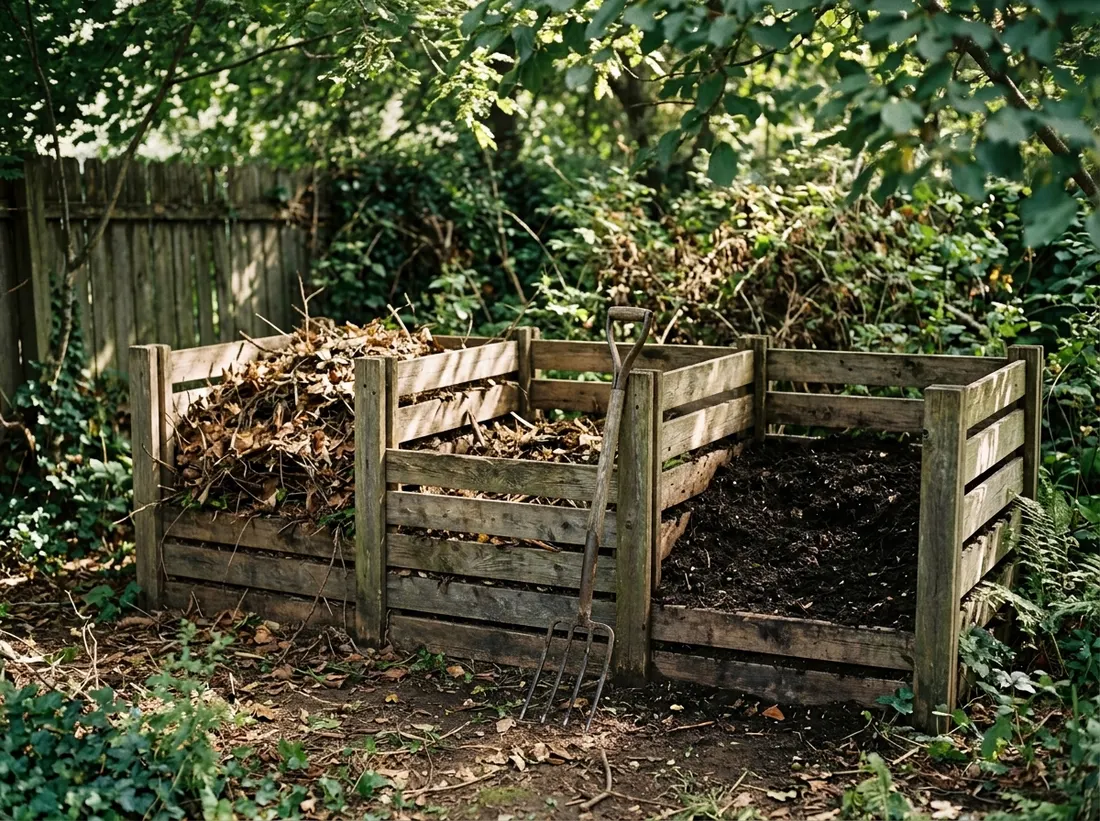
A simple three-bin or tumbler composting setup tucked into a back corner turns kitchen scraps and yard waste into free soil amendment for every other bed in your yard. Locate the compost area with some afternoon shade if possible, since full sun can dry out the pile too quickly for proper decomposition. A working compost pile needs a mix of green material like vegetable scraps and brown material like dry leaves, turned occasionally to keep the process moving.
15. Add a Water Feature to Attract Birds
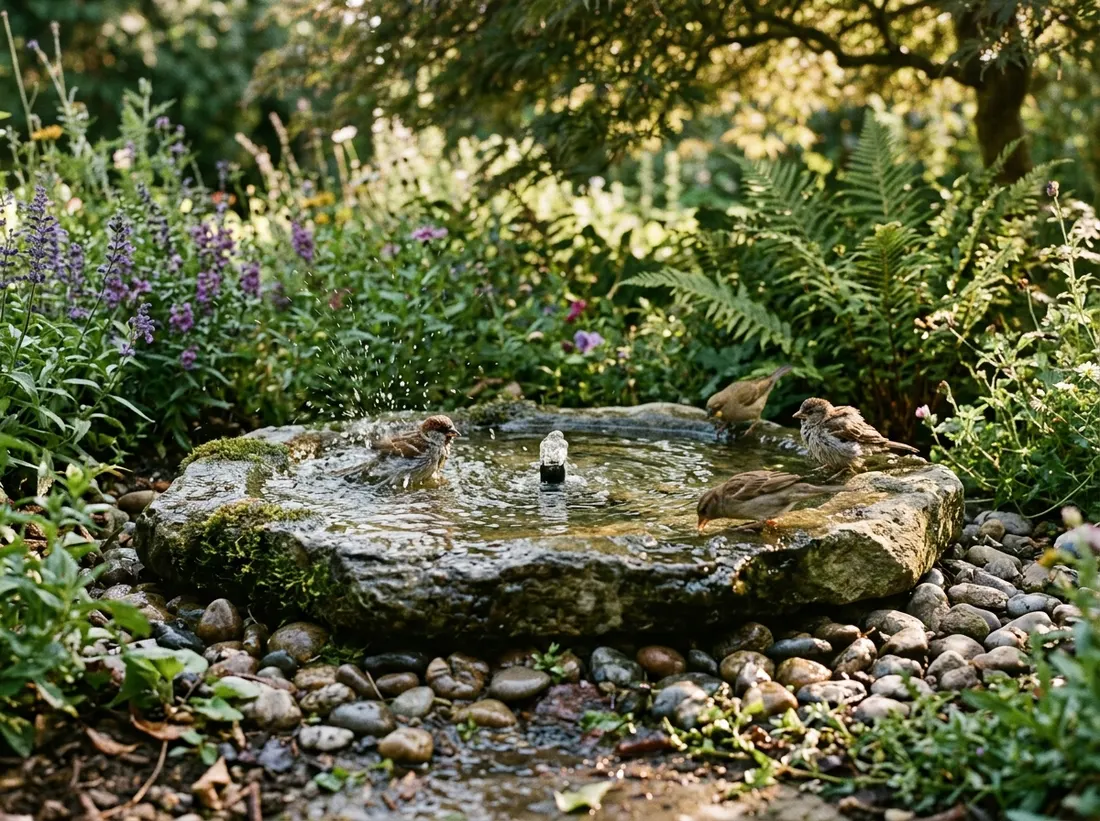
A small fountain, birdbath, or shallow pond brings birds into the backyard, which helps with natural pest control since many birds eat garden insects. Keep water shallow, 1 to 2 inches at the edges, for birdbaths so smaller birds can use it safely, and change the water every few days to prevent mosquito breeding. Placing the feature near shrubs or trees gives birds a quick escape route from predators, which makes them more likely to visit regularly.
16. Plant a Screen of Ornamental Grasses for Movement and Sound
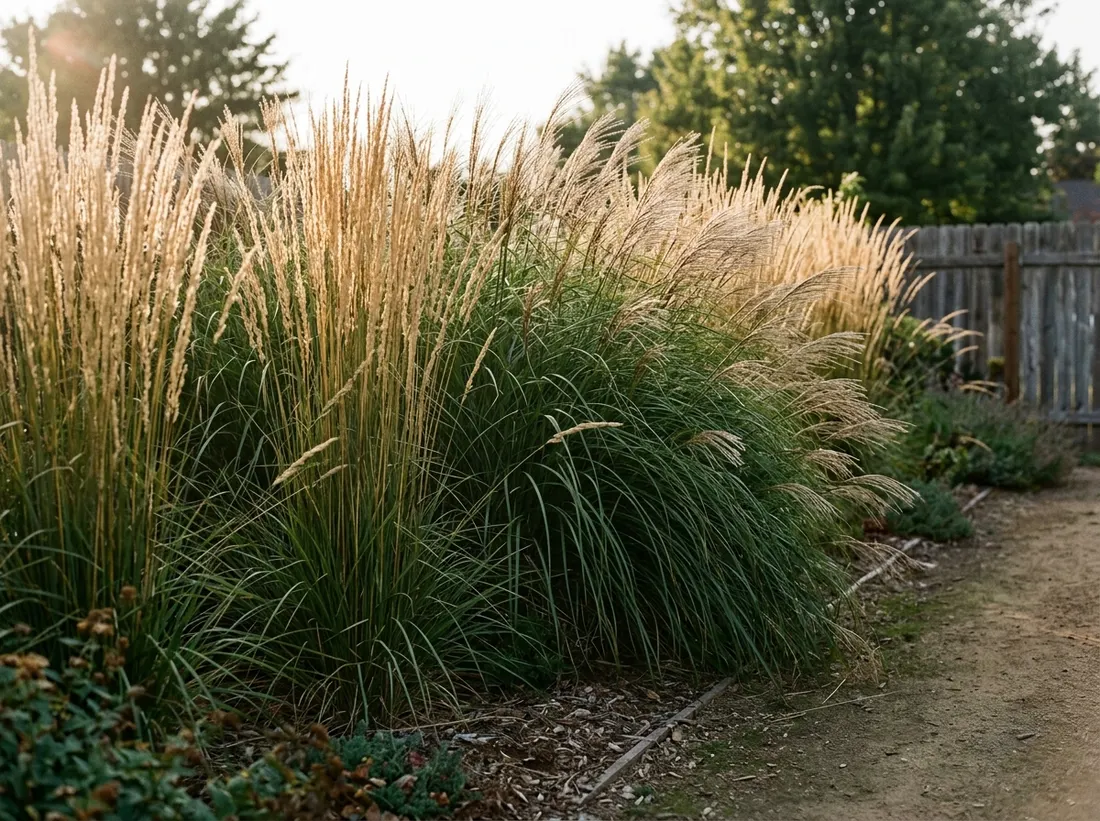
Tall ornamental grasses like feather reed grass or maiden grass add privacy along with something most other screening plants cannot offer: movement and a soft rustling sound in the wind. Most ornamental grasses need full sun and tolerate a wide range of soil types, making them a low-maintenance screening option once established. Cut grasses back to a few inches above the ground in late winter before new growth starts for the season.
17. Create a Cozy Reading Nook Surrounded by Greenery
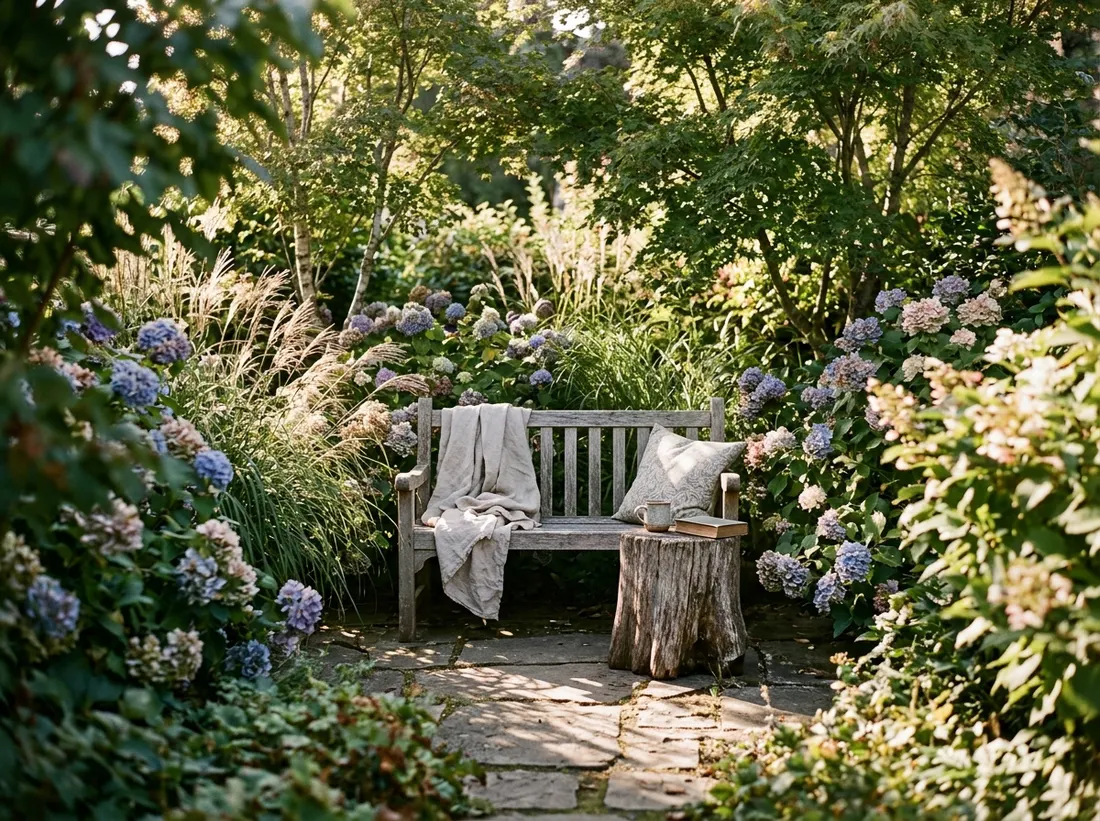
A small bench or chair tucked into a planted corner, surrounded by tall grasses, shrubs, or a small tree for partial shade, creates a private spot to sit that feels separate from the rest of the yard. Choose plants that stay dense at eye level for the sense of enclosure, and leave a clear sightline toward the house or a favorite view rather than boxing the nook in completely. Adding a small side table gives the space a purpose beyond just sitting.
18. Grow Climbing Roses on an Arbor Entry
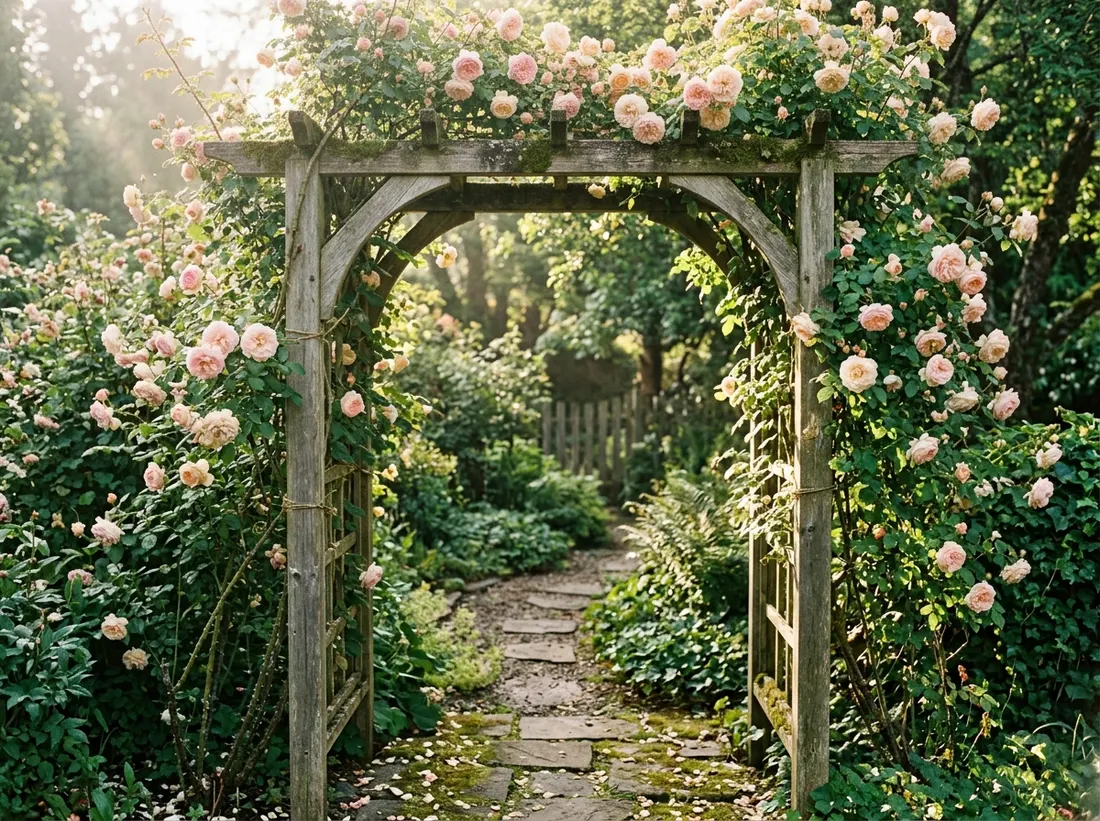
An arbor covered in climbing roses marks a clear entry point into a backyard garden area and adds height and color that flat garden beds cannot provide on their own. Climbing roses need full sun and benefit from being tied loosely to the arbor structure as they grow, since they do not cling on their own the way true vines do. Prune spent blooms through the season to encourage repeat flowering, and do a harder structural prune in late winter or early spring depending on your climate.
19. Add Landscape Lighting for Evening Enjoyment
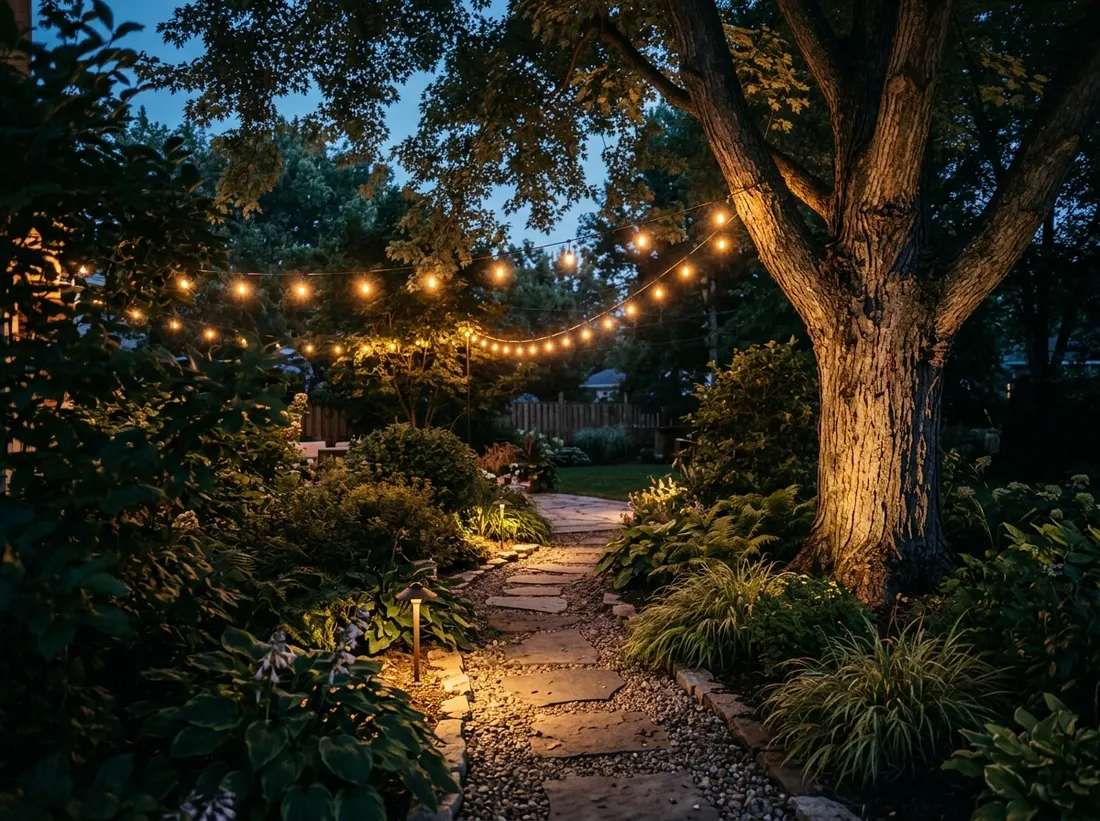
Path lights, uplighting on trees, and string lights over a patio extend how much time you actually spend in the backyard once the sun goes down. Solar path lights are the easiest upgrade since they need no wiring, though they perform better in climates with consistent sun exposure. Low-voltage wired lighting gives more reliable, brighter results for uplighting trees or highlighting a specific garden bed, and is worth the extra installation effort for a yard you use often after dark.
Conclusion
A better backyard rarely happens through one big project. It is usually a handful of smaller choices, a privacy hedge here, a shaded reading nook there, a raised bed near the kitchen door, that add up to a space that actually gets used instead of just mowed. Start with whichever idea solves the problem bothering you most right now, whether that is a lack of privacy, too much bare shade, or simply nowhere pleasant to sit. Once one area is working well, the next addition tends to come naturally, and the whole yard slowly shifts from empty lawn into a backyard you genuinely enjoy.
Frequently Asked Questions
What are good backyard gardening ideas for privacy?
Evergreen hedges, climbing vines on a trellis, and tall ornamental grasses all provide privacy screening without requiring a solid fence. Hedges take a few years to fill in fully but last for decades, while vines fill in faster on a narrower footprint. Combining a low hedge with a taller vine-covered trellis behind it gives layered privacy at different heights.
How do I plan a backyard garden layout?
Start by mapping how sunlight moves across your yard through the day, then match plant choices to each area’s actual light levels rather than guessing. Group ideas by how you use the space, entertaining areas near the patio, food growing near the kitchen door, and quiet spots away from high-traffic zones. Sketching a rough layout before planting anything saves time and prevents overcrowding later.
What can I grow in a shaded backyard corner?
Hostas, ferns, astilbe, and heuchera all handle shaded conditions well, especially the dry shade found under mature trees. Most shade-tolerant plants still need consistent moisture even though they get less direct sun, since shade alone does not reduce a plant’s water needs. Adding compost to shaded soil before planting improves results significantly in areas where tree roots compete for nutrients.
How do I make my backyard kid-friendly and still have a garden?
Choose sturdy, non-toxic plants like ornamental grasses, daylilies, and hardy shrubs in areas near play zones, and avoid anything with thorns or known toxicity such as foxglove or oleander. A clear buffer of mulch or grass between planting beds and the play area reduces accidental damage. Raised beds with defined edges also help keep play activity from spilling into planted areas.
What backyard plants attract the most pollinators?
Native flowering plants like coneflower, bee balm, and native asters attract the widest range of bees and butterflies since local pollinators are already adapted to them. A true butterfly garden also needs host plants like milkweed, not just nectar flowers, since caterpillars need specific plants to feed and develop on. Planting in clusters rather than scattering single plants makes a pollinator patch far more effective.