
11 Small Space Gardening Ideas You’ll Love
Staring at a tiny patch of ground, a narrow patio, or a single sunny corner and wondering if a real garden is even possible is a familiar feeling for a lot of people. It is easy to assume gardening needs a big yard, but plenty of small space gardening ideas work just as well in a few square feet as they do across an entire lawn. The trick is thinking in layers instead of just square footage: walls, railings, furniture, and even light itself can all become part of your growing space once you stop picturing rows of plants on flat ground. I have found that the gardeners who get the most out of small areas are the ones willing to mix a few different approaches rather than relying on just one trick. Below are eleven practical ways to make a small space feel full of life without overcrowding it, starting with the most obvious direction to grow when the ground runs out: up.
1. Go Vertical with Wall-Mounted Planters
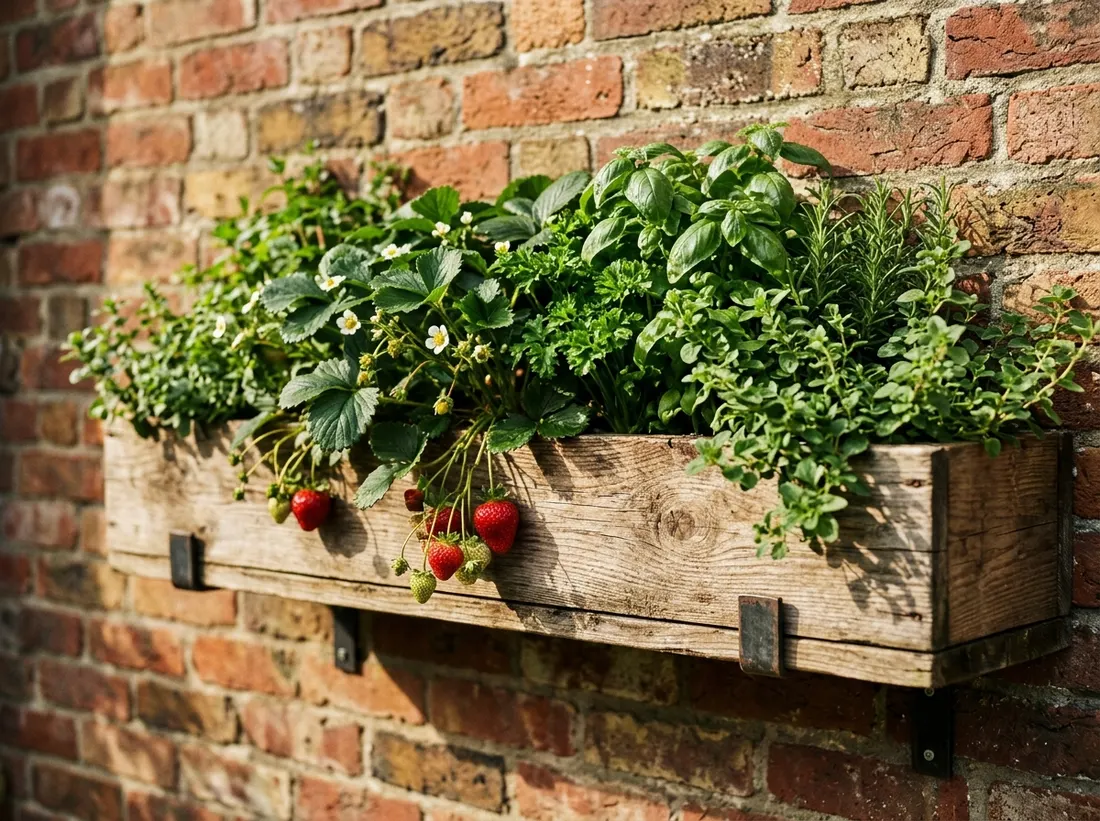
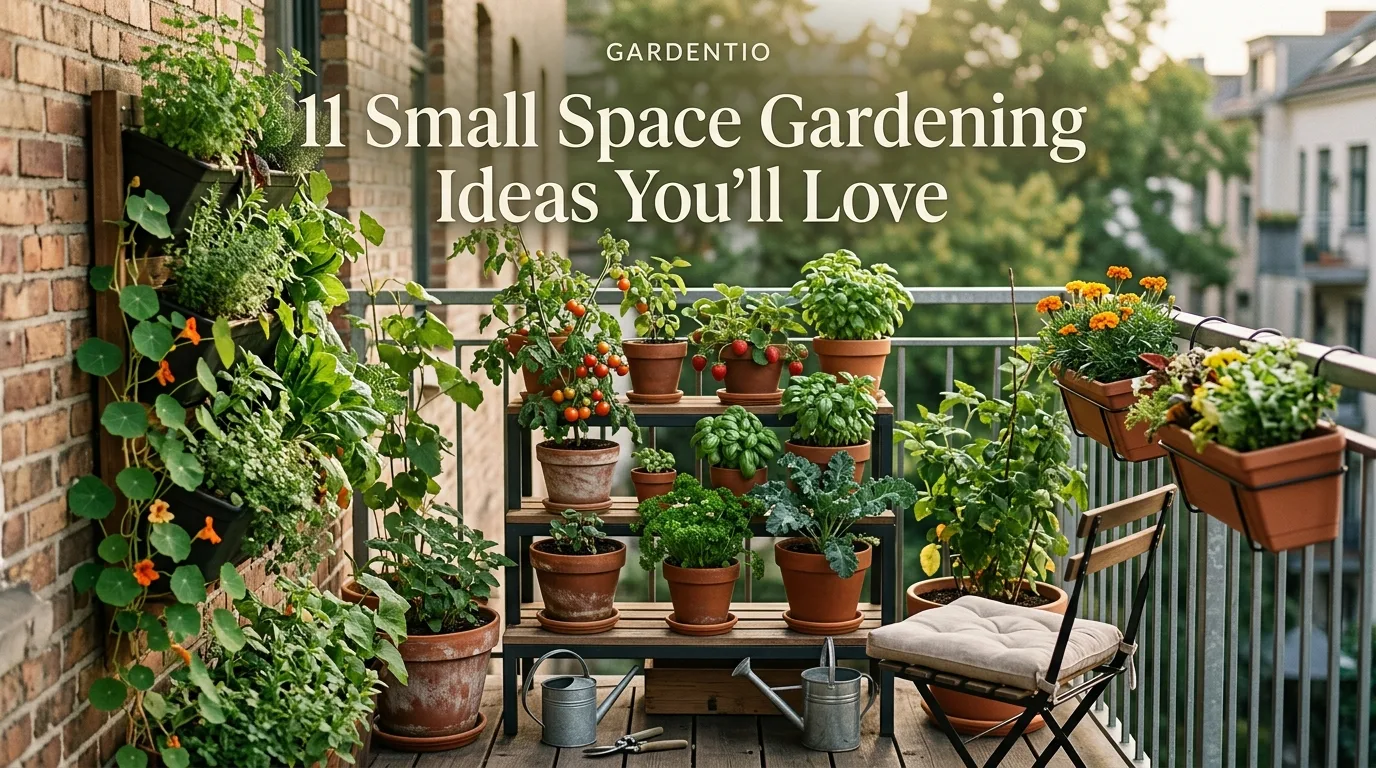
When floor space is limited, walls become some of the most useful growing area you have. Wall-mounted planters made of felt pockets, wood boxes, or modular plastic grids can hold herbs, lettuce, strawberries, or trailing flowers like petunias without taking up any ground space at all. Most need at least 4 to 6 hours of sunlight to thrive, so choose a wall that gets decent light through the day rather than one in permanent shade. Mount planters at a height where you can water and harvest easily, since a wall garden only stays low-maintenance if you can actually reach it.
2. Use a Tiered Plant Stand for Layered Growing
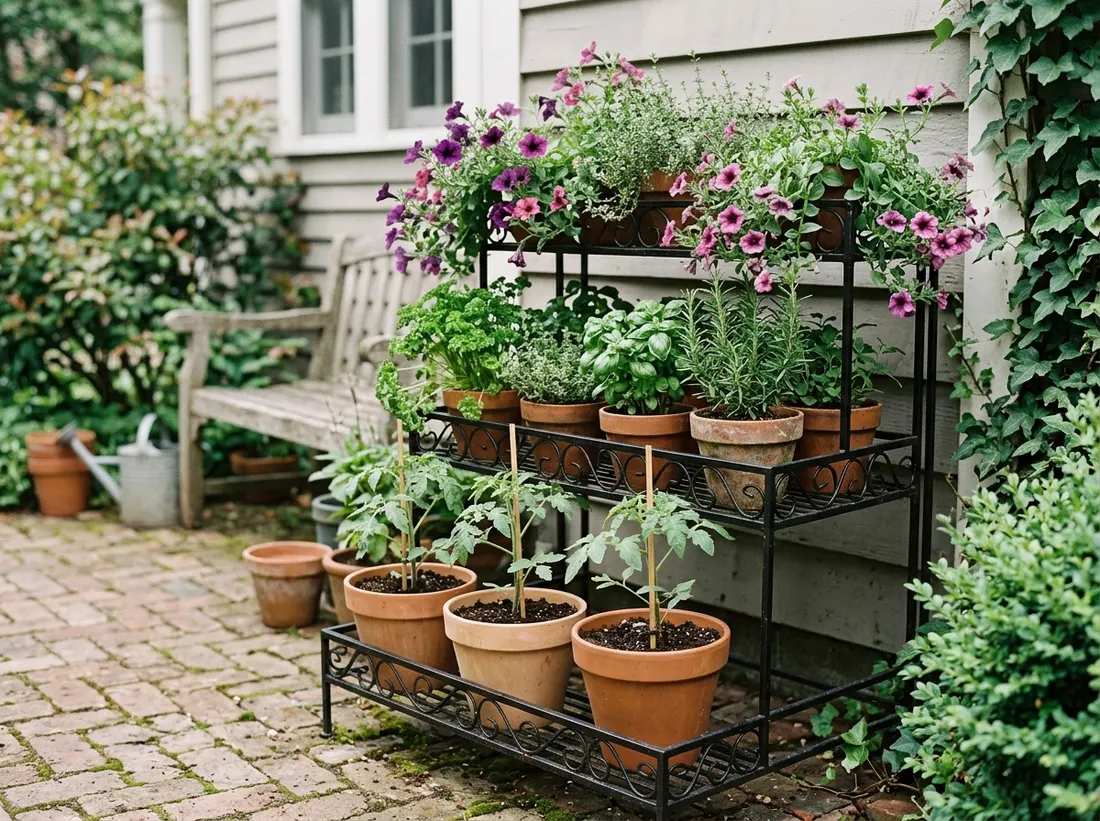
A tiered plant stand lets you stack several pots vertically in the footprint of just one or two, which makes it one of the easiest upgrades for a patio or balcony corner. Place larger, sun-loving plants like tomatoes or peppers on the bottom tier and smaller herbs or trailing plants on top, where they will not shade anything below. Rotate the stand occasionally if one side faces a wall, so every plant gets even light over time. Wooden and metal stands both work, though metal holds up better through wet seasons without warping.
3. Choose Multi-Use Furniture with Built-In Planters
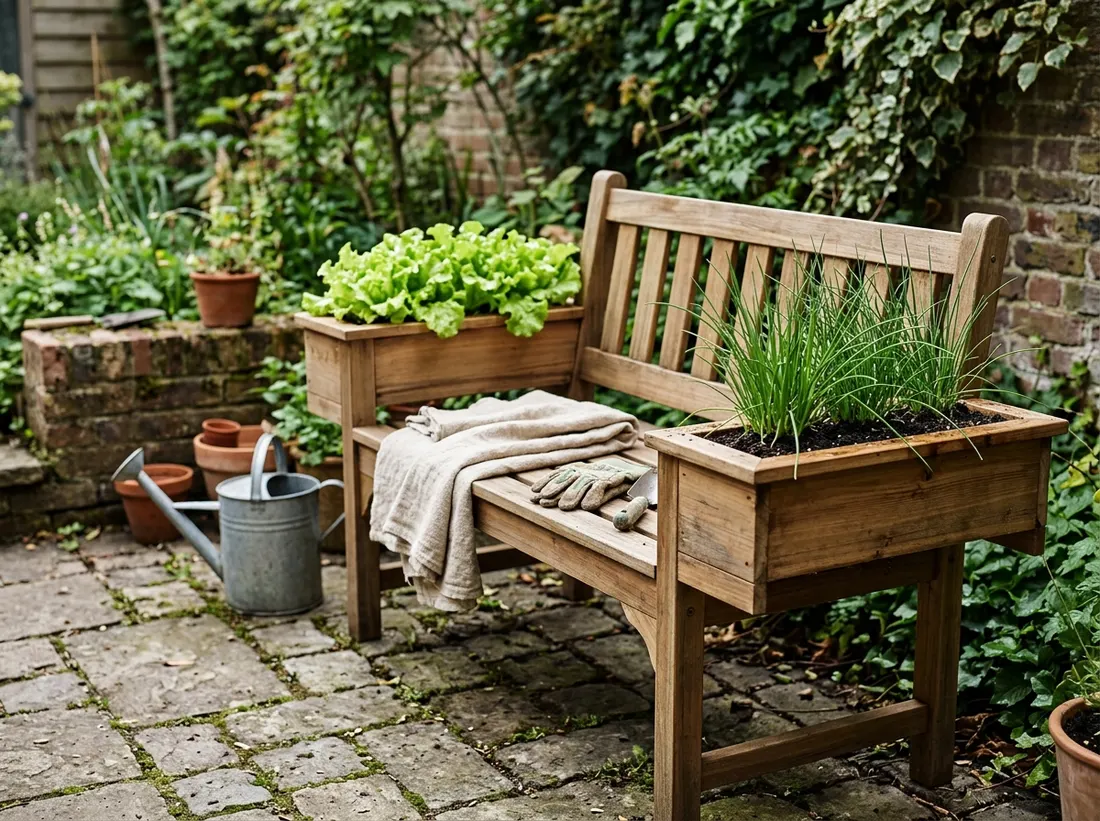
Benches, railings, and even outdoor coffee tables now come designed with built-in planter boxes, which means your seating area doubles as growing space instead of competing with it. This works especially well on a small patio, where every piece of furniture needs to earn its footprint twice over. Fill built-in boxes with shallow-rooted plants like herbs, lettuce, or annual flowers, since these planters are rarely deep enough for large root systems. Look for pieces with drainage holes already built in, or you will end up drilling them yourself before the first planting.
4. Hang Baskets from a Pergola or Railing
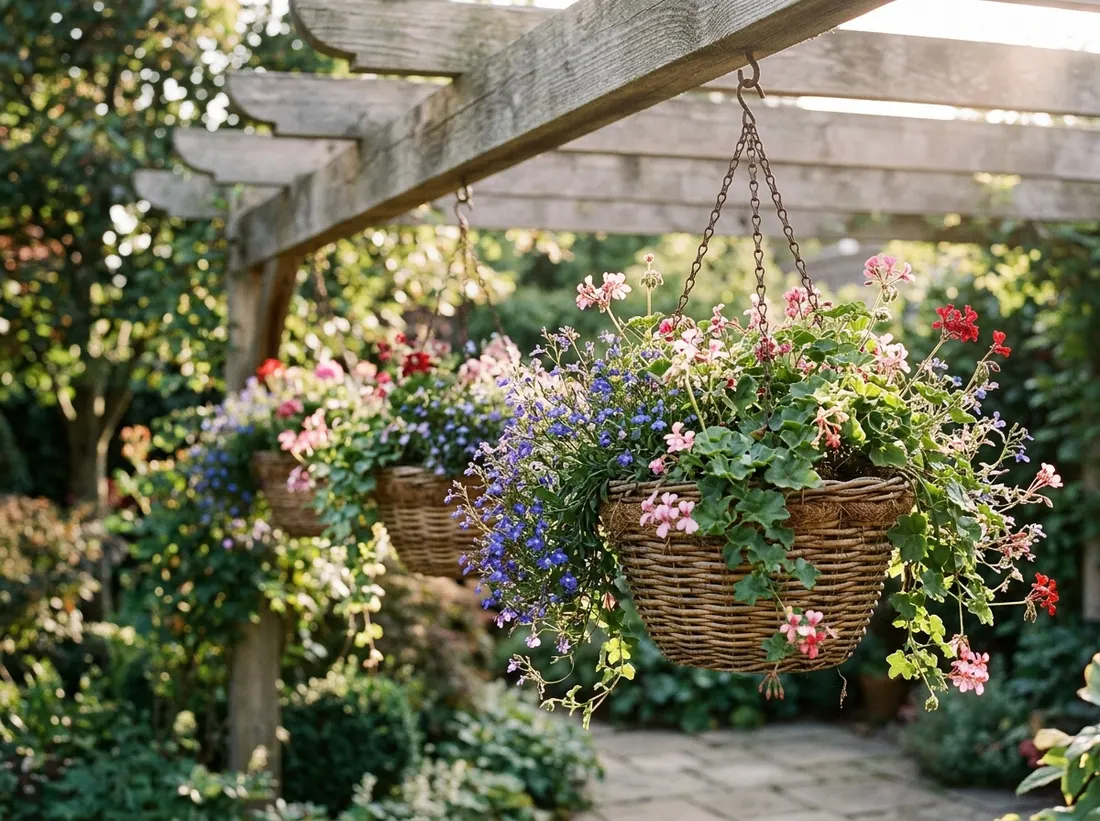
Hanging baskets take advantage of overhead and side space that would otherwise go completely unused. A pergola beam, a porch overhang, or a sturdy railing can all support baskets of trailing plants like lobelia, ivy geranium, or cherry tomatoes bred for hanging growth. Hanging baskets dry out faster than ground planting because air moves around them on all sides, so expect to water most baskets daily in warm weather. Choose hooks and brackets rated for at least 20 to 30 pounds once soil and water are factored into the weight.
5. Grow Compact and Dwarf Plant Varieties
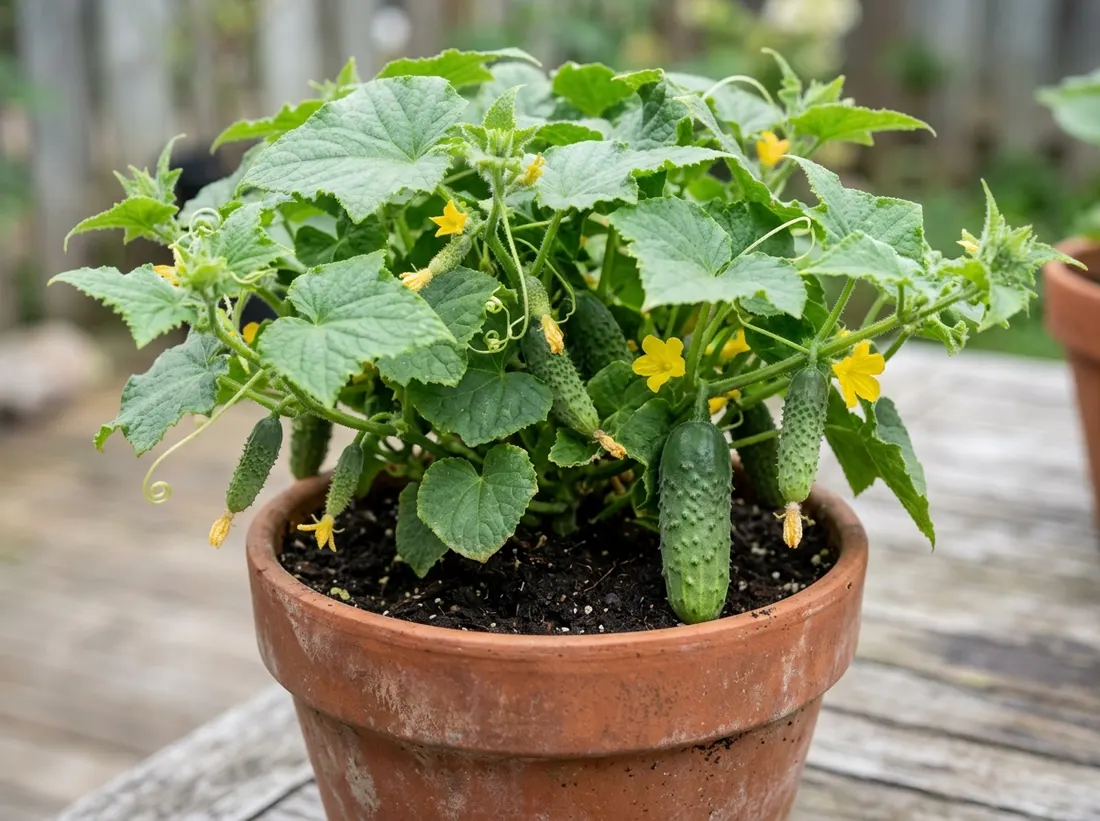
Plant breeders have developed dwarf and compact versions of many popular vegetables and flowers specifically for small gardens, and choosing these varieties over standard ones can cut the space a plant needs by half or more. Patio tomatoes, bush cucumbers, dwarf sunflowers, and compact zinnias all deliver a similar harvest or bloom to their full-size counterparts in a fraction of the footprint. Seed packets and plant tags usually list mature size clearly, so checking that number before buying saves you from a plant that outgrows its spot by midsummer.
6. Use Rail Planters on a Balcony Railing
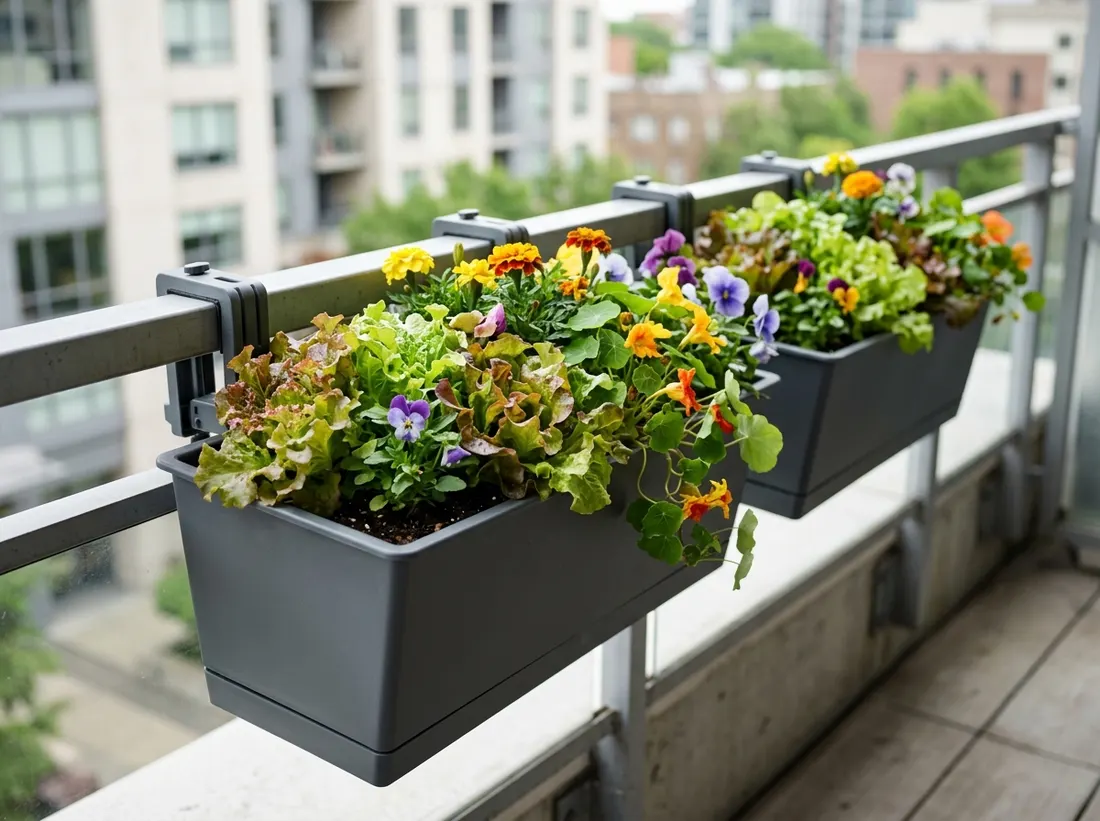
A balcony railing is often the single most underused surface on an apartment or condo, and rail planters that hook or clamp over the top turn it into a full growing strip without touching the floor at all. These planters work well for herbs, lettuce, and compact flowers, though weight matters here too, so check your building’s balcony load guidelines before lining up a dozen full planters. South or west-facing balconies usually get enough light for fruiting plants like peppers, while north-facing balconies do better with shade-tolerant greens and ferns.
7. Add a Mirror to Make a Small Garden Feel Bigger
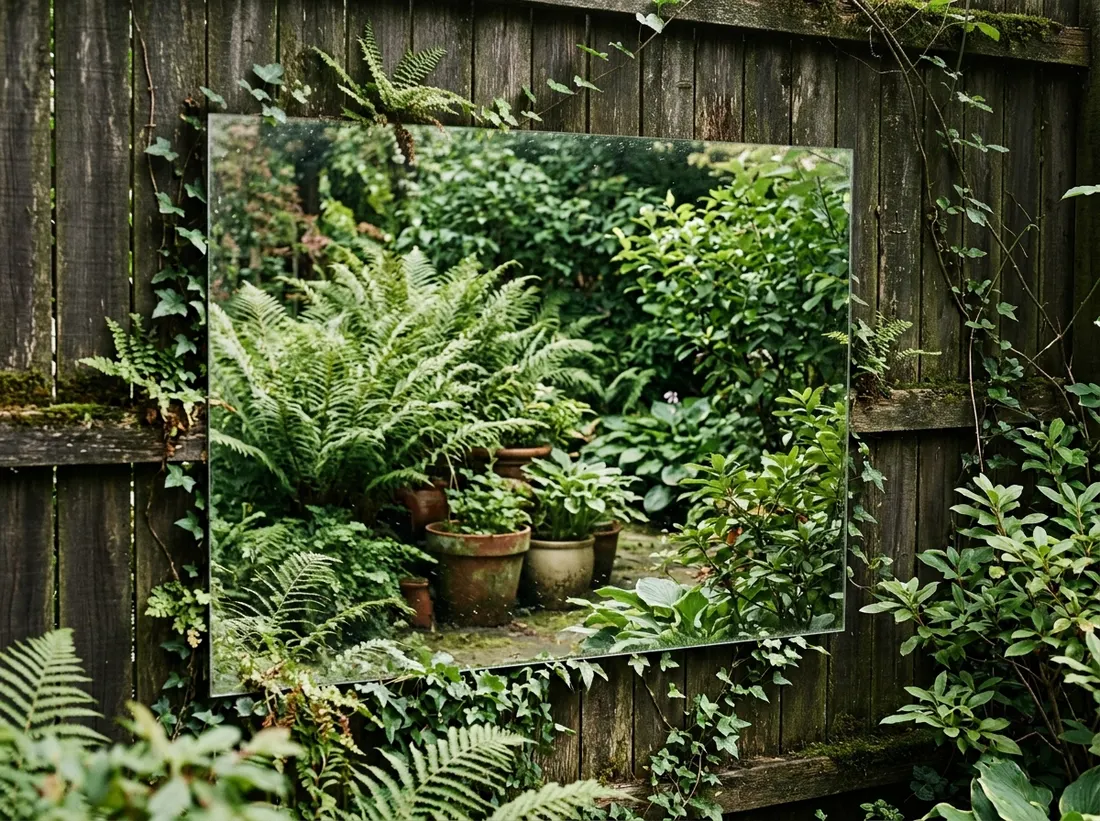
A well-placed outdoor mirror does two things at once: it reflects light deeper into a shaded corner, and it visually doubles the sense of space in a small garden. Position a mirror where it reflects greenery rather than a blank wall or fence, so the reflection reads as more plants rather than an obvious trick. Weatherproof acrylic mirrors hold up better outdoors than glass, since they resist cracking from temperature swings and are lighter to mount securely.
8. Stack Crates or Pallets for a DIY Vertical Garden
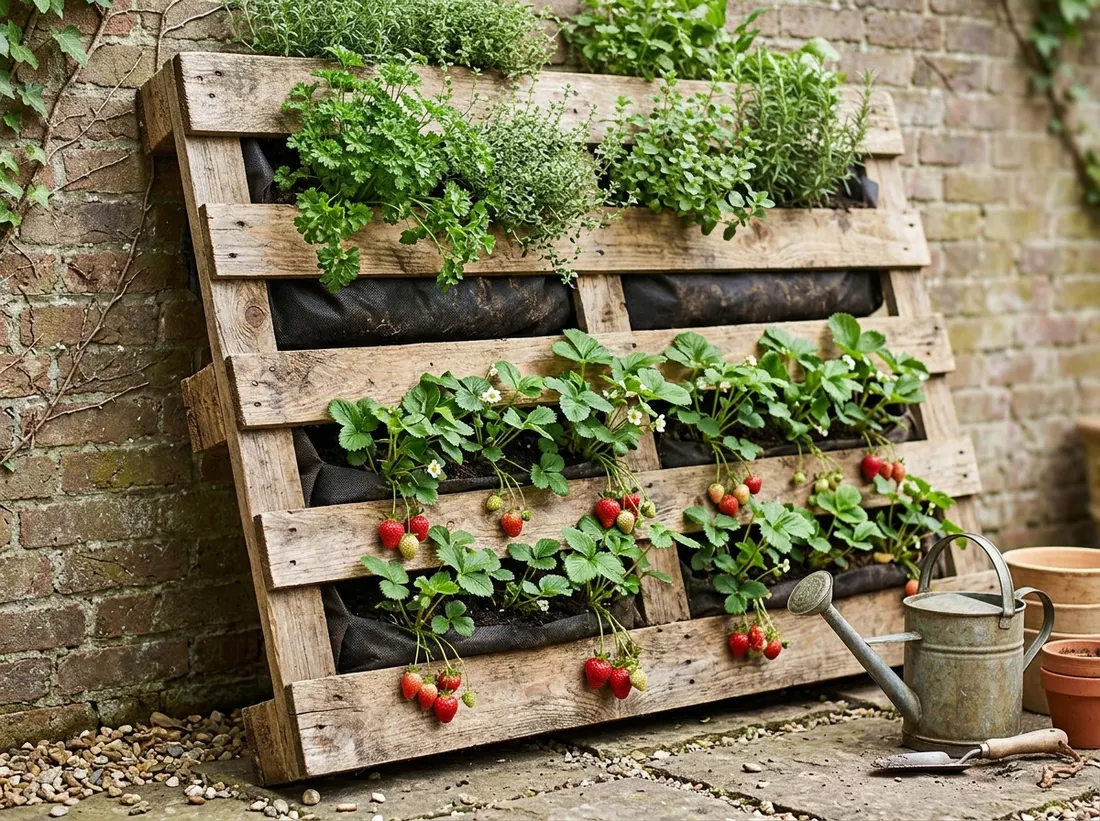
Wooden crates or a single pallet stood on end and lined with landscape fabric make an inexpensive vertical planter that can hold a row of herbs, strawberries, or succulents in the pockets between slats. This approach costs very little if you can find used pallets, though check that any pallet you use was heat-treated rather than chemically treated, since that stamp is usually visible on the wood. Lean the structure against a solid wall or fence and secure it at the top, since a loaded pallet garden is top-heavy and can tip in wind.
9. Grow a Living Wall with a Pocket Planter System
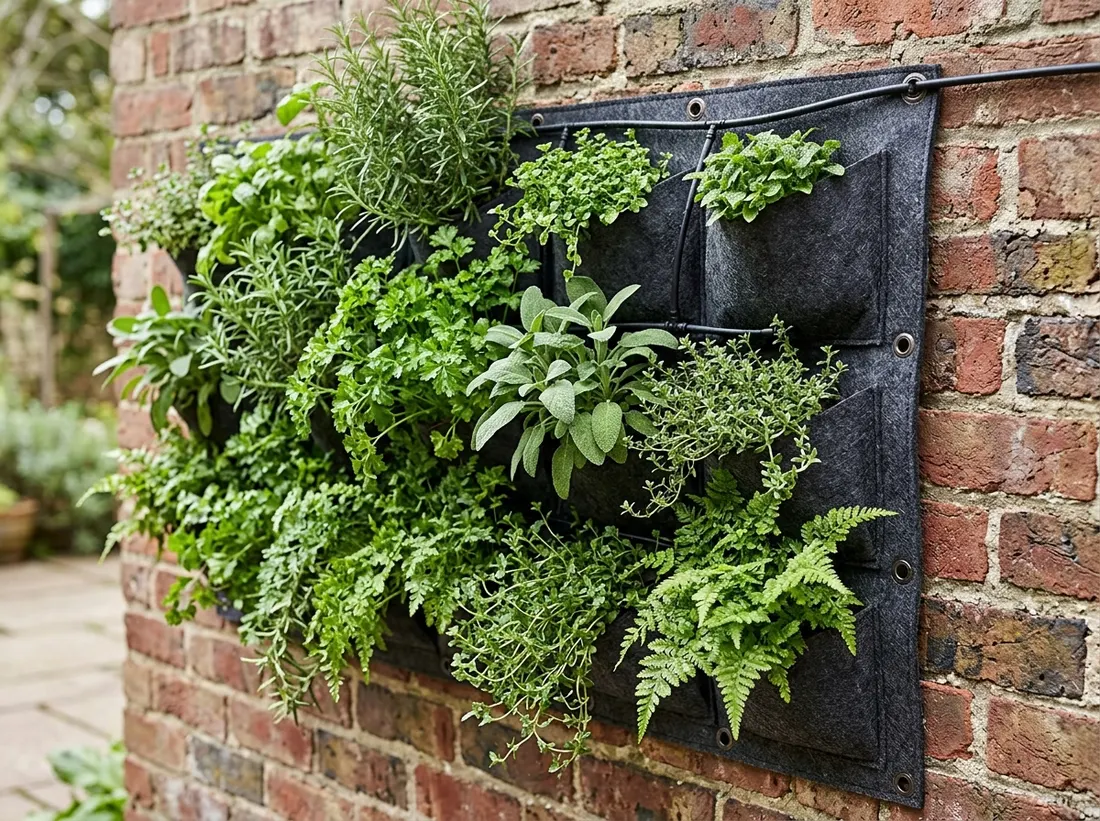
A pocket planter system, usually a fabric or felt panel with individual sewn pockets, turns an entire wall into a dense living garden without needing any floor space. These work particularly well for a mix of herbs and shallow-rooted flowers, since each pocket holds a small, self-contained amount of soil. Living walls dry out faster than container gardens because of how thin the soil layer is in each pocket, so a simple drip line or frequent hand watering keeps plants from stressing in hot weather.
10. Use Every Corner with Corner Shelving
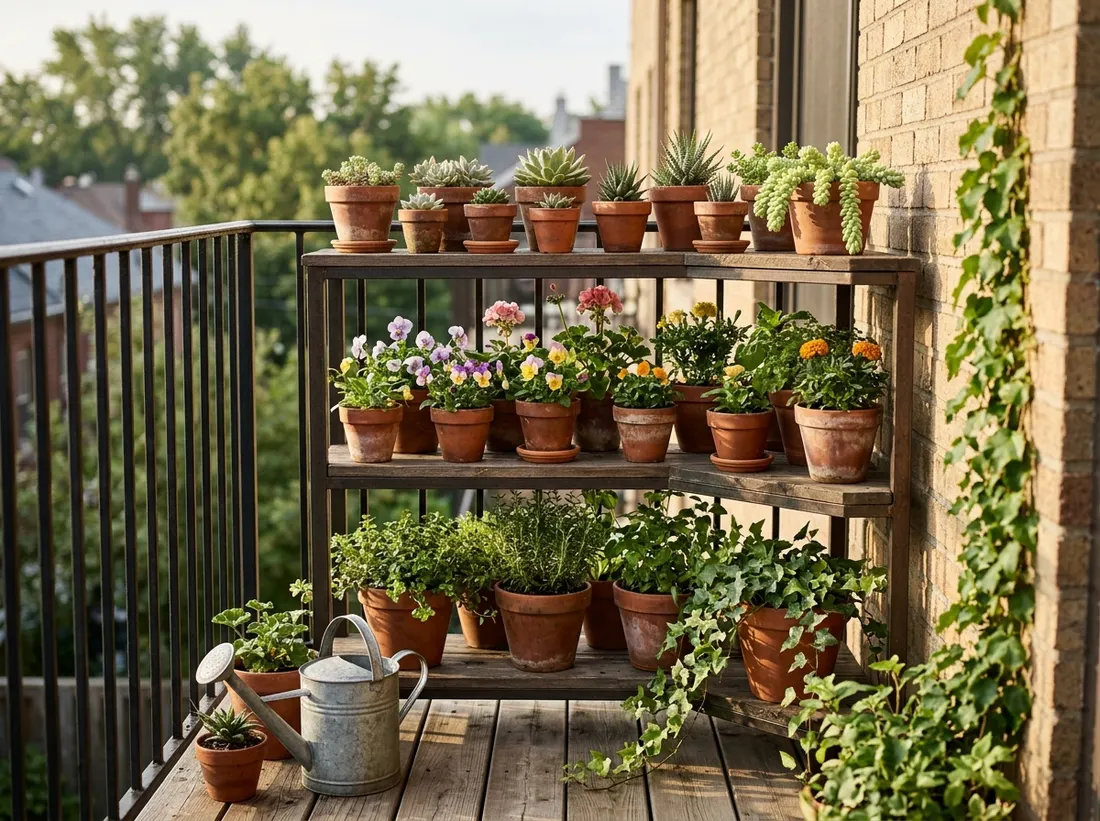
Corners tend to get overlooked in small garden planning, but a simple corner shelf unit can hold three or four pots in a spot that would otherwise sit empty. Look for shelving with slightly staggered heights so taller pots in back do not block light from shorter ones in front. This works especially well for succulents and small flowering plants that do not need much soil depth, since lightweight shelving units usually have a lower weight limit than floor-standing options.
11. Choose Light-Colored Containers to Open Up the Space
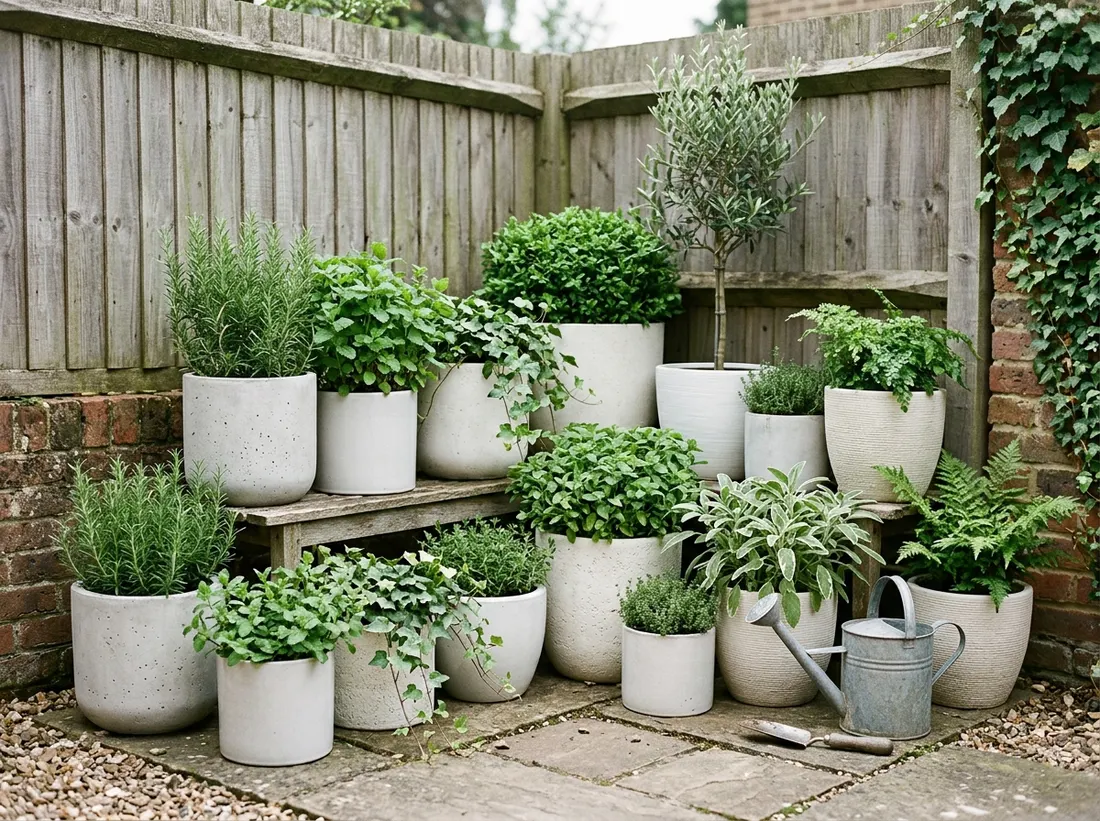
The containers themselves affect how open or cramped a small garden feels, and light colors like white, cream, or pale gray tend to visually expand a tight space compared to heavy dark pots that can make an area feel closed in. Light-colored containers also absorb less heat than dark ones, which keeps roots cooler during hot afternoons, a real benefit for container plants that already dry out faster than those in the ground. Sticking to two or three coordinating colors across your containers gives a small space a pulled-together look even when you are mixing several plant types.
Conclusion
Small space gardening ideas work best when you combine a few of them rather than betting everything on one method. A wall planter here, a tiered stand there, and a couple of dwarf varieties filling in the gaps can turn a bare patio or narrow yard into a space that actually produces herbs, vegetables, or flowers you enjoy. Start with whichever idea fits your available light and surfaces best, then add another layer once you see how the first one performs. Small gardens reward this kind of gradual building far more than trying to fill every inch at once.
Frequently Asked Questions
What is the best way to garden in a small space?
Growing vertically, using wall planters, hanging baskets, and tiered stands, makes the biggest difference in a small space, since it adds growing area without using more ground. Pairing that with compact or dwarf plant varieties keeps individual plants from overwhelming a tight footprint. Combining two or three of these approaches usually works better than relying on just one method alone.
Can you grow vegetables in a small garden?
Yes, many vegetables adapt well to small spaces when you choose compact or dwarf varieties bred specifically for containers and tight footprints. Patio tomatoes, bush beans, lettuce, and peppers all do well in pots, rail planters, or a small raised bed. Most vegetables still need at least 6 hours of direct sun a day to produce a good harvest, regardless of how little space they take up.
How much sunlight do small space gardens need?
Most fruiting vegetables and flowering plants need 6 hours or more of direct sunlight daily, while leafy greens and many herbs can manage with 4 hours. Track how light moves across your space over a full day before choosing plants, since a spot that looks bright at noon can still be shaded most of the morning or evening. Shadier spots do better with ferns, hostas, or shade-tolerant greens.
What plants work well in hanging baskets?
Trailing plants like ivy geranium, lobelia, and petunias are popular choices, along with cherry tomato varieties bred specifically for hanging growth. Herbs like thyme and oregano also do well since their growth habit naturally spills over the edge of a basket. Hanging baskets dry out faster than ground planters, so daily watering is often necessary during warm weather.
Are vertical gardens hard to maintain?
Vertical gardens need more frequent watering than ground-level beds because soil pockets and containers are shallower and dry out faster, but the actual gardening tasks, planting, feeding, and harvesting, are not more difficult, just more frequent. Setting up a simple drip line or watering schedule early on keeps a vertical garden manageable rather than becoming a daily chore you have to remember on your own.