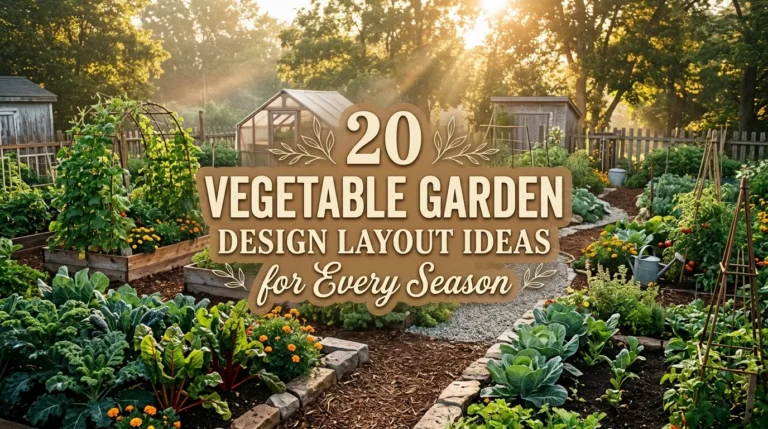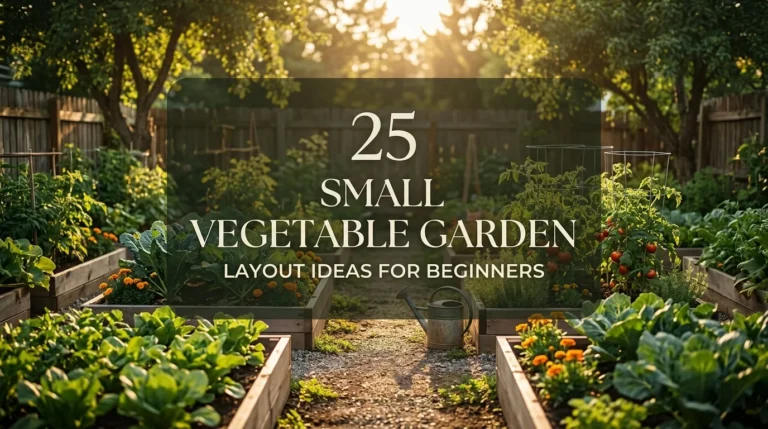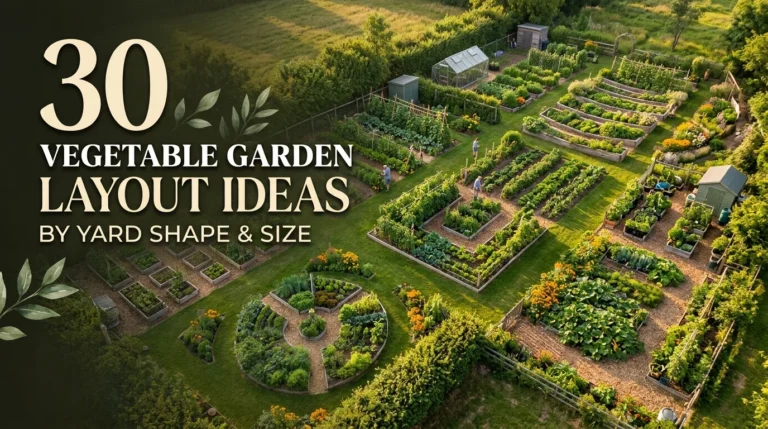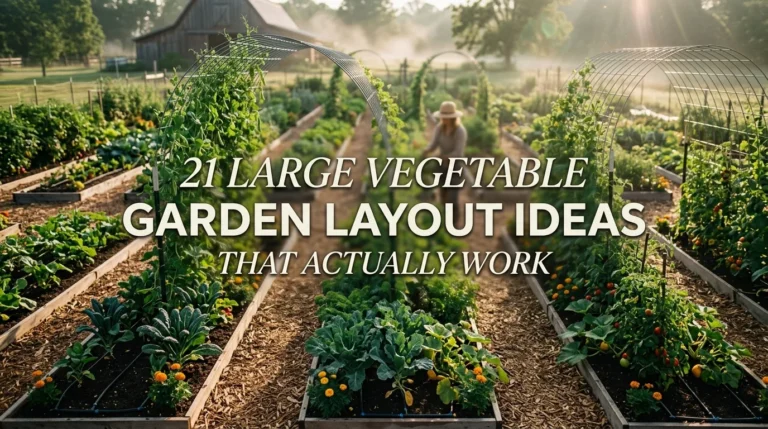

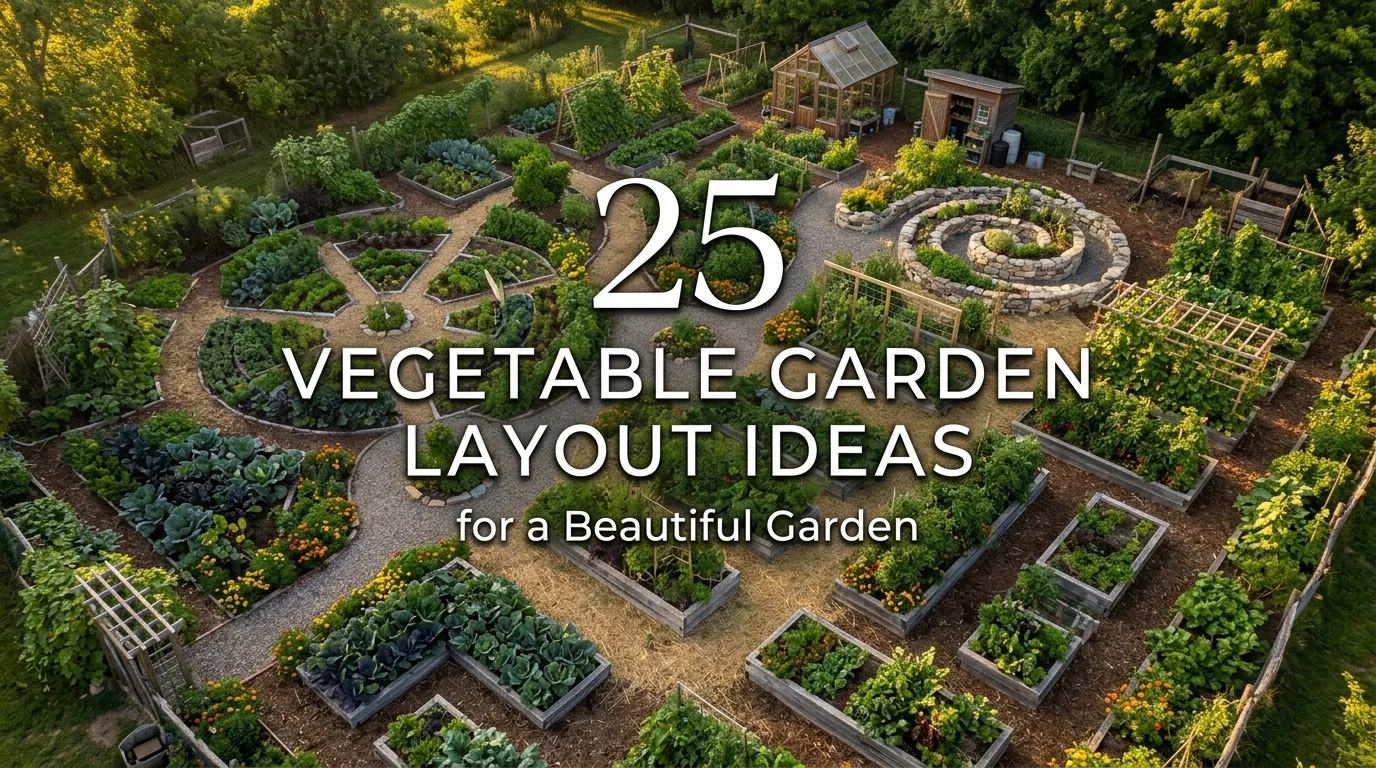
25 Vegetable Garden Layout Ideas for a Beautiful Garden
Some gardens grow a lot of food but feel like a chore to walk through, and some look lovely in photos but never quite fill a plate. Getting both at once takes more than picking a shape and filling it with plants. I’ve noticed that once you move past the standard row-and-bed approach, a whole set of vegetable garden layout ideas opens up, borrowed from old farming traditions, desert growing methods, forest ecology, and small-space tricks that never made it into mainstream garden books. These layouts solve real problems: heavy clay that drowns roots, slopes that wash soil downhill, and a wish for a plot that feeds people without looking like a farm field. This list moves past the usual raised-bed grids and straight rows to cover genuinely different approaches, including mound gardening, sunken beds, spiral shapes, and planting systems built around how plants support each other. Some ideas suit a full backyard plot, others fit a single sunny corner. Start with whichever one matches your climate, your soil, and how much digging you want to do.
1. Hugelkultur Mound Beds
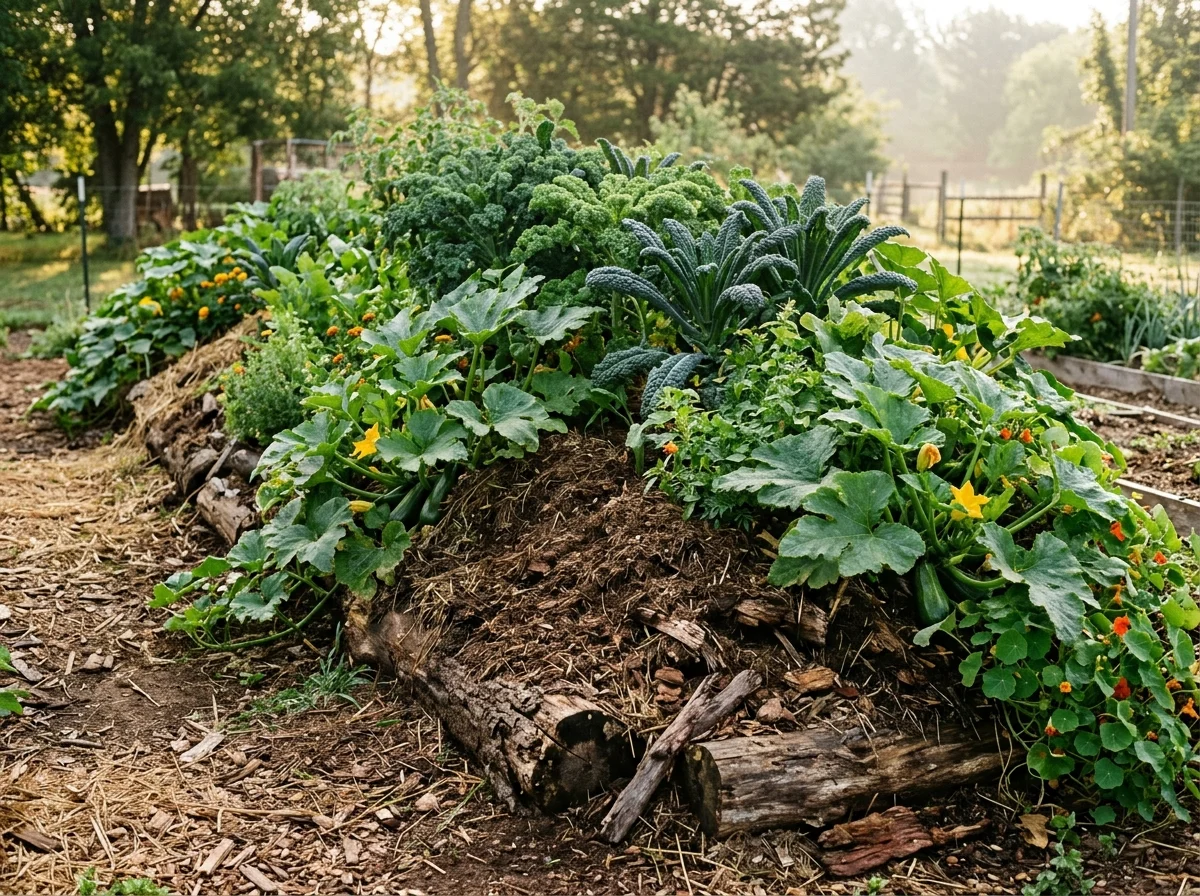
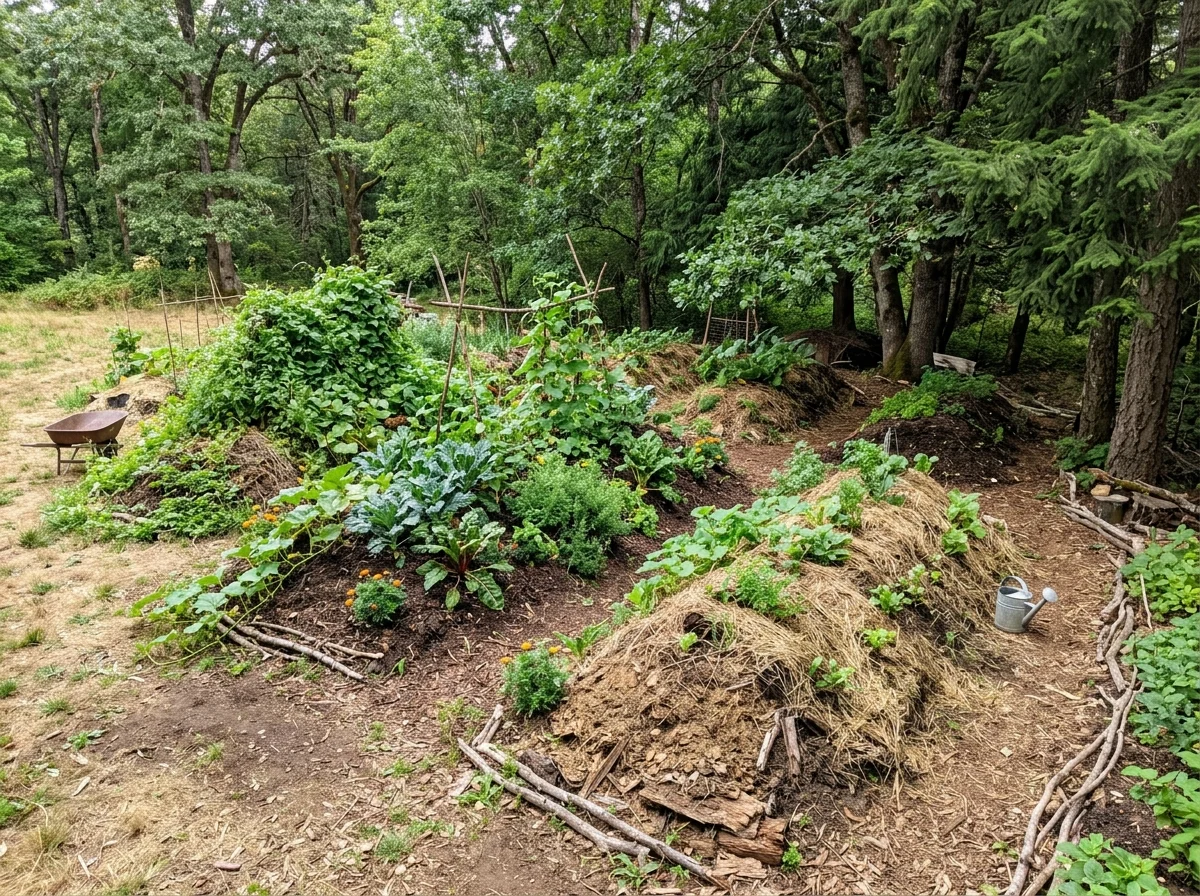
Hugelkultur beds bury logs and branches under mounded soil and compost, creating raised mounds that hold moisture for weeks and warm up early in spring. As the buried wood breaks down, it feeds the soil for years, so one build gives several seasons of fertility. Mounds usually stand 2 to 3 feet tall, with crops planted on the sides as well as the top, roughly doubling the growing surface for the same footprint. The shape sheds excess water well, so it suits wetter climates where flat beds stay soggy.
2. Wicking Bed Layout
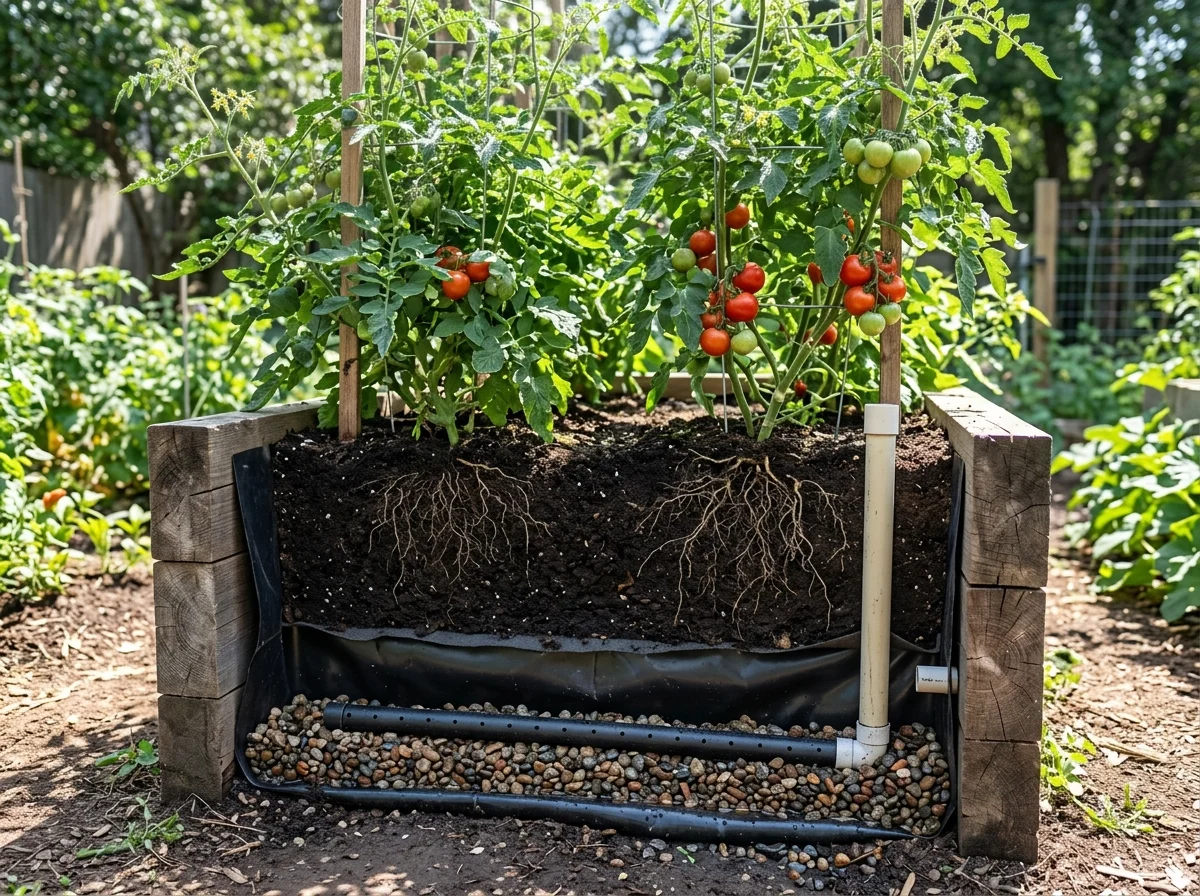
A wicking bed is a raised container with a water reservoir built into the base, so plant roots draw moisture up from below instead of being watered from the top every day. This suits gardeners who travel often or live somewhere with hot, dry summers, since a full reservoir can keep plants hydrated for a week or more. Building one takes a lined box, a gravel drainage layer, an overflow pipe, and soil on top.
3. Three Sisters Planting Circle
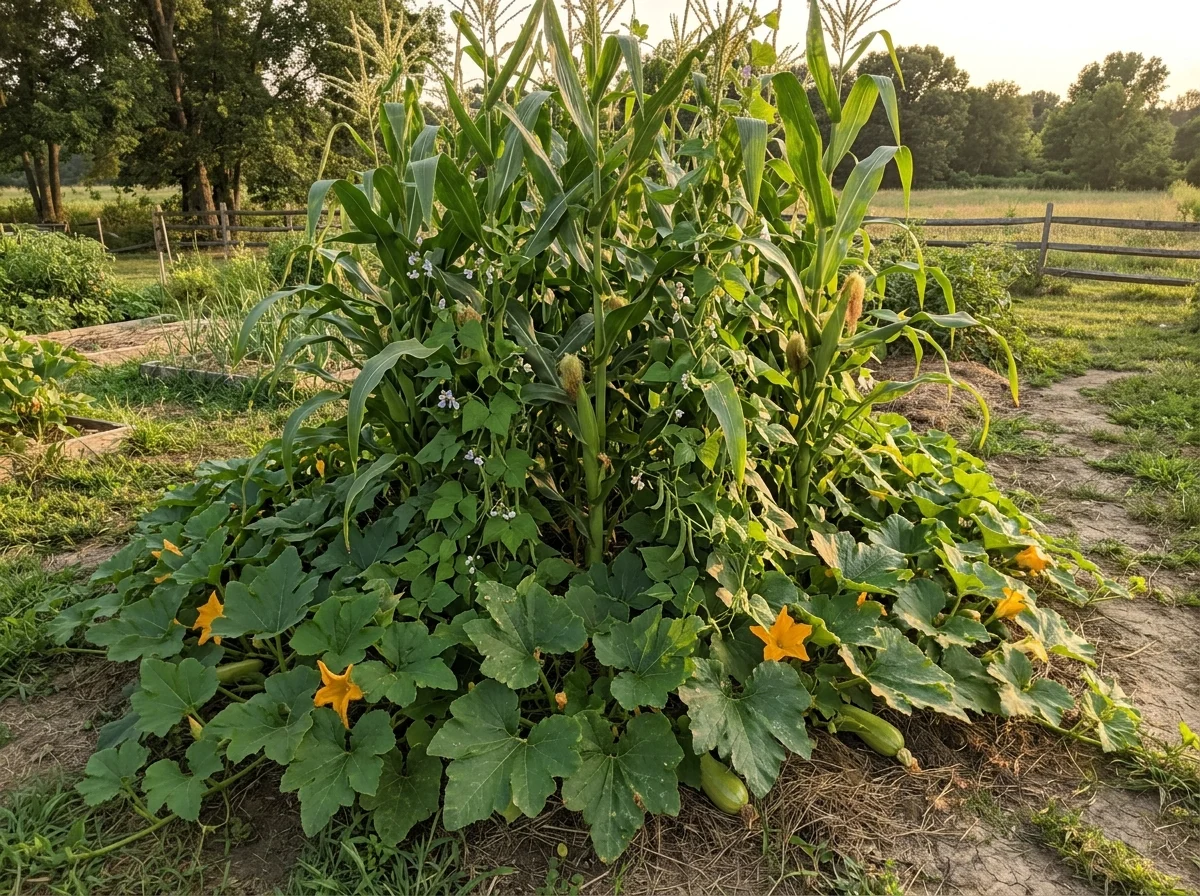
The three sisters method plants corn, pole beans, and squash together in a circular mound, with corn in the center giving the beans something to climb, beans fixing nitrogen for the corn, and squash leaves shading the soil to block weeds. Space mounds about 3 to 4 feet apart, and plant the corn first so it has a head start before the beans go in. This layout uses far less space than growing the same three crops in separate rows.
4. Spiral Herb and Vegetable Bed
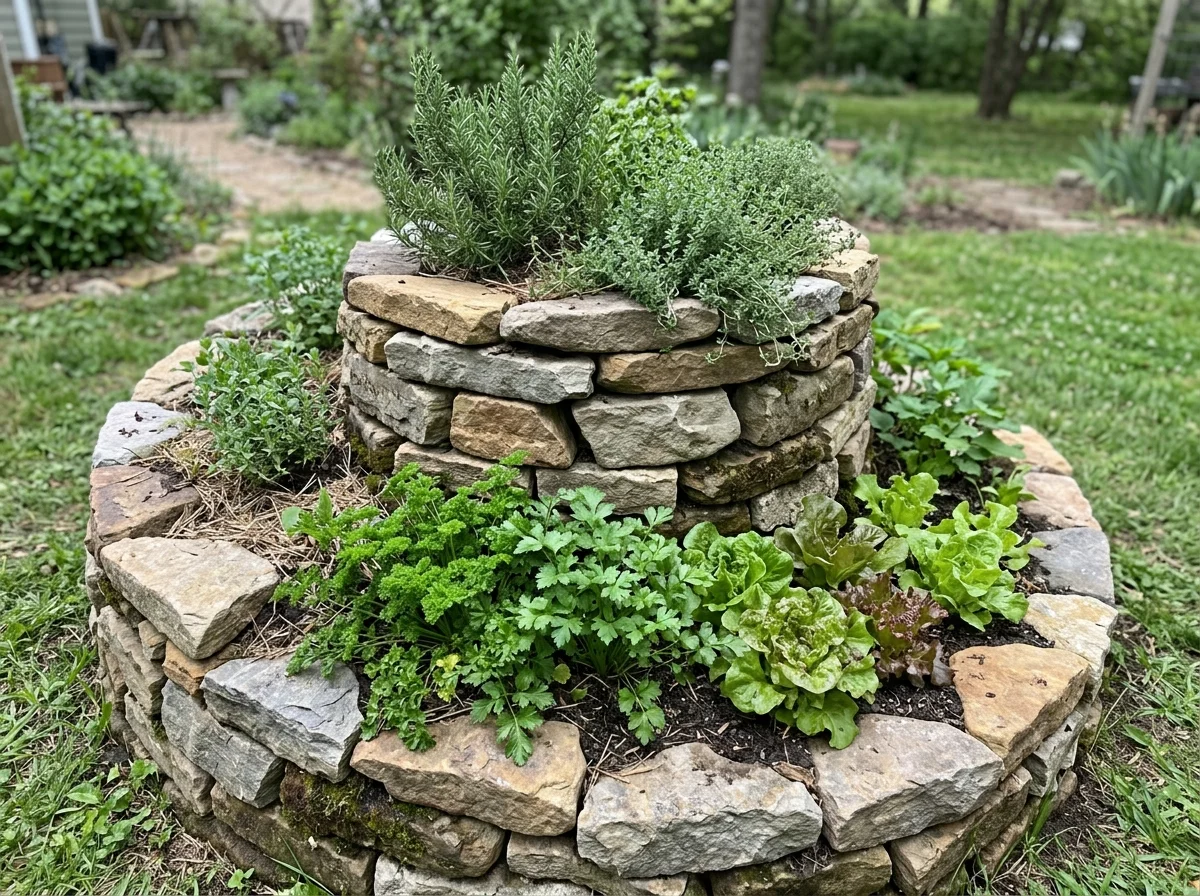
A spiral bed stacks stone or brick in a rising coil, creating a small hill with a built-in microclimate gradient, the top stays drier and sunnier while the base stays cooler and moister. This lets you grow Mediterranean herbs like rosemary and thyme near the top and moisture-loving plants like parsley or lettuce near the bottom, all within a single structure roughly 4 to 6 feet across. It suits gardeners short on flat space who still want a wide mix of herbs and vegetables within arm’s reach.
5. Permaculture Guild Planting
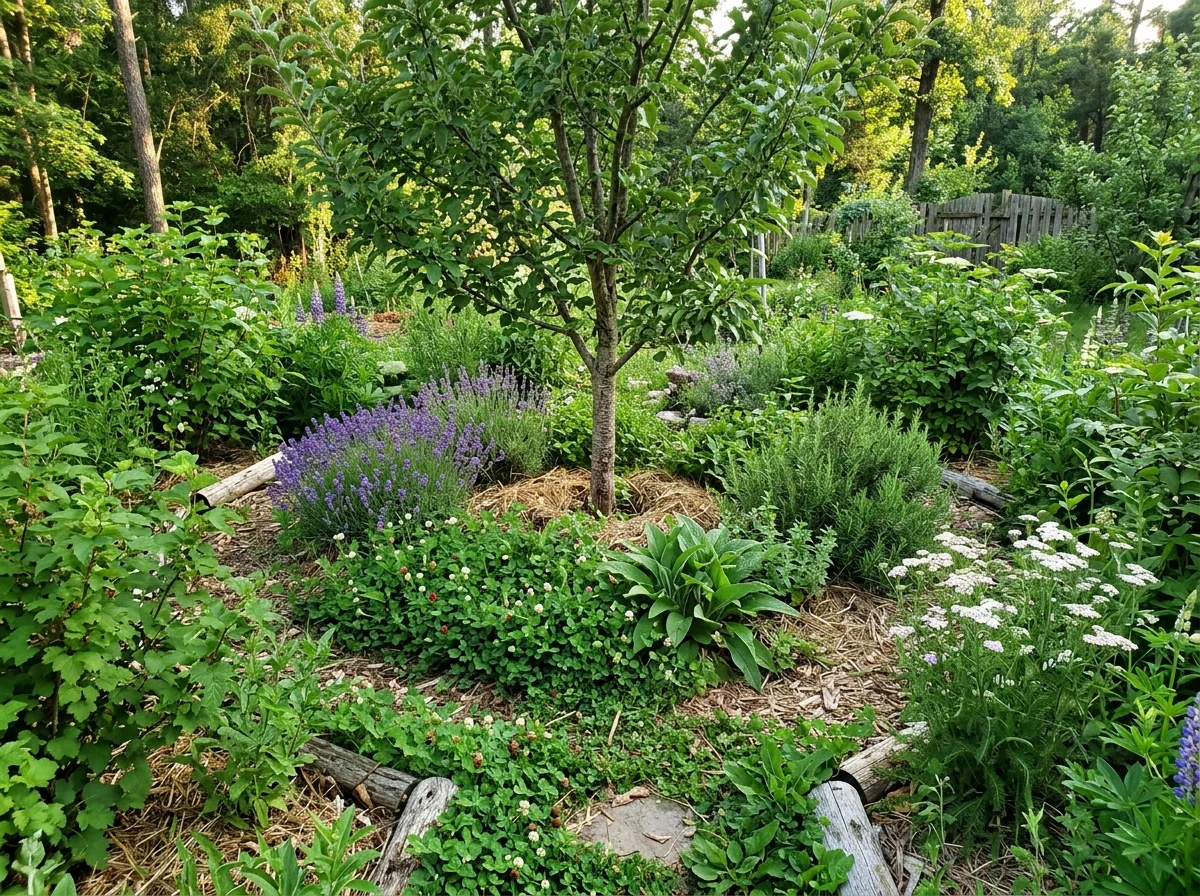
A guild groups one central plant, often a fruit tree, with supporting plants chosen for specific jobs: nitrogen fixers, pest-confusing aromatics, ground-covering living mulch, and pollinator attractors. Instead of neat rows, plants are arranged in loose rings around the central plant based on height and root depth. This takes more planning up front than a simple bed, but once established it needs less weeding and watering.
6. No-Dig Layered Bed
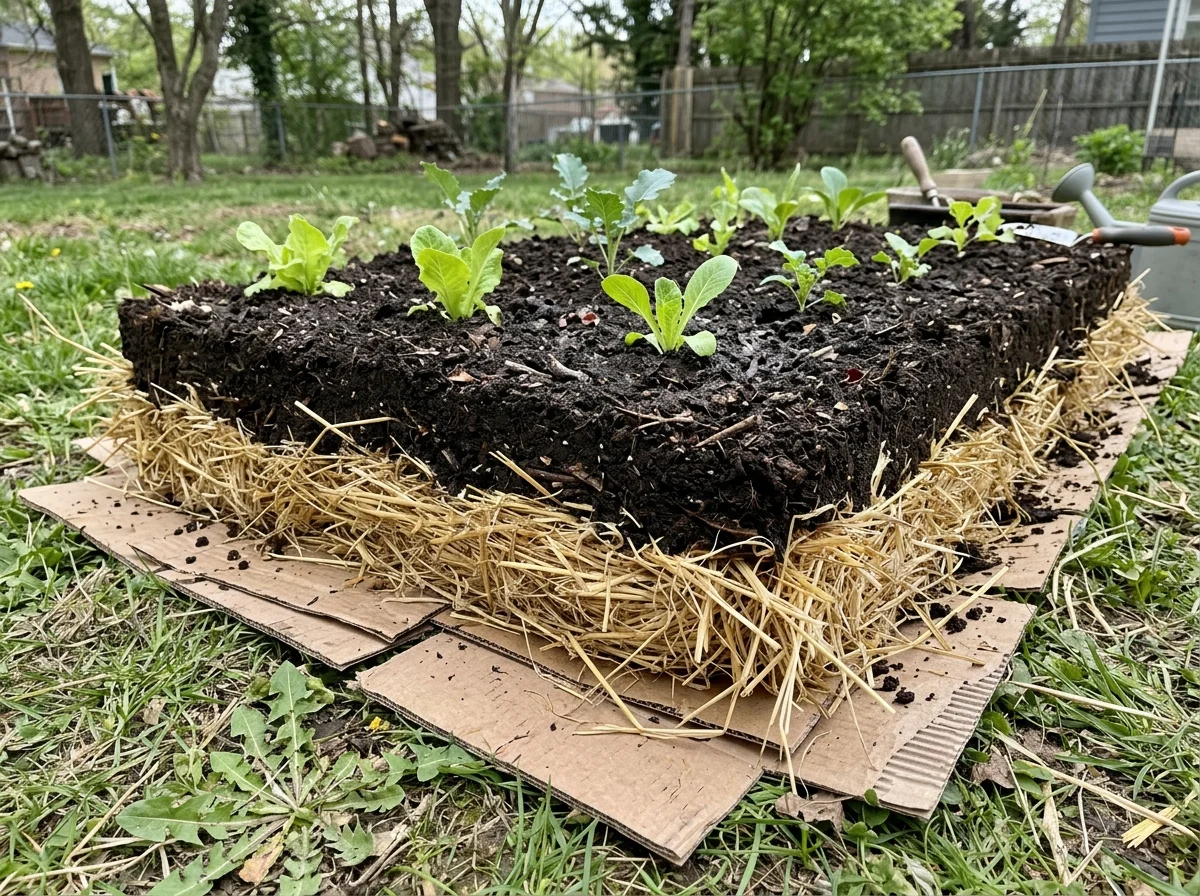
A no-dig, or lasagna, layout builds soil in flat layers directly on lawn or bare ground, cardboard first, then alternating layers of straw, compost, leaves, and grass clippings, with no tilling required. The bed is ready to plant within a few weeks in warm weather, or can sit over winter and be ready by spring.
7. Biointensive Double-Dug Beds
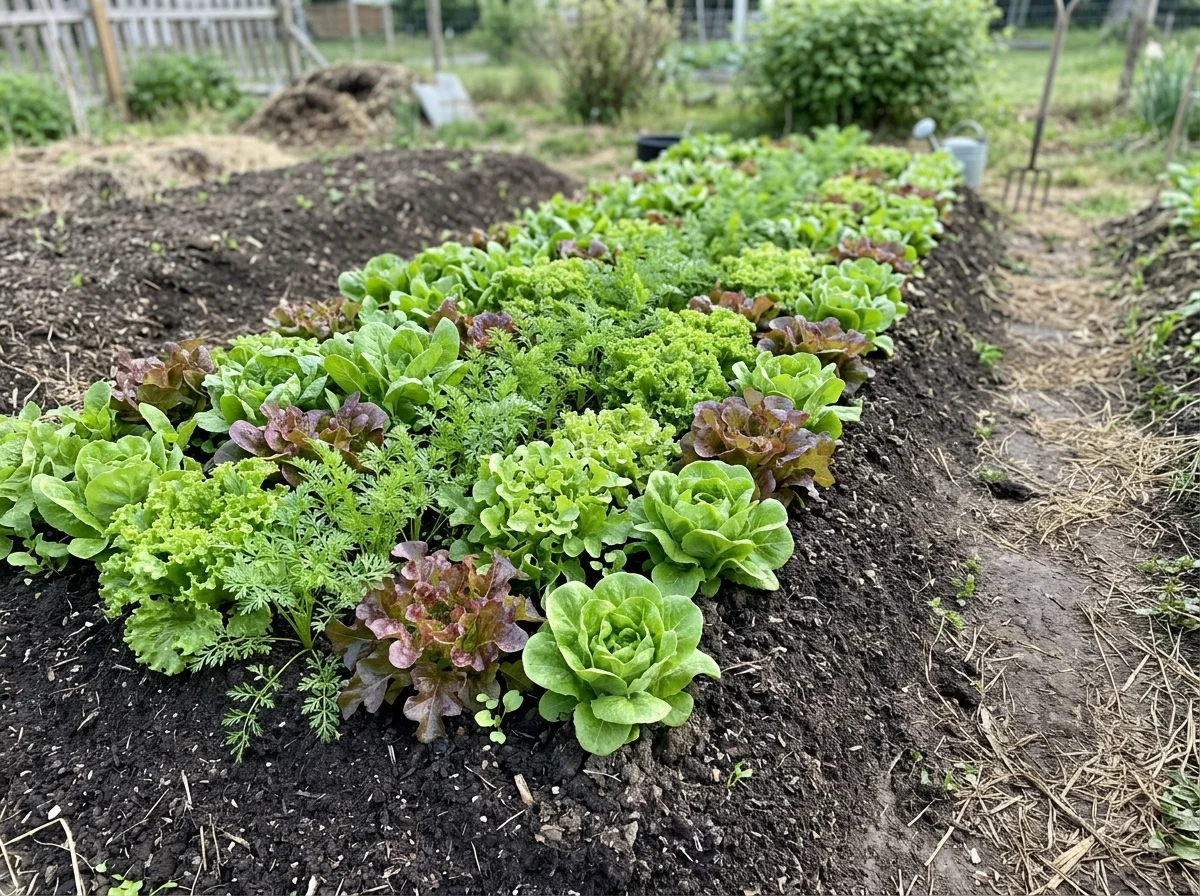
Biointensive beds are dug two spade depths down to loosen compacted soil, then planted in a tight hexagonal spacing pattern rather than straight rows, so leaves from mature plants just touch and shade out weeds. This method aims for high yield per square foot, which suits gardeners working with a small plot who still want to grow a meaningful amount of food. The deep digging is hard work the first year, but the loosened soil holds up for several seasons afterward.
8. Strip Intercropping Rows
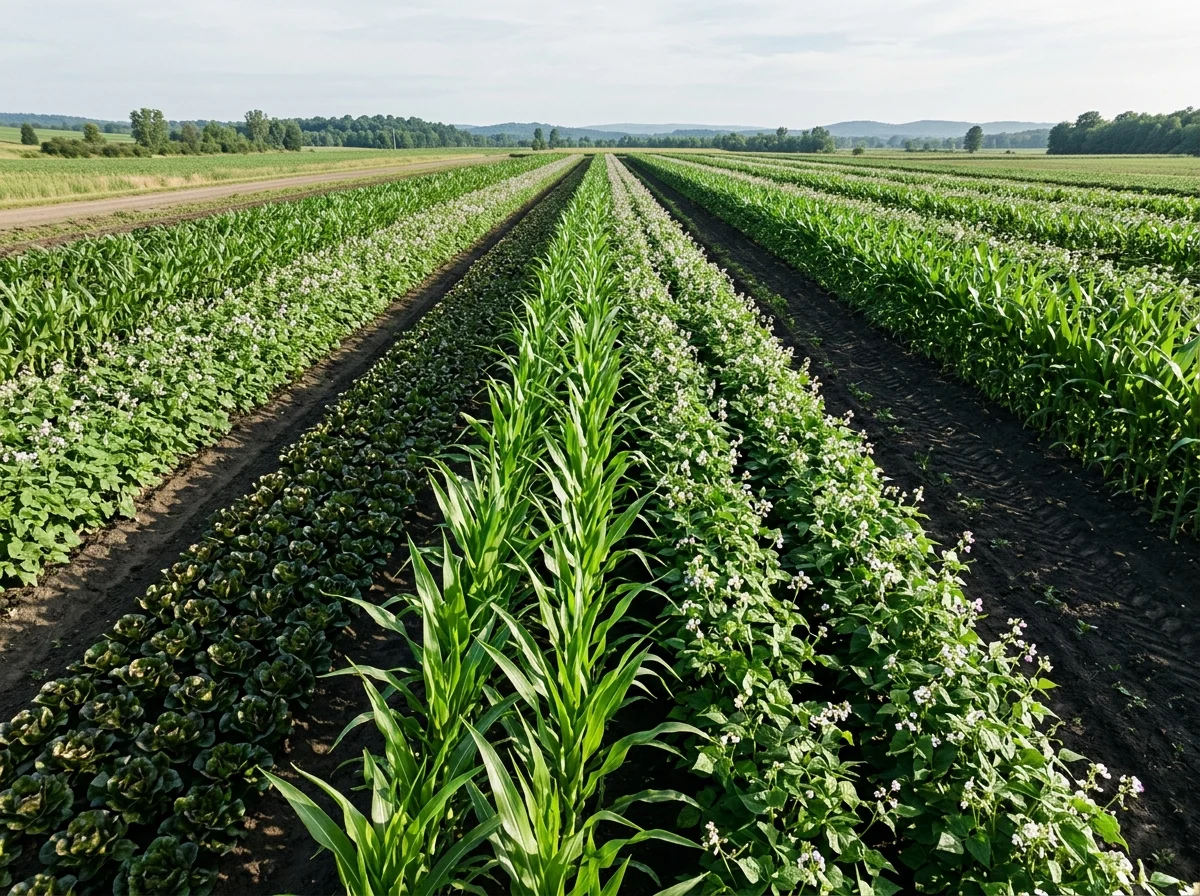
Strip intercropping alternates narrow bands, usually 2 to 4 rows wide, of different crops instead of planting one long row of a single vegetable. A strip of beans next to a strip of corn next to a strip of lettuce breaks up pest and disease spread, since insects targeting one crop have to cross a strip of something else to reach more of it. It also spreads harvest timing across the season instead of one huge glut at once.
9. Mandala Garden Wheel
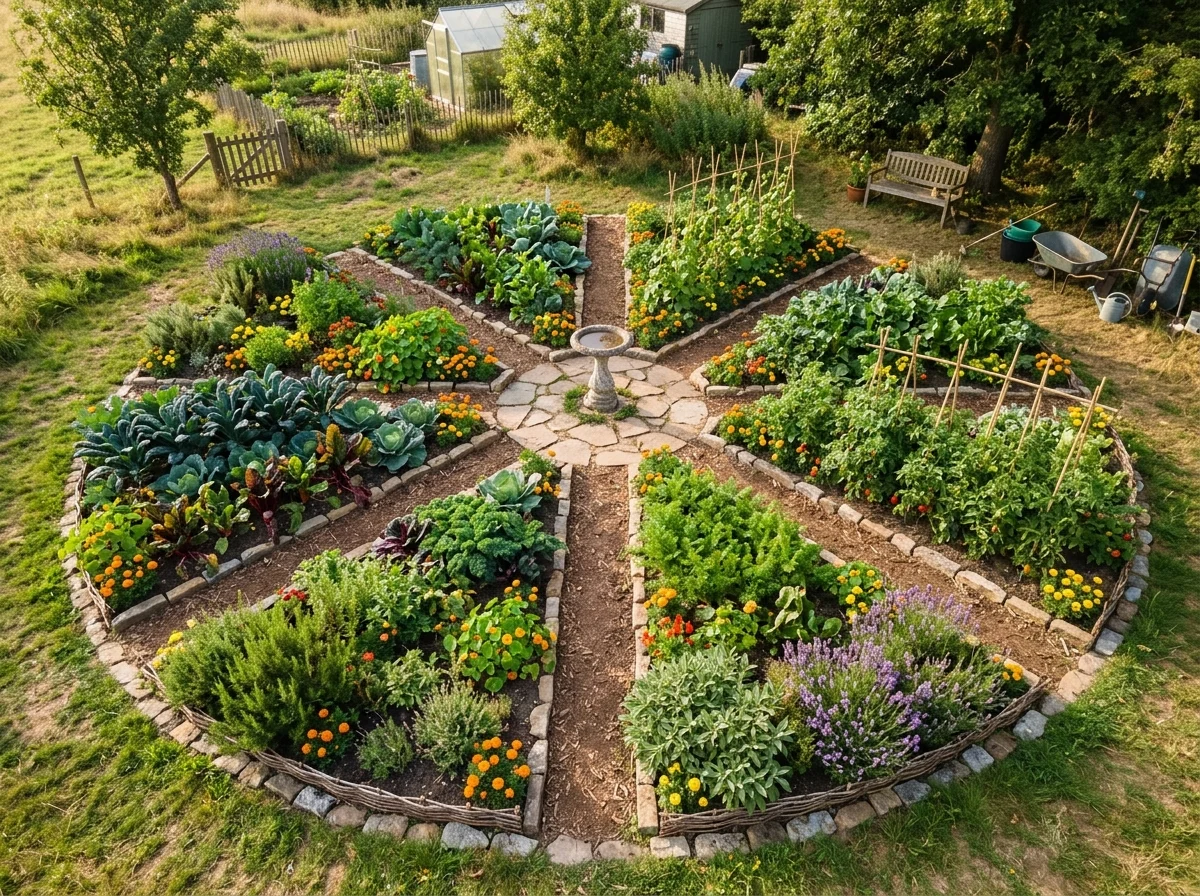
A mandala layout arranges curved beds in a wheel pattern radiating out from a central point, often a small tree, birdbath, or seating area, with narrow paths running between the spokes. The curved shape actually increases planting edge compared to a square bed of the same size, since edges are where light and air reach plants best. It works well as a garden centerpiece, since the radial design reads as a feature even from a distance.
10. Chinampa-Style Raised Wet Bed
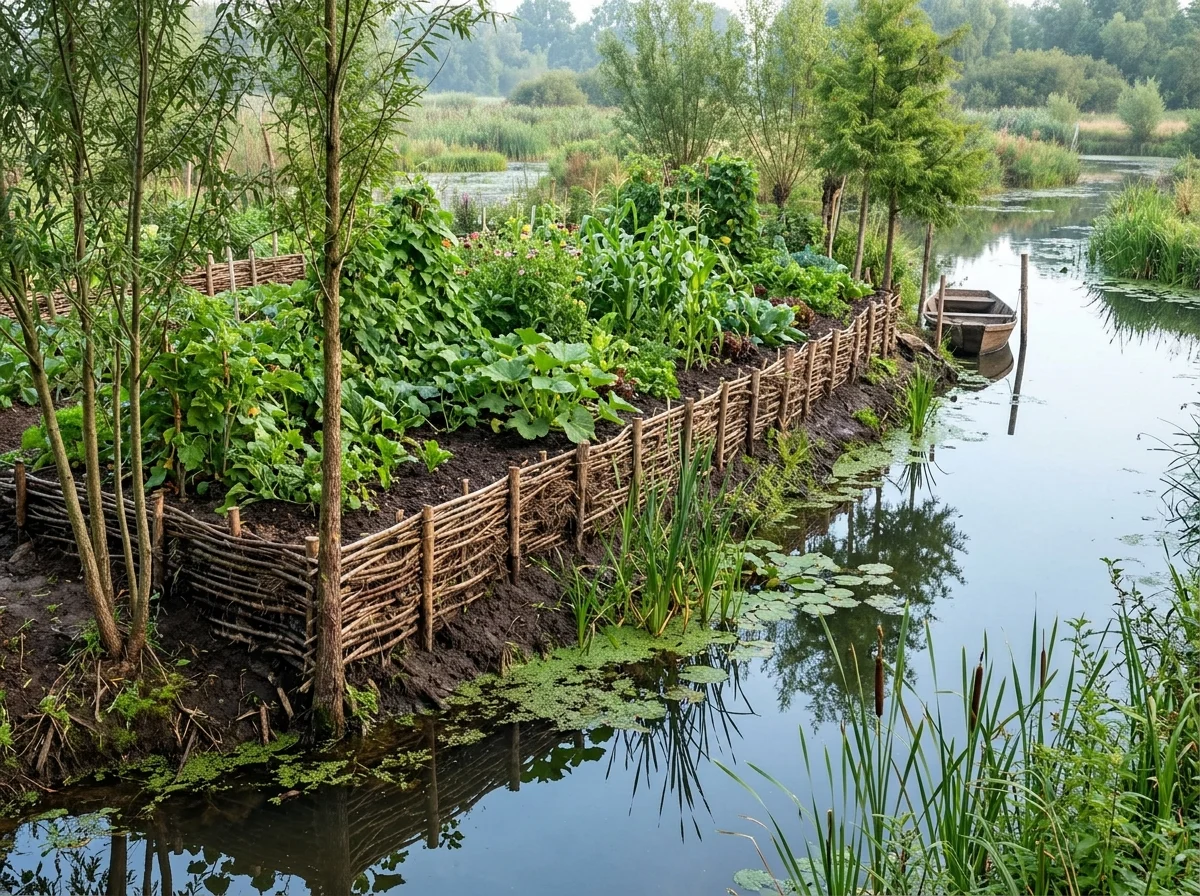
Chinampas are an old raised-bed method built from nutrient-rich mud and plant matter in low-lying, naturally wet ground, historically built at the edges of shallow lake water. A backyard version uses a raised bed built beside a rain garden or low spot that stays consistently damp, letting roots pull moisture from below without daily watering.
11. Food Forest Layers
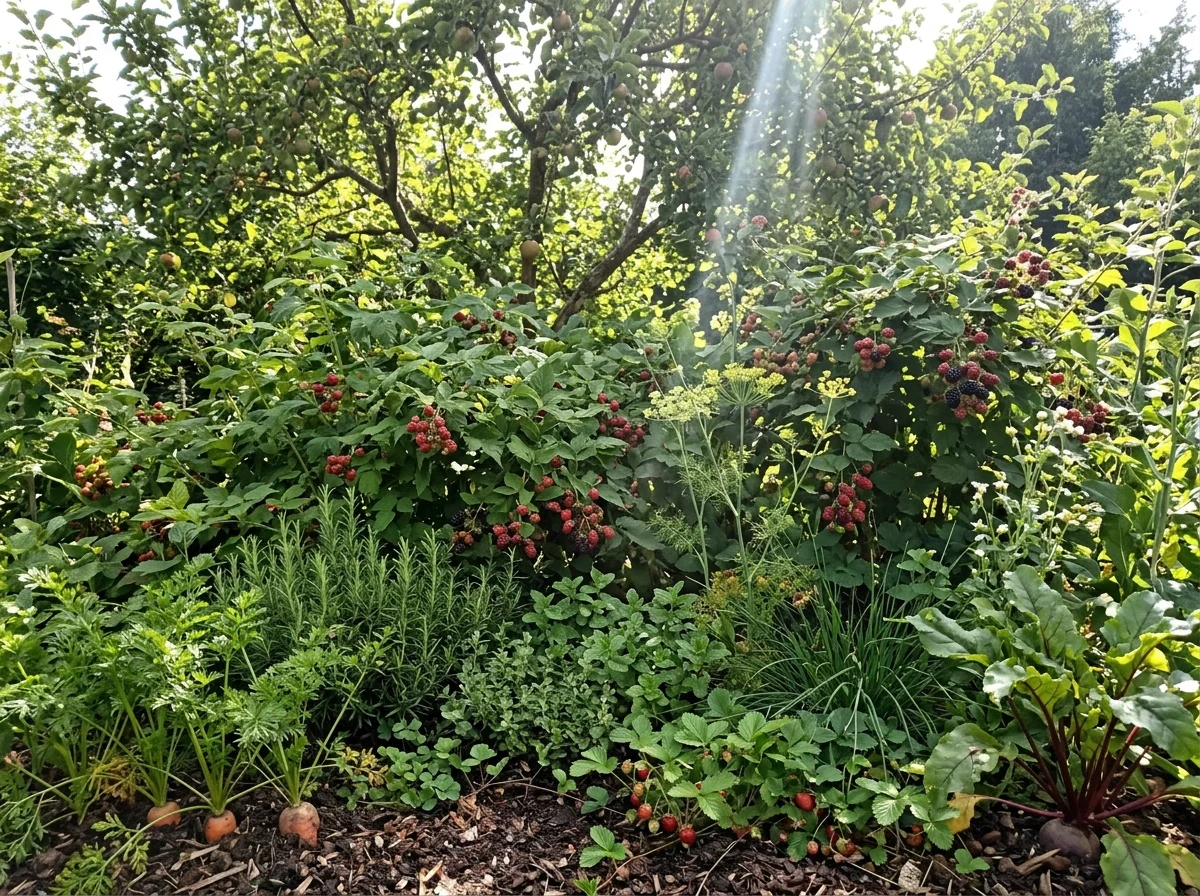
A food forest stacks plants in vertical layers the way a natural forest does: a canopy of fruit or nut trees, a layer of fruiting shrubs below, then herbs, ground covers, and root crops near the soil. Vegetables get tucked into sunny gaps between the layers rather than grown separately. It takes years to mature, but once established it needs minimal replanting each year.
12. Alley Cropping With Fruit Trees
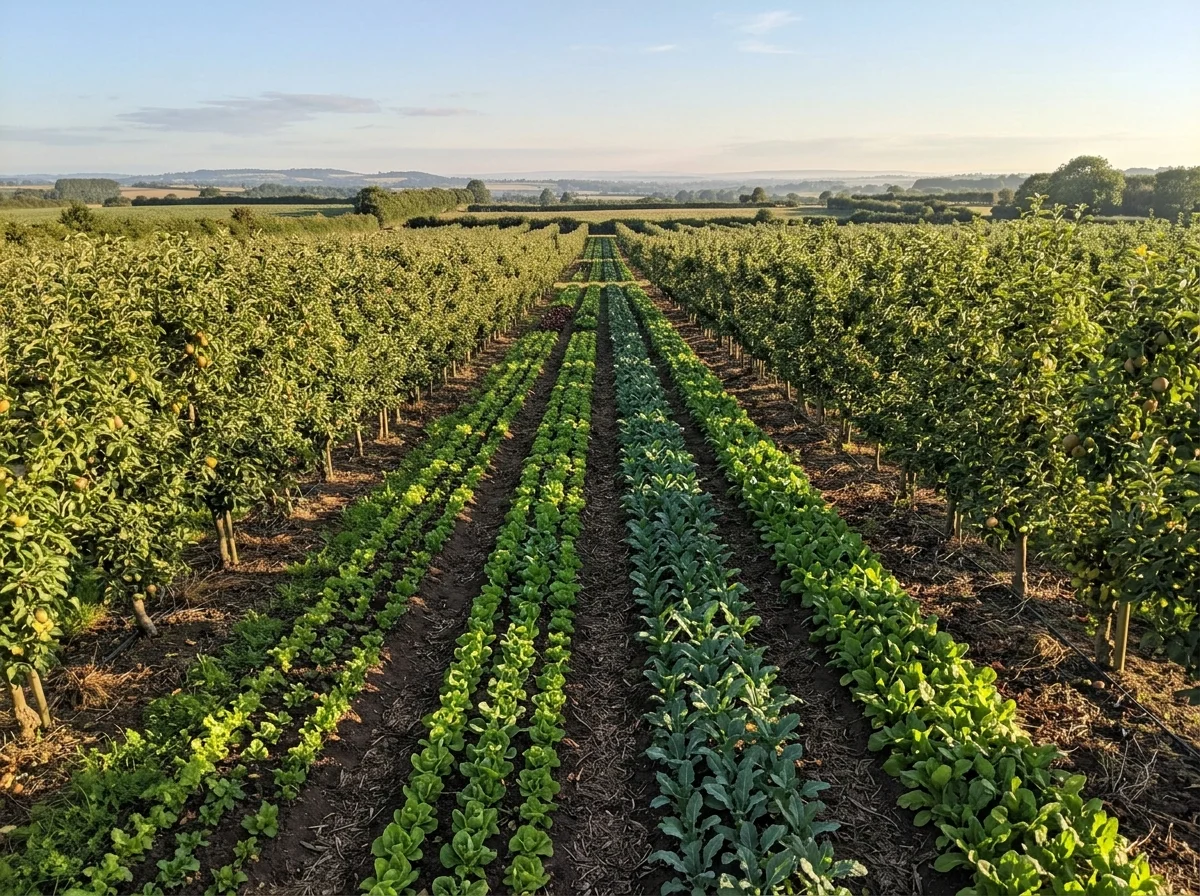
Alley cropping plants rows of fruit or nut trees with wide alleys, usually 12 to 20 feet, left between them for annual vegetable rows. The trees provide dappled shade that benefits cool-season crops like lettuce during hot months, while the open alleys still get enough sun for tomatoes early in the season before the canopy fills in.
13. Zone-Based Permaculture Mapping
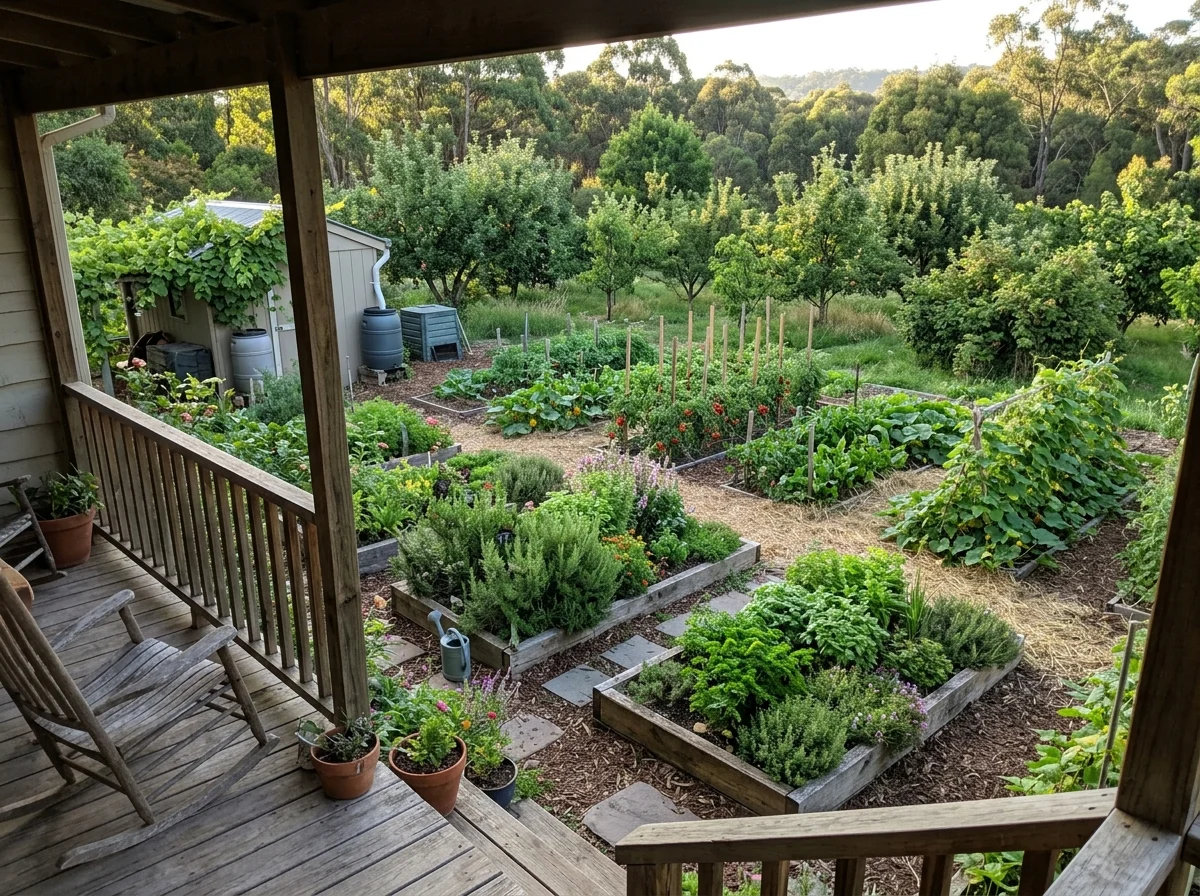
Permaculture zone planning organizes the property by how often each area needs attention. Zone 1 closest to the house holds herbs and greens you pick daily, Zone 2 further out holds vegetables needing regular care, and outer zones hold orchards or perennials that mostly take care of themselves. This cuts down on wasted steps, since the crops you visit most are placed where you’ll actually walk past them.
14. Ruth Stout Deep Mulch Beds
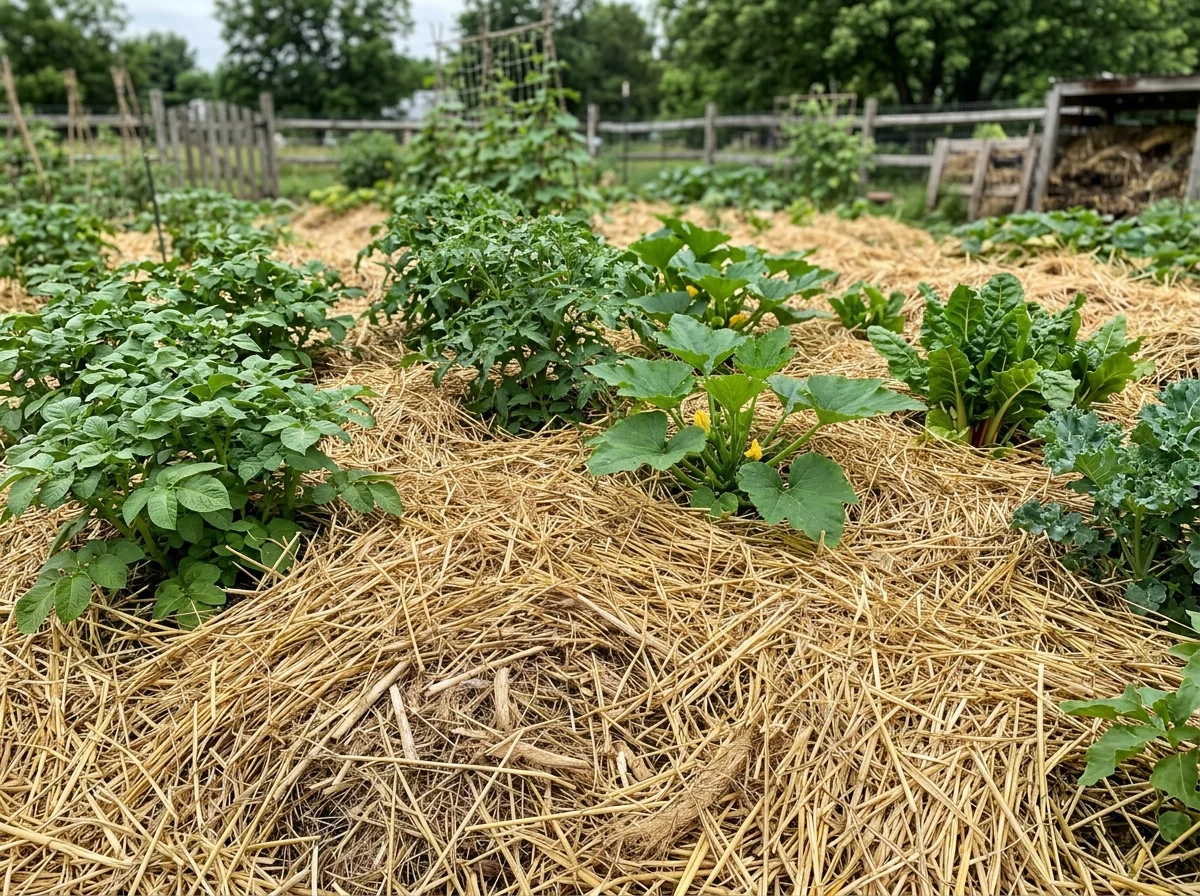
This layout skips tilling and traditional beds entirely, planting straight into a thick, permanent layer of loose hay or straw mulch, often 8 inches deep or more, that gets topped up each season rather than removed. Seeds and transplants go into small gaps pulled back in the mulch. Weeds struggle to push through the thick layer, and the mulch breaks down slowly into rich soil underneath.
15. Straw Bale Garden Rows
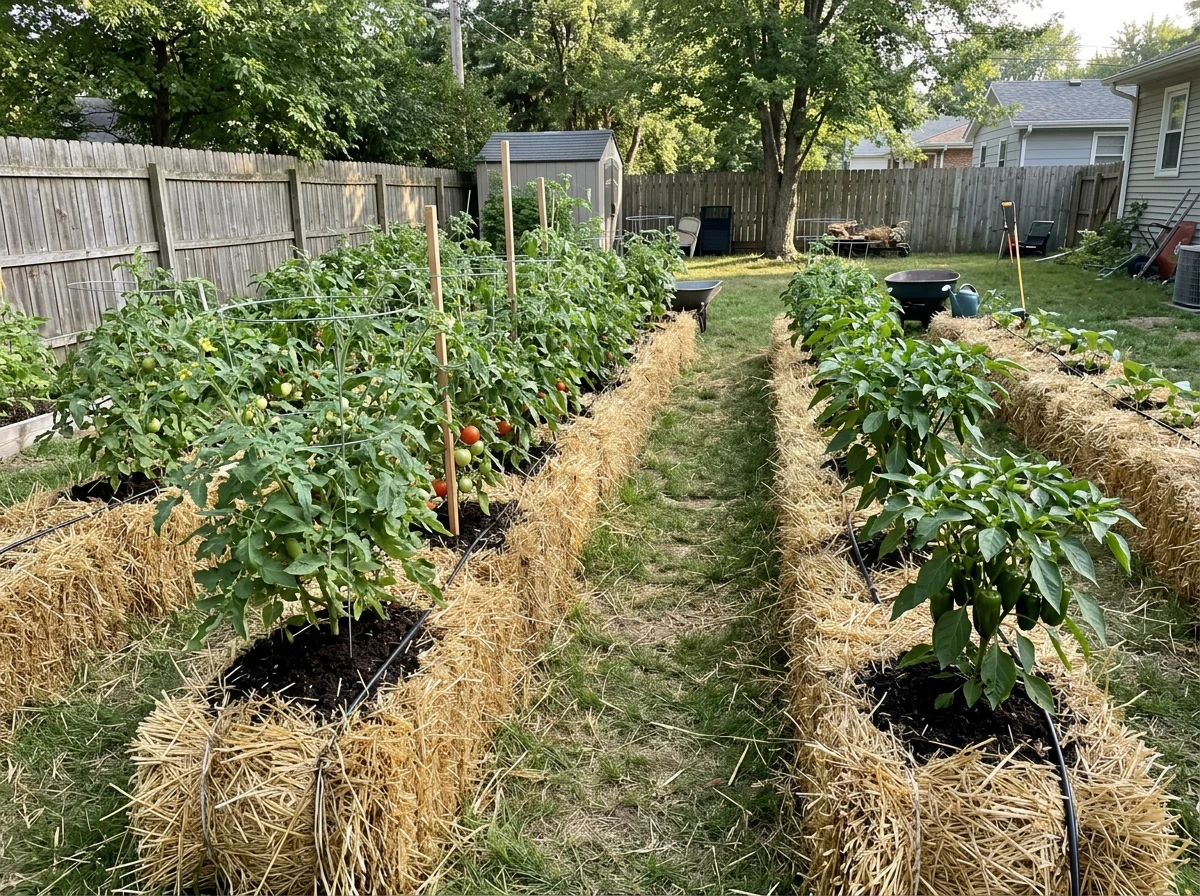
Straw bale gardening arranges whole bales in rows as both the growing container and the growing medium, after the bales are conditioned with a couple weeks of watering and fertilizer to start internal composting. Plants root directly into the decomposing straw. This works well on poor soil, patios, or gravel areas where no in-ground bed is possible, and the raised height means less bending at harvest.
16. Terraced Hillside Beds
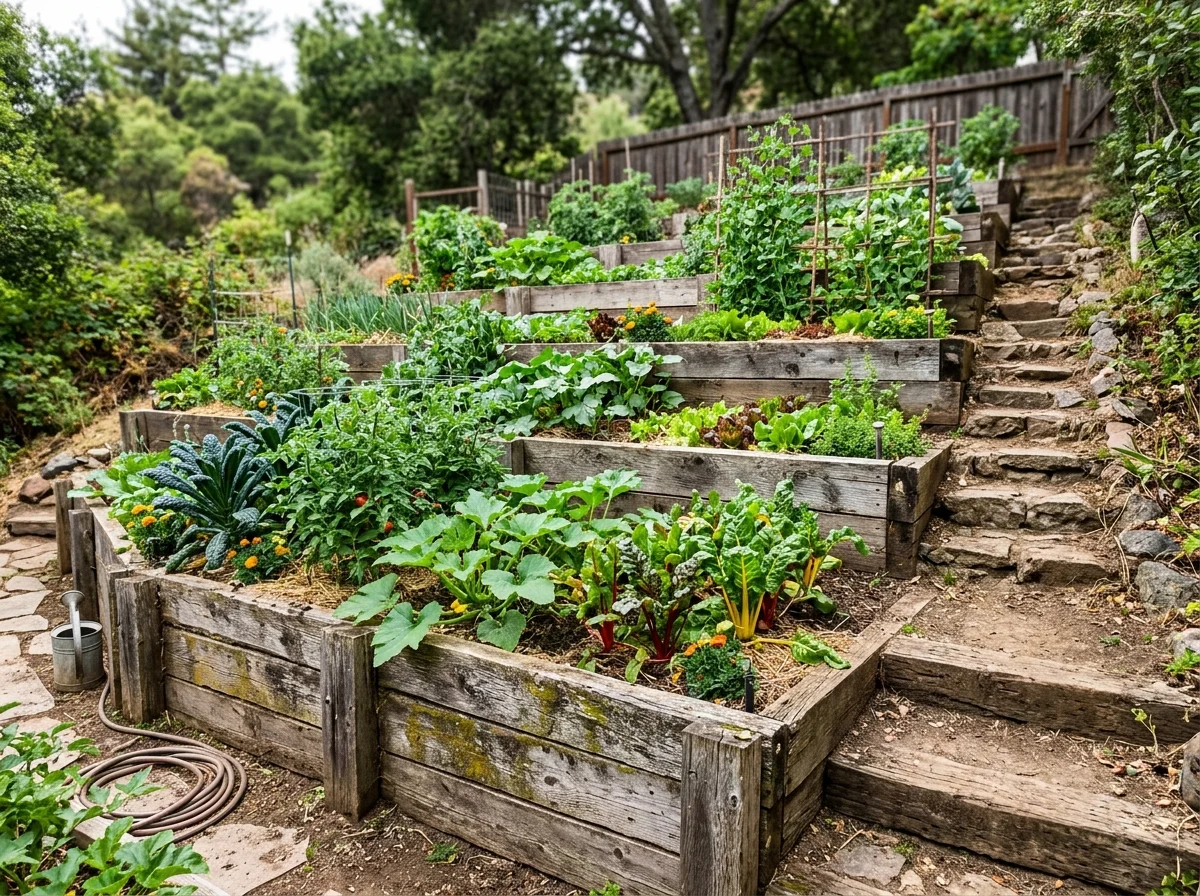
Terracing cuts a sloped yard into flat, stepped beds held by retaining walls of wood, stone, or block, turning unusable slope into flat growing space. Each terrace also slows water runoff, letting rain soak in rather than washing soil downhill. It takes real construction work upfront, but it’s often the only practical way to grow vegetables on a sloped yard.
17. Pond-Edge Kitchen Garden
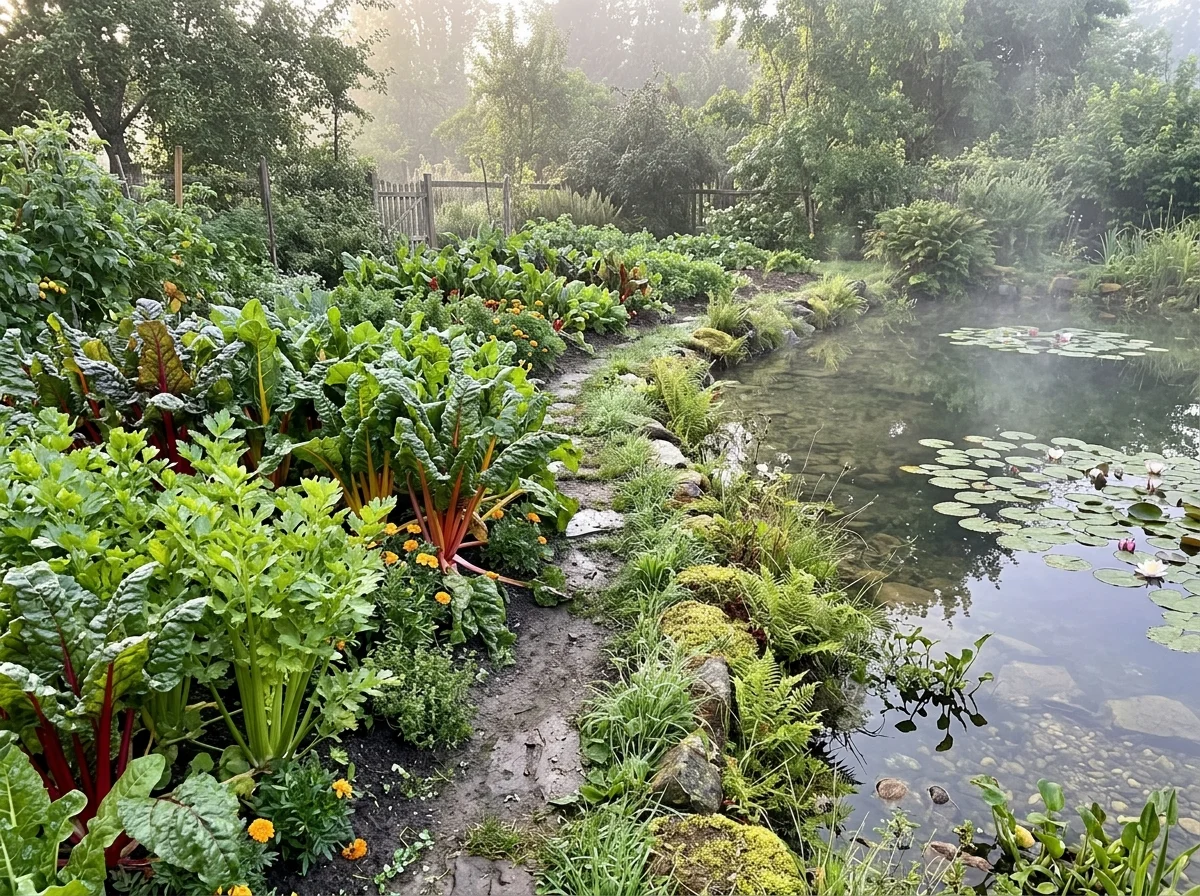
Beds arranged around the edge of a garden pond or water feature benefit from the humidity and slightly milder microclimate near open water, which can reduce watering needs and buffer plants against light frost. Choose moisture-tolerant crops like celery, chard, and mint for the beds closest to the water’s edge.
18. Living Fence Edible Hedge
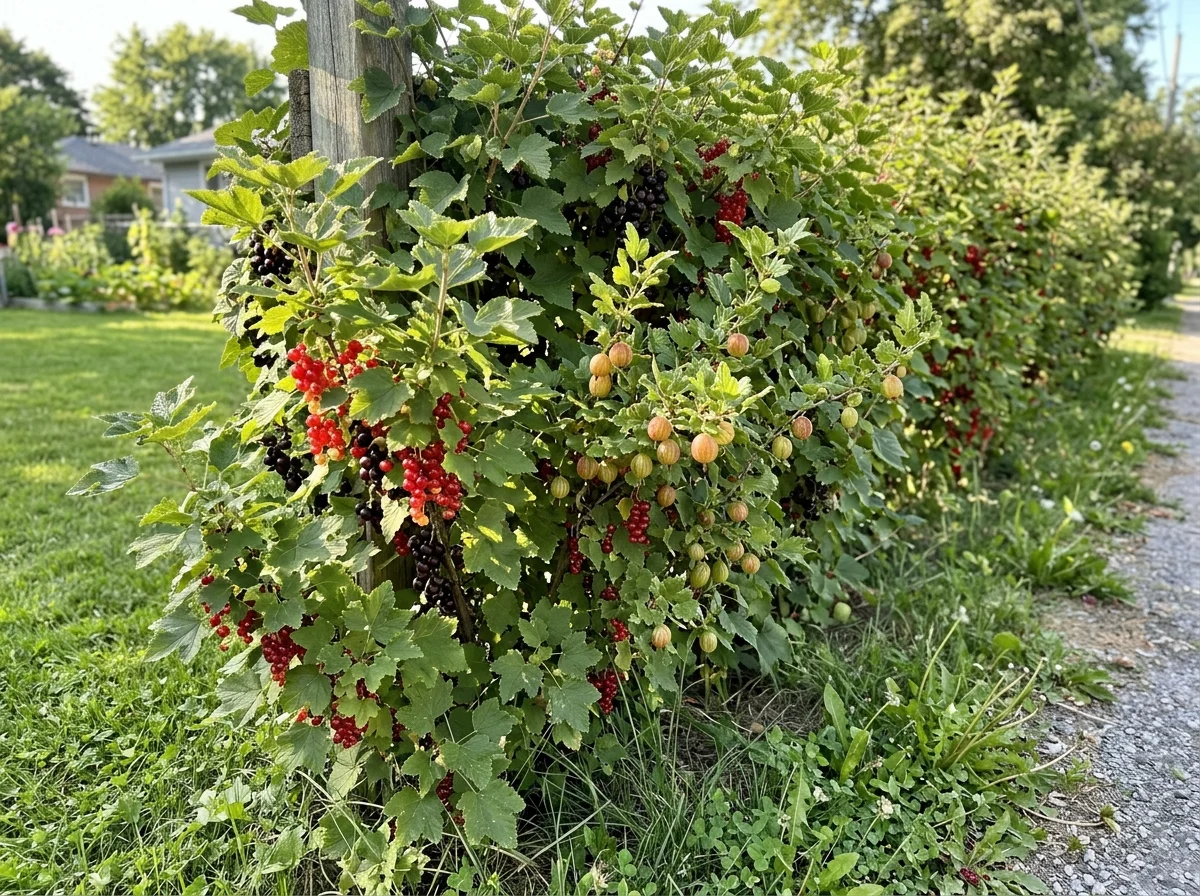
A living fence plants a dense row of edible perennials, such as currants, gooseberries, or espaliered fruit trees, along a property line or garden boundary instead of installing a wood or wire fence. It does double duty, marking a boundary while producing fruit year after year, and it screens the garden without blocking light the way a solid fence does.
19. Polyculture Scatter Patch
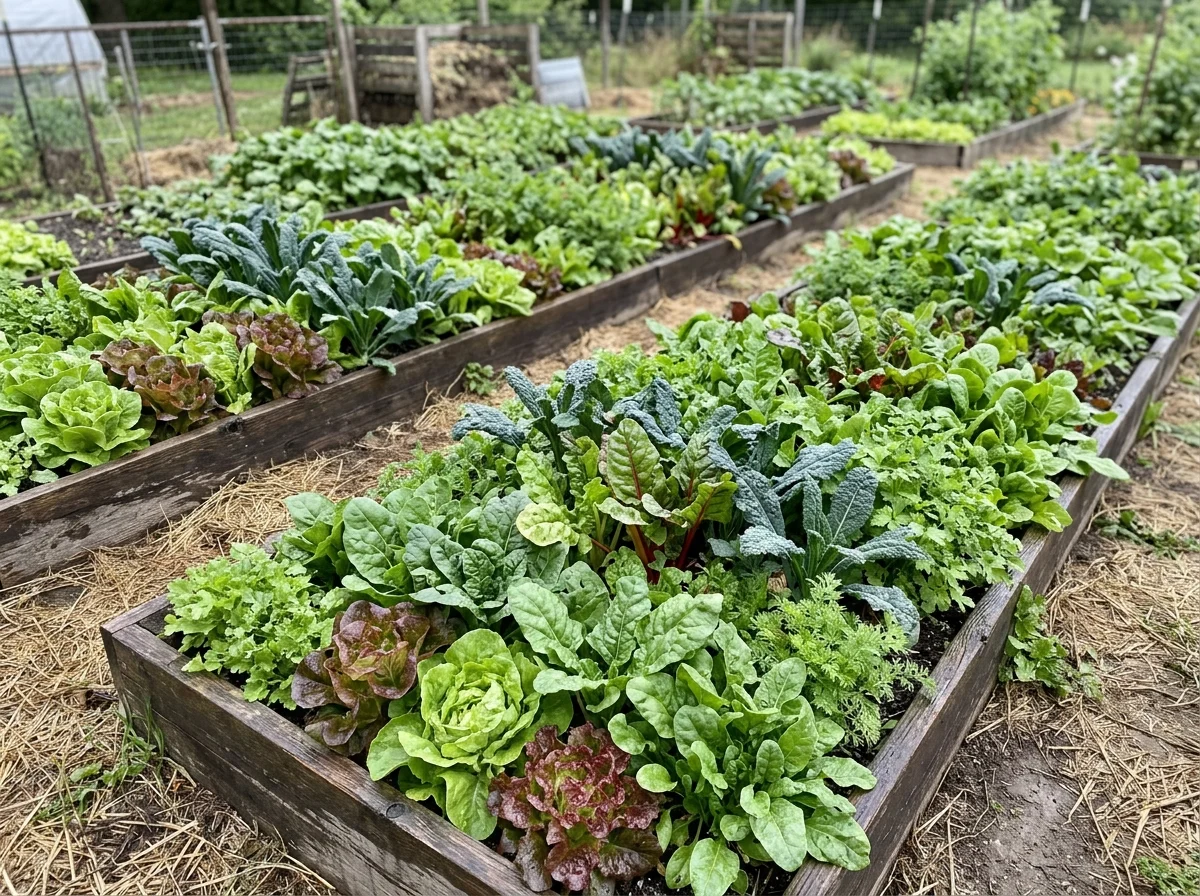
Rather than assigning each crop its own row or bed, a polyculture patch scatters many different vegetables, herbs, and flowers through the same space based on their height and light needs, similar to how a wildflower meadow self-organizes. This confuses pests that hunt by scent or sight for a single crop, and it keeps something producing across a longer stretch of the season.
20. Sunken Waffle Garden Beds
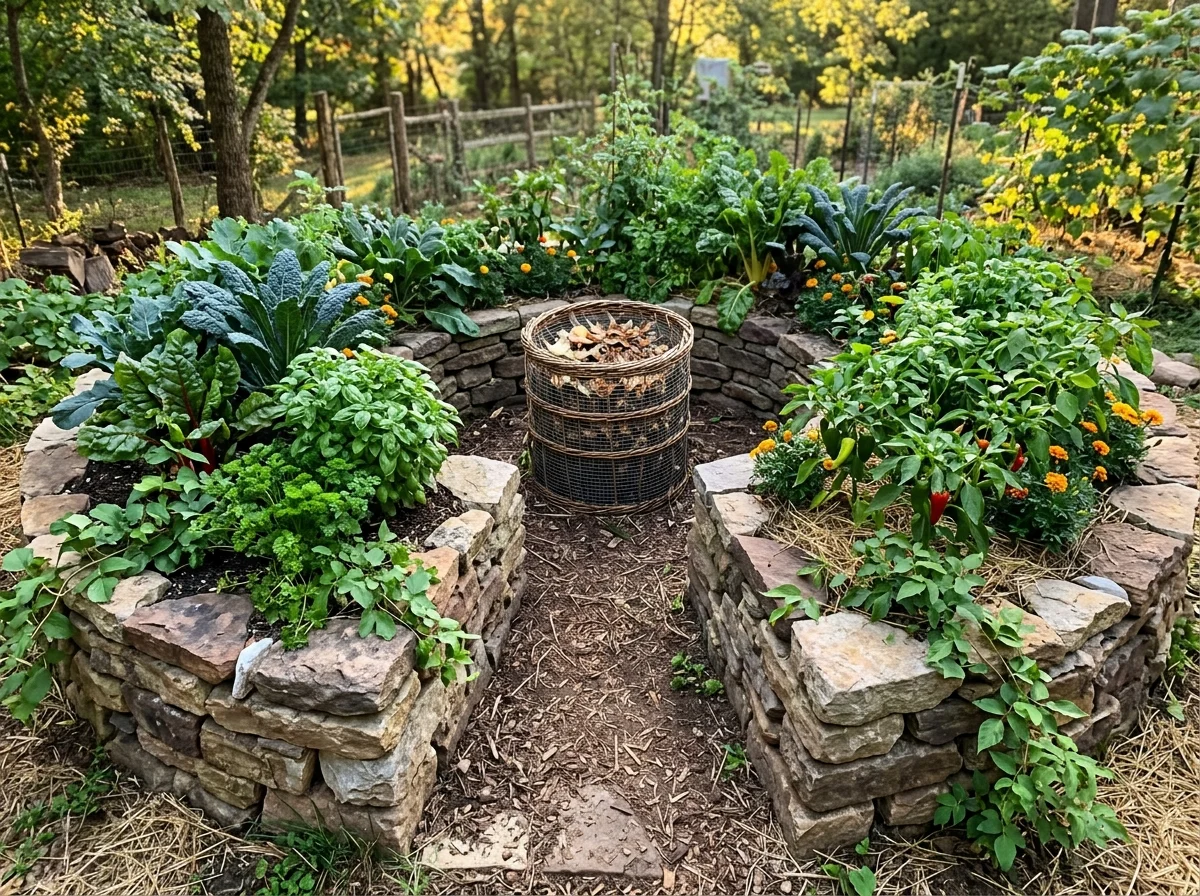
Waffle gardens, adapted from an old desert farming technique, sink planting squares slightly below the surrounding soil, with small raised borders separating each square like the ridges of a waffle. The sunken shape traps water instead of letting it run off, which matters most in hot, dry climates. Each square typically holds one plant, making this strong for growing squash, melons, or corn in arid regions.
21. Trench Composting Row System
This digs a shallow trench, roughly a foot deep, down the center of a planting row and fills it with kitchen scraps and yard waste before covering it back over. Crops are then planted along both sides of the buried trench, drawing on the nutrients as the buried scraps break down underground. It’s a practical way to compost without a separate bin, and heavy feeders like squash respond well planted directly over a trench.
22. Crescent-Shaped Border Bed
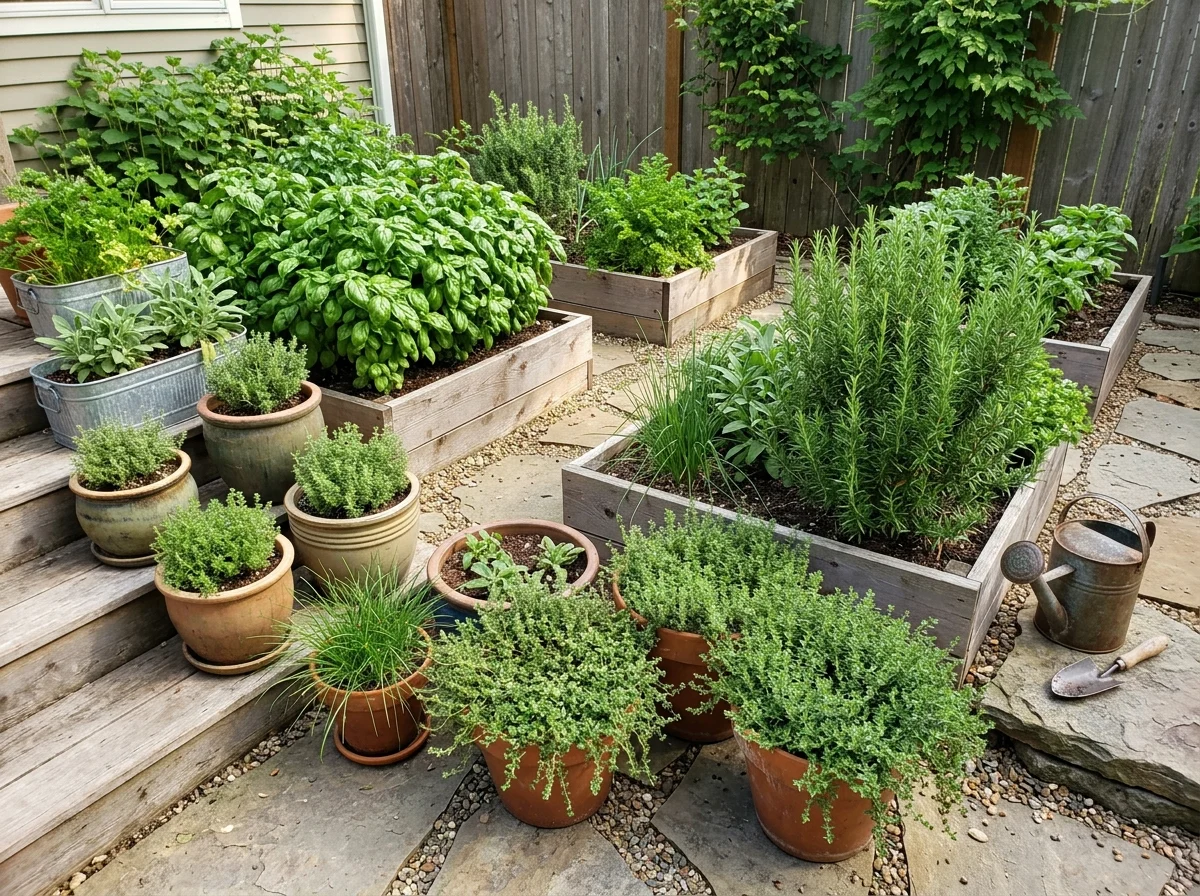
A crescent bed curves along a fence line, driveway, or the edge of a lawn instead of running in a straight strip, softening the hard lines of a property boundary while still functioning as a productive vegetable bed. The curve also creates a wider middle section and narrower ends, good for trellised beans in the middle and low herbs at the tapered edges.
23. Checkerboard Bed Pattern
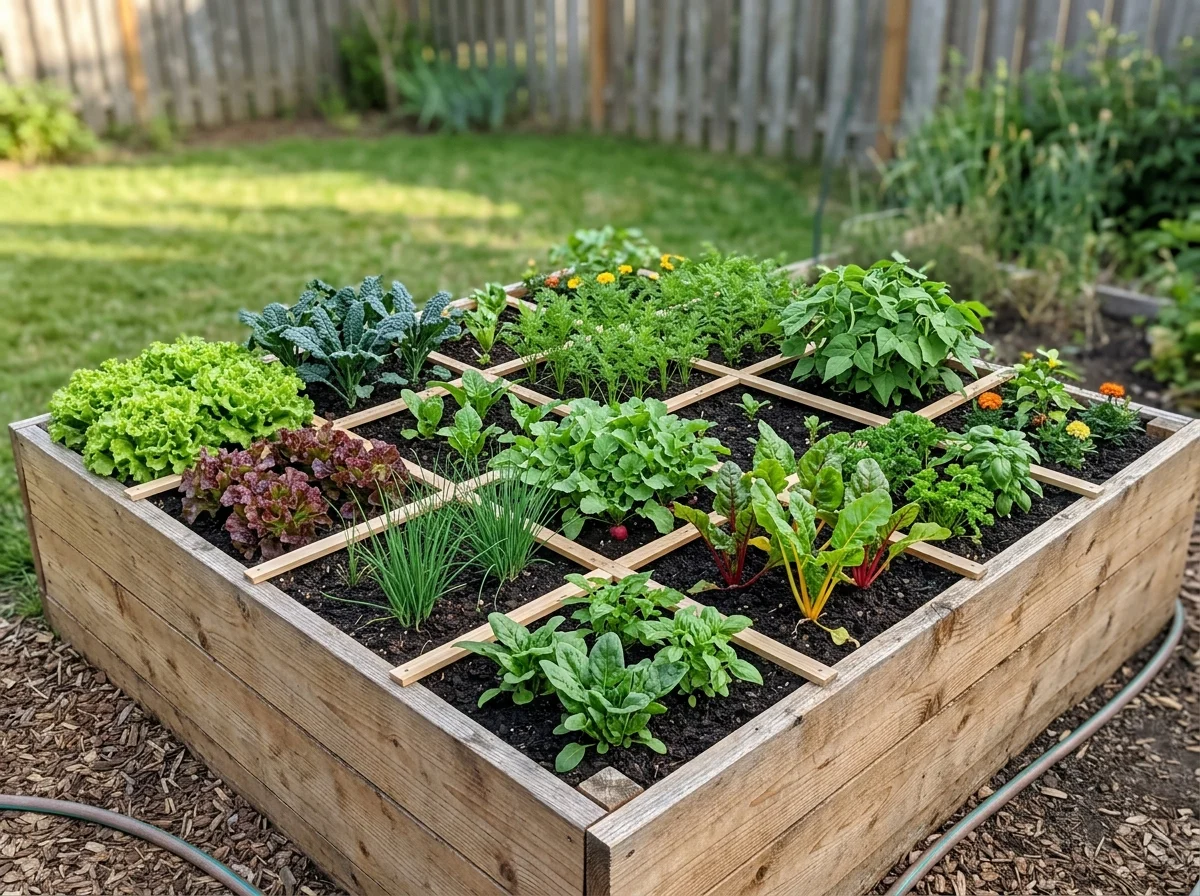
A checkerboard layout alternates small planted squares with small path or gravel squares across the whole garden, rather than dividing one bed into a grid. From above, the whole garden reads as an alternating pattern of green and hardscape. This gives easy access to every plant from at least two sides, and the path squares can be filled with mulch, gravel, or stepping pavers.
24. Dooryard Kitchen Garden
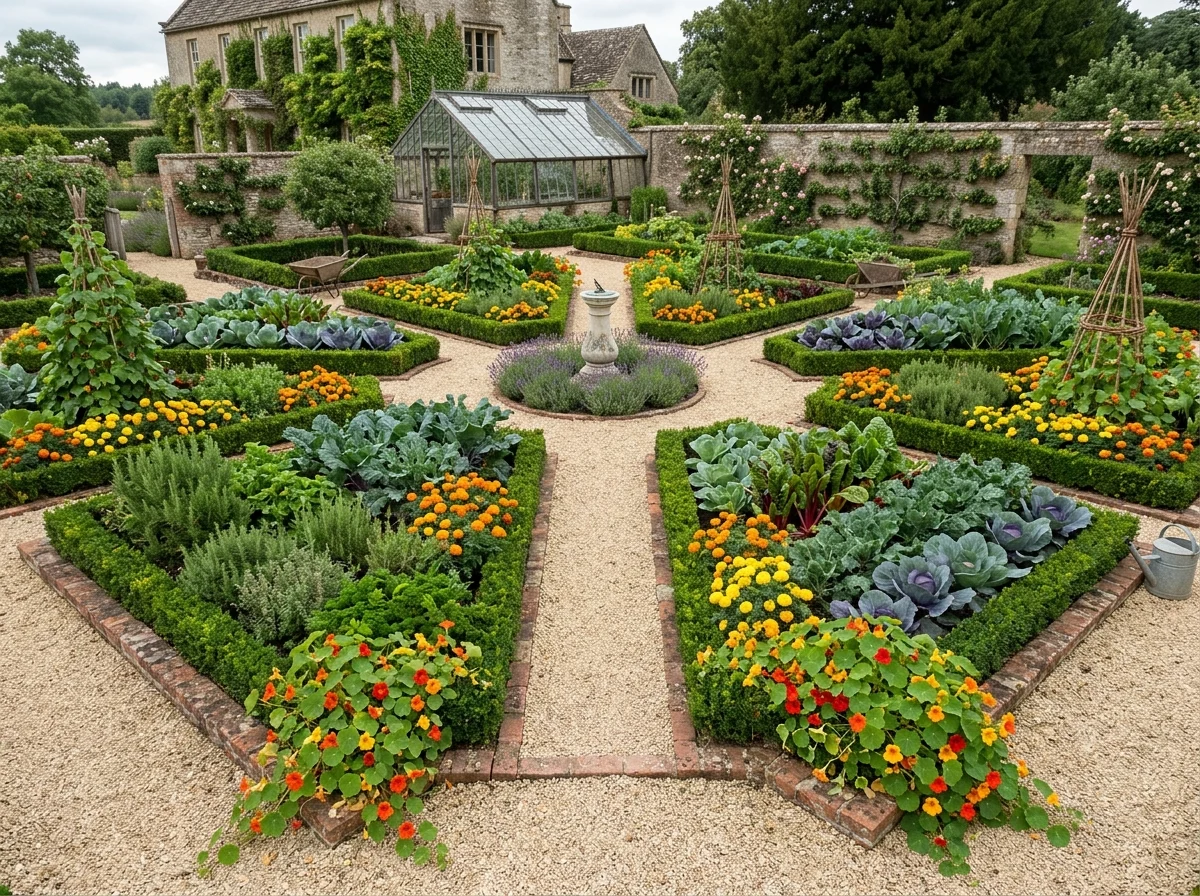
A dooryard garden is a small, densely planted bed placed right outside the kitchen door, holding the herbs and quick-harvest vegetables you reach for most while cooking, basil, chives, cherry tomatoes, and salad greens. Keeping it close means it actually gets used daily instead of becoming a once-a-week trip to a garden further out.
25. A-Frame Tunnel Growing Row
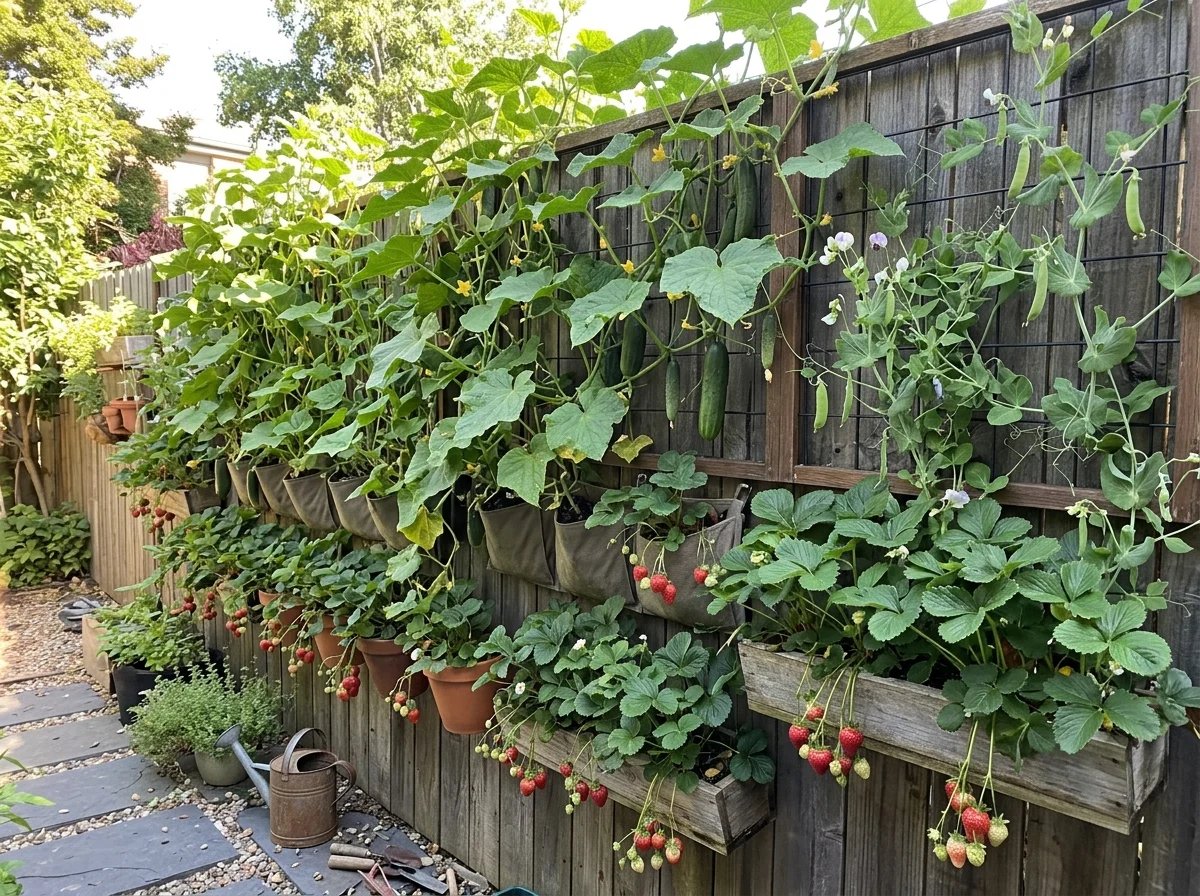
An A-frame tunnel uses two panels of trellis or cattle panel leaned together into a peaked tent shape over a single row, giving climbing crops like cucumbers, pole beans, and small melons a structure to grow up and over. The shaded tunnel underneath stays cooler in summer, making it a good spot for lettuce or spinach planted beneath the climbing crops above.
Conclusion
None of these layouts is the single right answer, and most productive gardens end up borrowing from two or three of them rather than following just one. A sloped yard might combine terracing with a food forest planted on the lower terrace, while a small urban lot might pair a spiral herb bed with a dooryard garden by the back steps. Pick a layout based on your actual constraints, slope, soil, sun, and how much time you have for upkeep, rather than which one looks best online. Mixing approaches across different parts of the yard often produces both a better harvest and a more interesting garden to walk through.
Frequently Asked Questions
What is the best layout for a small vegetable garden?
A spiral bed, dooryard garden, or checkerboard pattern all work well in small spaces because they pack a variety of crops into a compact footprint without wasting ground on wide paths. Spiral beds add vertical growing space too, which matters most when square footage is limited.
Do unusual layouts like hugelkultur or waffle gardens actually work?
Yes, both are established growing methods with a long track record, hugelkultur mounds have been used in parts of Europe for generations, and waffle gardens come from centuries of desert farming in the American Southwest. They work by solving a specific soil or water problem rather than being a novelty, so match the method to your local conditions.
How much space does a permaculture guild or food forest layout need?
A single guild can fit in a 10 by 10 foot area built around one fruit tree, while a full food forest layout generally needs a larger yard to fit multiple tree canopies with room between them. You can start small with one guild and expand it as the central trees mature.
Which layout is easiest to build in a weekend?
A no-dig layered bed or a straw bale row are both fast to set up, since neither requires digging, retaining walls, or a water reservoir. A no-dig bed can be built in an afternoon by layering cardboard and compost over grass, and straw bales just need positioning and a couple weeks of conditioning.
Can these layout ideas be combined in one garden?
Yes, and combining them is often the most practical approach, since different parts of a yard usually have different sun, slope, and soil conditions anyway. A shady side yard might suit a food forest layer while a sunny back corner works better as a biointensive bed. Treat each idea as a tool for one area’s problem, not a whole-garden template.
Do I need special materials for layouts like wicking beds or chinampas?
A wicking bed needs a lined container, a gravel drainage layer, and an overflow outlet, all available from a hardware store. A backyard chinampa-style bed is simpler, it just needs a raised frame placed beside a consistently damp low spot or rain garden.