25 Gardening Hacks to Save Time and Money
Between the seed packets, the pots, the fertilizer, and the tools that always seem to break at the worst moment, gardening can quietly eat through a budget if you let it. I’ve noticed that most of what a garden actually needs is already sitting in the kitchen, the recycling bin, or the garage, it just takes a shift in thinking to see a milk jug as a cloche or a coffee filter as a pot liner. These gardening hacks are the shortcuts experienced growers pass along once they’ve stopped buying things they didn’t need in the first place. Some save real money by replacing store-bought products with free alternatives, others save time by cutting a repeated chore down to a few minutes. None require special skills or expensive equipment. What follows are 25 practical tricks covering seed starting, watering, pest control, and soil building, the kind of small changes that add up to a garden that costs less and takes less of your weekend.
1. Eggshell Seed-Starting Pots
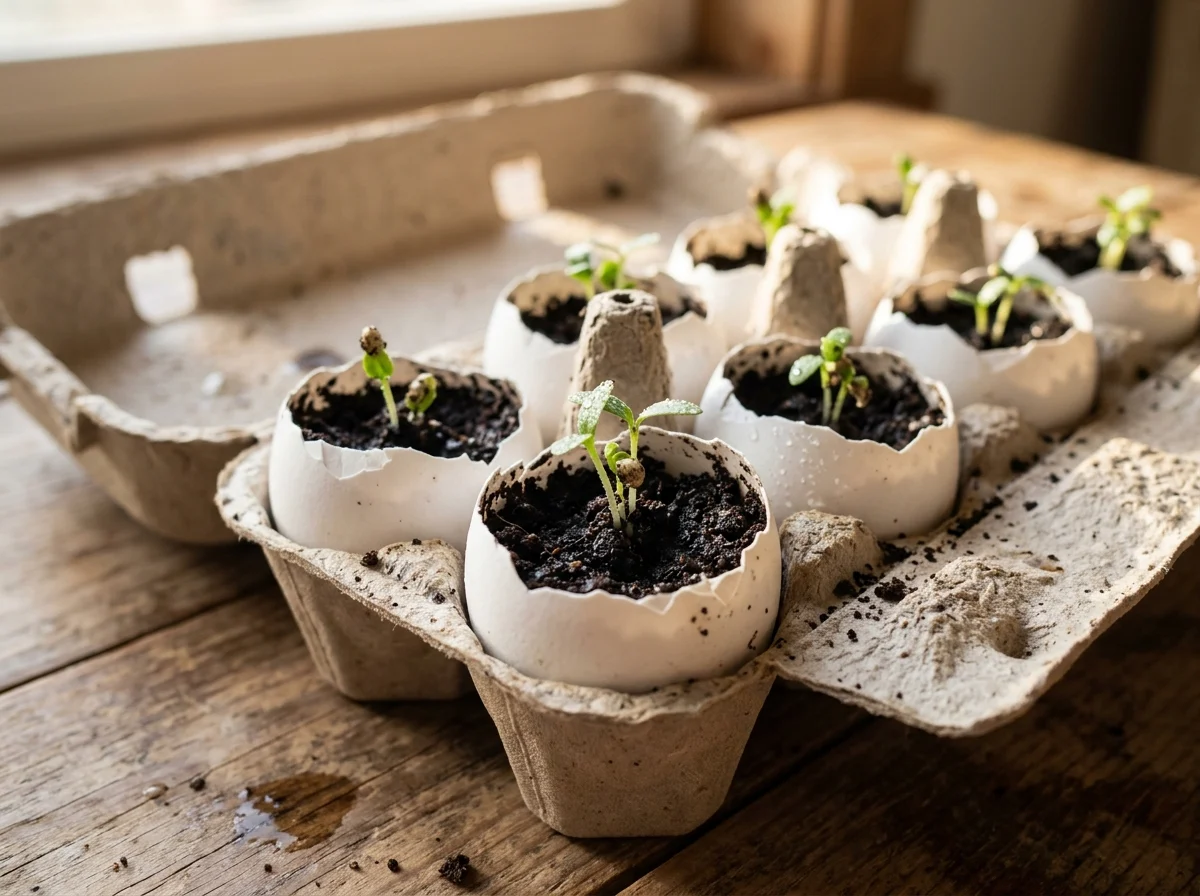
Rinsed eggshell halves make free, biodegradable starter pots for seeds, and the calcium in the shell slowly feeds the soil as it breaks down after planting. Poke a small drainage hole in the bottom of each shell, fill with seed-starting mix, and set them in an egg carton to keep them upright. When seedlings are ready to go outside, crack the shell slightly and plant the whole thing directly in the ground, roots and all.
2. Toilet Paper Roll Seedling Tubes
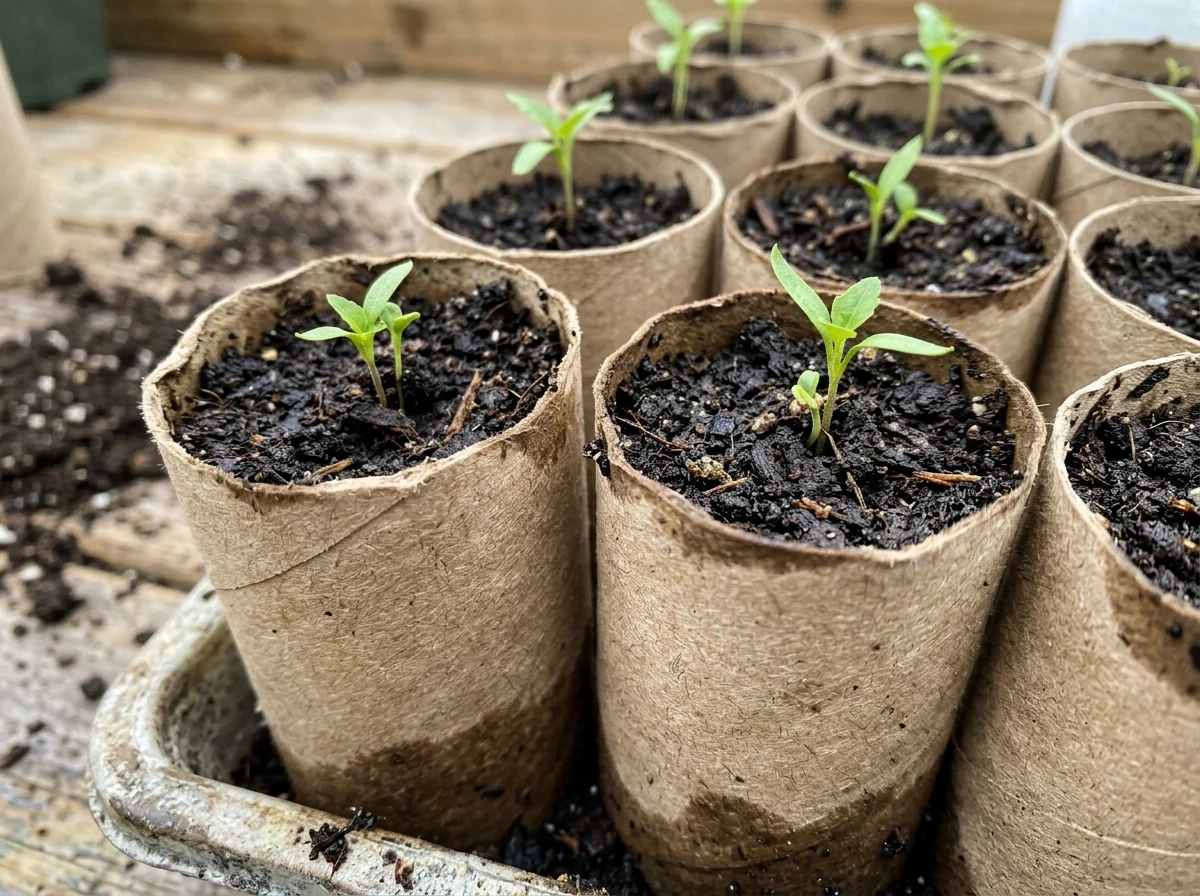
Cardboard toilet paper rolls cut in half and stood upright make sturdy, free seedling tubes that go straight into the garden without disturbing fragile roots. Fold the bottom edges inward to close the base before filling with soil. The cardboard breaks down within a few weeks underground, so there is nothing to remove or throw away at transplant time.
3. Milk Jug Mini Greenhouse Cloches
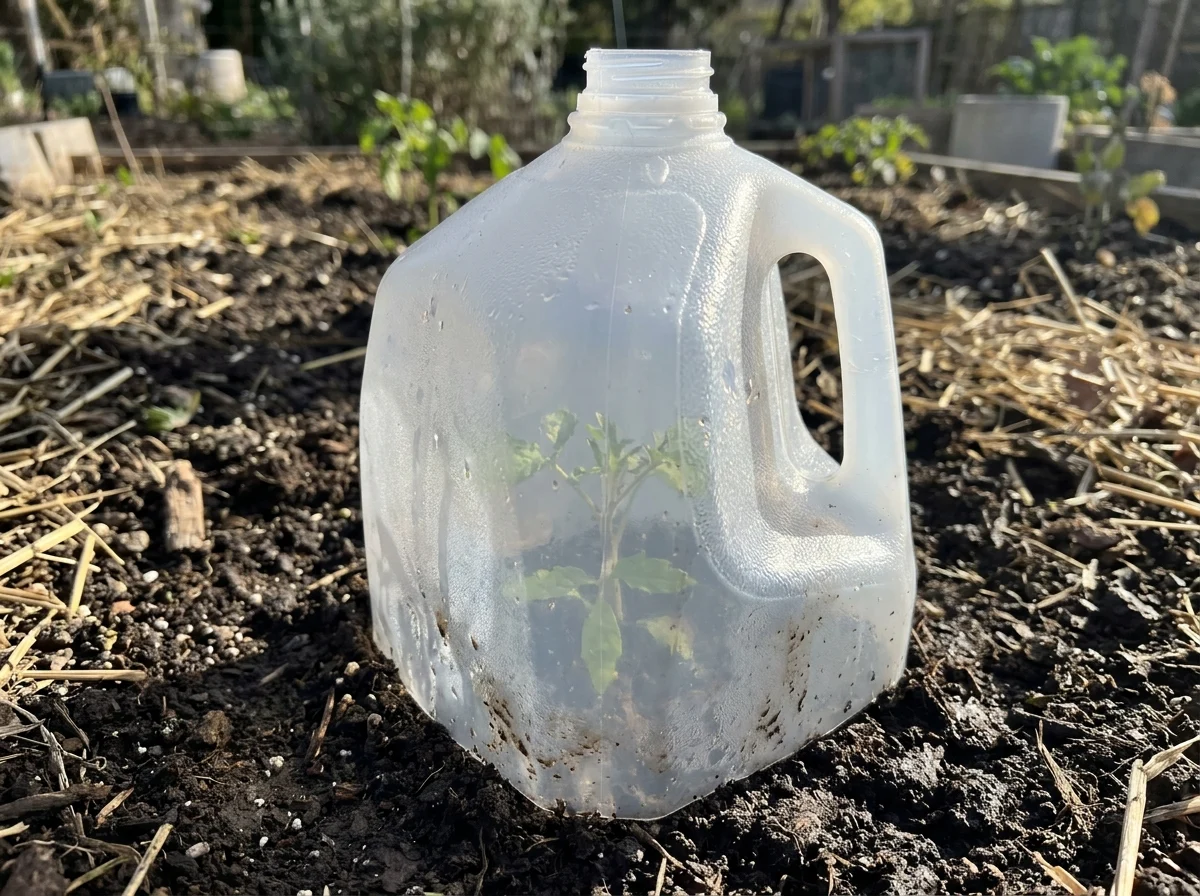
Cutting the bottom off a plastic milk jug and placing it over young seedlings creates an instant cloche that traps warmth and blocks wind on cold spring nights. Leave the cap off during the day so heat can escape and the plant does not cook in direct sun. This trick lets you set transplants out a couple of weeks earlier than you otherwise could, without spending money on commercial row covers.
4. Plastic Bottle Drip Irrigation
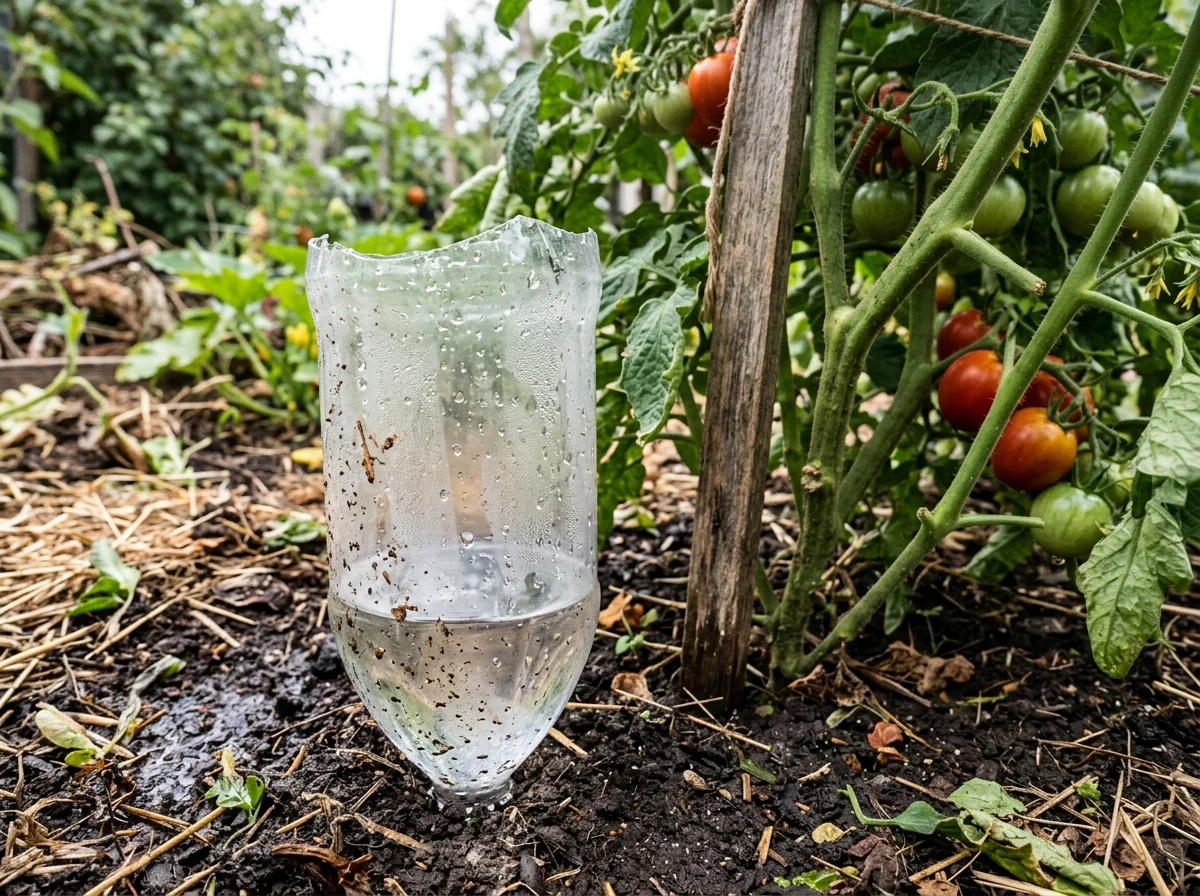
A plastic bottle with a few small holes poked in the cap, buried neck-down next to a thirsty plant like a tomato or squash, delivers water slowly to the roots and cuts down on waste and watering trips. Fill the bottle and it drains over several hours instead of running off the surface. This works well during hot summer stretches or for anyone who cannot water daily.
5. Coffee Grounds Soil Amendment
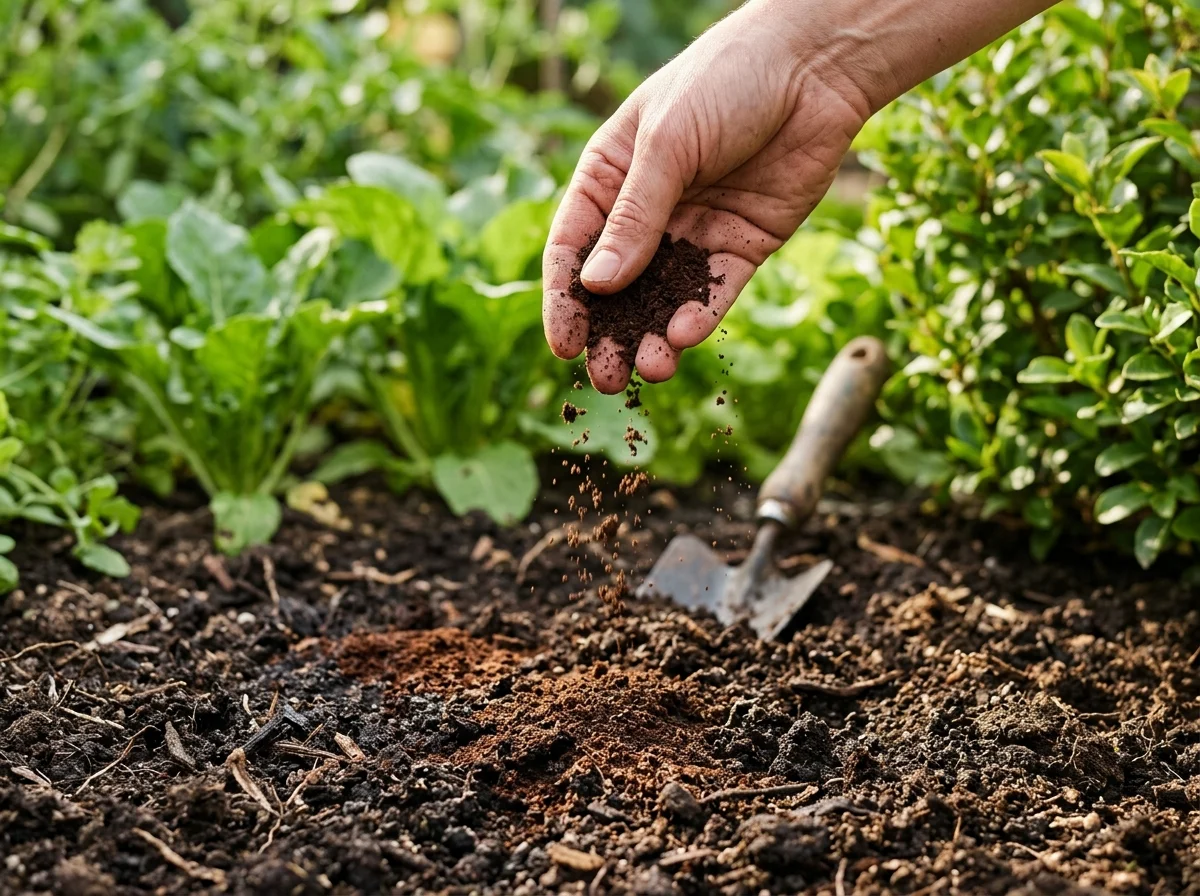
Used coffee grounds add organic matter and a small amount of nitrogen to garden soil, and most coffee shops give away spent grounds for free if you ask. Work a thin layer into the top few inches of soil rather than piling it thick, since a heavy layer can mat down and block water. This works well around acid-loving plants like blueberries and azaleas.
6. Banana Peel Potassium Soak
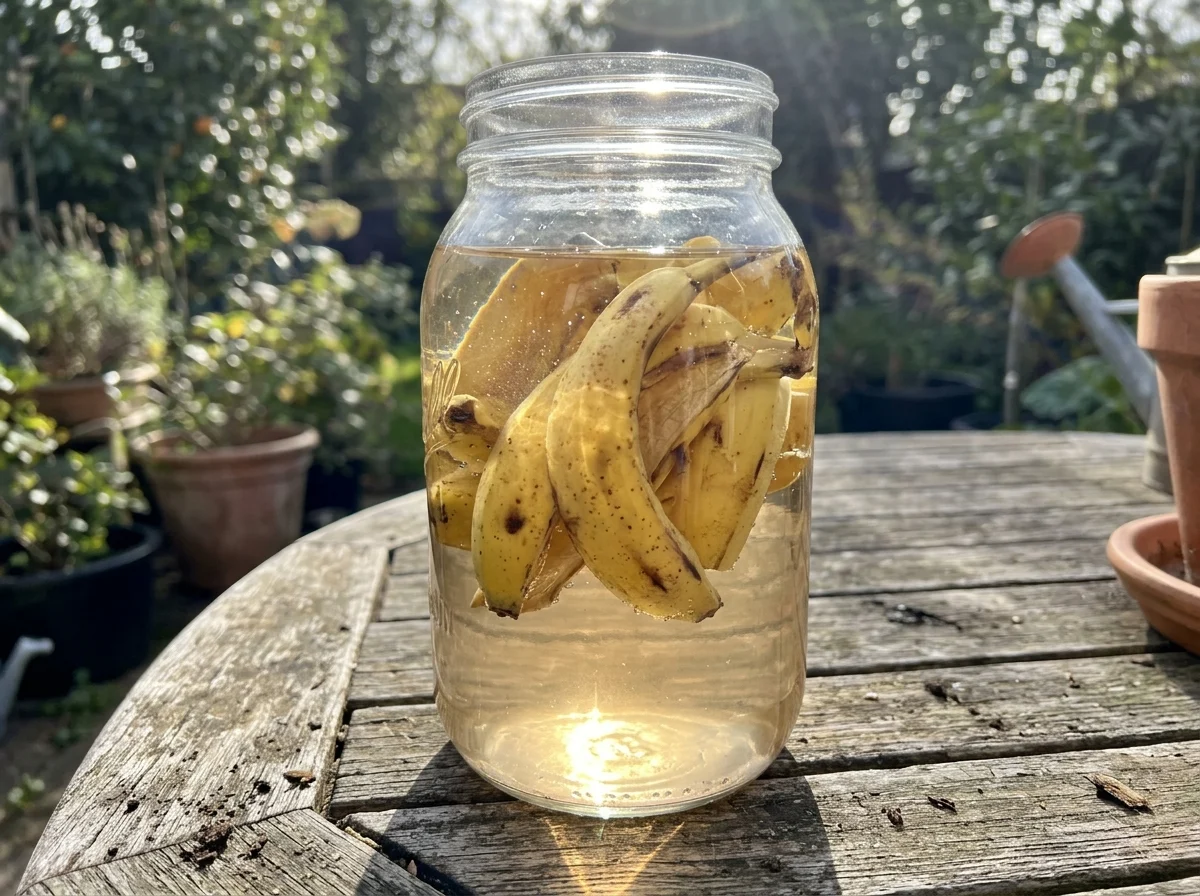
Soaking banana peels in a jar of water for two or three days makes a free potassium-rich liquid feed that supports flowering and fruiting in tomatoes, peppers, and roses. Strain out the peels and pour the liquid at the base of the plant. This is a good use for peels you would otherwise throw away, and it avoids buying a separate potassium supplement.
7. Cardboard Sheet Mulch Weed Barrier
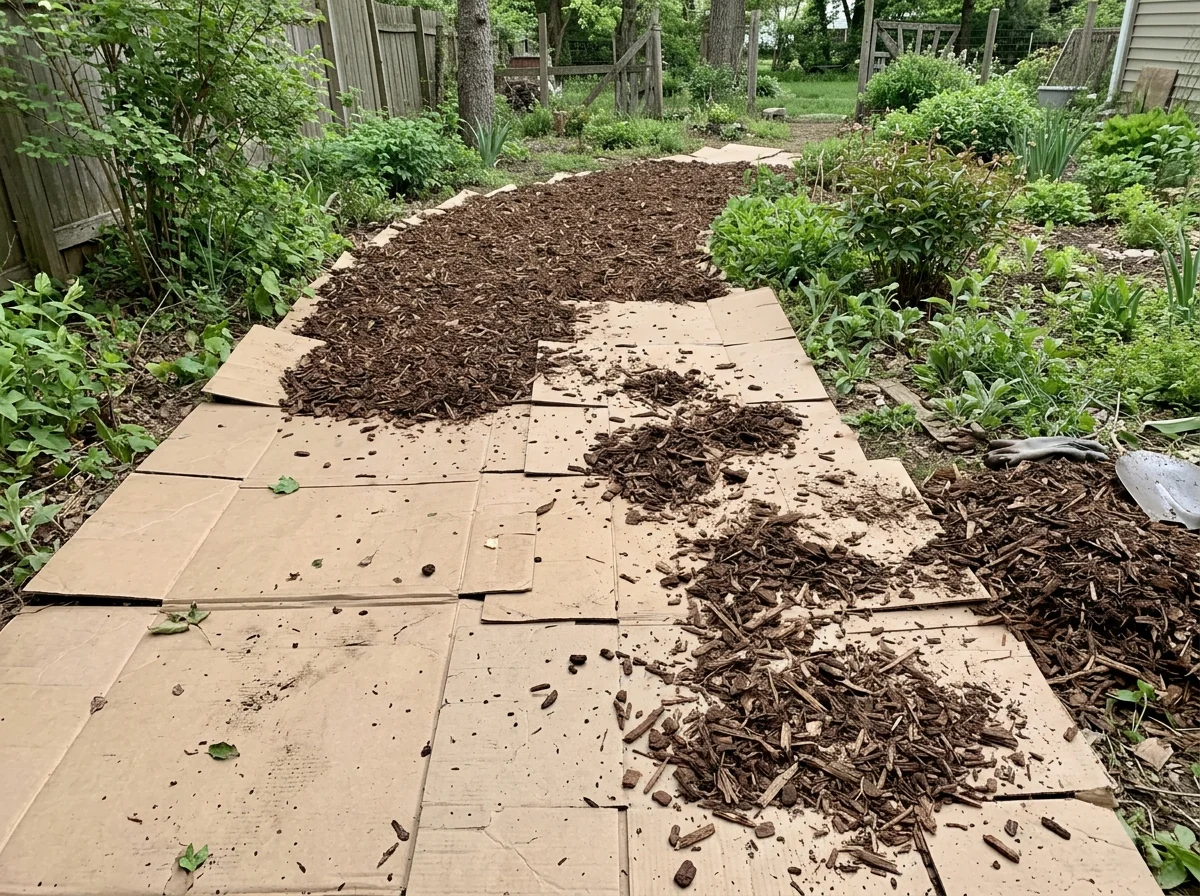
Flattened cardboard boxes laid down and covered with mulch or compost block sunlight from reaching weed seeds, cutting weeding time dramatically over a season. Remove any tape or glossy labels first, since those do not break down. The cardboard itself decomposes within a few months and feeds the soil, so nothing needs to be pulled up later.
8. Newspaper Biodegradable Pots
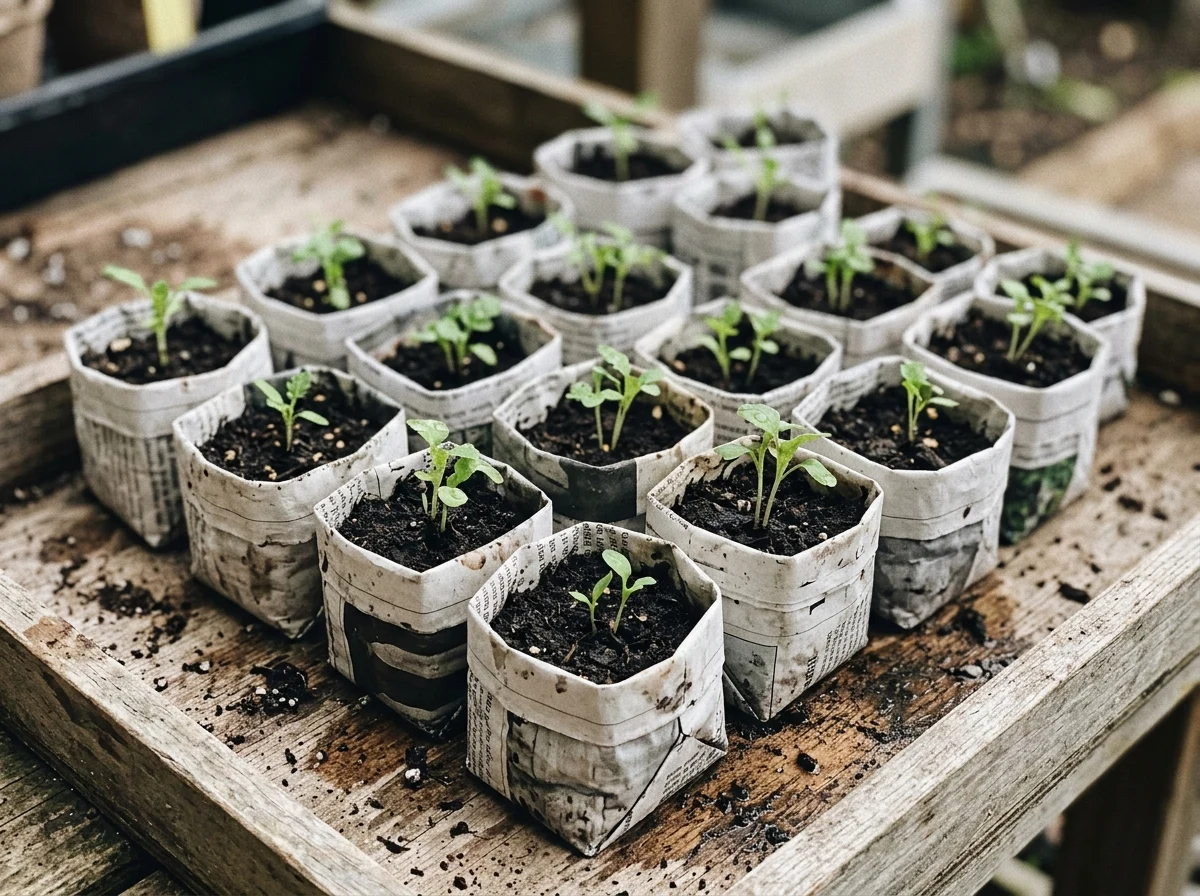
Wrapping several layers of newspaper around a small jar or can, then sliding the paper tube off, makes a free seed-starting pot that plants directly into the ground without disturbing roots. Black-and-white newsprint is the safest choice, since some colored inks contain additives you would rather keep out of food-growing soil. These pots hold together for several weeks, plenty of time for most seedlings to reach transplant size.
9. Yogurt Cup Soil Blockers
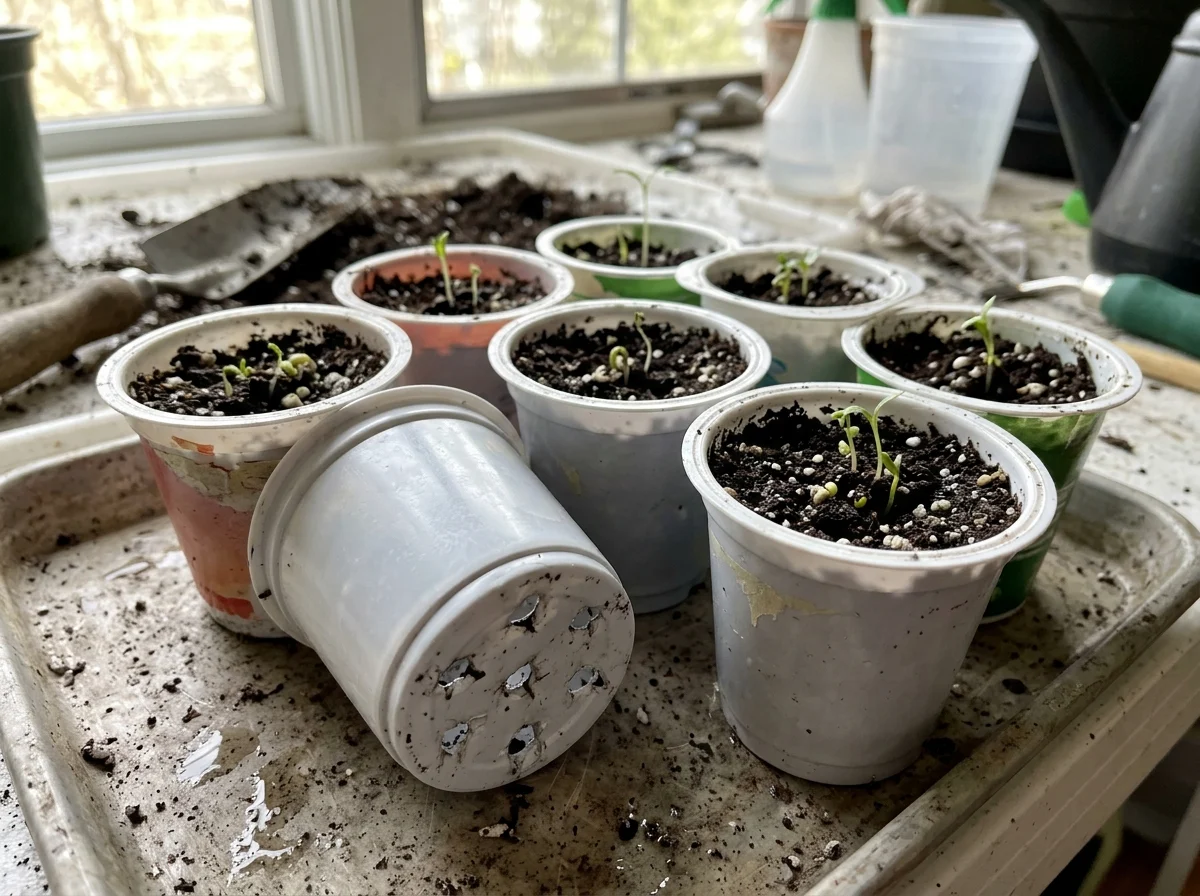
Empty yogurt or takeout containers with drainage holes poked in the bottom work just as well as store-bought seed trays for starting most vegetables and flowers. Save a batch through the winter and you will have a full set of free seed-starting containers by spring. Label each one with tape and a marker so you know what is planted where once several look alike.
10. Kitchen Scrap Regrowing
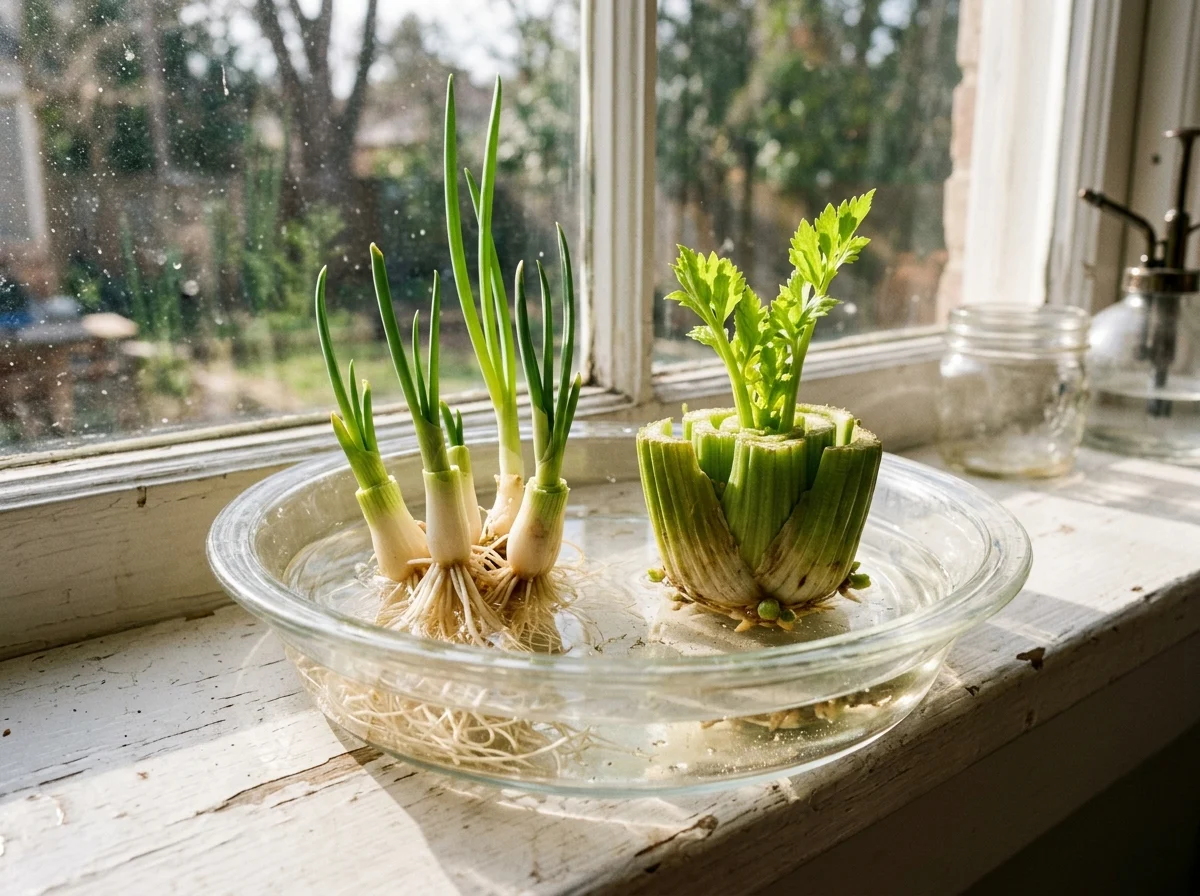
Green onion roots, celery bases, and romaine lettuce hearts can all regrow from kitchen scraps set in a shallow dish of water or straight into soil, giving a second harvest from food you already paid for once. Green onions regrow fastest, often ready to snip again within a week or two. This will not replace a full harvest, but it stretches what you buy at the store.
11. DIY Compost Tea From Kitchen Scraps
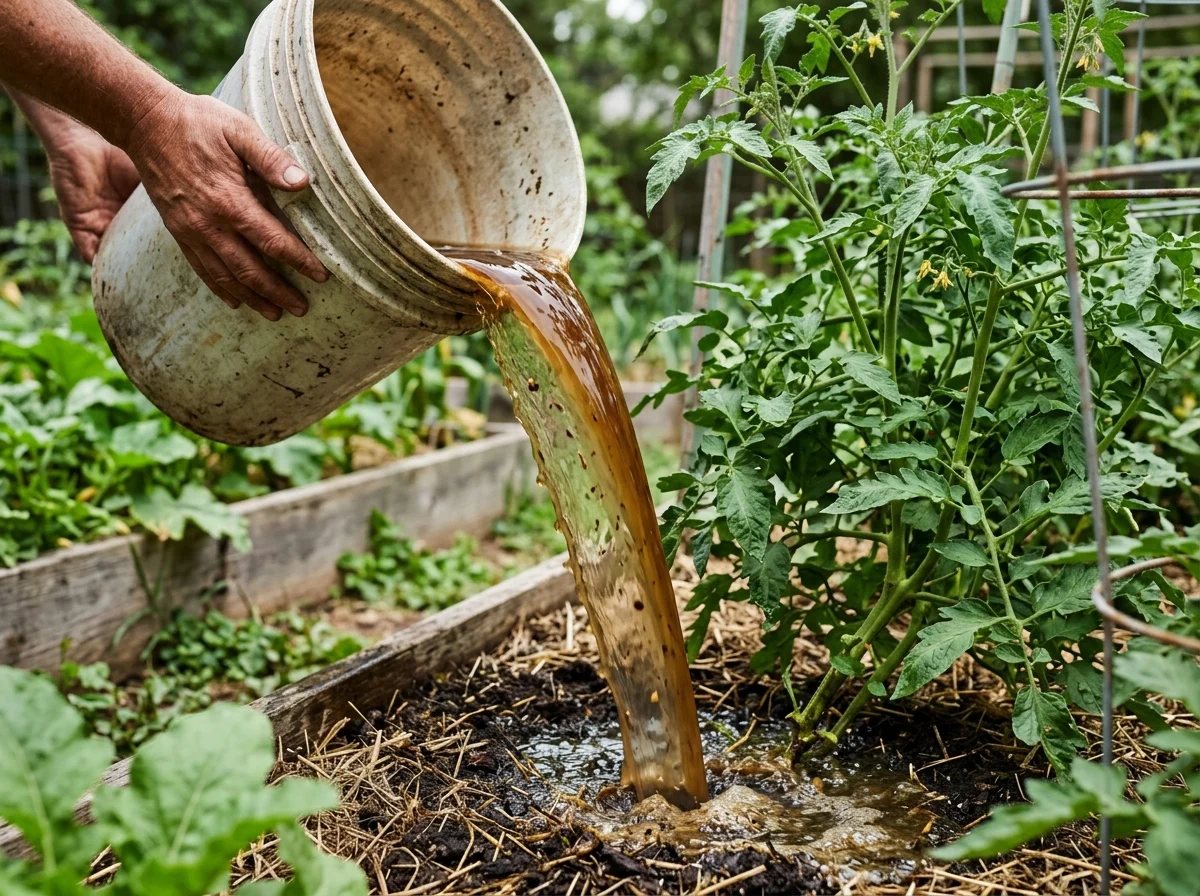
Steeping a handful of finished compost or vegetable scraps in a bucket of water for a few days makes a liquid feed you can pour on plants, giving many benefits of bottled fertilizer for free. Strain out the solids before using, and dilute the liquid until it looks like weak tea rather than using it at full strength. Apply it every couple of weeks during active growing season.
12. Wood Ash Pest Deterrent
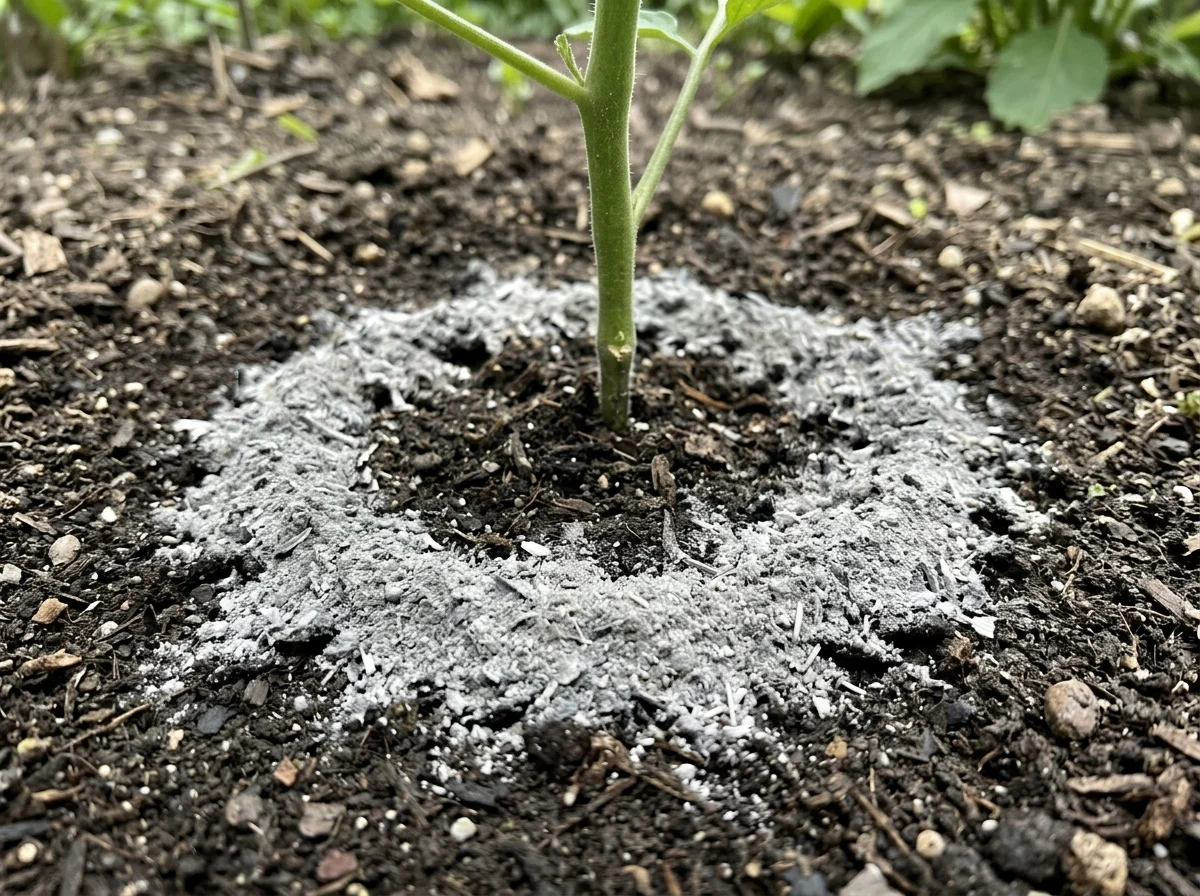
A light sprinkle of cooled wood ash from a fireplace or fire pit around the base of plants can deter soft-bodied pests like slugs, since the gritty texture is unpleasant for them to cross. Use it sparingly and only from untreated wood, and avoid piling it directly against plant stems. Wood ash also raises soil pH slightly, so skip this trick around acid-loving plants.
13. Crushed Eggshell Slug Barrier
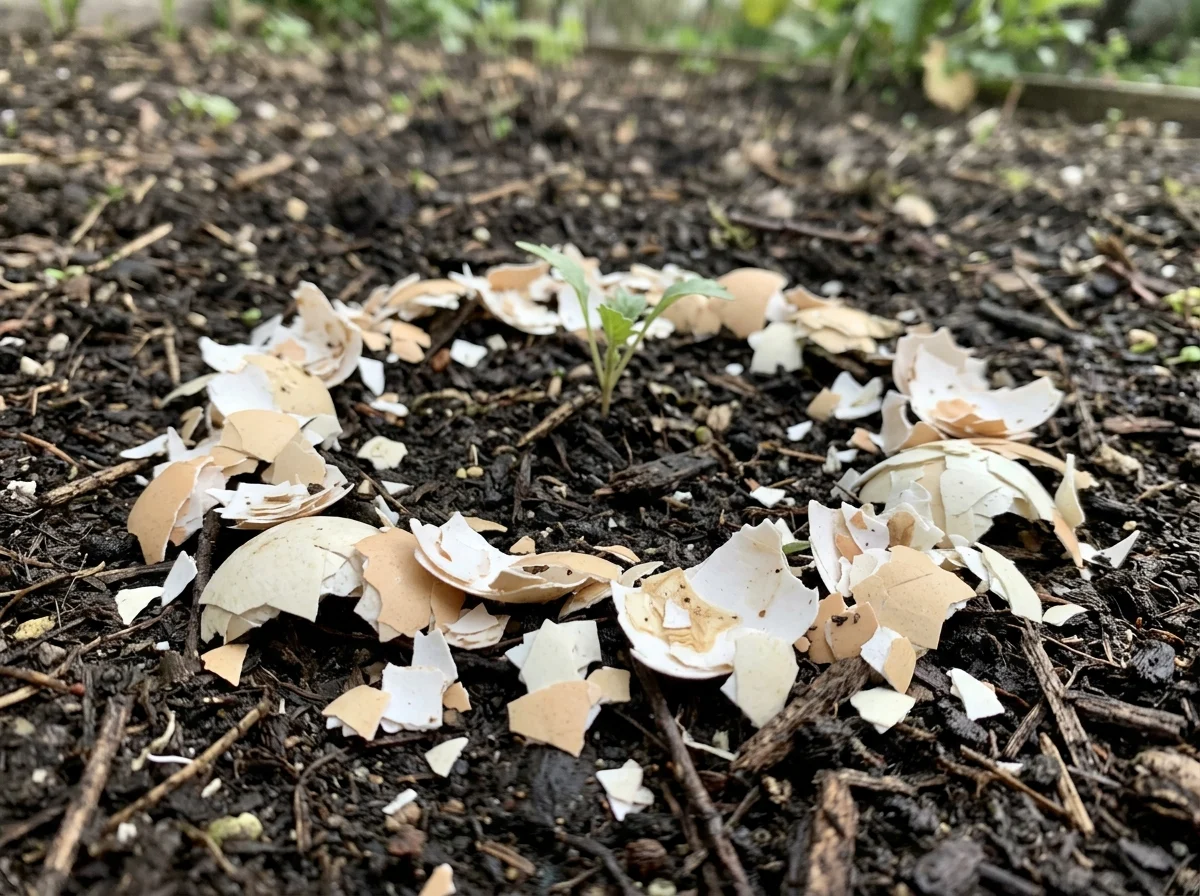
Crushed, dried eggshells scattered in a ring around vulnerable plants create a sharp-edged barrier that slugs and snails tend to avoid crossing. This reuses shells you would already be saving for seed pots or compost, so there is no added cost. Reapply after heavy rain, since a soaked ring loses much of its effect until it dries out again.
14. Dish Soap Aphid Spray
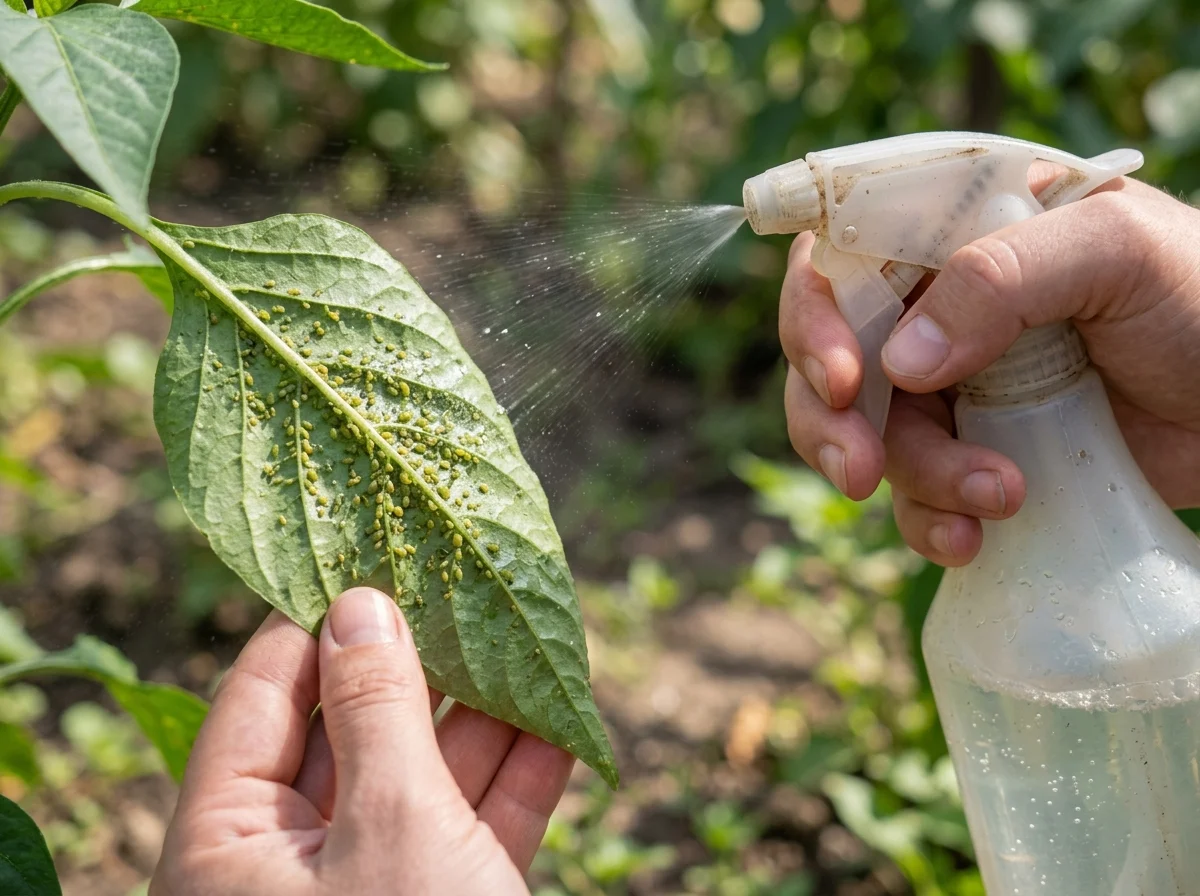
A few drops of plain dish soap mixed into a spray bottle of water makes an effective, low-cost spray for aphids and other soft-bodied insects, working by breaking down their protective outer coating on contact. Spray directly on the pests rather than soaking the whole plant, and test on a small area first, since some plants are sensitive to soap. This costs a fraction of a commercial insecticidal soap and works just as well for light infestations.
15. Epsom Salt Growth Boost
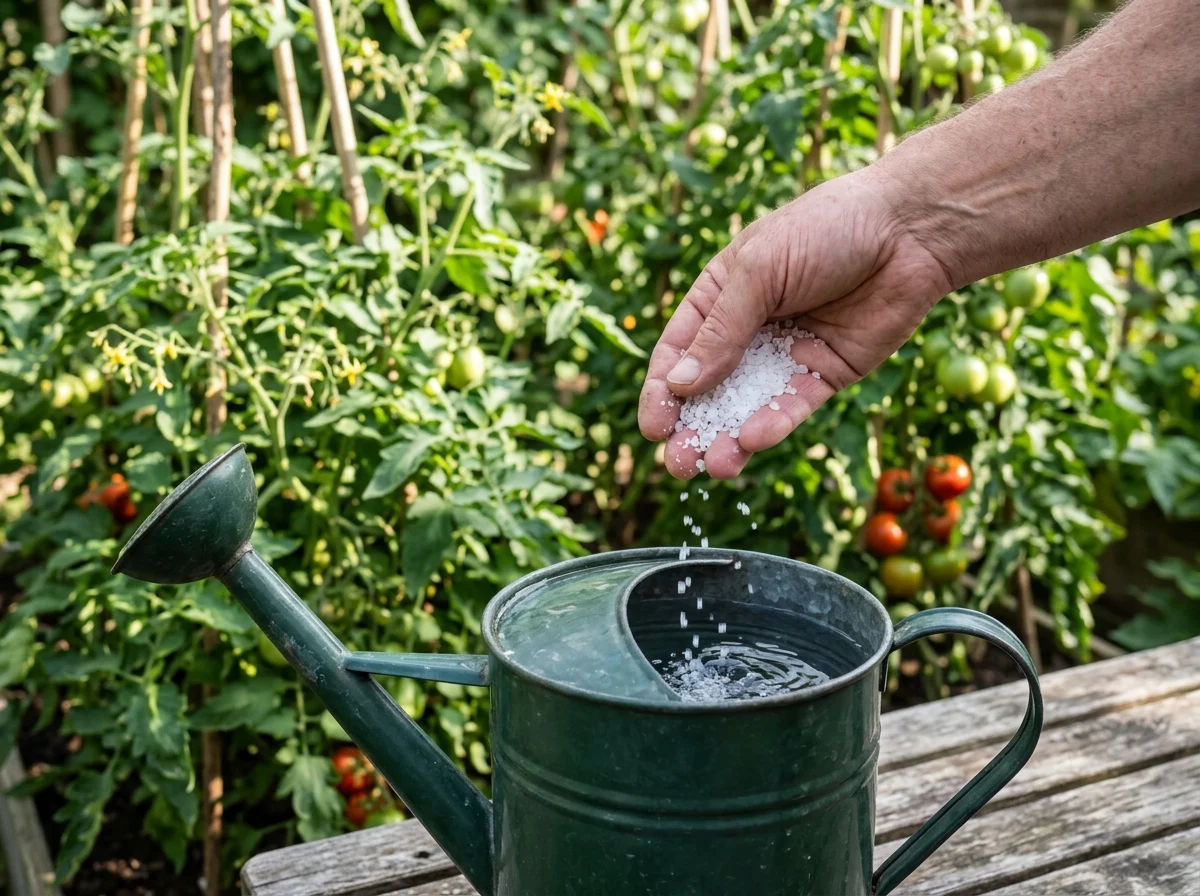
Dissolving a tablespoon of Epsom salt in a gallon of water and using it to water magnesium-hungry plants like tomatoes and peppers once a month can correct yellowing leaves caused by a magnesium deficiency. Epsom salt is inexpensive and available at any pharmacy, far cheaper than a specialty plant supplement aimed at the same deficiency. Skip it if your soil already tests fine for magnesium, since more is not better here.
16. Baking Soda Fungicide Spray
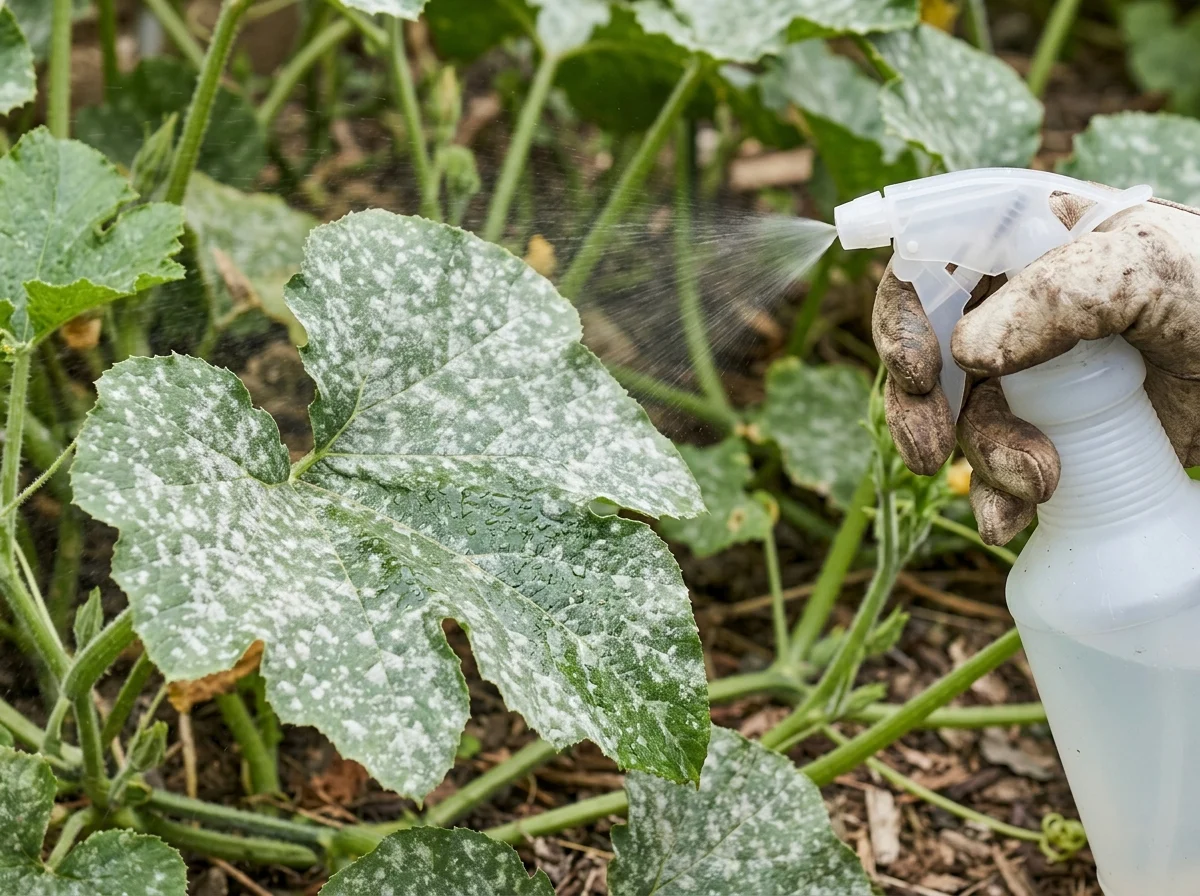
A spray made from a tablespoon of baking soda, a few drops of dish soap, and a gallon of water helps slow powdery mildew on squash, cucumbers, and roses when applied at the first sign of the white, dusty coating. It works best as a preventive measure on healthy leaves rather than a cure for a plant already heavily infected. This costs almost nothing compared to a bottled fungicide.
17. Old Pantyhose Plant Ties
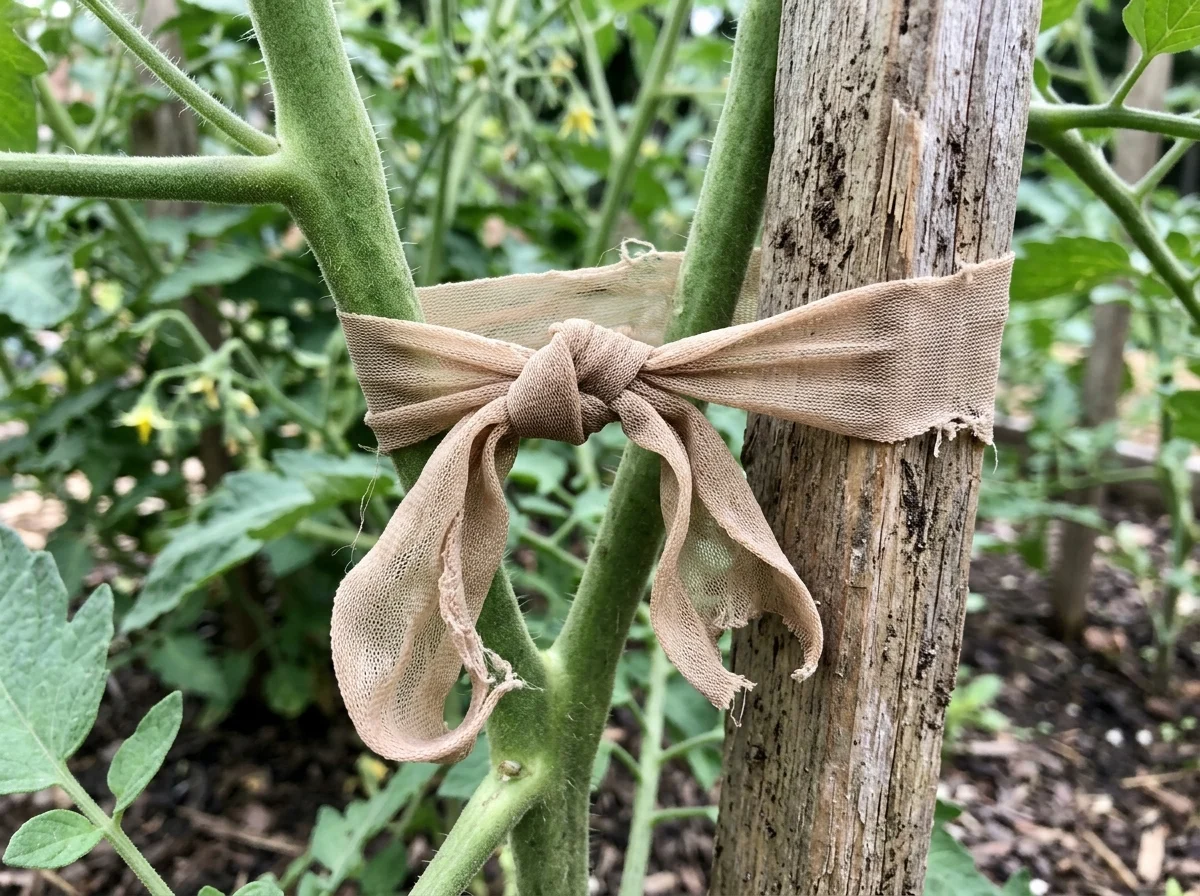
Cut into strips, old pantyhose make soft, stretchy plant ties for tomatoes, vines, and young trees that will not cut into stems the way twine or wire can. The stretch also gives the plant room to grow without needing to be retied every few weeks. This reuses something that would otherwise be thrown out, and one old pair provides enough ties for a whole season.
18. Wire Coat Hanger Row Markers
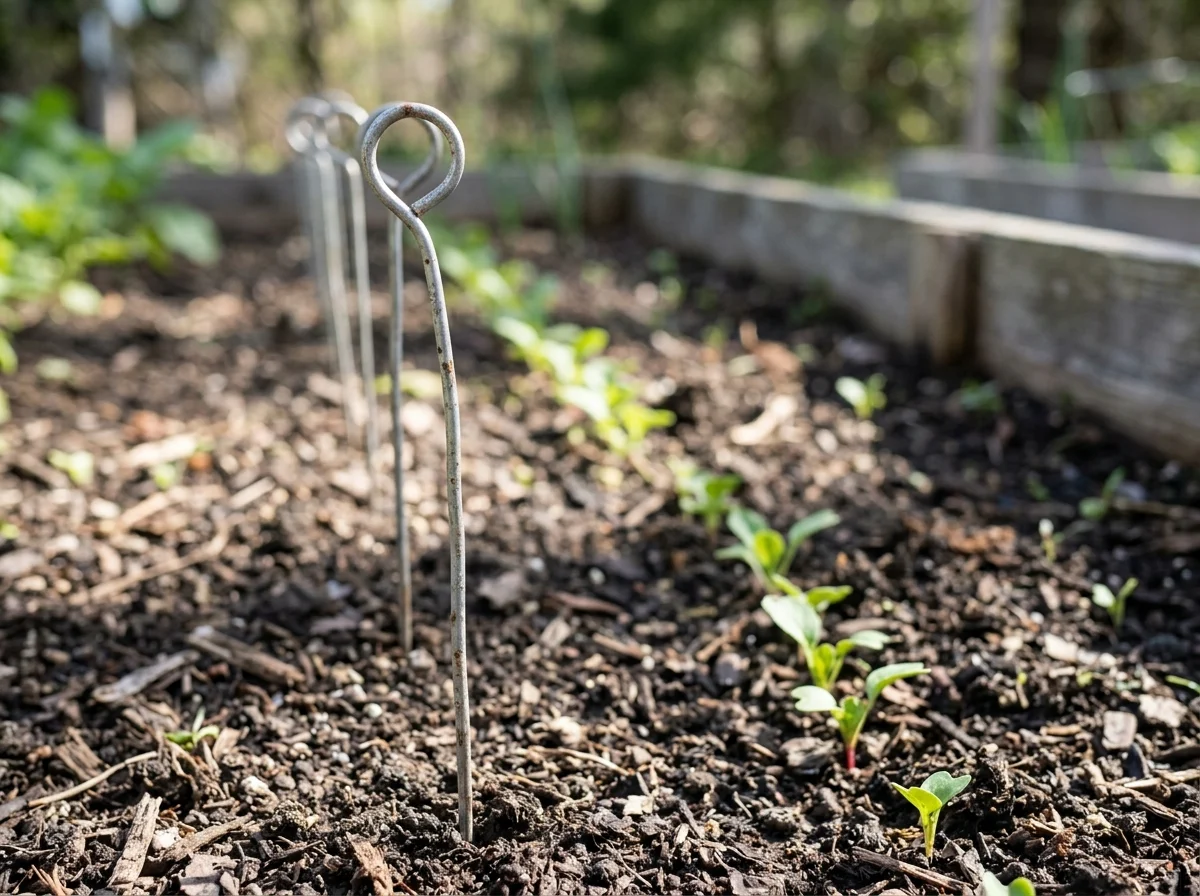
Straightened wire coat hangers bent into small stakes make free, reusable row markers and plant supports, standing up to weather far better than paper tags. Bend a small loop at the top to hold a label, or use the wire as a light stake for a floppy stem. A stash of old hangers can replace an entire box of purchased garden markers.
19. Rain Barrel Water Harvesting
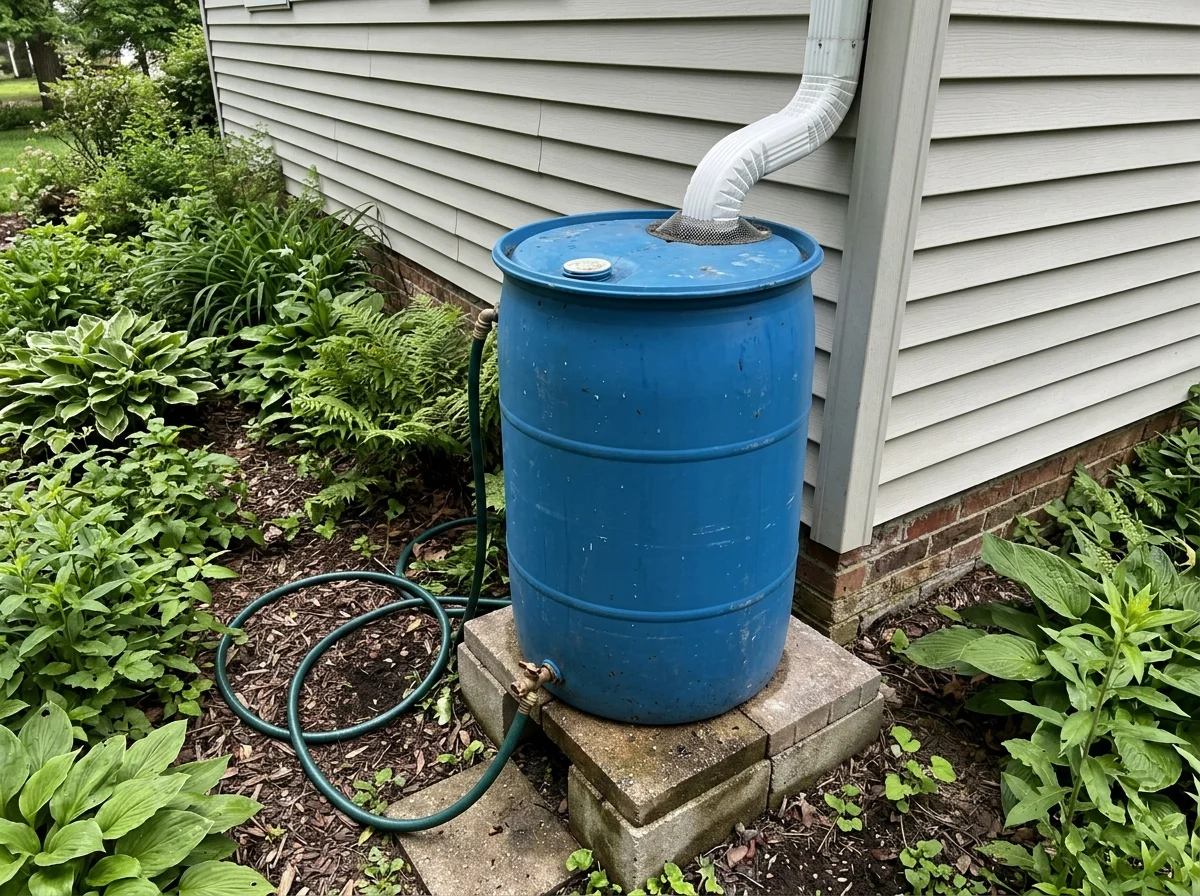
Positioning a barrel under a downspout collects free rainwater that can be used on garden beds instead of running the hose, cutting a noticeable amount off a summer water bill in regions with regular rainfall. A basic setup needs only a barrel, a spigot near the bottom, and a way to keep debris and mosquitoes out of the top. Rainwater also tends to suit plants better than treated tap water, since it carries no added chlorine.
20. Self-Watering Bottle Spike
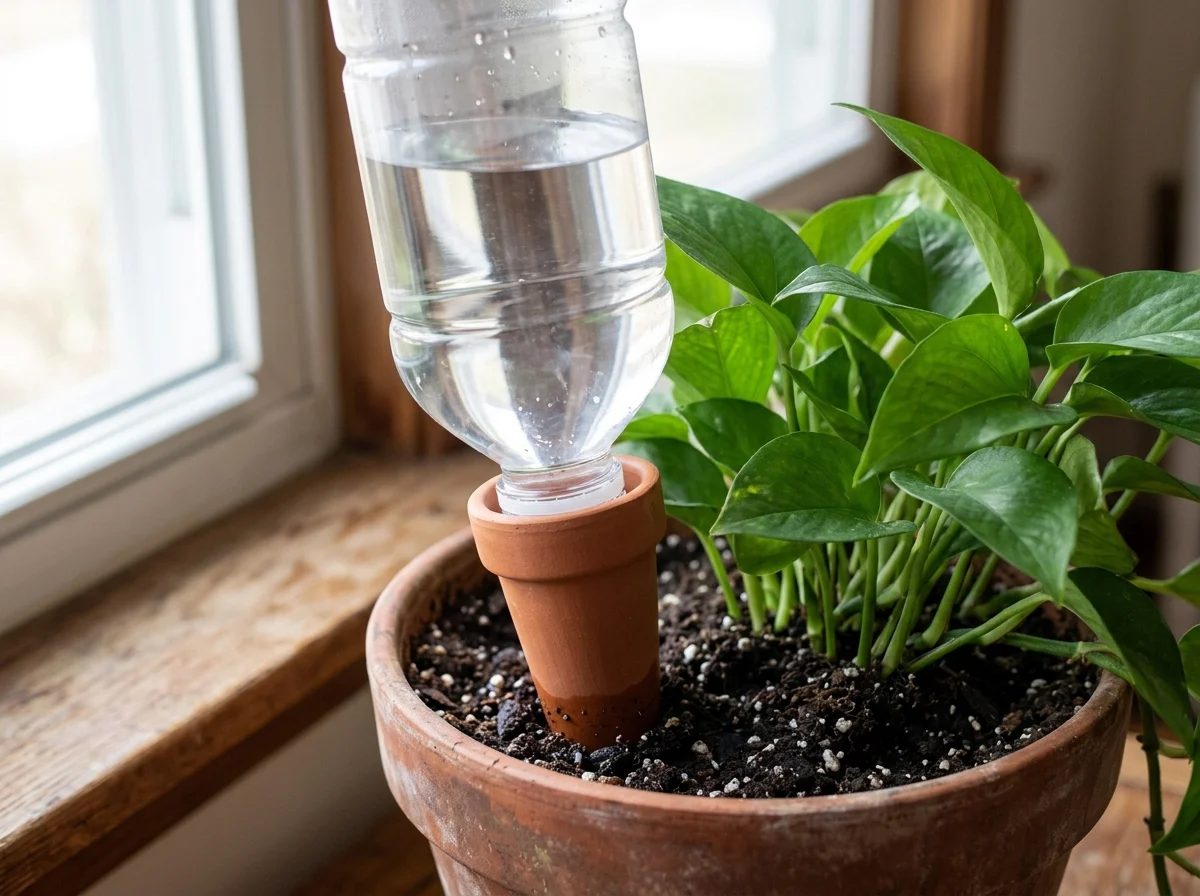
A plastic bottle fitted with a terracotta watering spike, or simply upside down with small holes poked near the cap, delivers a slow trickle of water to a single plant over a day or two without any equipment beyond the bottle itself. This trick works well for container plants left unattended for a short trip, and it costs nothing beyond a bottle you already have.
21. Free Wood Pallet Compost Bin
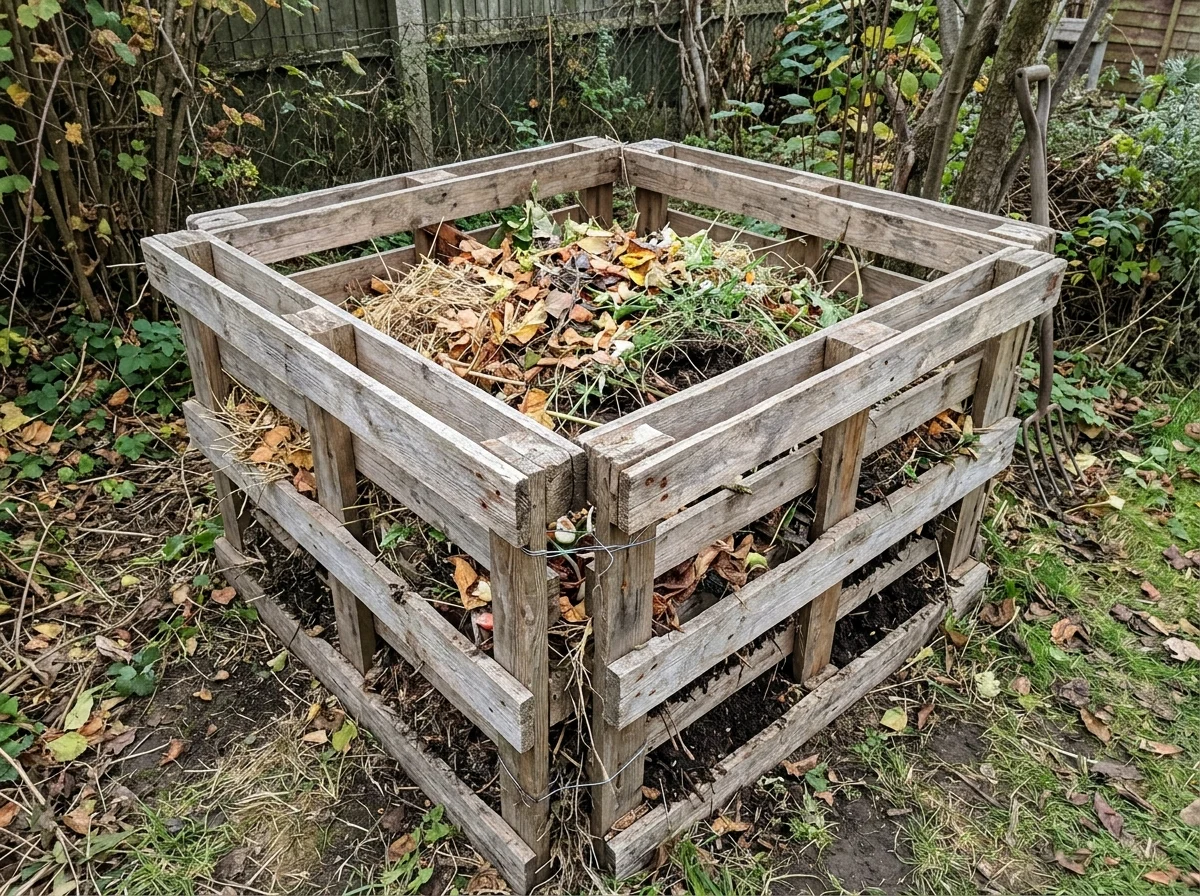
Four wooden pallets wired or screwed together into a square make a sturdy, ventilated compost bin at little to no cost, since pallets are often given away free by stores that no longer need them. The gaps between the slats let air circulate through the pile, which speeds up decomposition compared to a sealed container. This setup can be built in under an hour with basic tools.
22. Cinnamon Seedling Damping-Off Prevention
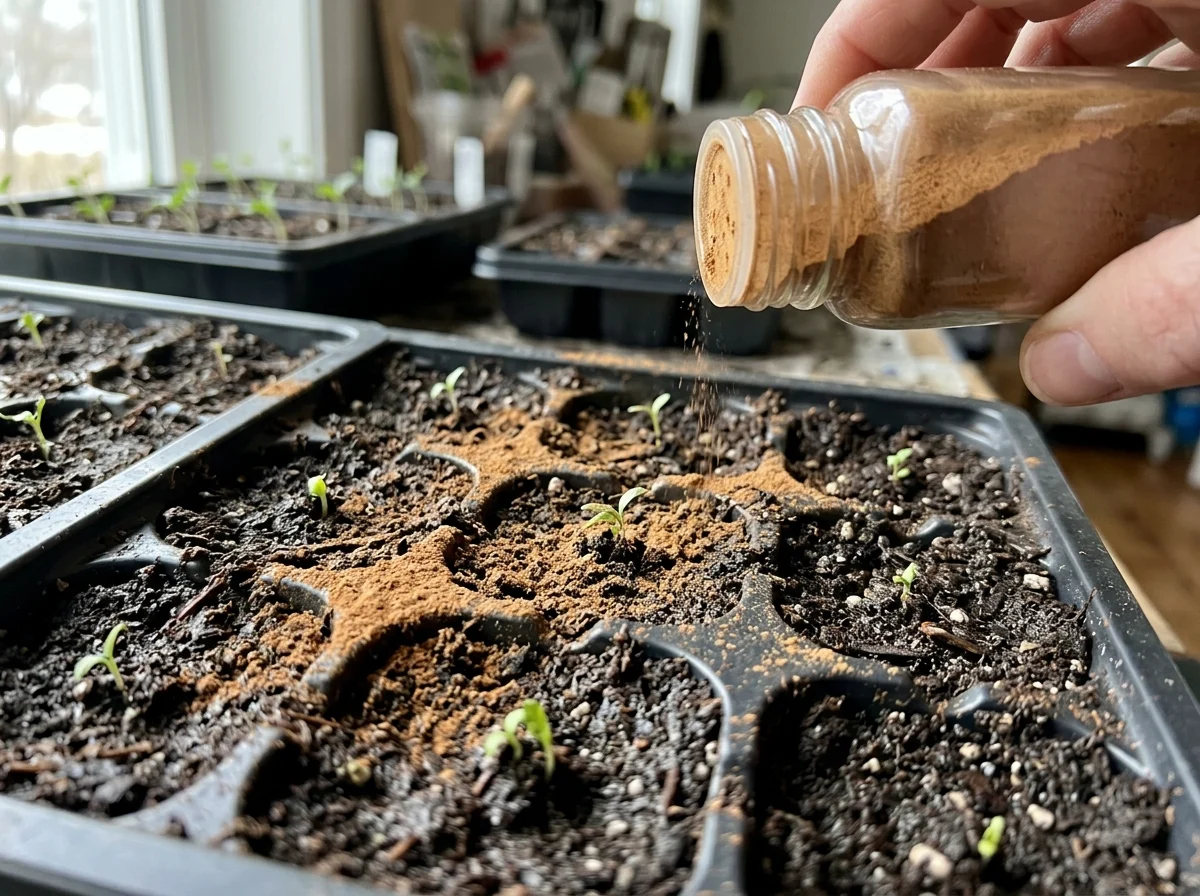
A light dusting of ground cinnamon on the surface of seed-starting soil helps prevent damping-off, a fungal problem that causes young seedlings to collapse at the soil line. Cinnamon has natural antifungal properties and costs far less than a commercial fungicide sold for the same purpose. Reapply lightly after watering if the surface looks disturbed.
23. Used Coffee Filter Pot Liner
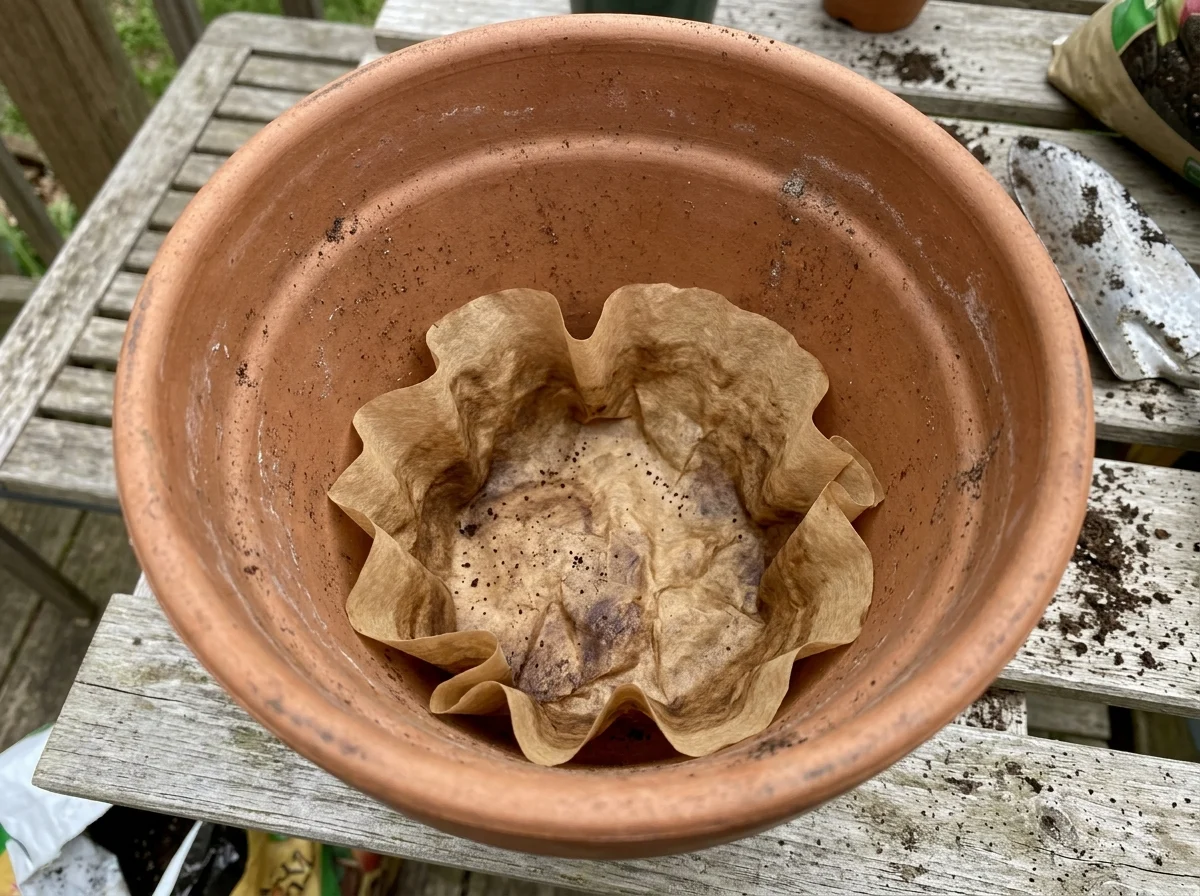
A used paper coffee filter placed at the bottom of a pot before adding soil keeps potting mix from washing out through the drainage hole without blocking water flow the way a solid barrier would. This replaces the need to buy pot liners or landscape fabric scraps for the same purpose. Save filters after your morning coffee instead of throwing them straight in the trash.
24. Ice Cube Slow Watering Trick
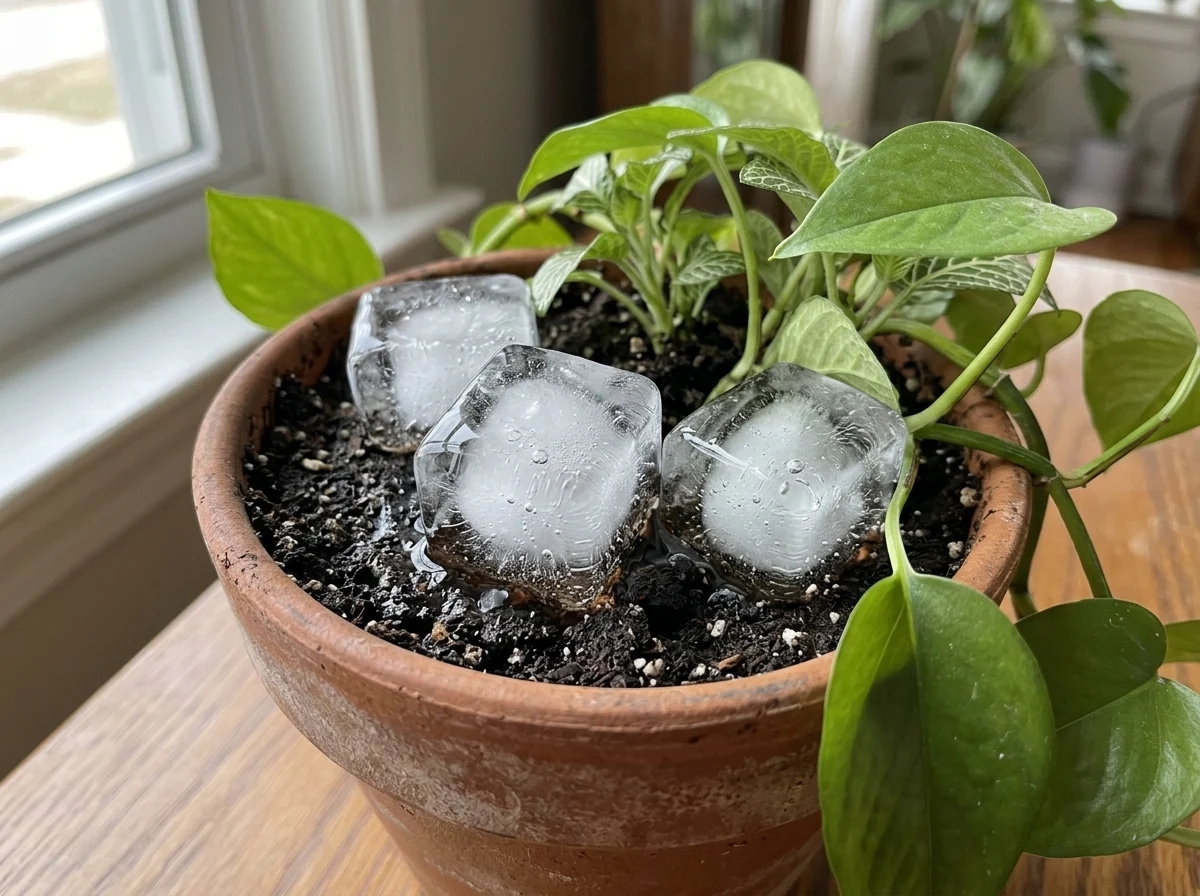
Dropping a few ice cubes on the soil surface of a houseplant or container lets water release slowly as they melt, avoiding the overflow and runoff that comes from pouring a full glass of water at once. This trick works best for smaller pots and delicate plants that are easy to overwater. It also gives a precise, small dose without needing a measuring cup.
25. Free Neighborhood Leaf Mulch Collection
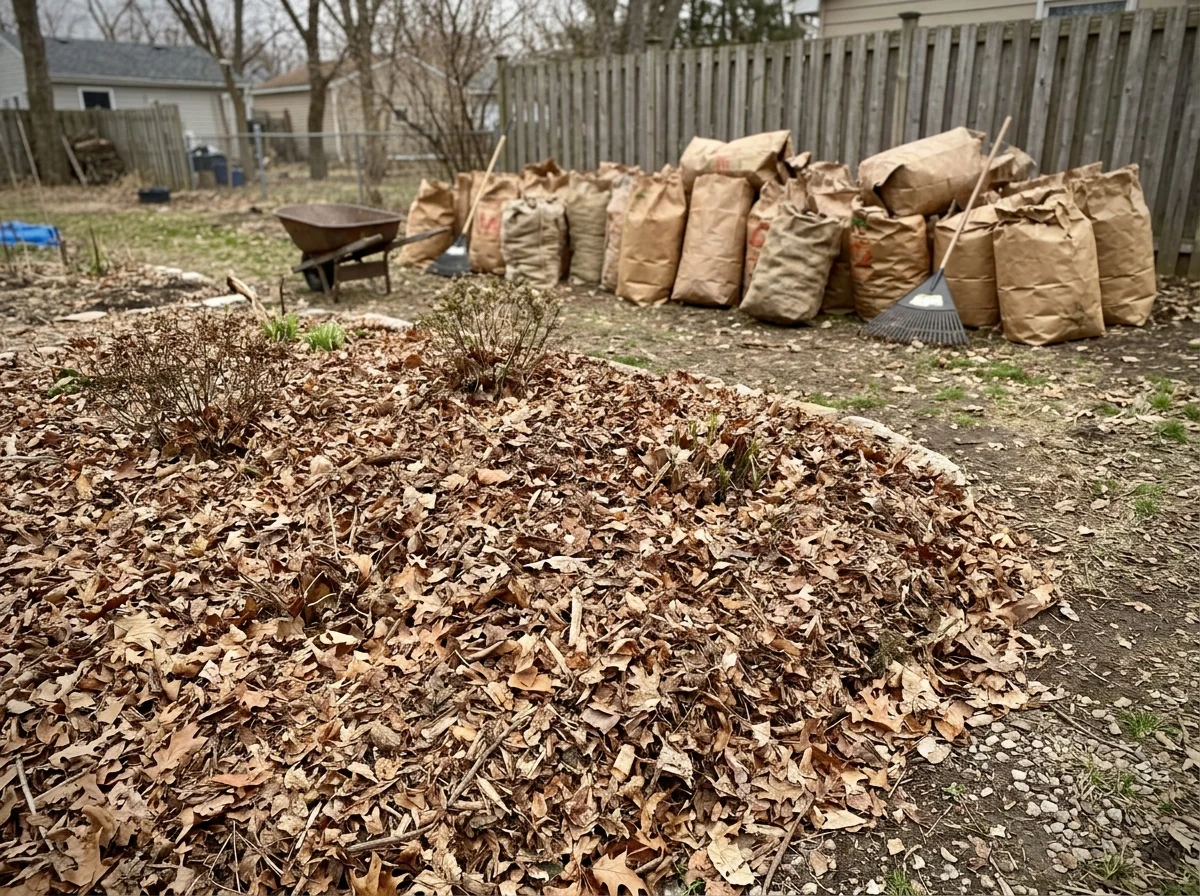
Bagged leaves left at the curb during fall cleanup are often free for the taking, and shredded leaves make an excellent mulch and soil amendment that would otherwise cost money by the bag at a garden center. Run a lawn mower over a pile of leaves first to shred them, since whole leaves can mat down and block water. A single fall’s worth of collected leaves can cover several garden beds for the following season.
Conclusion
None of these hacks require a special skill, and most use materials you already have on hand or can get for free with a short trip to the recycling bin or the curb. The real savings come from combining several of them rather than relying on just one, a garden using rainwater, homemade compost tea, and free mulch together notices a bigger difference in time and money than one that only tries a single trick. Start with whichever hacks solve a problem you already have, whether that is a slug issue, a high water bill, or too many seed trays to buy, and build the rest of your routine around them as you go.
Frequently Asked Questions
What is the easiest gardening hack for a beginner to try first?
Coffee grounds as a soil amendment and eggshell seed pots are both good starting points, since they use kitchen waste you already generate and involve almost no setup. Both also give quick, visible feedback, seedlings sprouting in eggshells or soil improving where grounds were worked in, which helps build confidence before trying more involved hacks.
Do homemade pest sprays like dish soap or baking soda actually work?
Yes, for light to moderate problems. A dish soap spray disrupts the outer coating of soft-bodied insects like aphids on contact, and a baking soda spray helps slow the spread of powdery mildew when used early. Neither works as well as a targeted commercial product for a severe infestation, but both are effective, low-cost first responses.
How much money can gardening hacks actually save?
The savings depend on how much you currently buy, but skipping seed trays, pot liners, plant food, and mulch in favor of free alternatives can meaningfully reduce a season’s gardening budget. Rain barrel water alone can noticeably lower a summer water bill in areas with regular rainfall, and free mulch from bagged leaves replaces what would otherwise be a recurring purchase.
Are eggshell and newspaper pots strong enough for real seedlings?
Yes, for most vegetables and flowers started indoors. Eggshells and newspaper tubes hold together for the several weeks it typically takes a seedling to reach transplant size, and both can go straight into the ground without removing the seedling first. Handle them gently once damp, since wet paper and thin shell are more fragile than plastic.
Can I use tap water instead of rainwater for these hacks?
Yes, tap water works fine for drip bottles, ice cube watering, and most of these tricks, rainwater is simply a free, chlorine-free bonus where it’s available. If your area has hard or heavily treated water, letting tap water sit out overnight before using it on sensitive seedlings can help reduce any chlorine effect.
Is wood ash safe to use around all plants?
No, wood ash raises soil pH, so it should be avoided around acid-loving plants like blueberries, azaleas, and rhododendrons. It works best used sparingly around vegetables and plants that prefer neutral to slightly alkaline soil, and only from untreated, plain wood ash rather than ash from charcoal briquettes or treated lumber.