10 Container Gardening Ideas for Every Home
A patch of bare dirt is not the only thing that makes a garden, plenty of the best-looking, most productive growing spaces I’ve come across are built entirely from pots, buckets, and boxes on a deck or driveway. That matters because so many people assume they need a yard before they can grow their own food or flowers, when a sunny spot and the right container are usually enough. Container gardening ideas solve the actual problems renters, apartment dwellers, and anyone with poor native soil run into, no digging, no permanent commitment, and the ability to move a plant if the light or weather turns against it. The list below covers ten different container approaches, from a simple terracotta pot to a full stock tank raised bed, each suited to different amounts of space and different levels of commitment. Whatever your home looks like, a balcony rail, a concrete patio, a side yard with rocky soil, there is a container setup here that will work with it rather than against it.
1. Classic Terracotta Pot Herb Garden
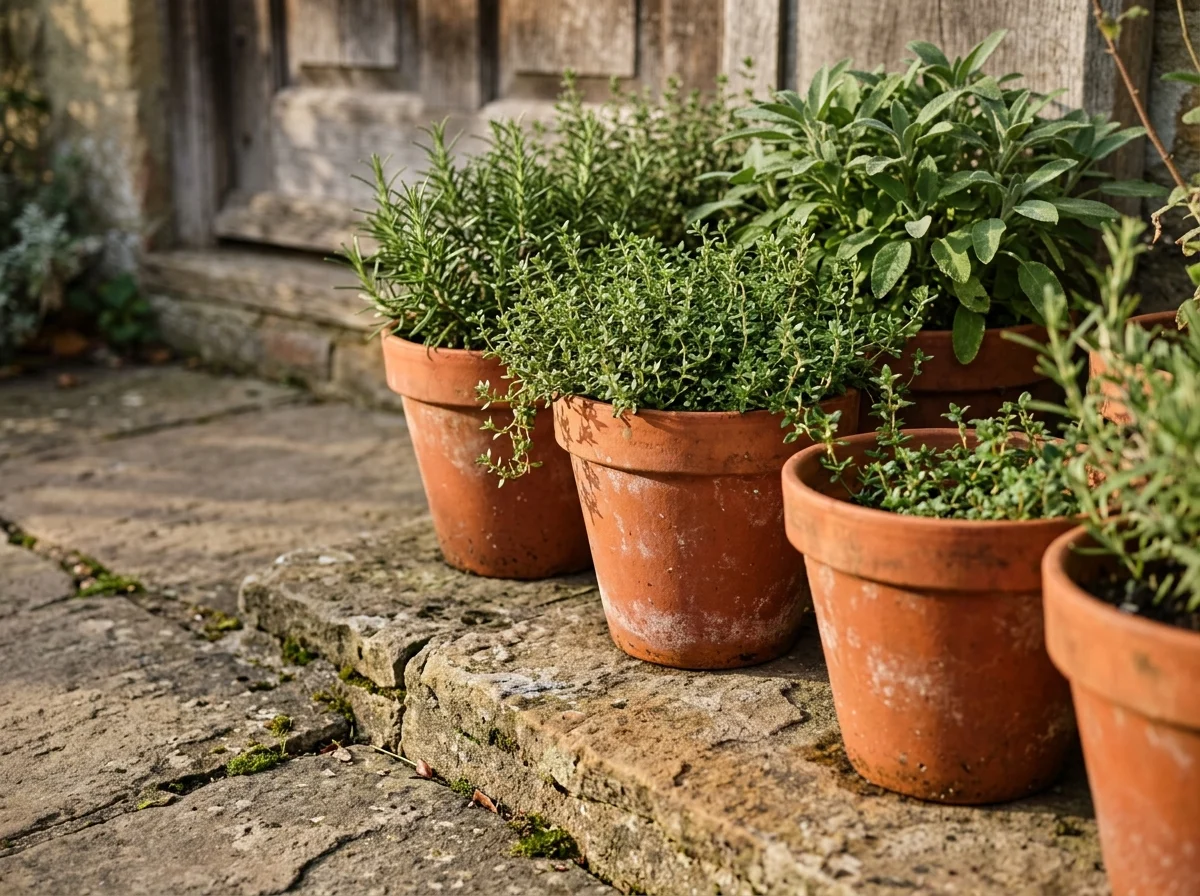
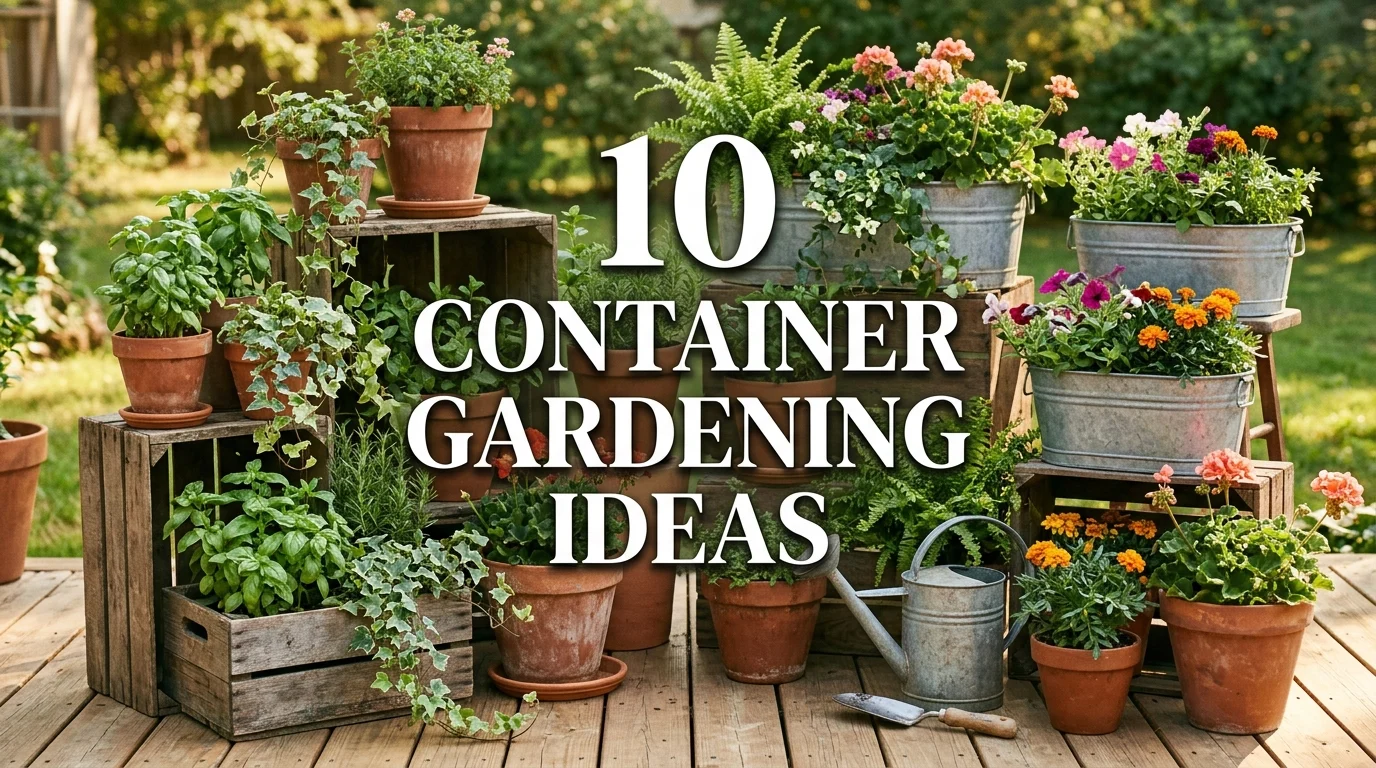
A row of terracotta pots along a windowsill, doorstep, or kitchen step is one of the simplest container setups, and the porous clay helps excess moisture evaporate, which suits herbs like rosemary and thyme that dislike sitting in wet soil. Pick pots at least 6 to 8 inches across for most herbs, and always choose ones with a drainage hole in the bottom rather than relying on gravel alone. Group several pots together rather than spacing them far apart, since clustered pots create a slightly more humid microclimate that many herbs and small vegetables appreciate. Terracotta dries out faster than plastic or glazed ceramic, so plan on watering these pots more often during hot weather.
2. Five-Gallon Bucket Vegetable Garden
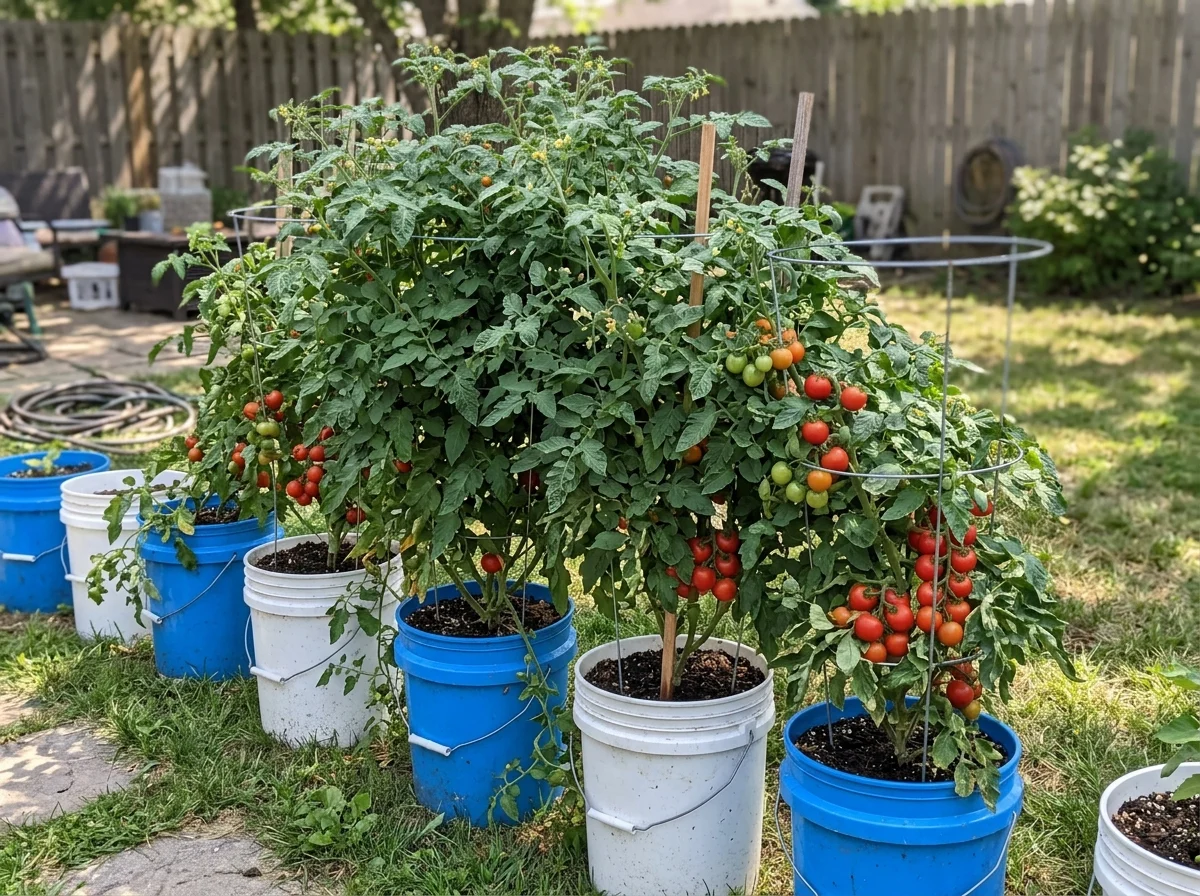
Food-grade five-gallon buckets, often free or cheap from restaurants and hardware stores, make sturdy, inexpensive containers for tomatoes, peppers, and even a single squash plant. Drill several drainage holes in the bottom before filling with potting mix, since buckets rarely come with any. One bucket per tomato plant gives enough root room for a full-size harvest, and the low upfront cost makes this a practical way to try growing several different vegetables without a big investment. Paint the outside if the plain plastic look bothers you, though a coat of paint also helps keep roots cooler in direct sun.
3. Window Box Planters
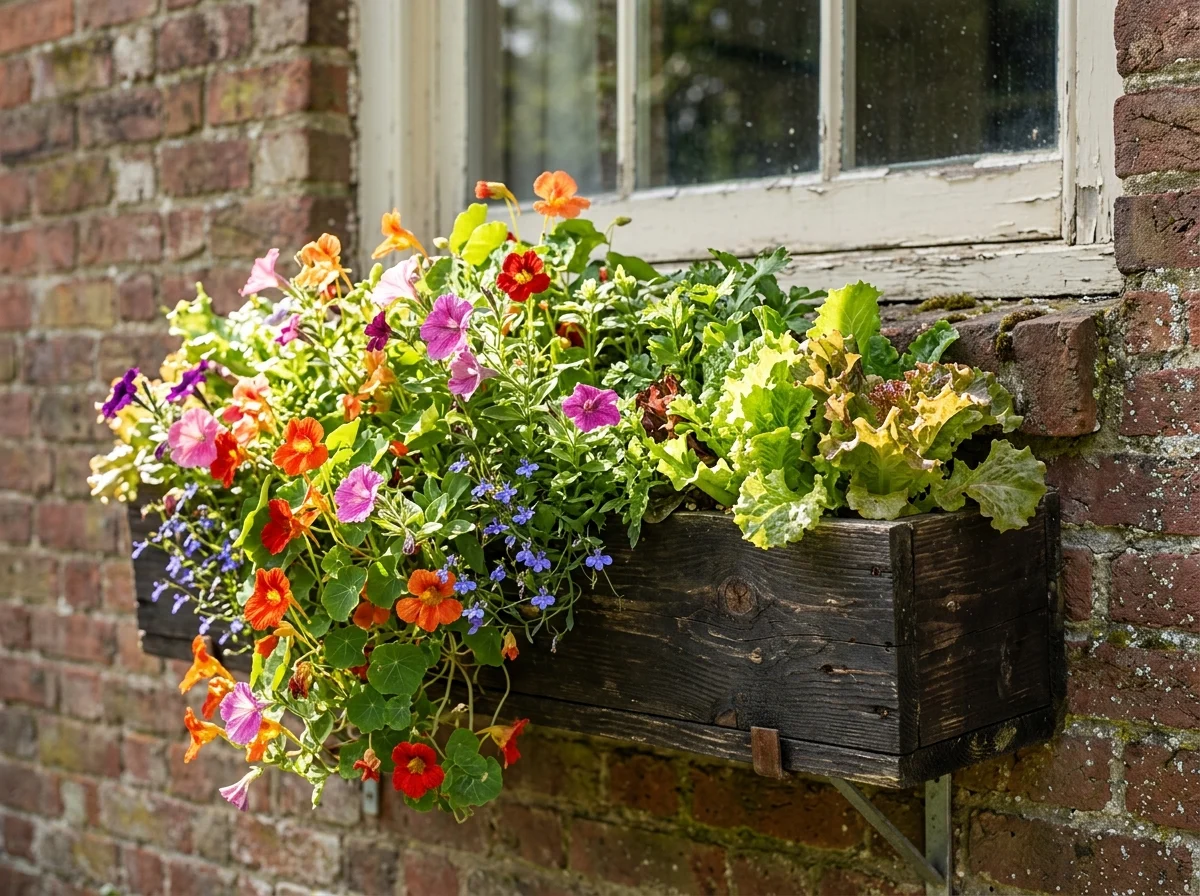
Mounted window boxes take advantage of vertical wall space that would otherwise go unused, and they work equally well for trailing flowers, compact herbs, or shallow-rooted salad greens like lettuce and spinach. Choose a box with drainage holes and a drip tray if it hangs over a walkway or a neighbor’s space below. Window boxes dry out faster than ground beds because of their shallow depth, so a box under 8 inches deep will need daily watering during summer heat. They also give a home a finished look from the street with very little maintenance once planted.
4. Repurposed Wooden Crate Planters
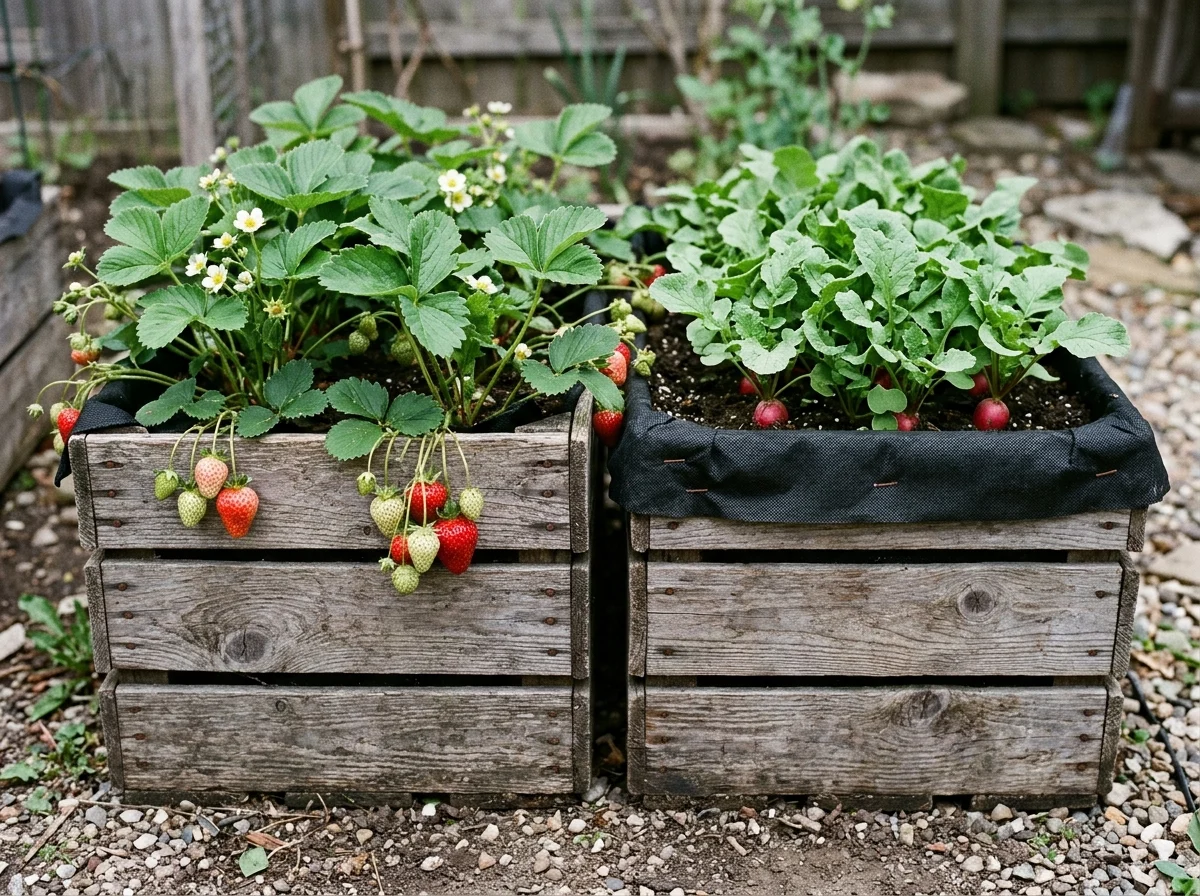
Old wooden crates, whether from a wine shop, a farmers market, or curbside, make attractive, rustic containers once lined with landscape fabric to hold soil in and a few drainage gaps left in the bottom slats. The rougher wood grain and visible joints give a container garden a warmer, less uniform look than plastic pots, which suits a cottage-style patio or entryway. Crates work well for shallow-rooted crops like lettuce, radishes, and strawberries, though the untreated wood will eventually break down and need replacing after a couple of seasons outdoors.
5. Hanging Basket Trailing Plants
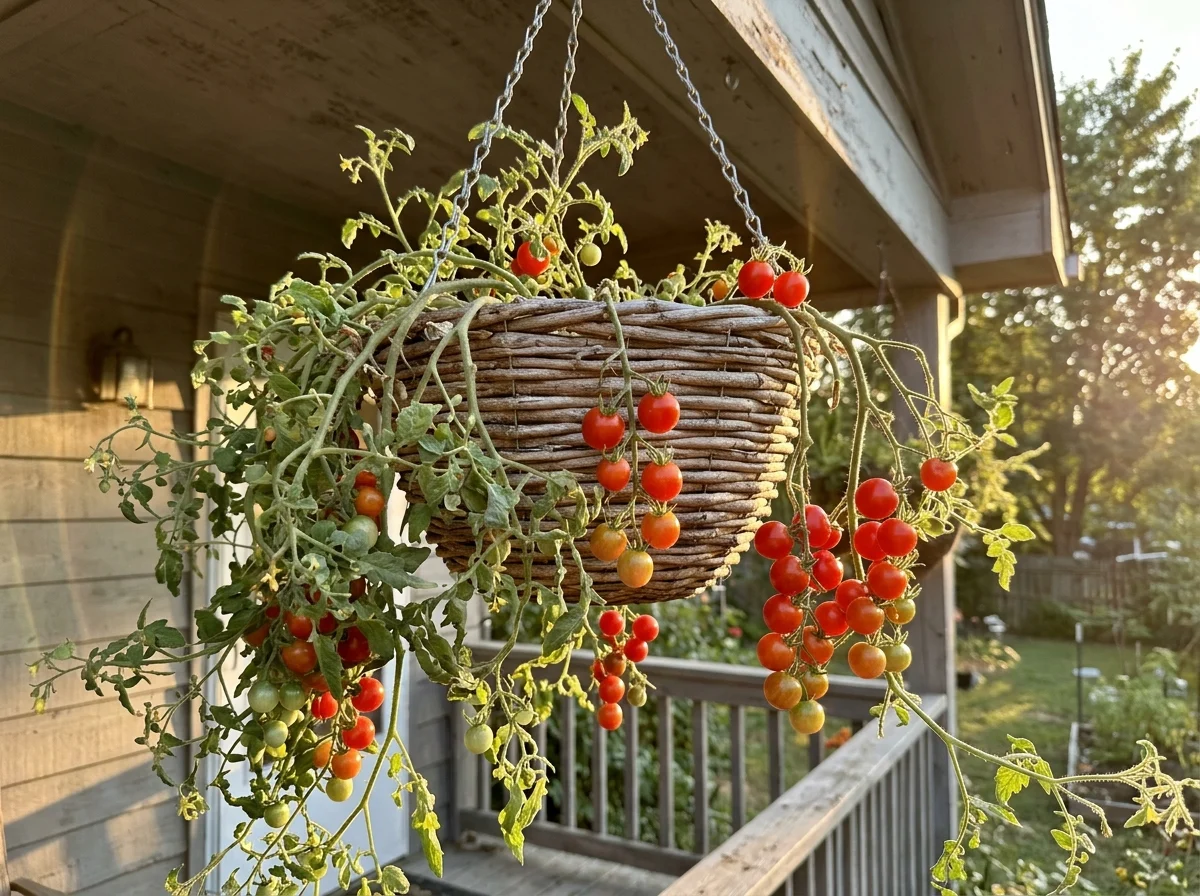
Hanging baskets put trailing plants like cherry tomatoes, strawberries, and certain flowering vines at eye level or above, freeing up ground and rail space entirely. A sturdy bracket rated for the filled weight of the basket matters more than people expect, a fully watered basket with wet soil can weigh well over 20 pounds. Baskets dry out quickly because of their exposure to air on all sides, so a self-watering insert or a reservoir-style basket cuts down significantly on daily watering chores. Choose a spot with morning sun and afternoon shade for anything sensitive to intense heat.
6. Stock Tank Raised Container Garden
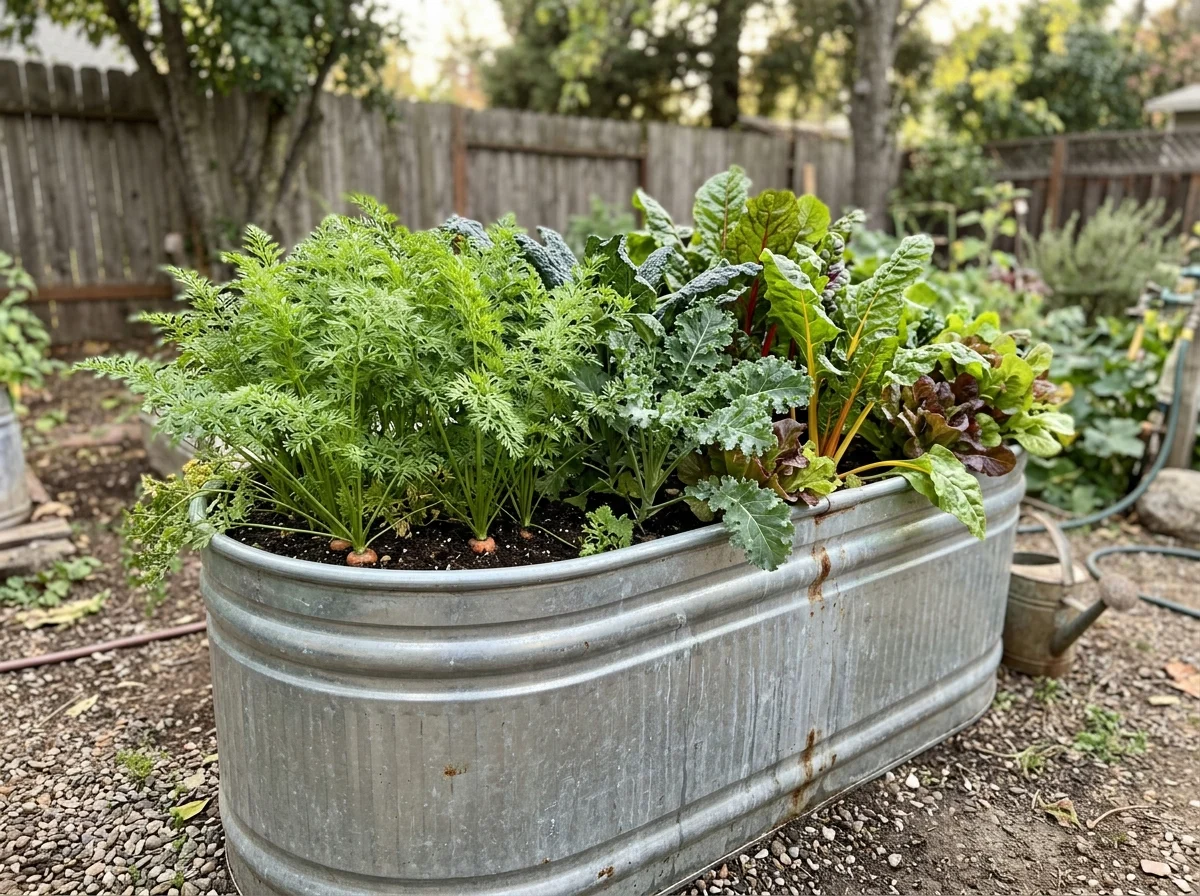
A galvanized metal stock tank, the kind sold for watering livestock, makes an excellent large-capacity raised container once a few drainage holes are drilled through the bottom. The depth, often 2 feet or more, suits deep-rooted vegetables like tomatoes, carrots, and potatoes far better than a shallow pot can. Metal tanks heat up in direct sun, which can benefit heat-loving crops early in the season but may stress roots during peak summer, so a partial shade spot or a layer of mulch on top helps regulate soil temperature.
7. Self-Watering Container Setup
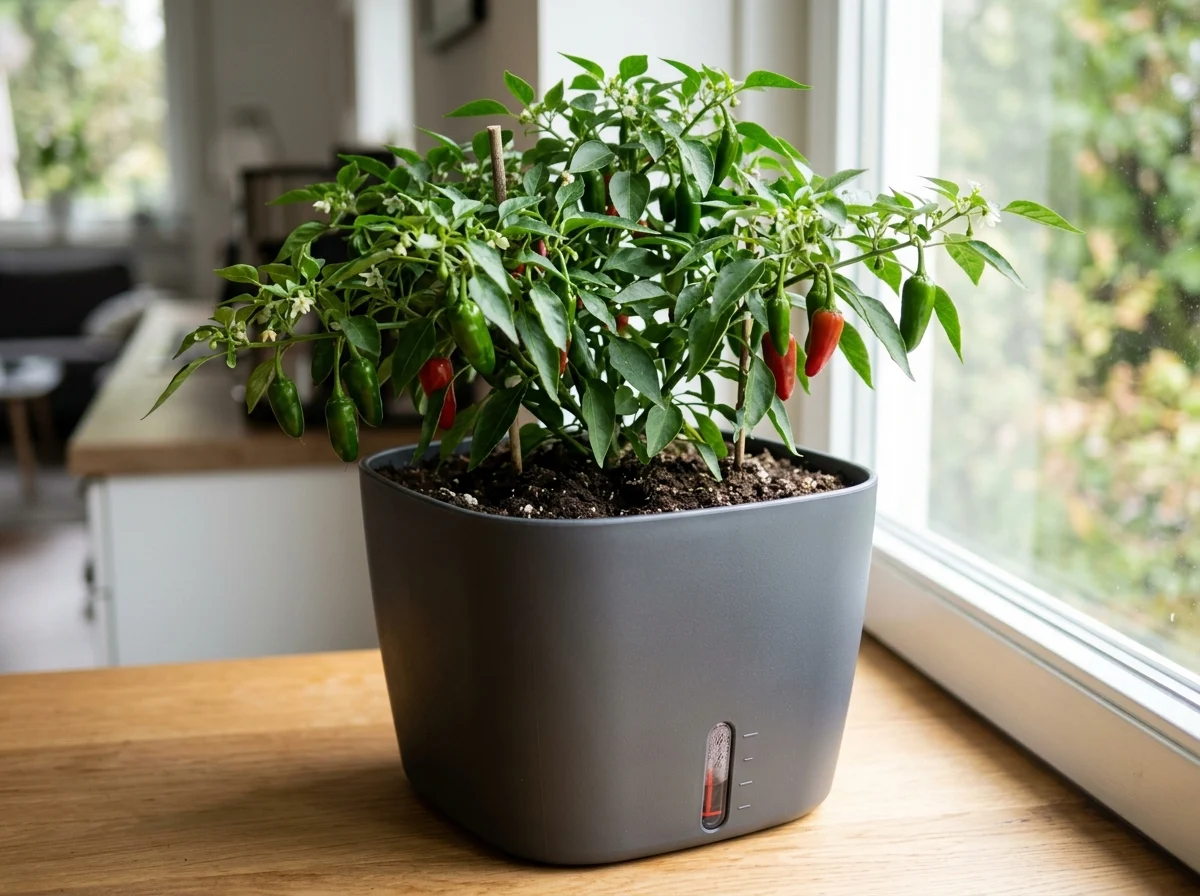
Self-watering containers use a built-in water reservoir at the base with a wicking mechanism that draws moisture up to the roots as needed, cutting daily watering down to a refill every few days instead. This setup suits anyone who travels often or tends to forget watering, and it also reduces the risk of both underwatering and the overwatering that comes from guessing how much a plant needs. Tomatoes, peppers, and leafy greens all do well in self-watering setups, and many models are compact enough for a balcony or small patio.
8. Balcony Rail Planter Boxes
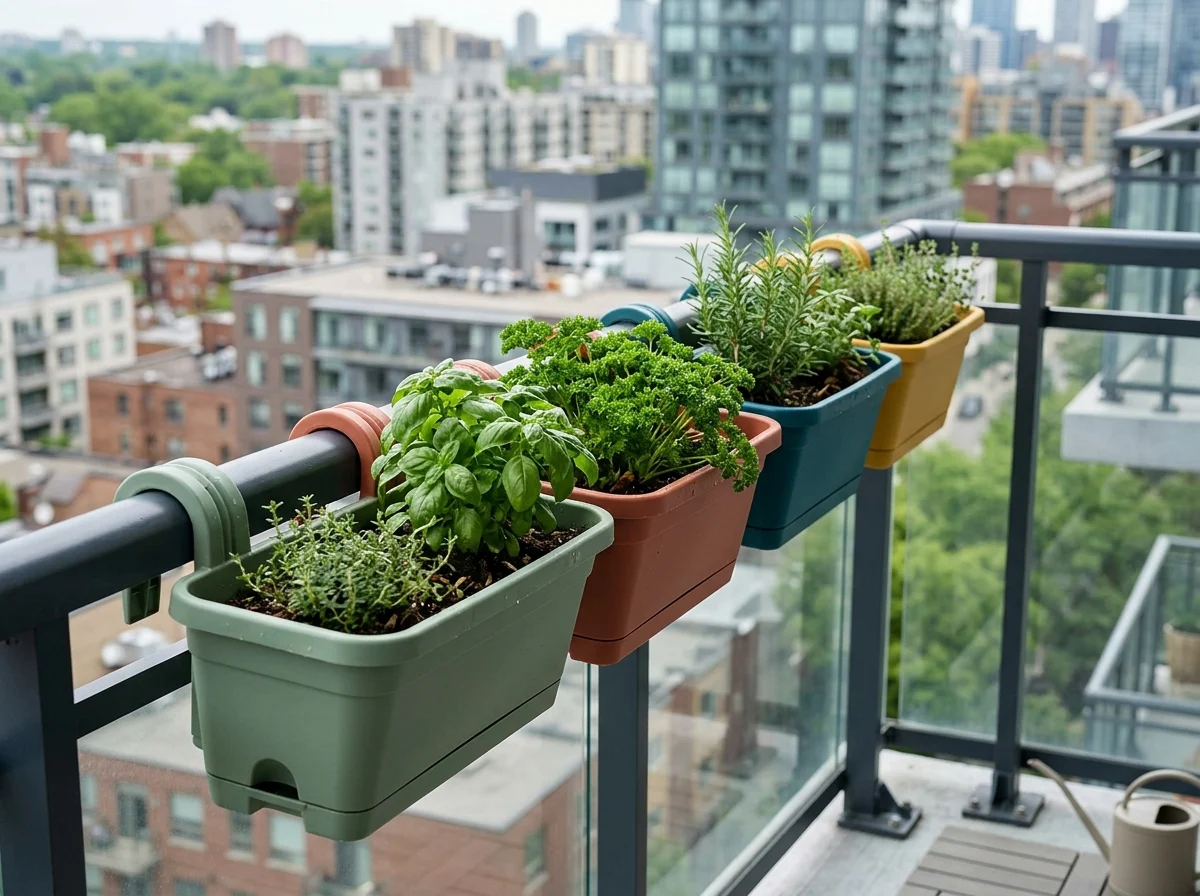
Rail planters clip or hook directly onto a balcony railing, making use of space that would otherwise sit empty on an apartment balcony with no floor room to spare. Check the weight limit of the railing before hanging a fully planted, watered box, and always position boxes on the inside of the rail rather than hanging them outward over a walkway below. Compact herbs, trailing flowers, and small peppers all suit the shallow depth typical of rail planters, generally 6 to 8 inches.
9. Mixed Container Patio Cluster
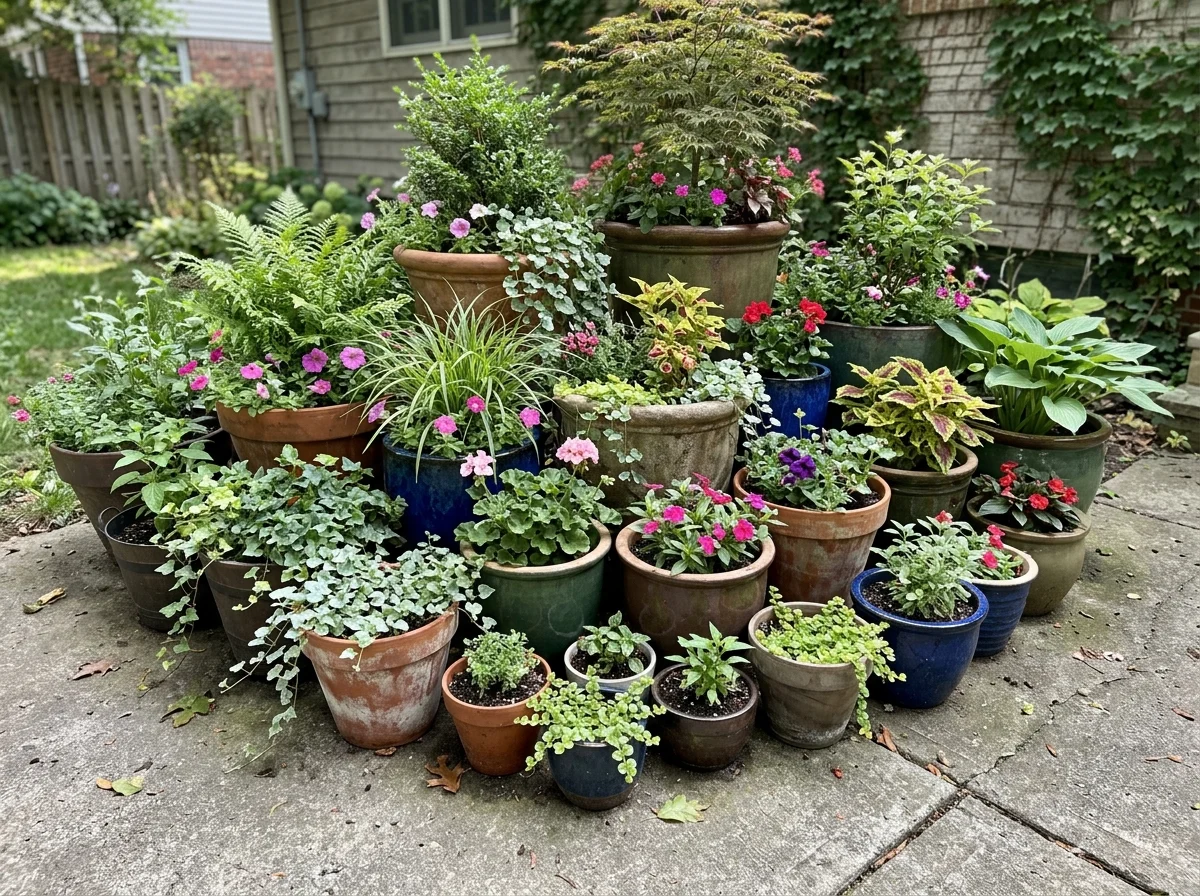
Grouping several containers of different heights and shapes together on a patio creates a fuller, more layered look than scattering single pots around the space, and it also makes watering more efficient since everything is within reach at once. A useful approach for filling a cluster is combining a tall centerpiece plant, filler plants that add volume, and something trailing over the container’s edge, giving the arrangement visual structure without needing a big planting plan. Rotate pots occasionally so every plant gets even light exposure, since taller pots at the back can shade shorter ones nearby.
10. Fabric Grow Bag Corner
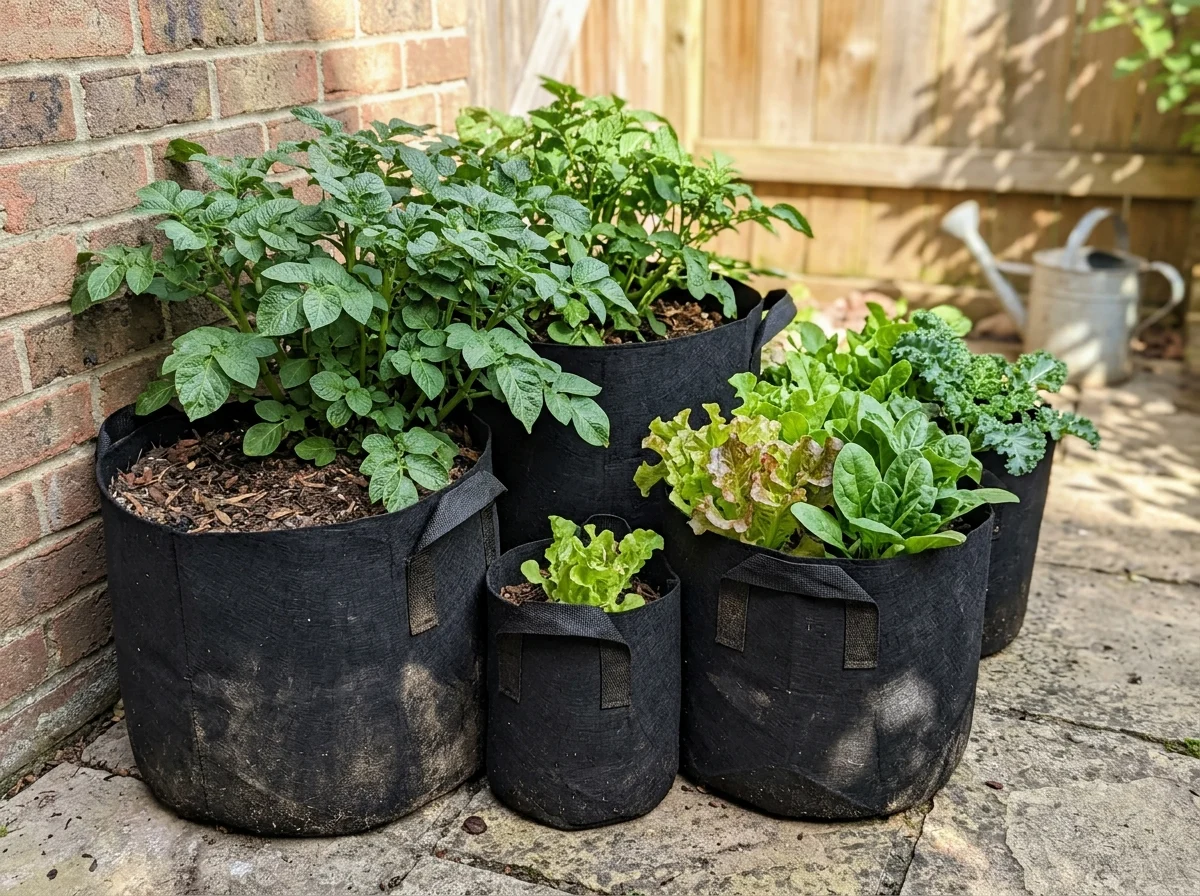
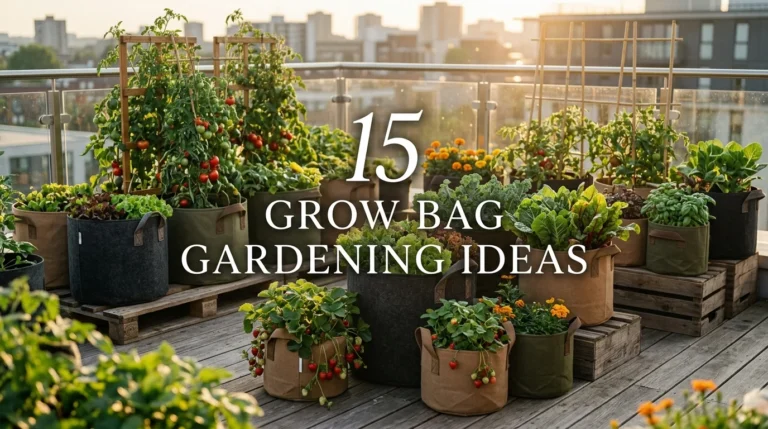
A cluster of fabric grow bags tucked into a sunny corner is a flexible, low-cost way to add growing space without committing to permanent containers, since the bags fold flat for storage when a season ends. They offer better drainage and root aeration than solid-sided pots, which many gardeners find helps prevent the root circling that happens in plastic containers. Grow bags come in a wide range of sizes suited to everything from herbs to potatoes, and they are worth exploring in more depth if this corner setup works well for your space.
Conclusion
Container gardening works because it adapts to whatever space you actually have rather than demanding a yard you might not own. A single terracotta pot on a windowsill and a full stock tank raised bed both count as real container gardens, the difference is just scale and commitment. Start with one or two containers suited to your available light and how often you can realistically water, then expand once you see what thrives. The best container setup is the one that fits your actual home, not the most elaborate one you can picture.
Frequently Asked Questions
What is the best container for a beginner to start with?
A five-gallon bucket or a basic terracotta pot are both good starting points, since they are inexpensive, widely available, and forgiving of minor mistakes. Both work well for a single tomato or pepper plant, giving a beginner a manageable first project before scaling up to more containers or larger setups.
How often do container plants need watering compared to ground beds?
Container plants generally need watering more often than ground beds, sometimes daily in hot weather, since the limited soil volume in a pot dries out much faster than soil in the ground. Smaller and shallower containers, like window boxes and hanging baskets, dry out fastest and may need checking twice a day during summer heat.
Can I grow vegetables in containers without a yard?
Yes, a sunny balcony, patio, doorstep, or even a windowsill can support a real container vegetable garden as long as it gets at least six hours of direct sun for most fruiting crops. Leafy greens and herbs tolerate somewhat less light, making them a good choice for a partly shaded space.
Do containers need drainage holes?
Yes, every container needs at least one drainage hole, without it, water pools at the bottom and roots sit in standing moisture, which quickly leads to root rot. If a decorative pot has no hole, either drill one or use it as an outer cover for a separate pot that already drains properly.
What size container do most vegetables need?
Most fruiting vegetables like tomatoes and peppers need a container of at least five gallons to develop a full root system, while shallow-rooted crops like lettuce and herbs can do well in containers as small as one or two gallons. Root vegetables like carrots need depth more than width, generally at least 12 inches.
How do I keep container soil from drying out too fast in summer?
A layer of mulch, such as straw or shredded bark, on top of the soil slows evaporation significantly, and grouping containers together rather than spacing them apart also helps by creating shade and humidity around the pots. Switching to a self-watering container or adding a drip irrigation spike helps even more for anyone who cannot check pots daily.