
15 Grow Bag Gardening Ideas Anyone Can Copy
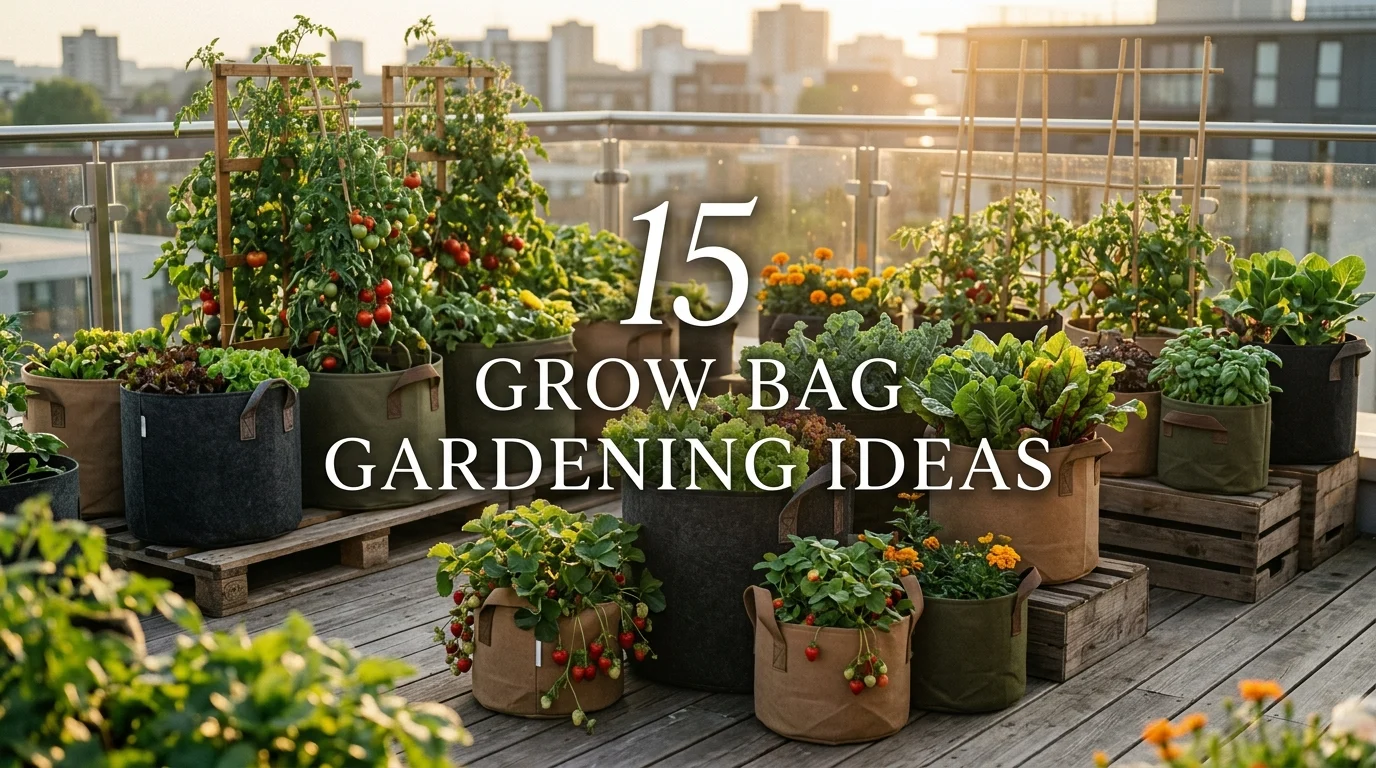
I’ve noticed that plants grown in fabric bags next to the same variety in plastic pots tend to develop noticeably different root systems, one produces a tangled mass circling the container walls, the other stops that pattern before it can start. Fabric grow bags solve a real problem that regular pots create, the fabric lets air reach the roots through the sides, which naturally prunes root tips instead of letting them wrap around and around looking for space. Grow bags gardening ideas cover a lot more than tomatoes and potatoes, once you understand how sizing, drainage, and portability work together, a whole range of crops become realistic in a small footprint. This list walks through fifteen specific ways to put grow bags to use, matched to the crops that do especially well in them, along with the sizing, drainage, and seasonal details that make the difference between a strong harvest and a disappointing one. A balcony, a patchy backyard, or rented space you cannot dig into all work fine with grow bags, since they give you a portable, breathable option that regular containers cannot quite match.
1. Choosing the Right Grow Bag Size for Each Crop
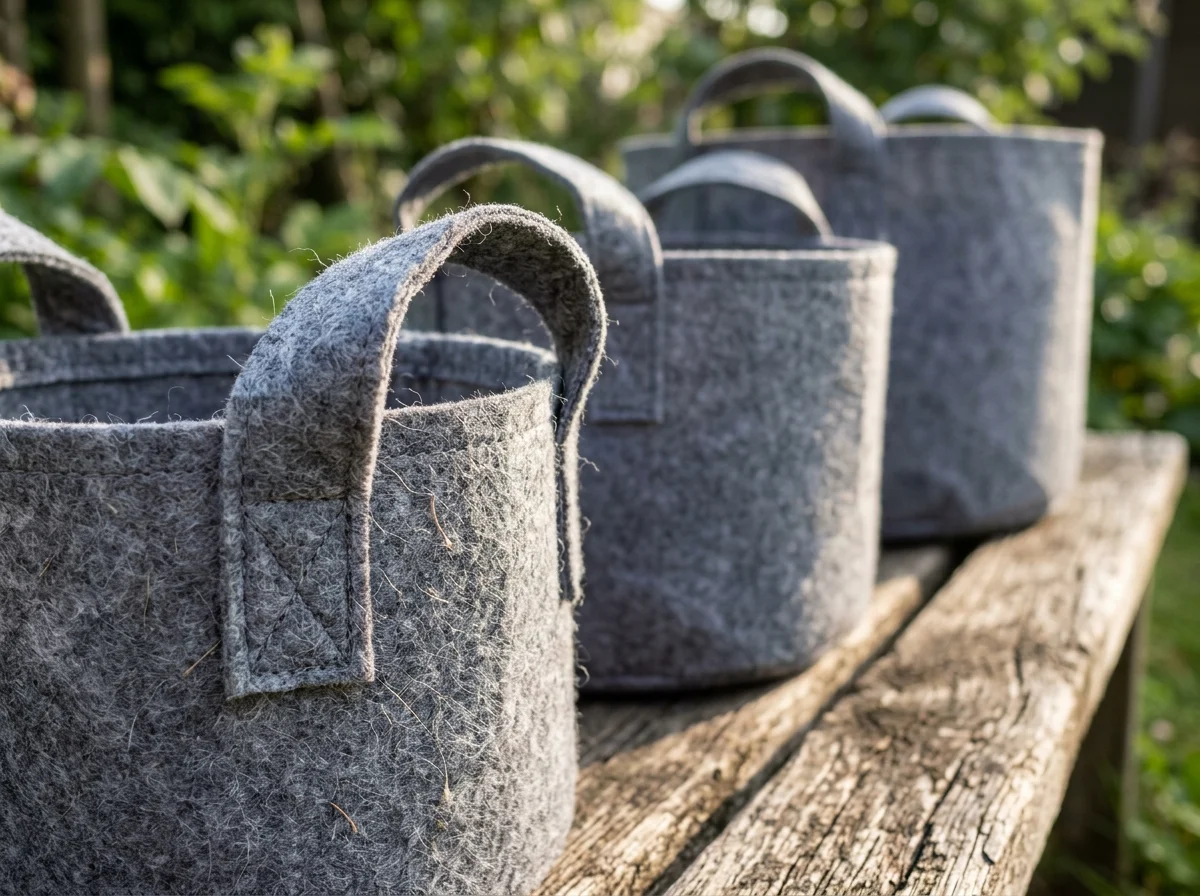
Grow bag size should match the mature root system of what you are growing, not just the size of the seedling you are starting with. A 3 to 5 gallon bag suits herbs and small greens, 7 to 10 gallons fits peppers and bush beans, and 15 to 20 gallons or larger handles tomatoes, potatoes, and squash that need real root room to size up. Going too small stunts growth and forces more frequent watering, since a small volume of fabric-wrapped soil dries out fast. When in doubt, size up rather than down, an oversized bag causes far fewer problems than a cramped one.
2. Growing Potatoes in Grow Bags
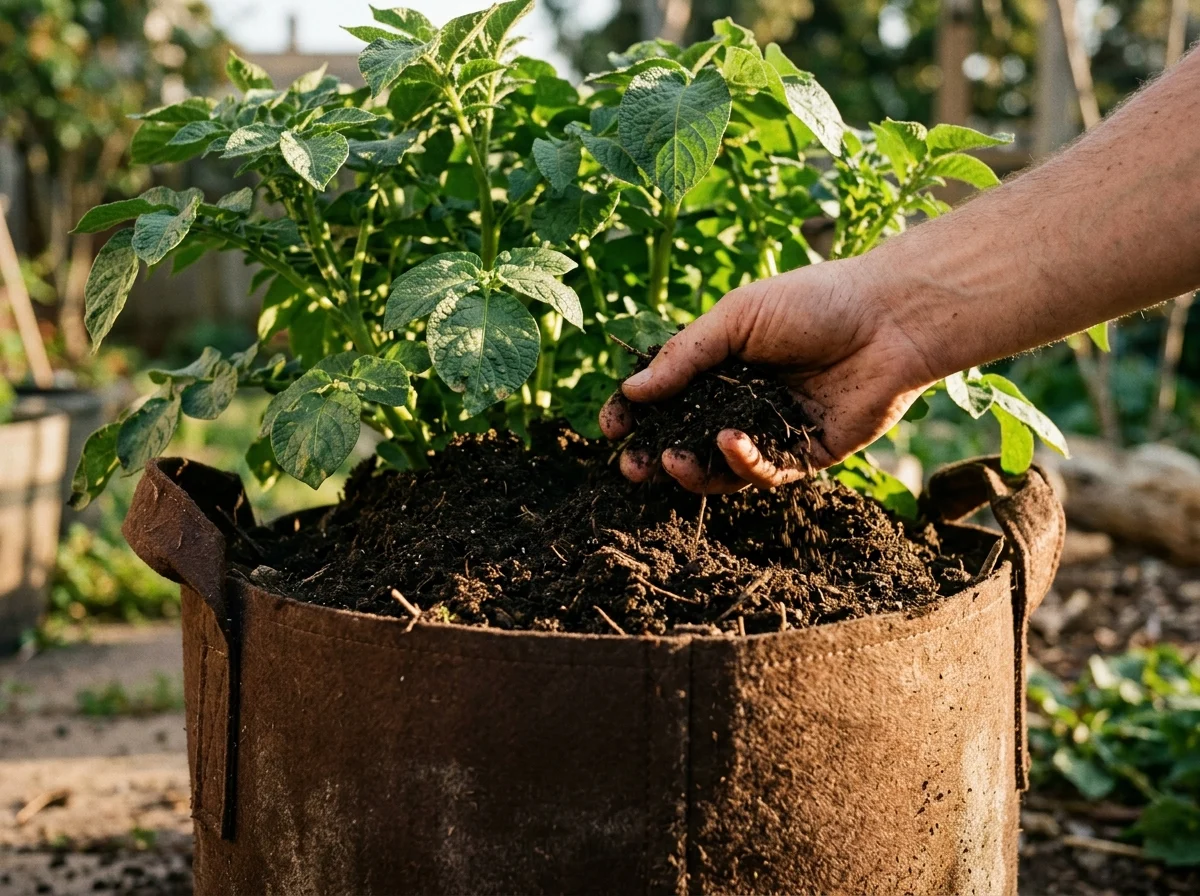
Potato grow bags, usually 10 to 15 gallons with sturdy handles, let you hill soil up around the stems as the plant grows without digging, and harvest is as simple as tipping the bag over at the end of the season. Start with a few inches of soil in the bottom, plant seed potatoes, and add more soil in layers as green growth appears, covering all but the top leaves each time. This method typically produces a cleaner, easier harvest than digging potatoes from the ground, and it works even where native soil is rocky or compacted.
3. Growing Tomatoes in Grow Bags
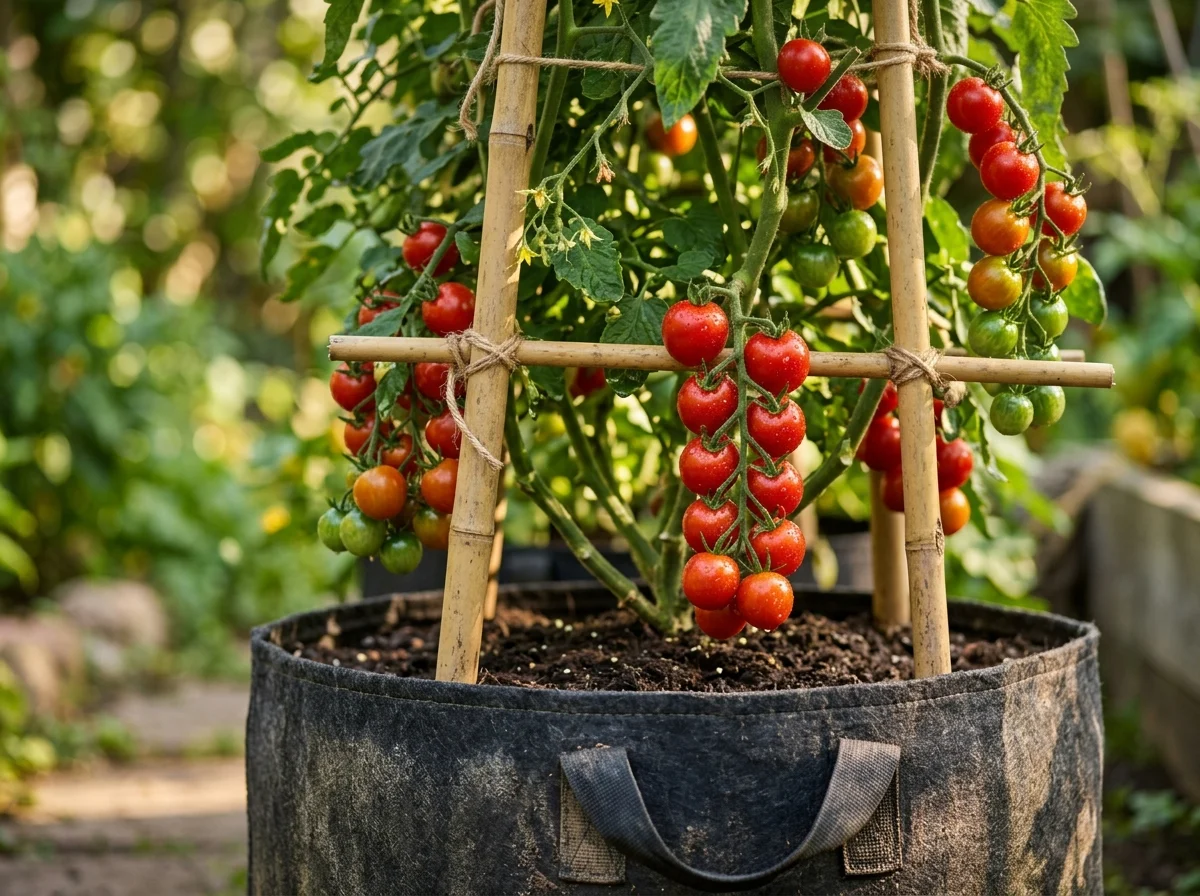
Tomatoes do especially well in grow bags of 15 to 25 gallons, since the fabric’s air pruning encourages a dense, fibrous root system that supports vigorous top growth. Indeterminate varieties still need a stake or cage pushed into the bag early, before the root ball fills in and makes it harder to insert supports without damage. Grow bags also warm up faster than the ground in spring, which can let you set tomato transplants out slightly earlier in a cool climate. Consistent watering matters more in a bag than in the ground, since fabric containers dry out faster than garden soil.
4. Grow Bag Salad and Greens Garden
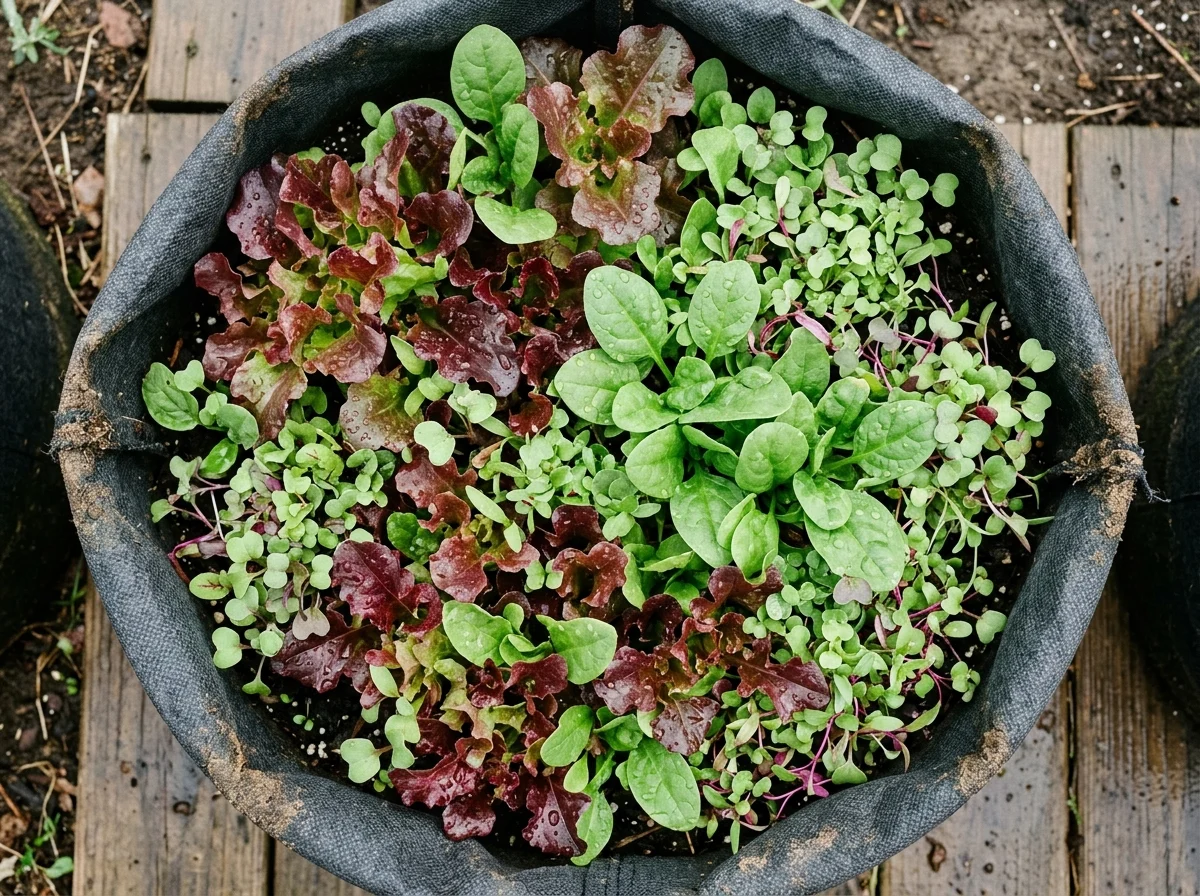
Shallow-rooted greens like lettuce, arugula, and spinach do well in wide, shorter grow bags, generally 5 to 7 gallons, since these crops need surface area more than depth. Because grow bags are lightweight and portable, a greens bag can be moved to follow the sun in spring or shifted into afternoon shade once summer heat sets in, extending the harvest window compared to a fixed bed. Sow seeds directly and thin as they grow, or transplant small starts a few inches apart across the surface of the bag.
5. Growing Carrots and Root Vegetables in Grow Bags
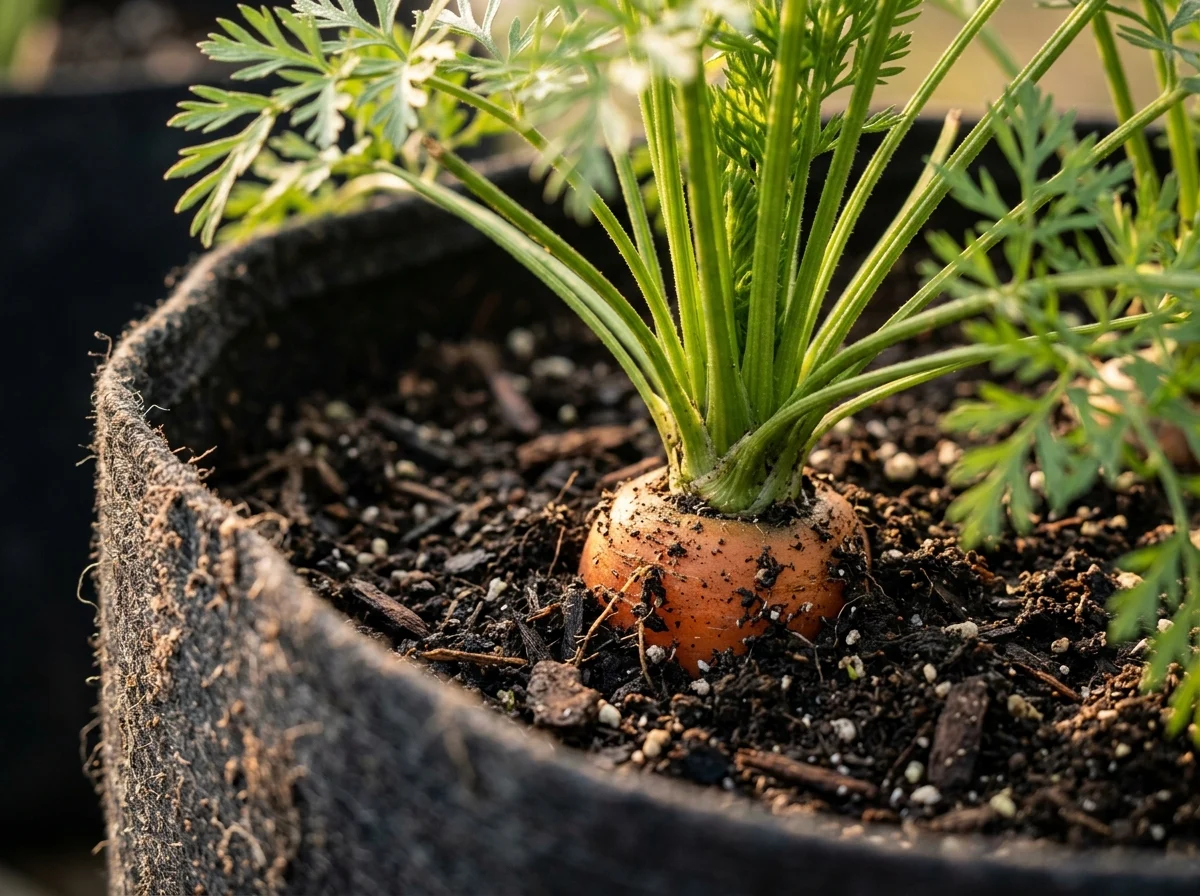
Tall, narrow grow bags at least 12 inches deep give carrots, beets, and other root vegetables the loose, unobstructed depth they need to size up straight, which matters especially where native soil is heavy clay or full of rocks that cause forked, stunted roots. Fill the bag with a loose, well-draining mix rather than dense garden soil, since compaction is the main cause of misshapen roots in any container. Water evenly and consistently, since irregular moisture is a common cause of cracked carrots.
6. Strawberry Grow Bags
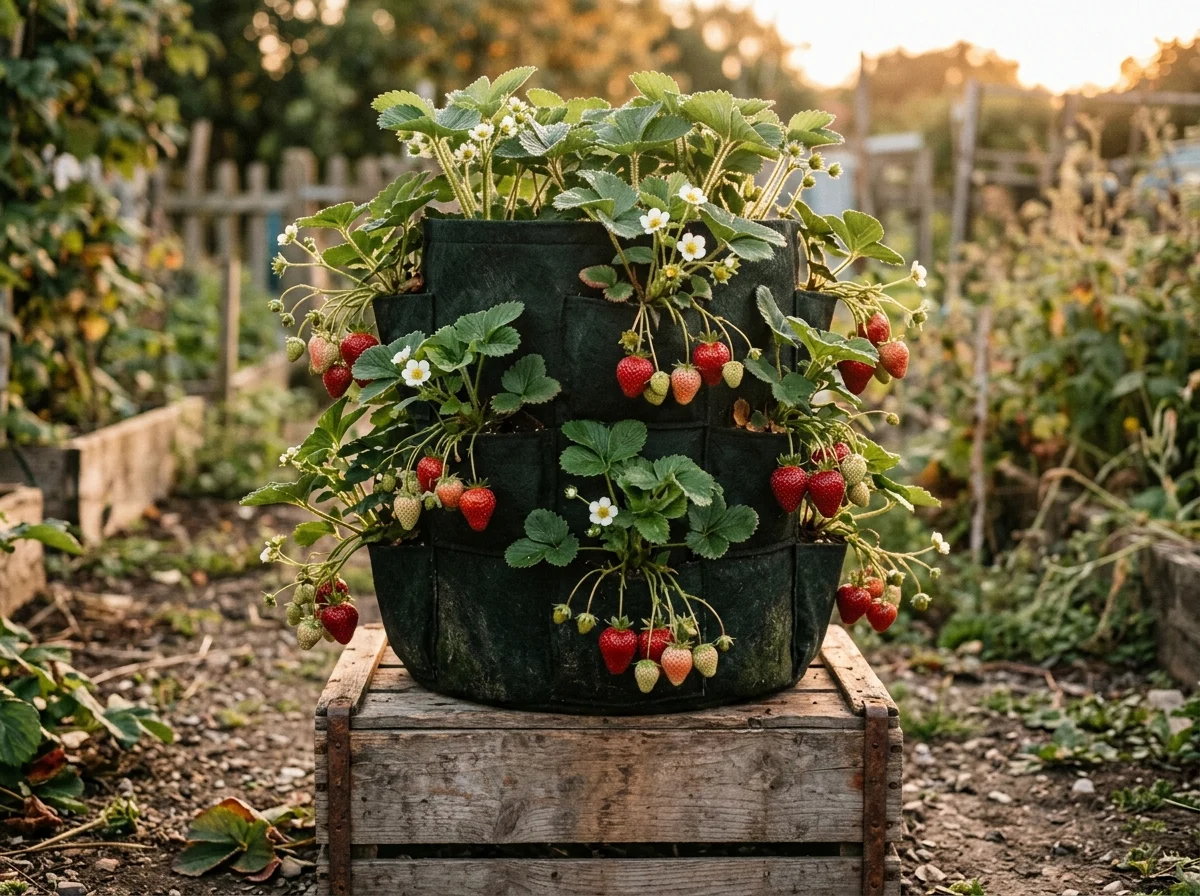
Strawberries suit a grow bag with cutout side pockets or a shorter, wider standard bag planted around the edges, since the plants spread via runners and benefit from good airflow around the crowns to prevent rot. A 5 to 7 gallon bag comfortably holds several plants along its perimeter. Elevating the bag on a small stand or upside-down crate also keeps ripening berries off damp soil, reducing the fruit rot that low-growing strawberries are prone to in ground beds.
7. Herb Grow Bags for Patios
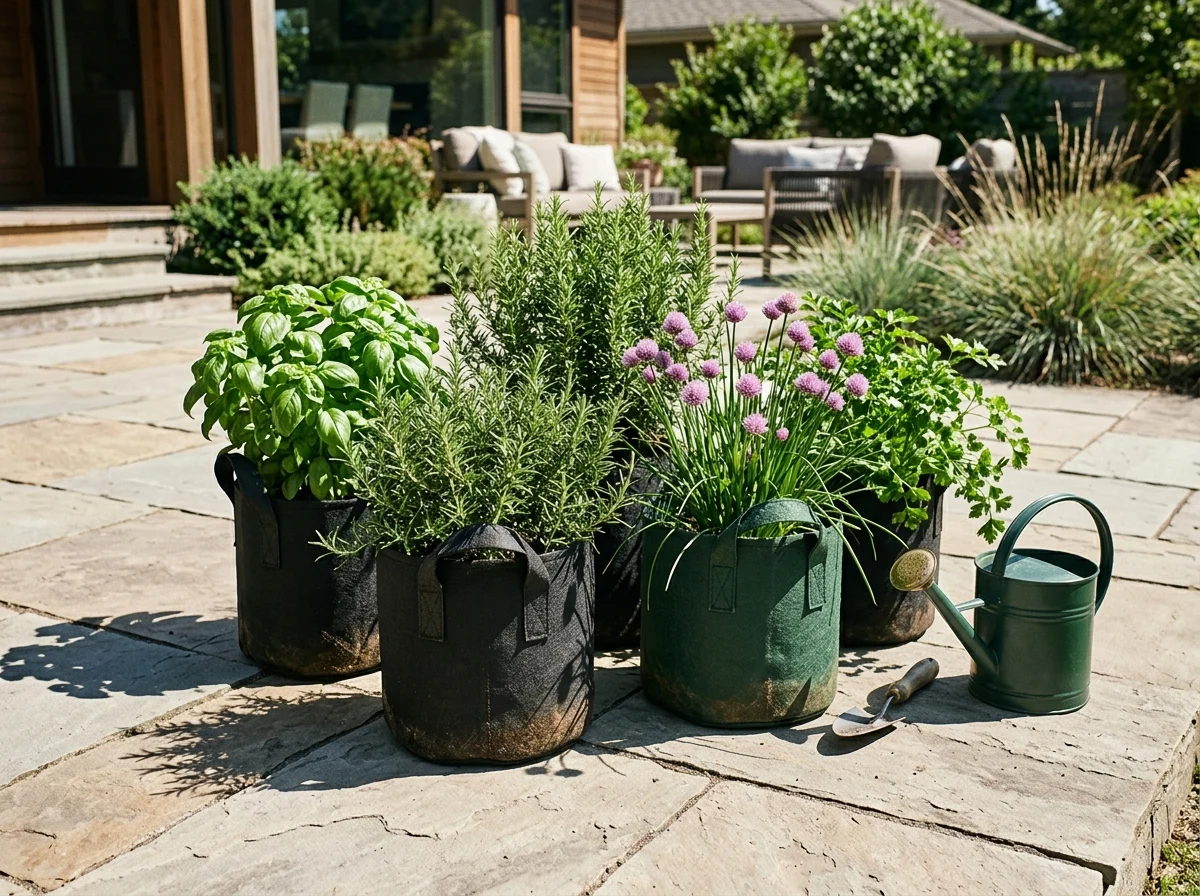
A cluster of small grow bags, 3 to 5 gallons each, grouped together on a patio makes an efficient herb garden that stays compact and easy to move if the sun pattern on your patio shifts through the season. Mediterranean herbs like rosemary, thyme, and oregano especially benefit from the fast drainage fabric bags provide, since these plants dislike sitting in damp soil. Because bags fold flat when empty, this setup is easy to scale up or down depending on how much patio space is free that year.
8. Grow Bags for Small-Space Balconies
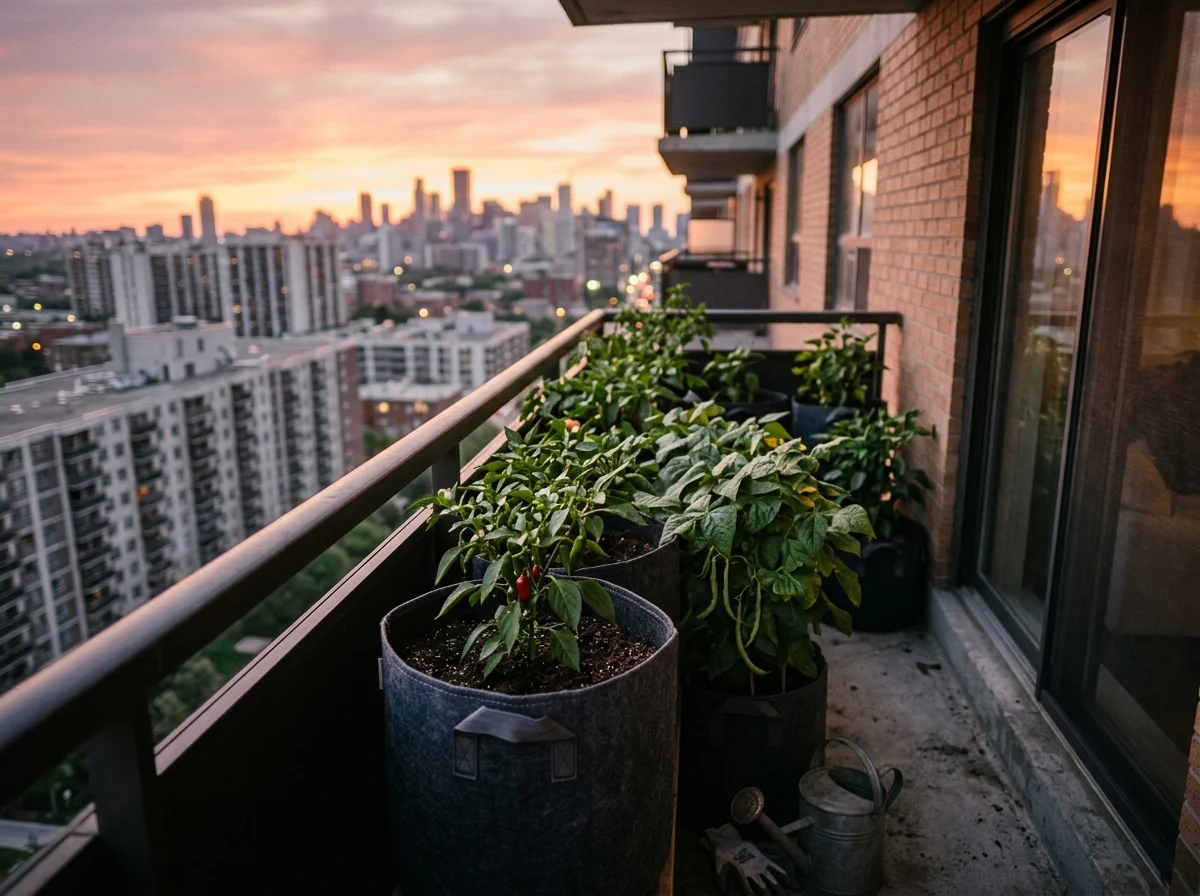
Grow bags are especially well suited to balconies because they weigh far less than filled ceramic or stone pots of a comparable size, an important detail on structures with weight limits. Choose bags with sturdy handles for repositioning, and place a saucer or tray underneath to catch drainage water before it reaches the floor below. Peppers, bush beans, and compact tomato varieties all do well on a sunny balcony in appropriately sized bags, generally 7 to 15 gallons depending on the crop.
9. Grouping Grow Bags for a Mini Vegetable Patch
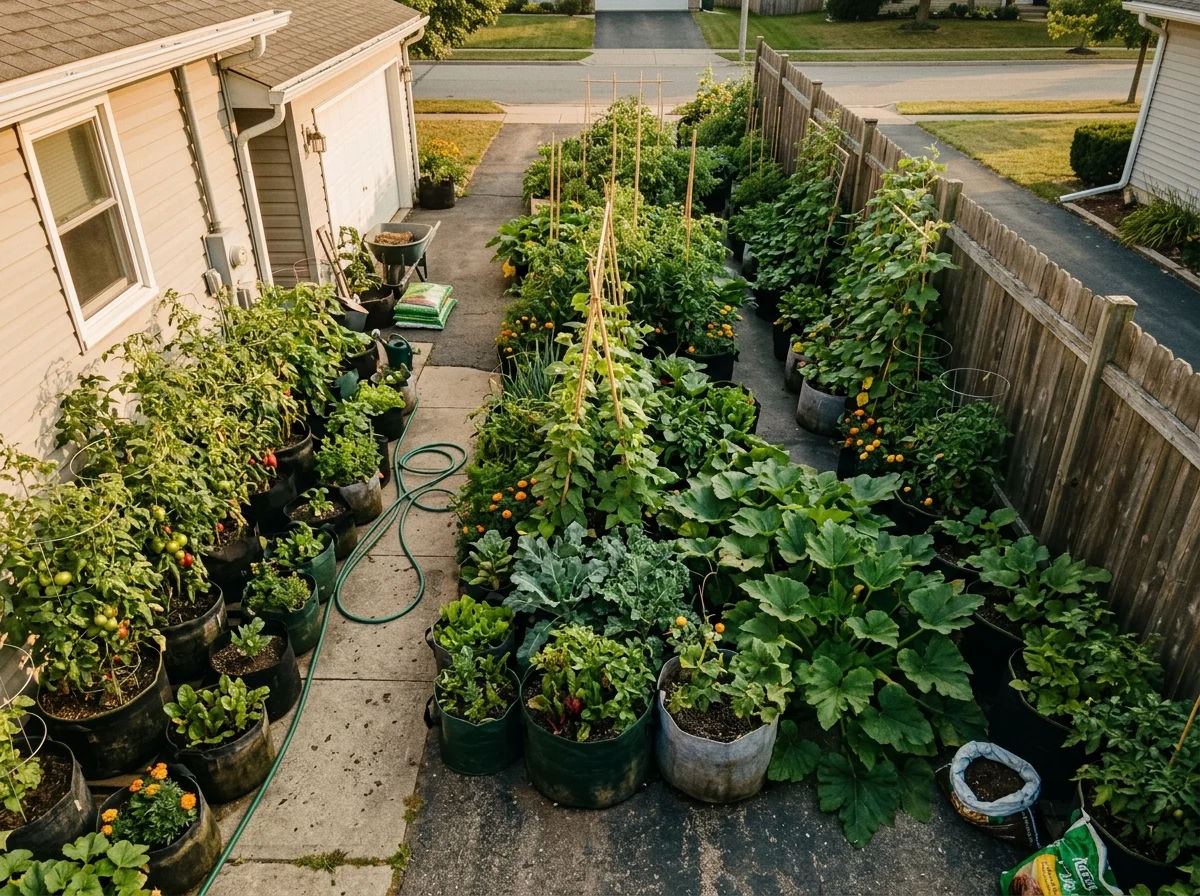
Arranging a dozen or more grow bags of mixed sizes together on a driveway, patio, or gravel area creates a full mini vegetable patch without any digging or permanent structure at all. Group bags by watering needs, thirstier crops like tomatoes and squash together, drought-tolerant herbs separately, so you are not overwatering one plant to satisfy another nearby. This approach suits renters or anyone unsure how long they will stay in a given space, since the entire garden can be relocated in an afternoon.
10. Grow Bags on Wheeled Trays for Mobility
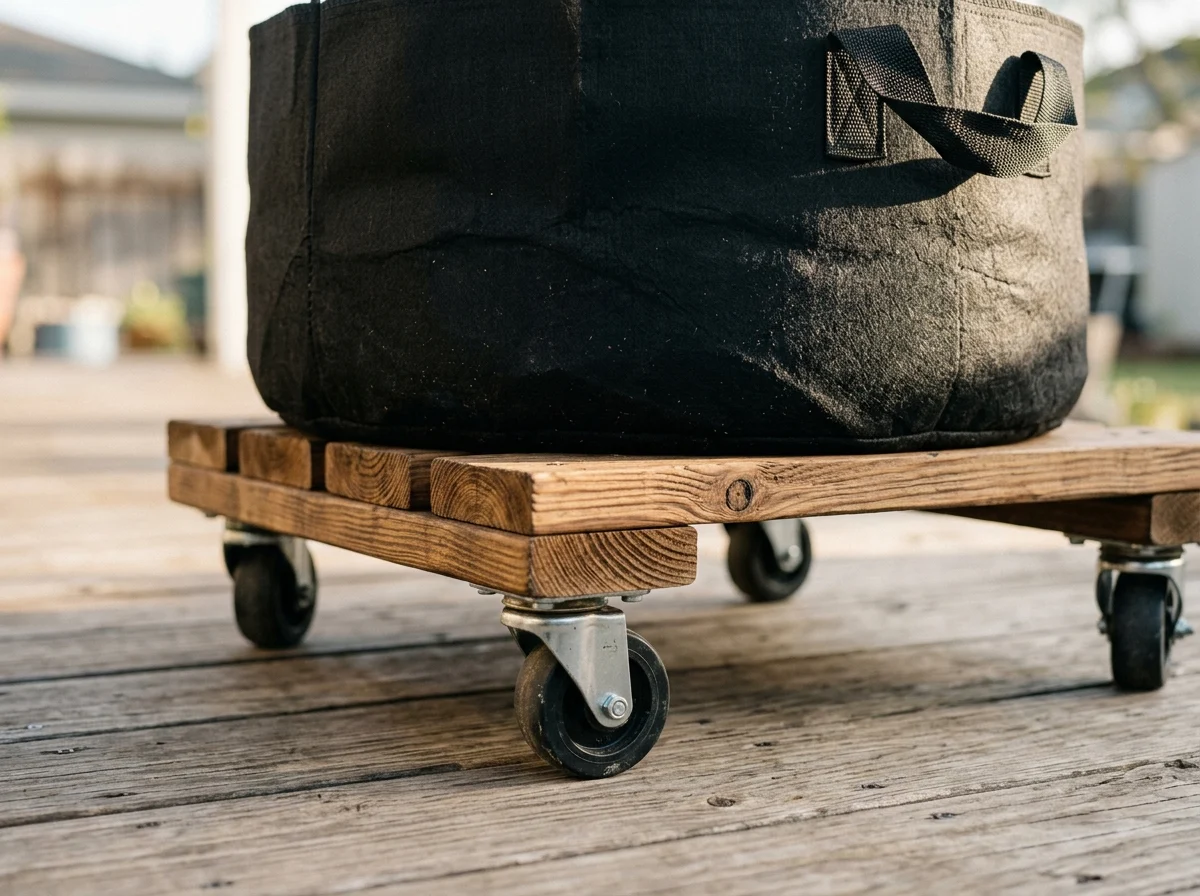
Setting large grow bags on wheeled plant caddies makes it possible to shift heavy, filled containers to chase sun, escape an early frost warning, or move plants under cover during a hailstorm, without the back strain of lifting a full bag. This matters most for the largest bags, 20 gallons or more of wet soil is genuinely heavy, and a caddy turns a two-person job into something one person can manage alone. It also protects a wooden deck or patio surface from moisture damage by keeping the bag’s base slightly elevated and ventilated.
11. Overwintering Perennials in Grow Bags
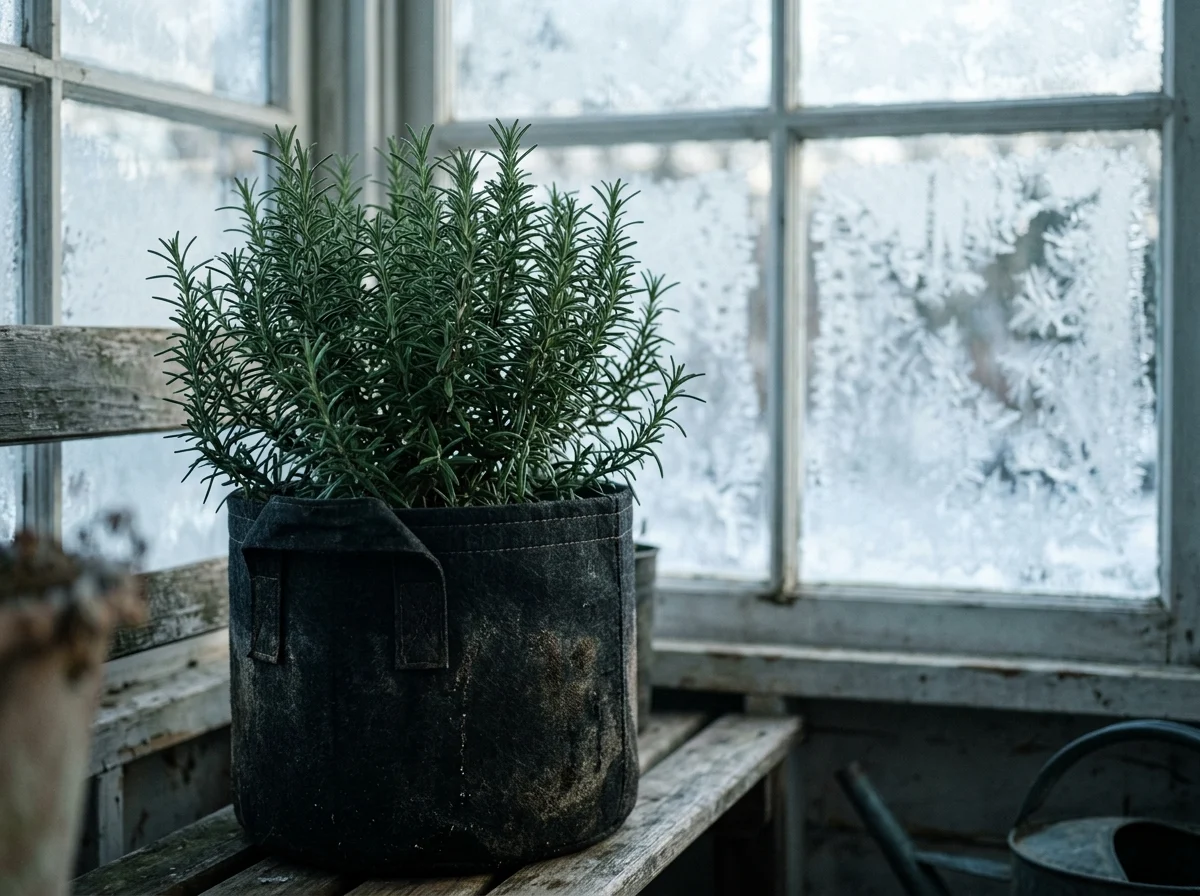
Cold-sensitive perennial herbs and small shrubs grown in grow bags can be moved indoors or into a garage or unheated porch for winter protection, something not possible with anything planted directly in the ground. Reduce watering significantly once the plant goes dormant, since overwatering a resting plant in a container is a common cause of winter losses. Bring plants back outside gradually in spring rather than moving them straight from indoor shelter into full sun, which can shock and scorch new growth.
12. Grow Bags for Squash and Vining Crops With Trellis Support
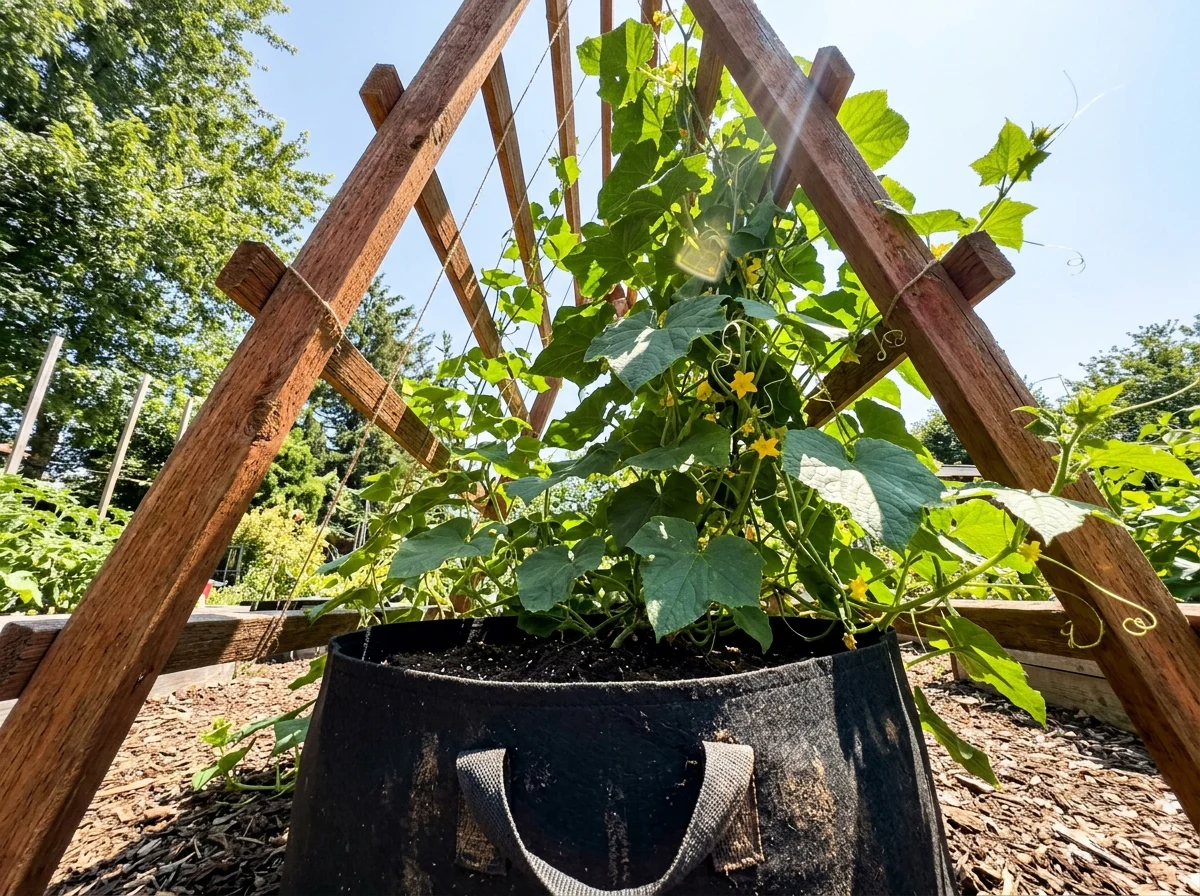
Large grow bags, 20 gallons or more, positioned at the base of a trellis or A-frame structure let vining crops like cucumbers, small squash, and pole beans grow upward instead of sprawling across the ground, saving significant space. Push the trellis base into the soil at planting time before roots fill the bag, since inserting a structure later risks damaging an established root system. Vertical growth also improves airflow around the leaves, which can reduce the fungal issues that dense, ground-level squash plants often develop.
13. Fabric Grow Bag Soil Blend Tips
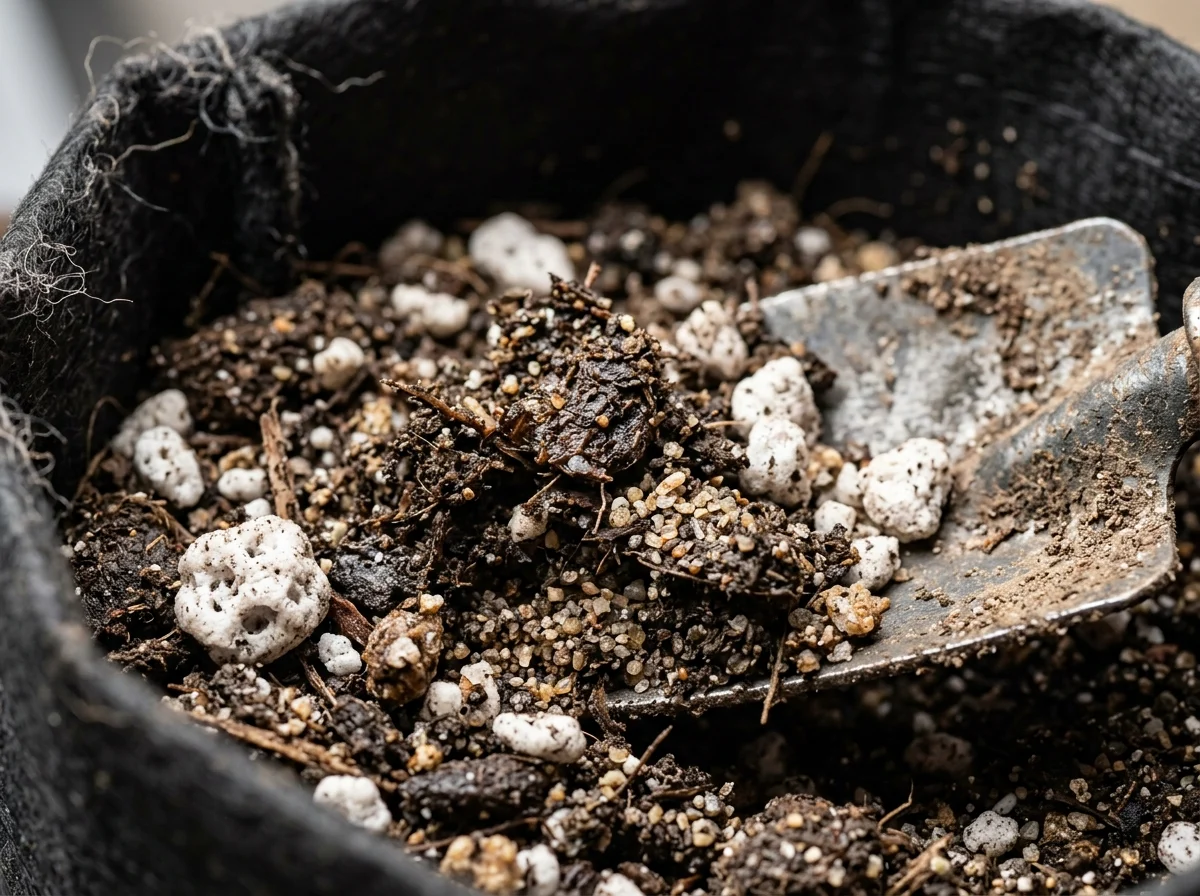
Because grow bags drain faster and dry out quicker than garden soil or even plastic pots, the soil blend matters more here than in an in-ground bed. A mix of quality potting soil with added compost, and a handful of perlite or coarse sand for extra drainage in bags growing root vegetables, tends to perform best. Avoid using straight garden soil in a grow bag, since it compacts differently in a fabric container and drains poorly compared to a proper potting blend.
14. Grow Bags for Renters and Temporary Gardens
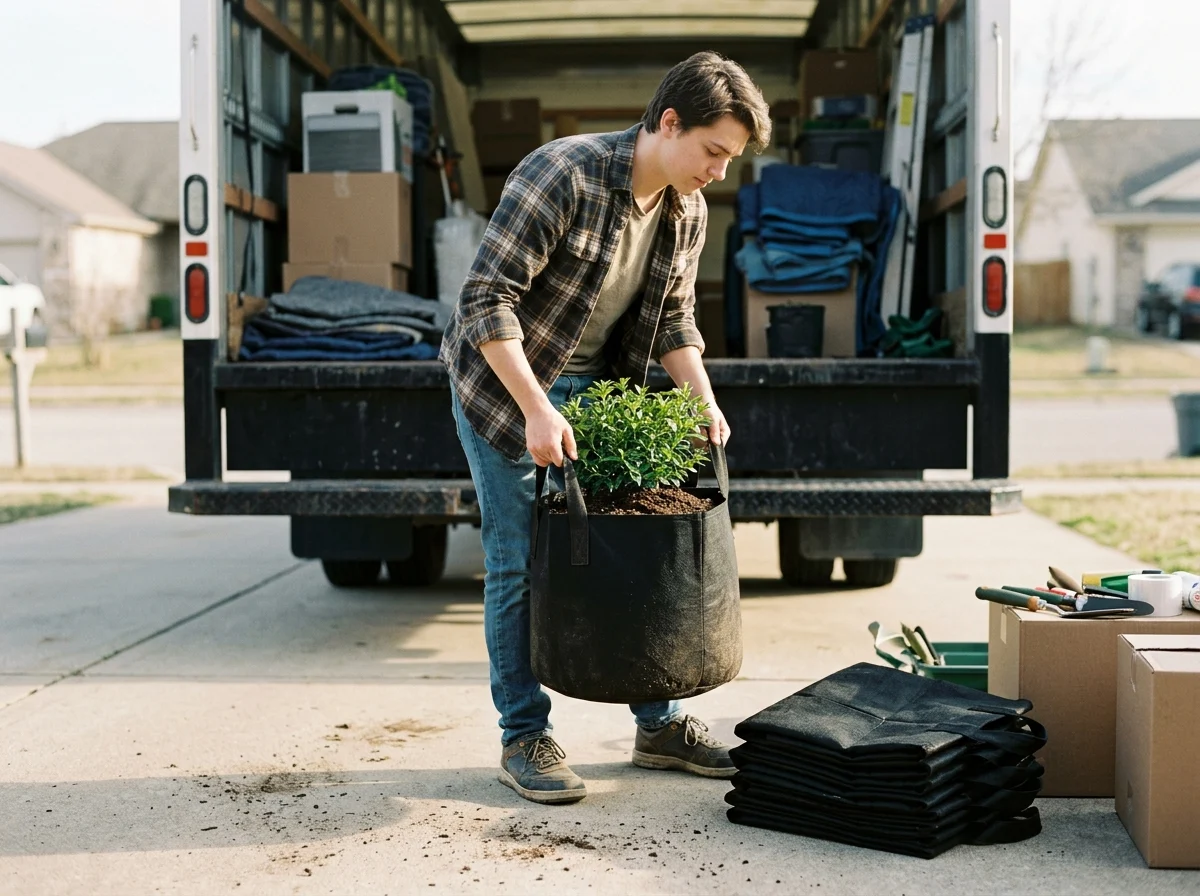
For anyone renting or living somewhere they cannot dig a permanent bed, grow bags offer a full growing season’s worth of vegetables that can be emptied, folded flat, and taken along at move-out time. Reusable bags typically last three to five seasons with reasonable care, rinsing soil out and drying them fully before storage extends that lifespan noticeably. This setup removes the biggest obstacle temporary residents face, the inability to commit to permanent garden infrastructure on a property they do not own.
15. Seasonal Rotation With Grow Bags
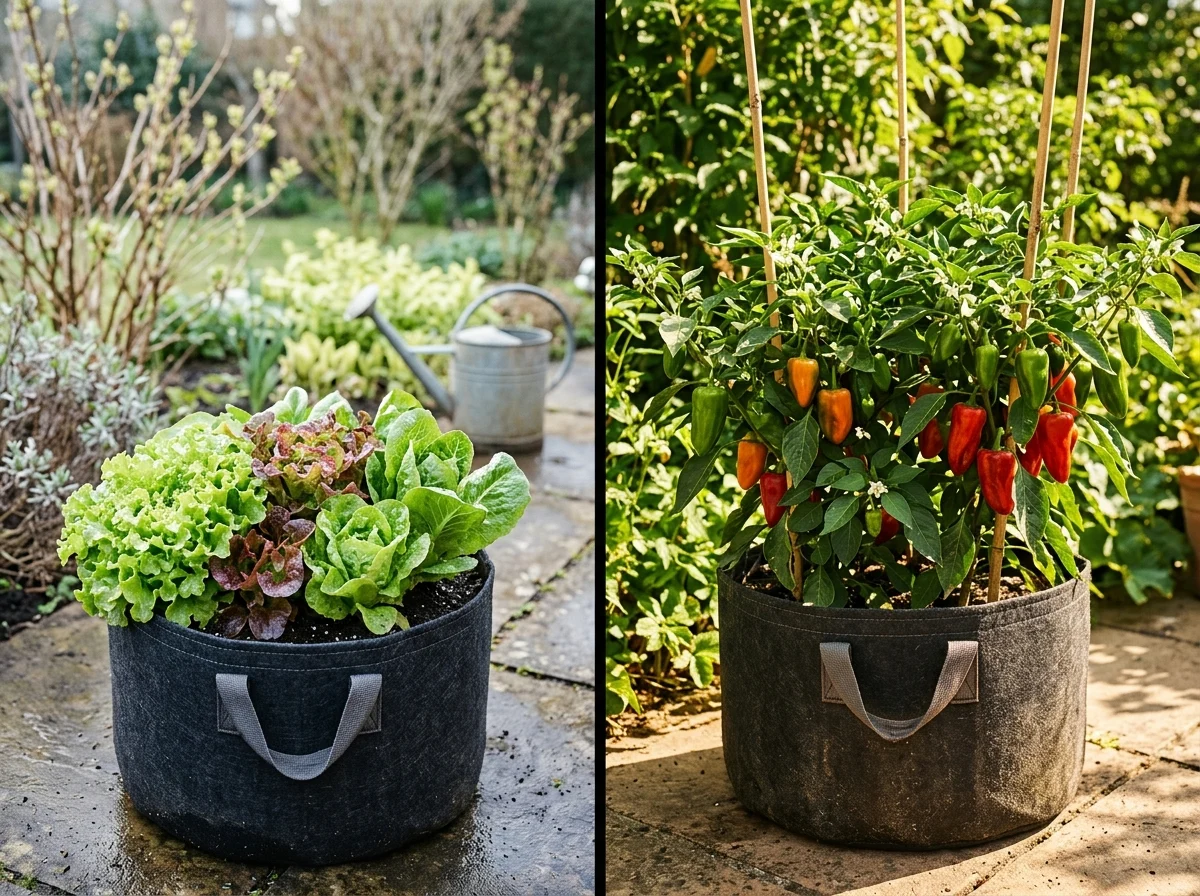
Because grow bags are portable and easy to empty, a single set can grow cool-season crops like lettuce and peas in spring, heat-loving tomatoes and peppers through summer, and a fall planting of greens or garlic once the summer crop finishes, all in the same bags across one year. Refresh the soil with fresh compost between plantings rather than reusing depleted mix straight through multiple crops. This rotation approach gets far more use out of a small number of bags than leaving one crop in place all season.
Conclusion
Grow bags earn their popularity because they solve problems regular pots and ground beds cannot, better root health through air pruning, real portability, and the ability to garden somewhere you cannot dig. Matching bag size to the crop and paying attention to watering, since fabric dries out faster than plastic or soil, makes the biggest difference in how well any of these ideas actually perform. Start with one or two bags sized for a crop you already want to grow, and expand from there once you see how the fabric behaves in your specific climate and sun exposure.
Frequently Asked Questions
What size grow bag do I need for tomatoes?
Tomatoes need at least 15 gallons, and 20 to 25 gallons works even better for large indeterminate varieties, since a bigger root system supports stronger, more productive top growth. A bag under 10 gallons will produce a smaller, more stressed plant that needs watering multiple times a day in hot weather.
Do grow bags need drainage holes?
No, fabric grow bags do not need separate drainage holes, the porous fabric itself allows excess water to drain through the sides and bottom naturally. This is one of the main advantages over solid plastic pots, which rely entirely on a single bottom hole and are more prone to waterlogging.
How long do fabric grow bags last?
Most quality fabric grow bags last three to five growing seasons with reasonable care, though thinner, budget bags may only make it through one or two. Rinsing soil out at the end of the season and letting the bag dry fully before folding it for storage extends its lifespan noticeably.
Can grow bags be reused season after season?
Yes, grow bags can be reused for several seasons as long as the fabric is not torn or badly degraded. Refresh the soil with new compost between plantings rather than reusing depleted mix, and consider rotating which crop family goes in a given bag to reduce the buildup of soil-borne problems.
Do grow bags need more watering than regular pots?
Yes, fabric grow bags generally dry out faster than plastic pots because the porous sides allow moisture to evaporate from all directions, not just the top surface. In hot weather, this can mean watering once or even twice a day for smaller bags, so check soil moisture more often than you would with a plastic container.
What grows best in grow bags?
Potatoes, tomatoes, peppers, strawberries, and most herbs grow especially well in grow bags because they benefit from the improved drainage and air-pruned root systems fabric containers provide. Deep-rooted crops like carrots also do well as long as the bag is tall enough, generally at least 12 inches deep.