
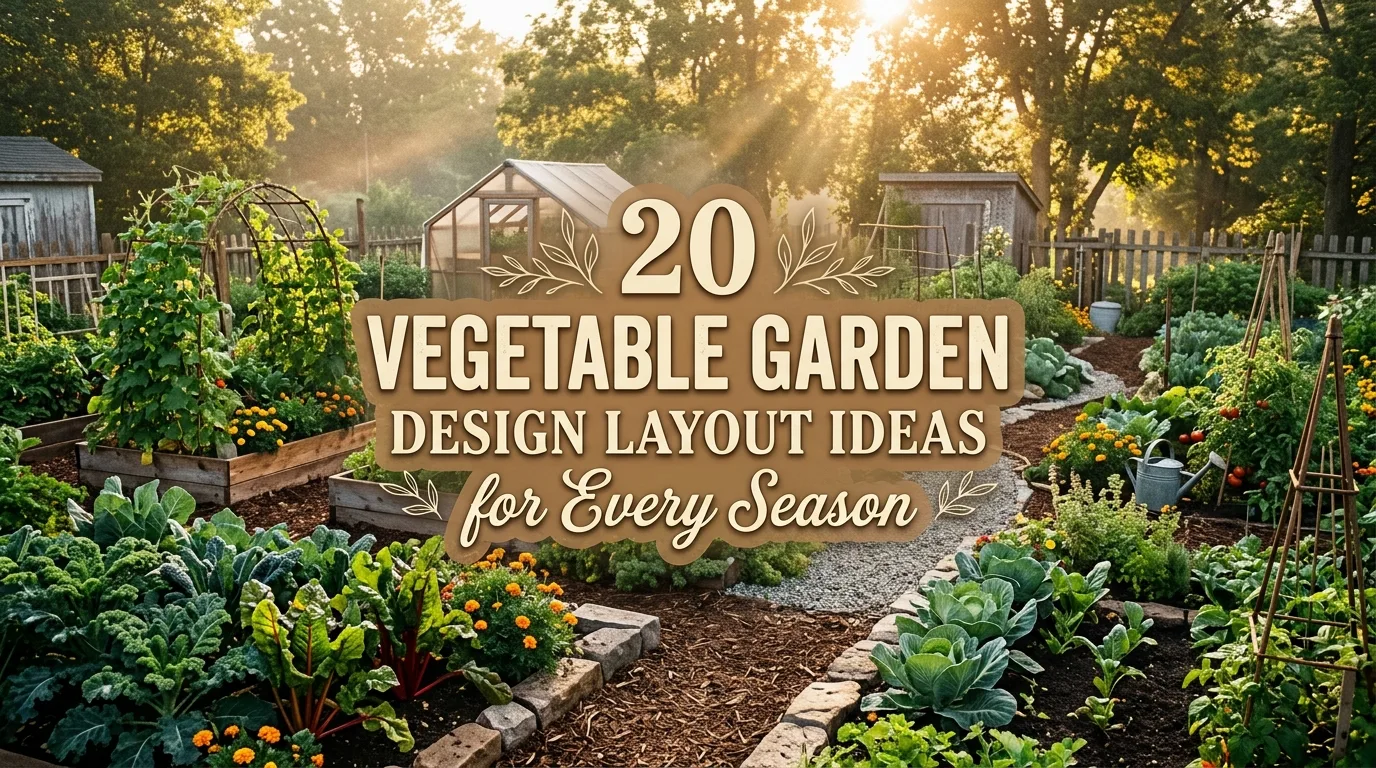
20 Vegetable Garden Design Layout Ideas for Every Season
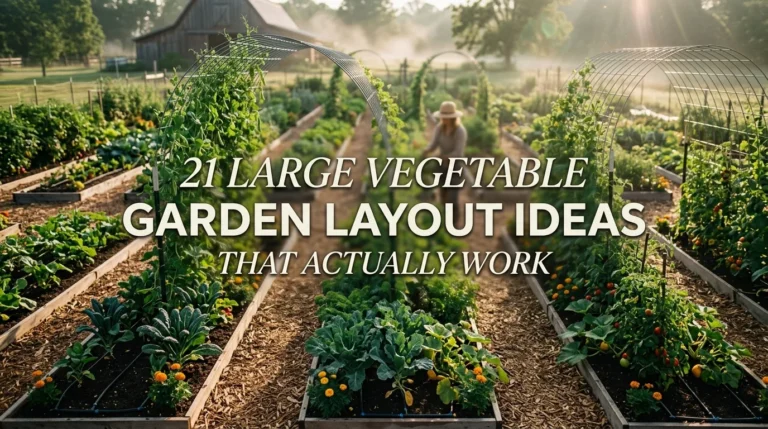
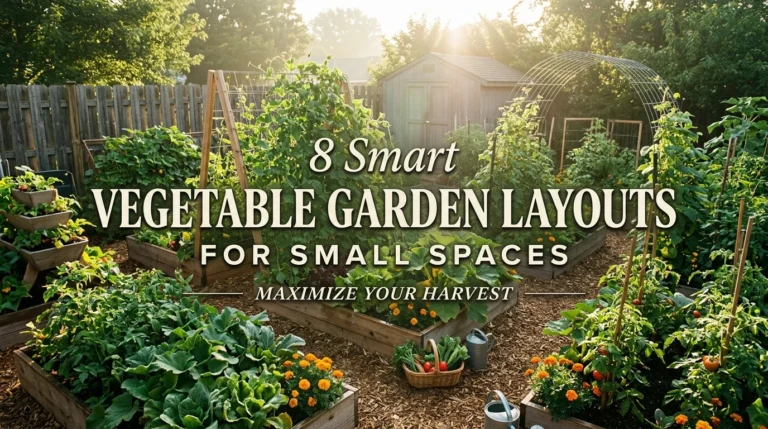
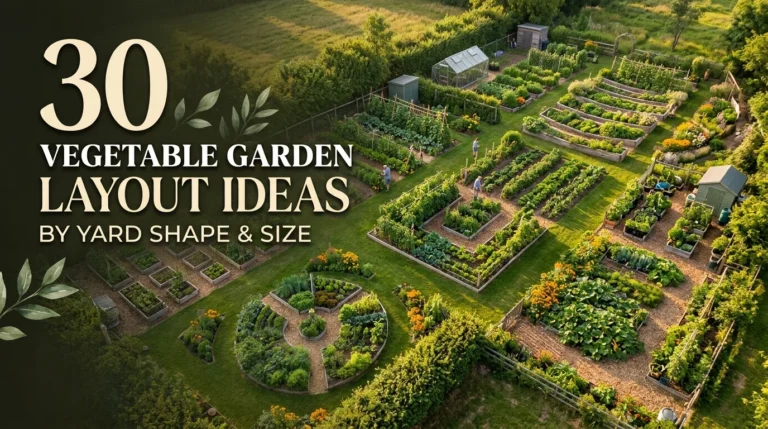
Most vegetable garden layouts look great in May and then fall apart by August, once the lettuce has bolted, the tomatoes have taken over, and half the beds sit empty with nothing growing in them. I’ve come to think of a good vegetable garden design layout less as a fixed map and more as a plan that changes with the calendar, spring beds that hand off to summer crops, summer zones that make room for a fall planting, and fall beds that either rest under a cover crop or keep producing through a cold frame. Designing this way means your garden stays productive across the year instead of peaking once and going quiet. This guide walks through twenty layout ideas organized by season, covering how to build spring succession zones, transition beds for summer, fall cover-crop space, and season-extension structures like cold frames and low tunnels for whichever months your climate allows you to keep growing in. Not every idea applies to every climate, since a four-season rotation looks different in a mild coastal region than it does somewhere with a hard winter freeze, so use what fits your growing zone. Start with the season most gardens begin in: spring.
1. Design a Spring Cool-Season Zone
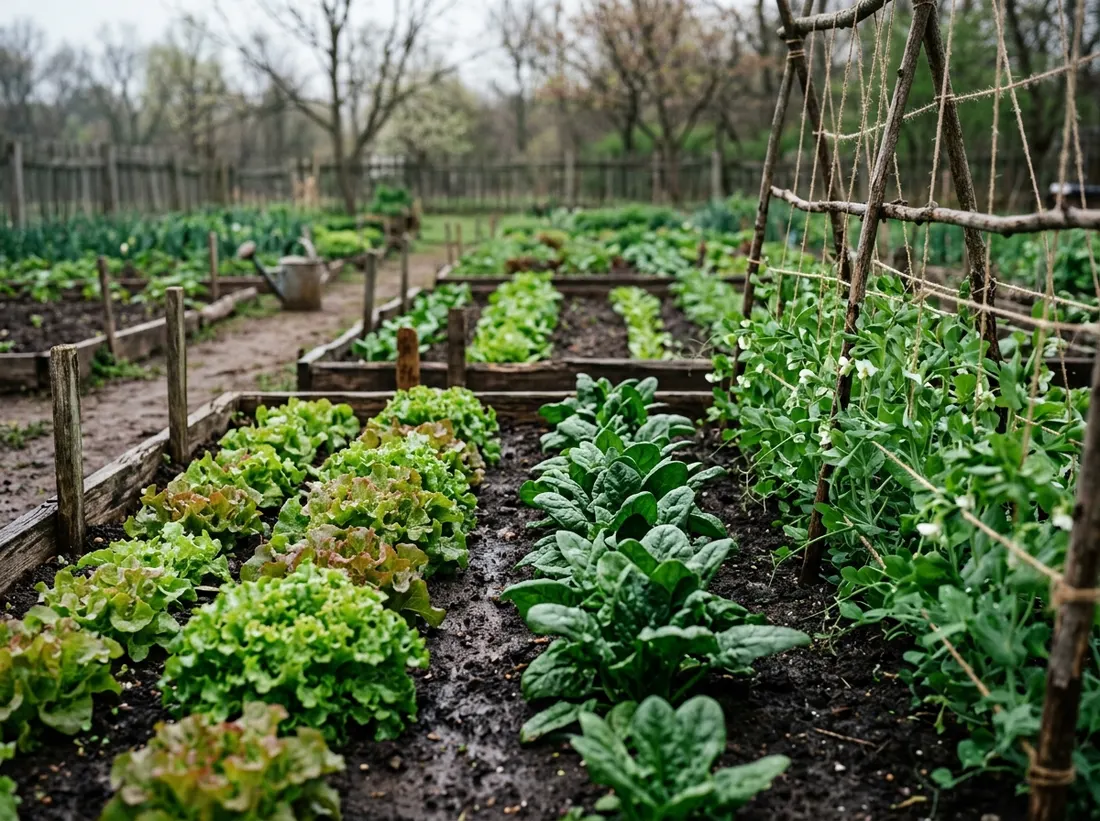
Set aside a dedicated bed or section for cool-season crops like lettuce, spinach, peas, and radishes that go in a few weeks before your last frost date. This zone should sit somewhere you can reach easily in cool, sometimes muddy early spring weather, and it should be planned knowing these crops will finish and get replaced within 6 to 10 weeks, well before summer heat sets in.
2. Plan a Bed for Early Spring Successive Sowing
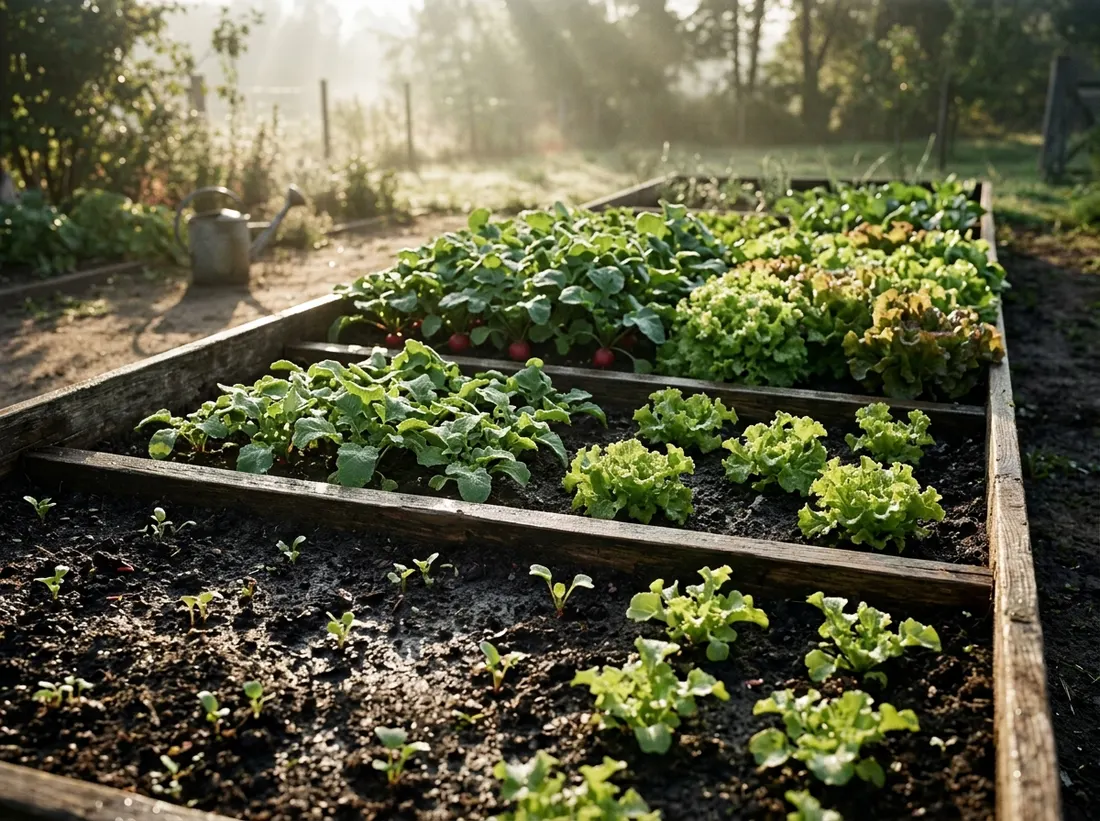
Instead of planting an entire bed of radishes or lettuce at once, divide it into 3 or 4 sections and sow a new section every 10 to 14 days. This keeps a steady harvest coming rather than one large batch that all matures and bolts together, and it’s one of the simplest layout adjustments that extends spring’s usefulness without needing any extra space.
3. Reserve Space for Spring-to-Summer Transition Crops
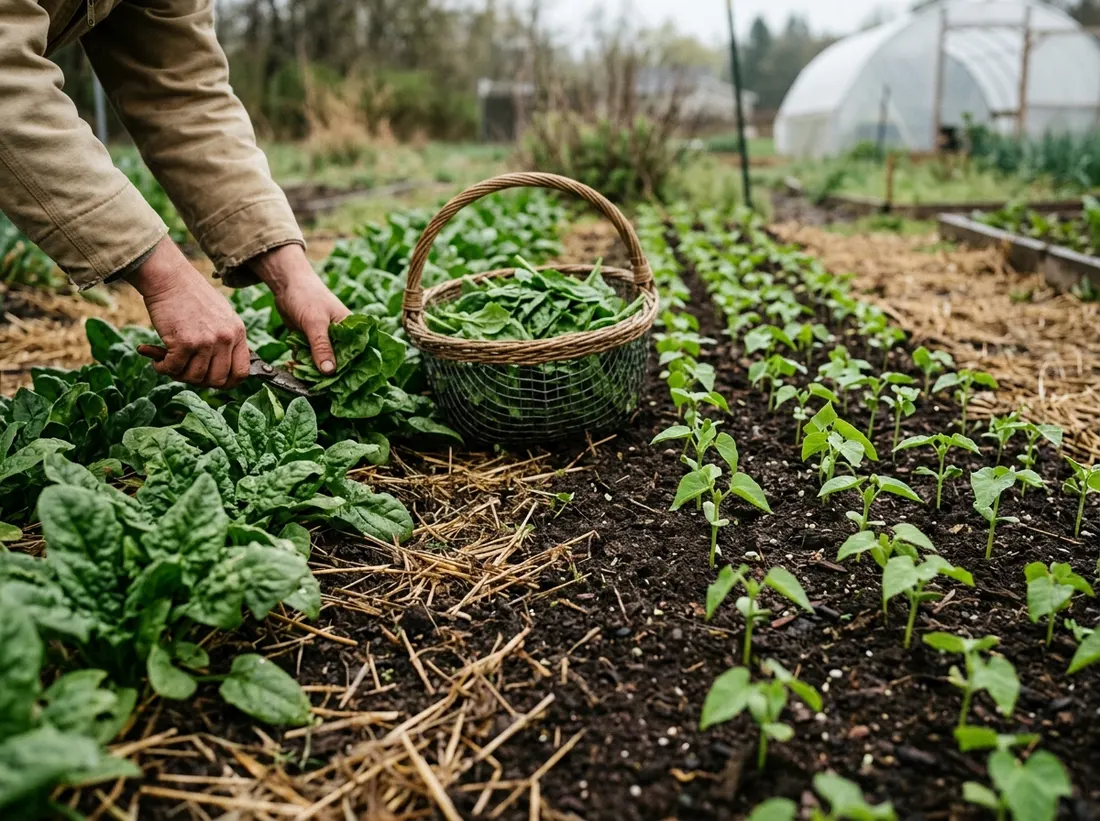
Design at least one bed to hold a fast-finishing spring crop, like radishes or spinach, with the layout already accounting for what replaces it once summer arrives, typically a heat-loving crop like beans or a second round of lettuce grown in partial shade. Deciding on this handoff at design time keeps that bed from sitting empty during the gap, instead of leaving the choice for a rushed decision in June.
4. Use Cold Frames to Extend Spring Planting
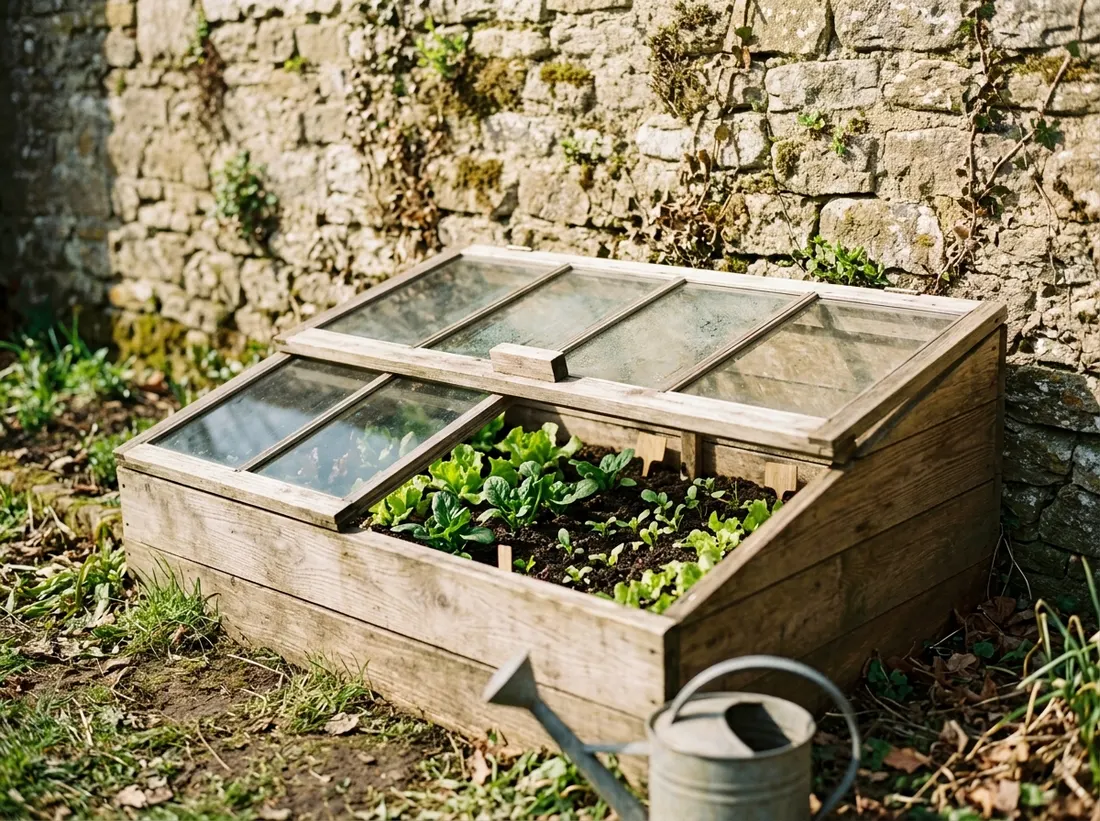
A cold frame, a low box topped with a clear lid, traps heat and lets you start cool-season crops 3 to 4 weeks earlier than open ground allows in most climates. Build your layout with a cold frame positioned against a south-facing wall or fence for extra reflected warmth, and leave enough clearance around it to lift the lid fully for daily venting on sunny days.
5. Design a Low Tunnel Zone for Early Starts
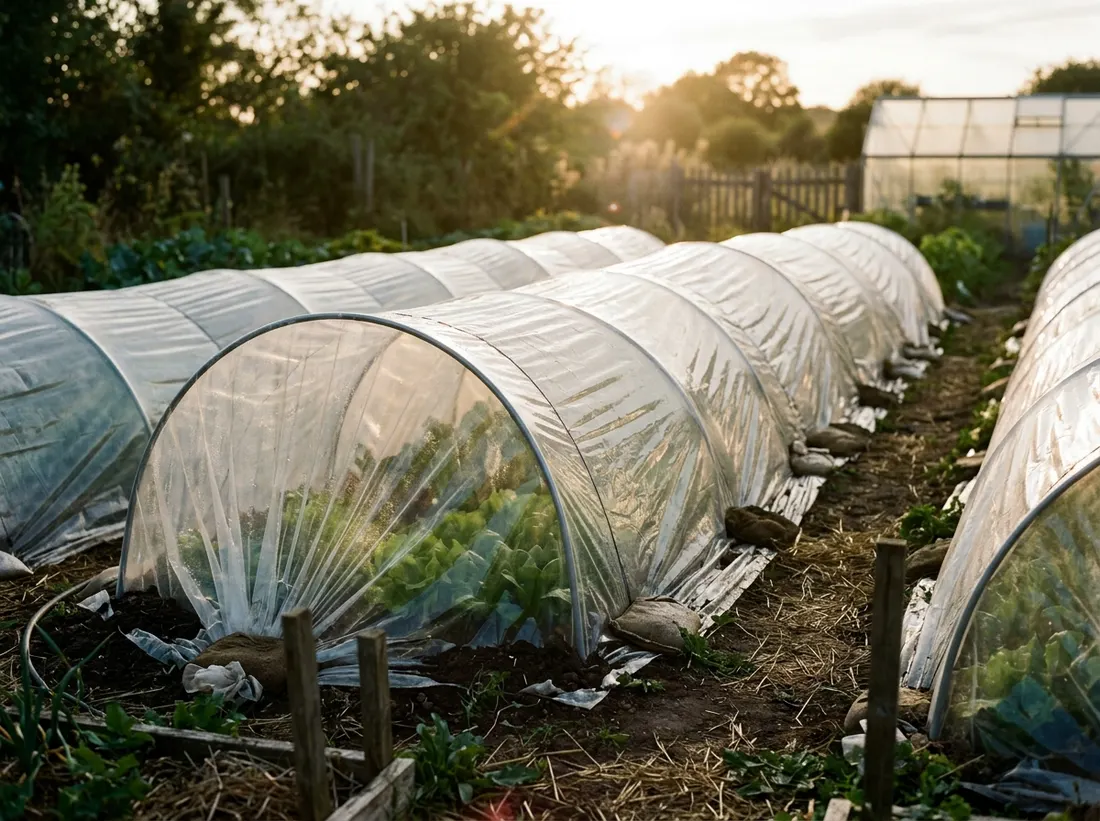
Low tunnels, hoops covered with row cover or plastic sheeting over a single bed, warm the soil and protect young transplants from a late spring frost without the cost of a full cold frame. Reserve a bed shaped to fit standard hoop spacing, usually every 3 to 4 feet, and plan for easy end access so you can vent the tunnel on warm afternoons.
6. Design a Summer Fruiting Zone for Full Sun
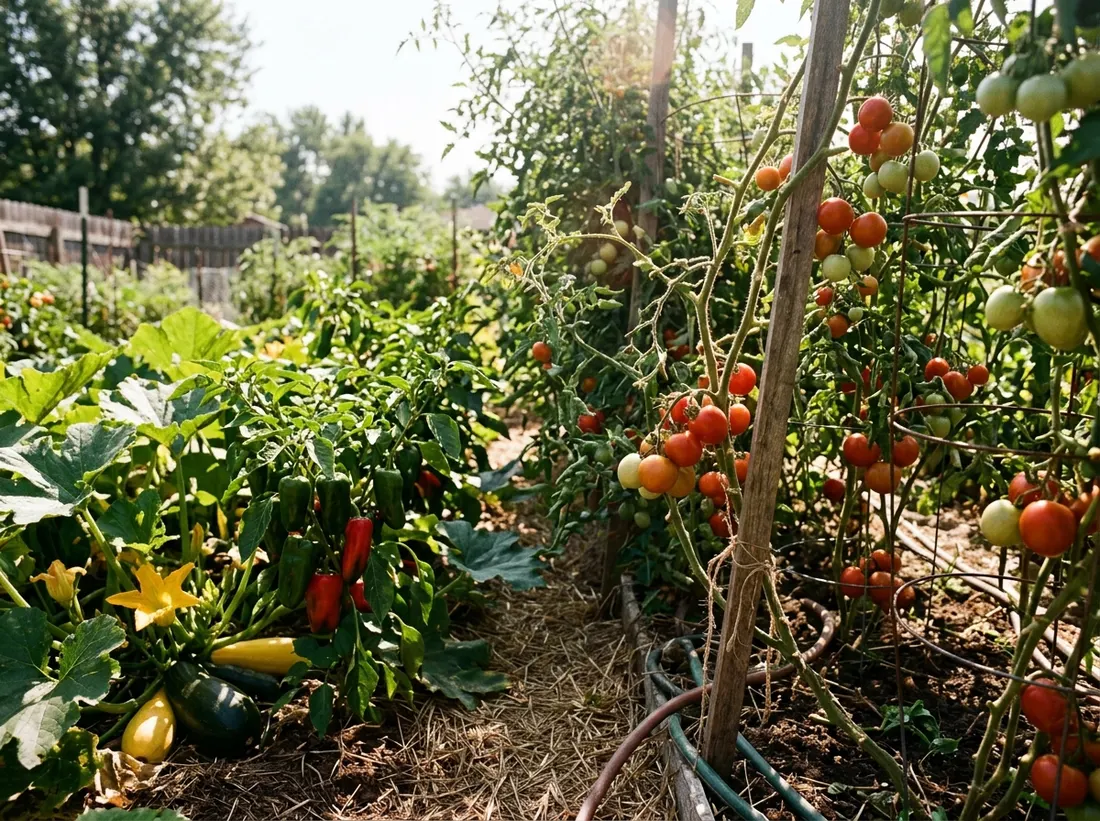
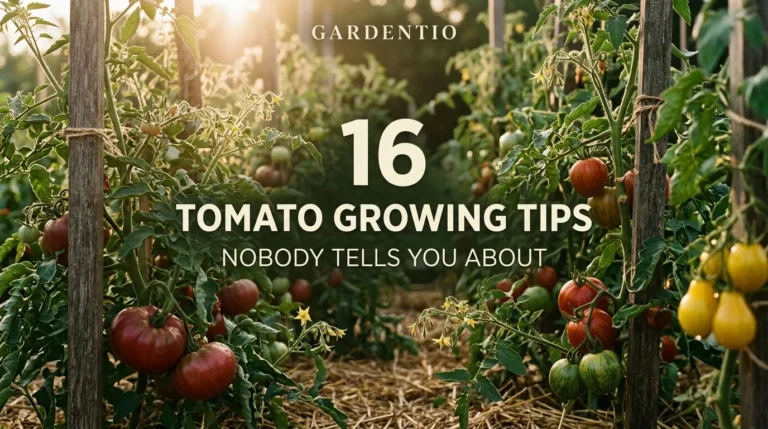
Group your heat-loving, full-sun crops, tomatoes, peppers, squash, and eggplant, into one dedicated summer zone that gets a genuine 8 or more hours of direct sun. Keeping these together simplifies watering, since they share similar needs, and it prevents taller summer crops from accidentally shading a spring or fall bed planted nearby earlier in the layout.
7. Plan a Succession Planting Schedule Within One Bed
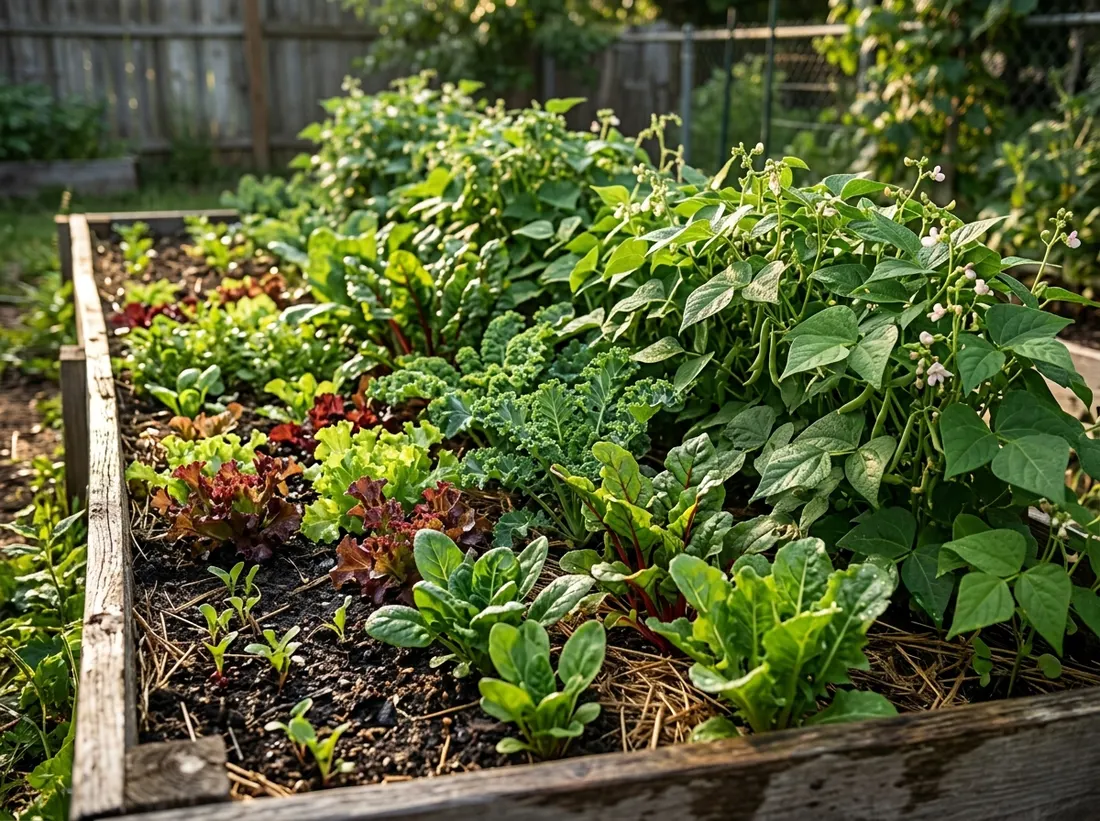
Design one flexible bed specifically for rolling successions, bush beans, quick greens, or a second round of a fast crop, replanted every few weeks through the growing season rather than planted once in spring. This keeps at least one section of your layout continuously productive instead of finishing early and sitting bare through midsummer.
8. Design a Shade-Break Zone for Heat-Sensitive Crops
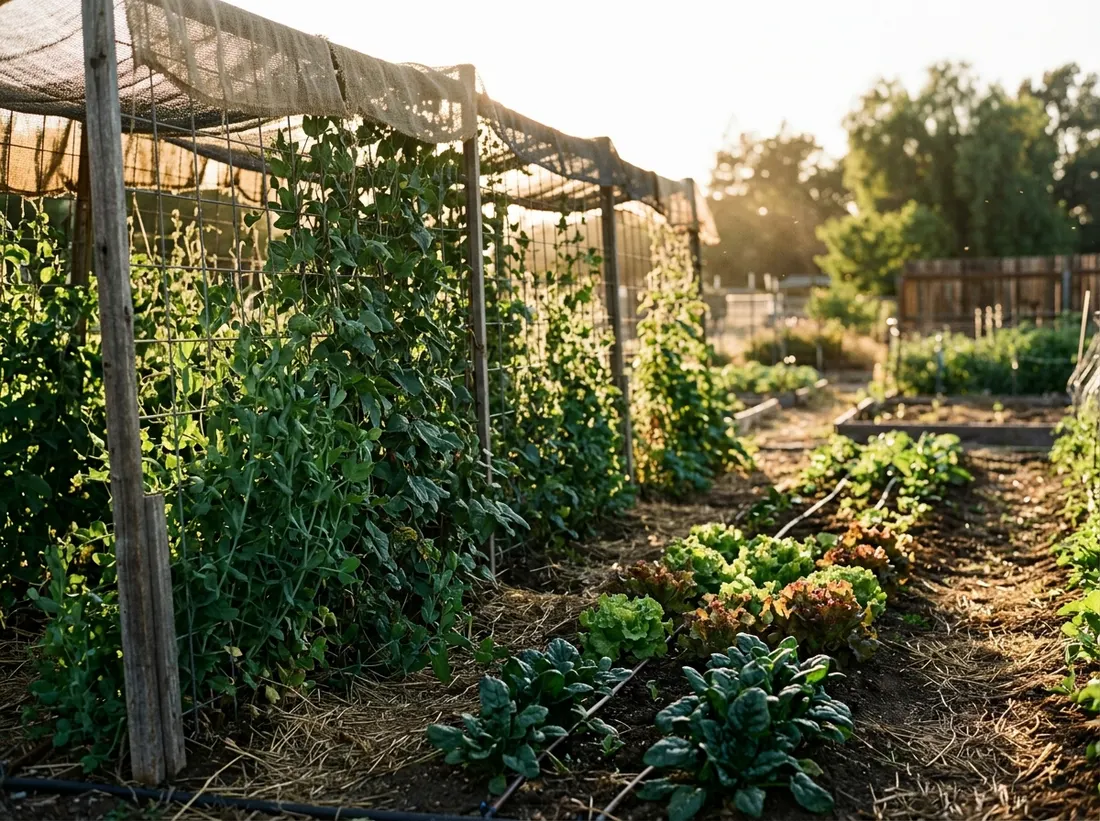
Position lettuce, spinach, and other crops prone to bolting in a spot that gets morning sun but afternoon shade from a taller plant, trellis, or nearby structure, extending their usable season further into summer heat. Building this shade relationship into your original layout lets you keep cool-season crops going longer than an unshaded bed would allow.
9. Reserve a Bed for Midsummer Replanting
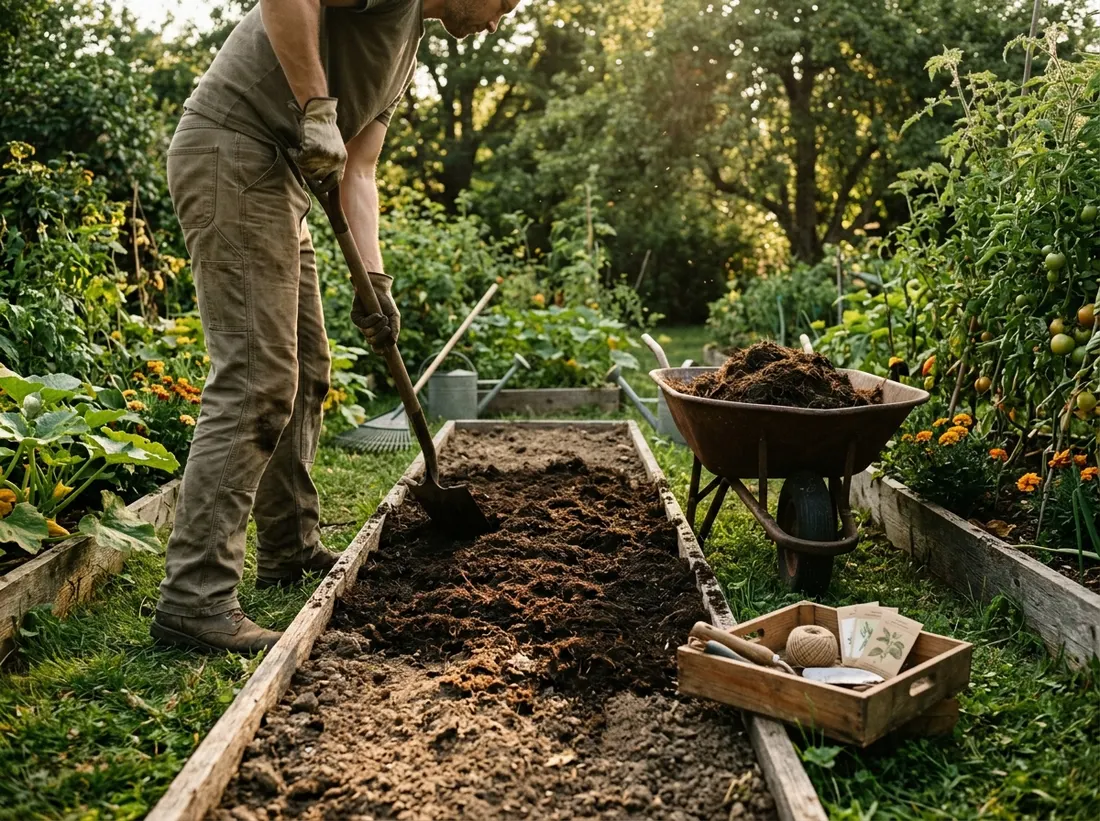
Set aside a bed specifically to replant in July for a fall harvest, things like bush beans, carrots, or a second planting of bush cucumbers, depending on your remaining frost-free days. This bed should be sized and positioned for easy soil refresh between plantings, since a midsummer replant benefits from a fresh layer of compost worked in before the new seeds go in.
10. Design a Vertical Zone to Free Up Summer Ground Space
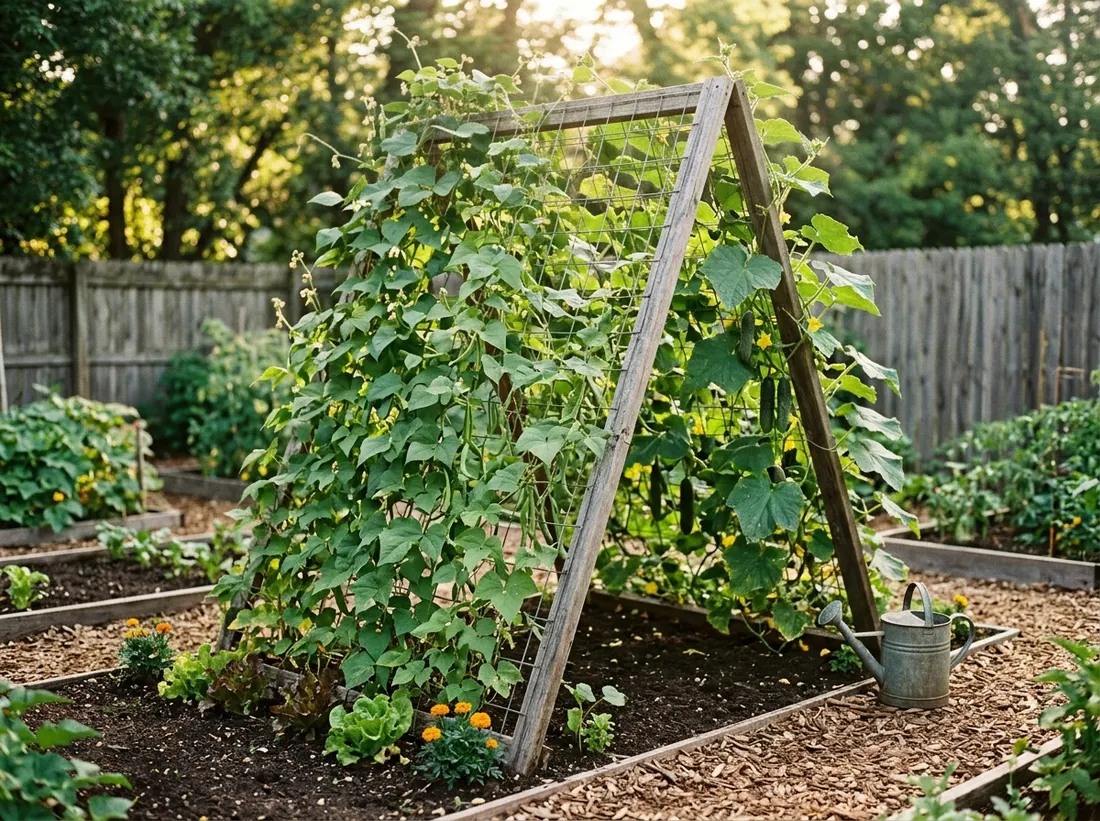
Use a trellis or A-frame structure for vining summer crops like cucumbers and pole beans so their footprint stays narrow, freeing up ground space nearby for a second summer planting or an early fall bed. A vertical zone along one edge of the garden also creates helpful afternoon shade for shorter, heat-sensitive crops planted just in front of it.
11. Design a Fall Cover Crop Zone
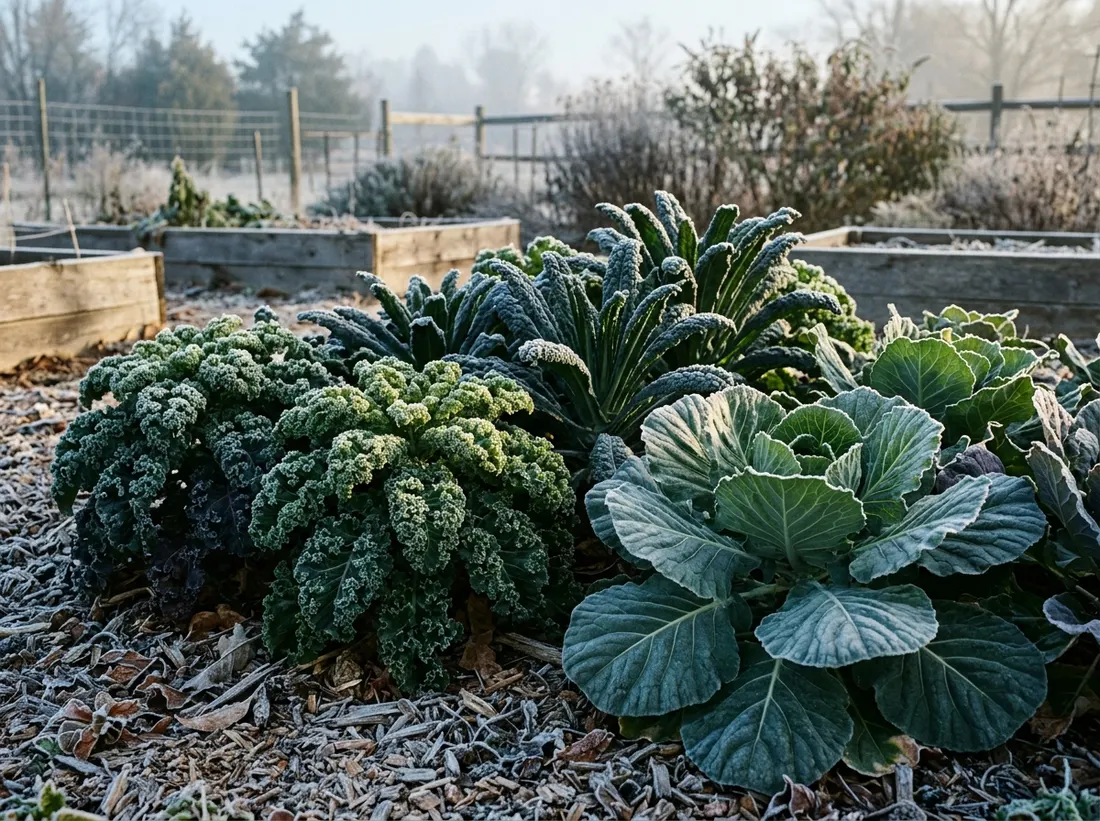
Reserve at least one bed to go under a cover crop, like clover or winter rye, once its summer crop finishes, rather than leaving bare soil exposed through fall and winter. A cover crop protects soil structure, suppresses weeds, and can be turned under in spring to add organic matter, making it one of the most useful season-ending layout decisions you can plan for.
12. Plan a Fall Planting Bed for Cool-Season Regrowth
Design a bed specifically for a second cool-season planting in late summer, lettuce, spinach, and Asian greens often handle a fall planting even better than a spring one since the weather cools as they mature instead of heating up. Time this bed’s use around your first fall frost date, counting backward by each crop’s days-to-maturity listed on the seed packet.
13. Design a Layout for Fall Root Vegetables
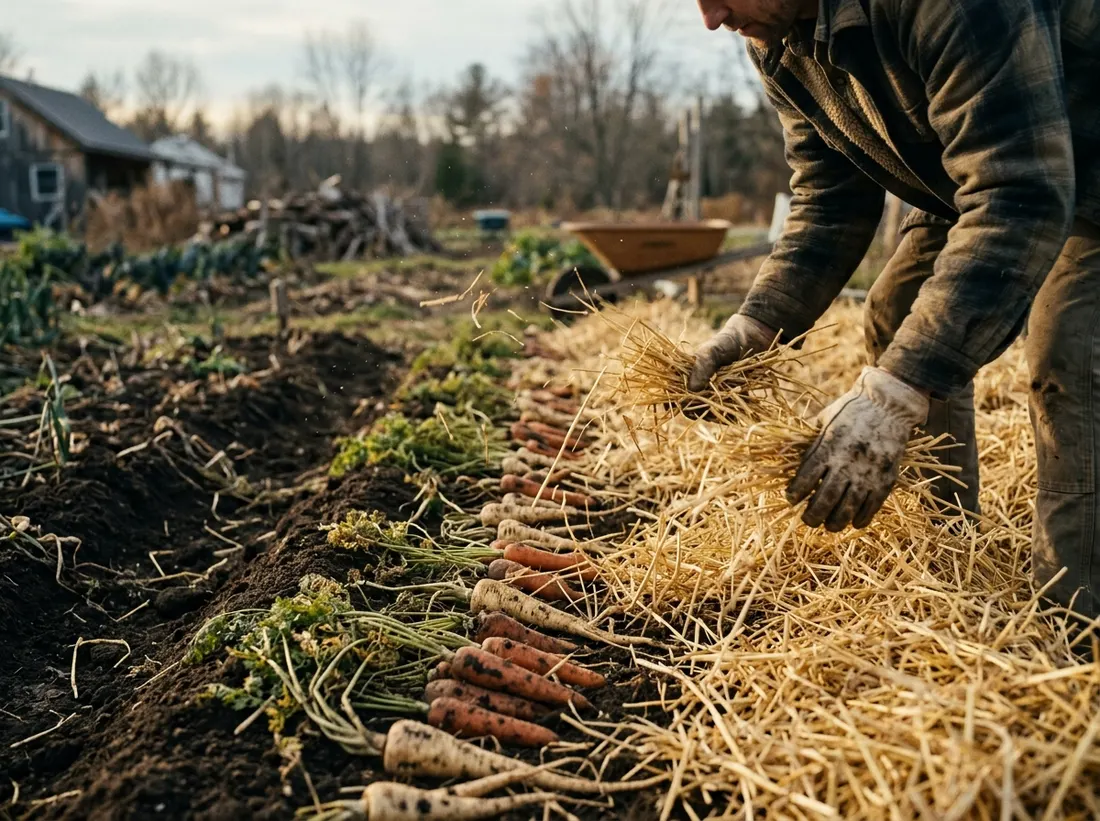
Carrots, beets, and turnips planted in late summer for a fall harvest need loose, rock-free soil worked at least 8 to 10 inches deep, so plan this bed somewhere you can refresh and loosen the soil after a summer crop finishes. Many root vegetables also improve in flavor after a light fall frost, so there’s no rush to harvest the moment they mature.
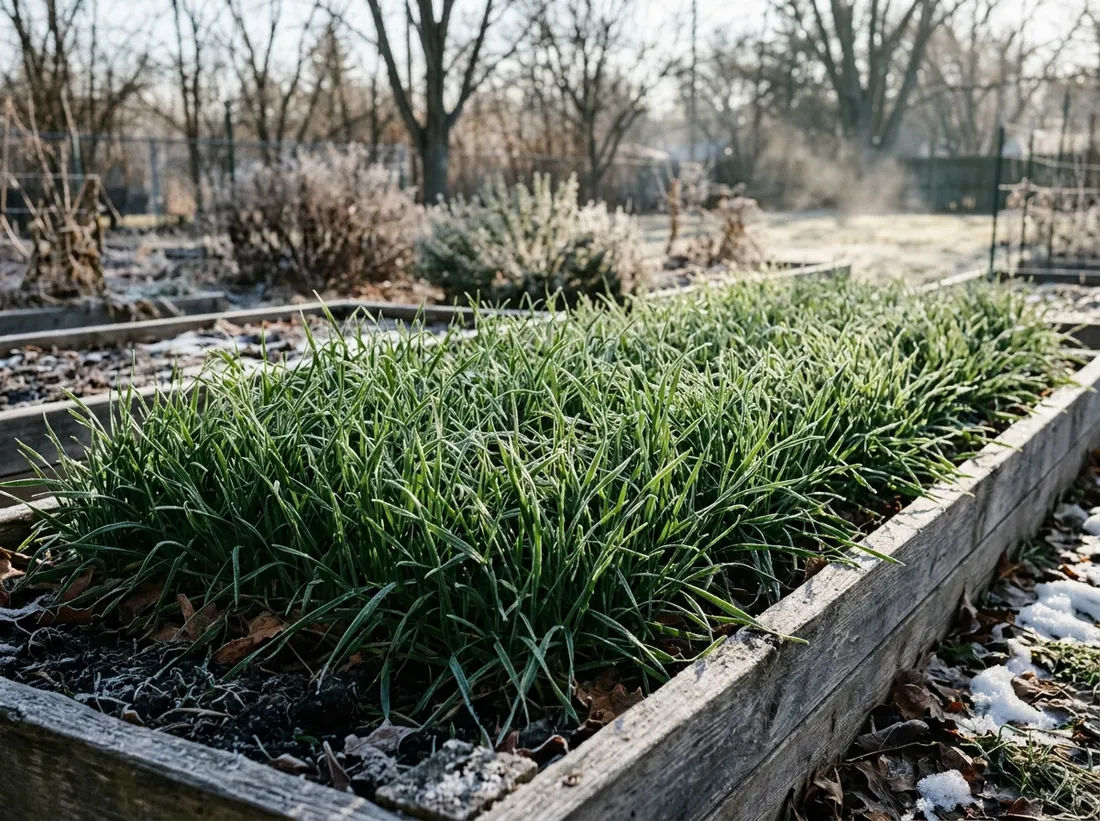
14. Reserve Space for a Fall Garlic and Bulb Bed
Garlic and many spring bulbs get planted in fall for a harvest the following summer, so your layout needs a bed that stays undisturbed through an entire winter and spring without being needed for anything else. Position this bed somewhere out of the main rotation, since it will occupy that space for 7 to 9 months depending on your climate and garlic variety.
15. Use Row Covers to Extend the Fall Harvest
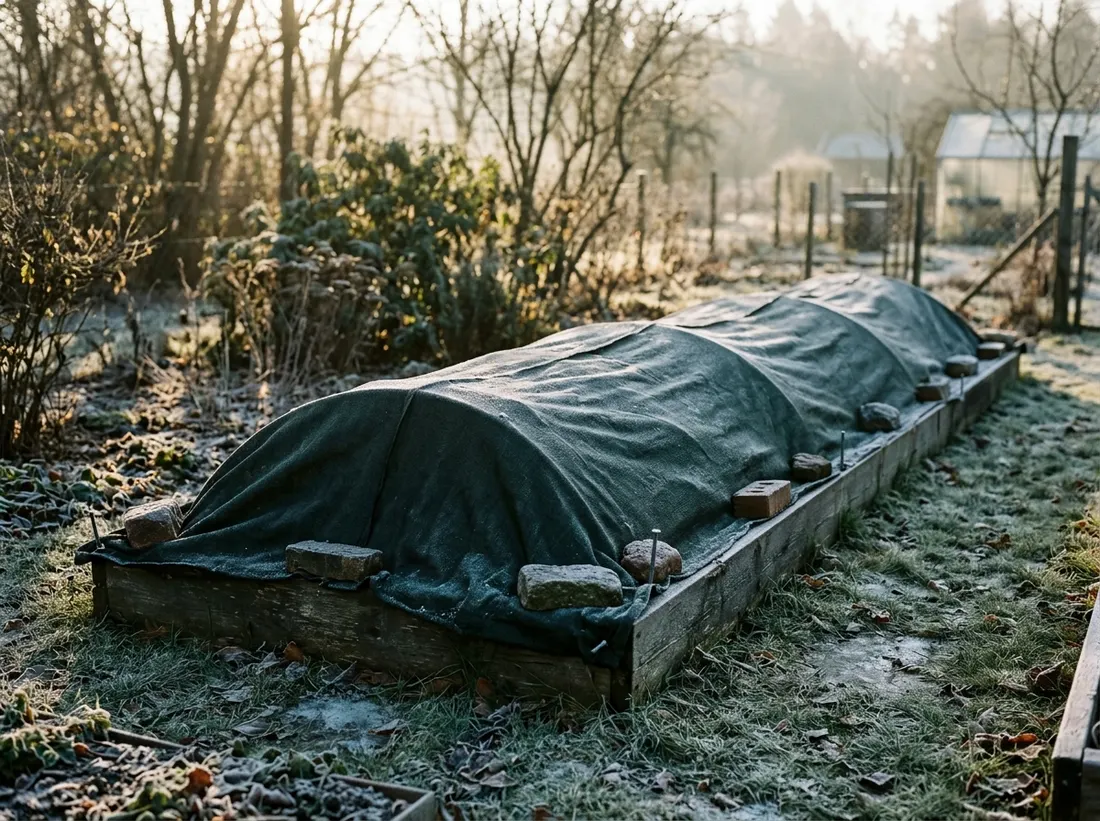
Lightweight row covers draped over hoops or directly on plants can protect fall crops from a light frost, extending harvest by several weeks in many climates. Design fall beds with easy access for adding and removing covers on cold nights, and keep this zone somewhere you’ll actually walk past and check, since a forgotten cover can trap too much heat on an unexpectedly warm day.
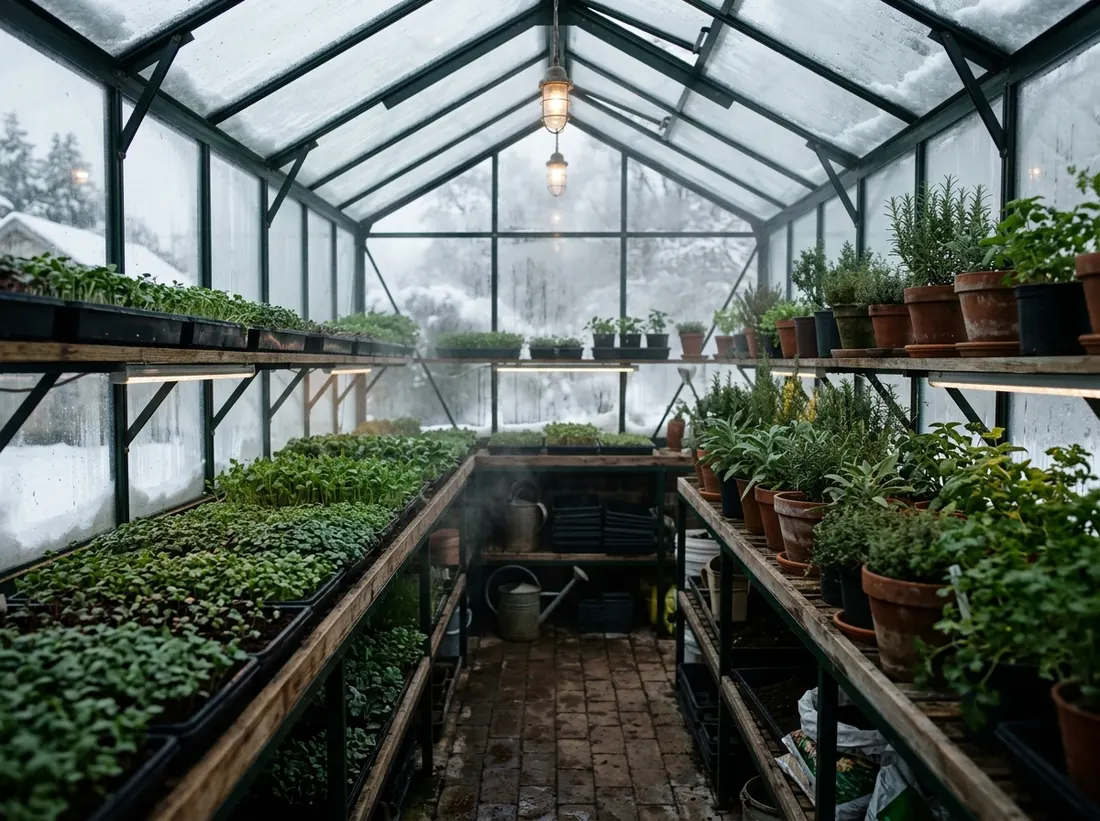
16. Design a Winter Cold Frame Zone
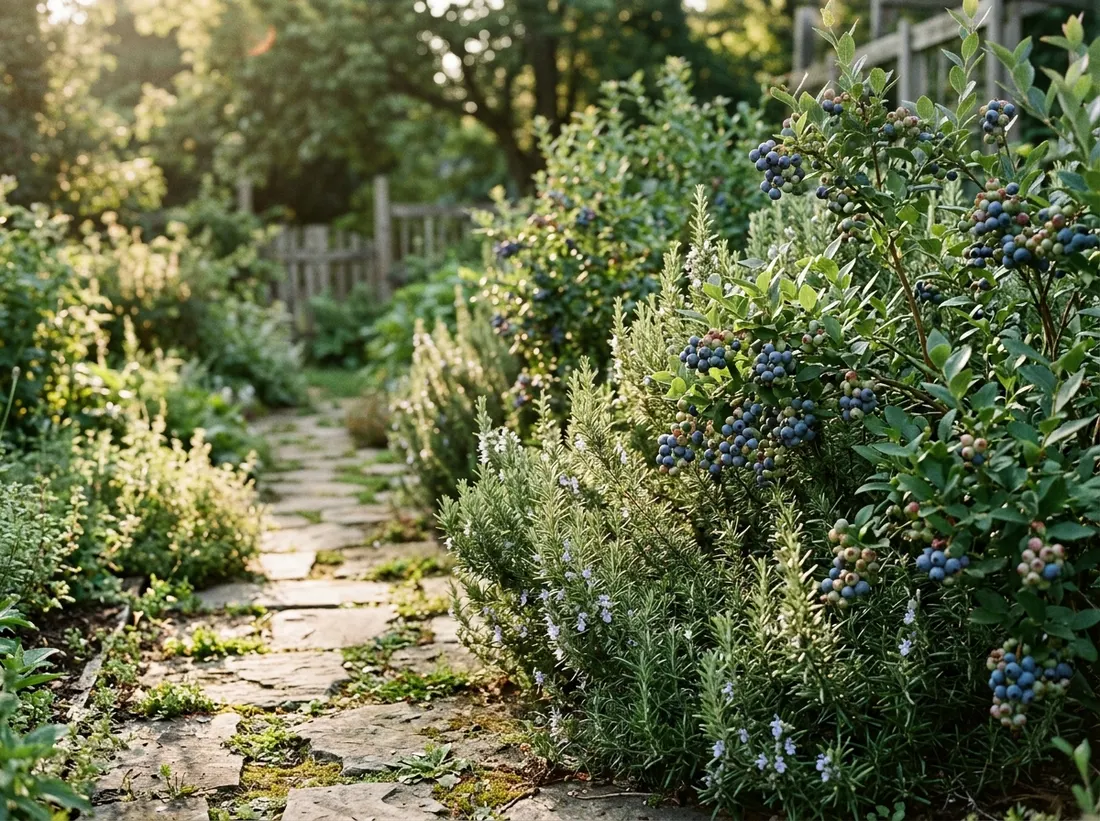
In climates with mild winters, a cold frame can keep hardy greens like spinach, kale, and mache producing through the coldest months with minimal additional protection. Position this zone in your sunniest winter spot, since the sun’s angle is lower and shade from nearby structures becomes a bigger factor than it was in summer.
17. Plan a Winter Cover Crop or Rest Zone
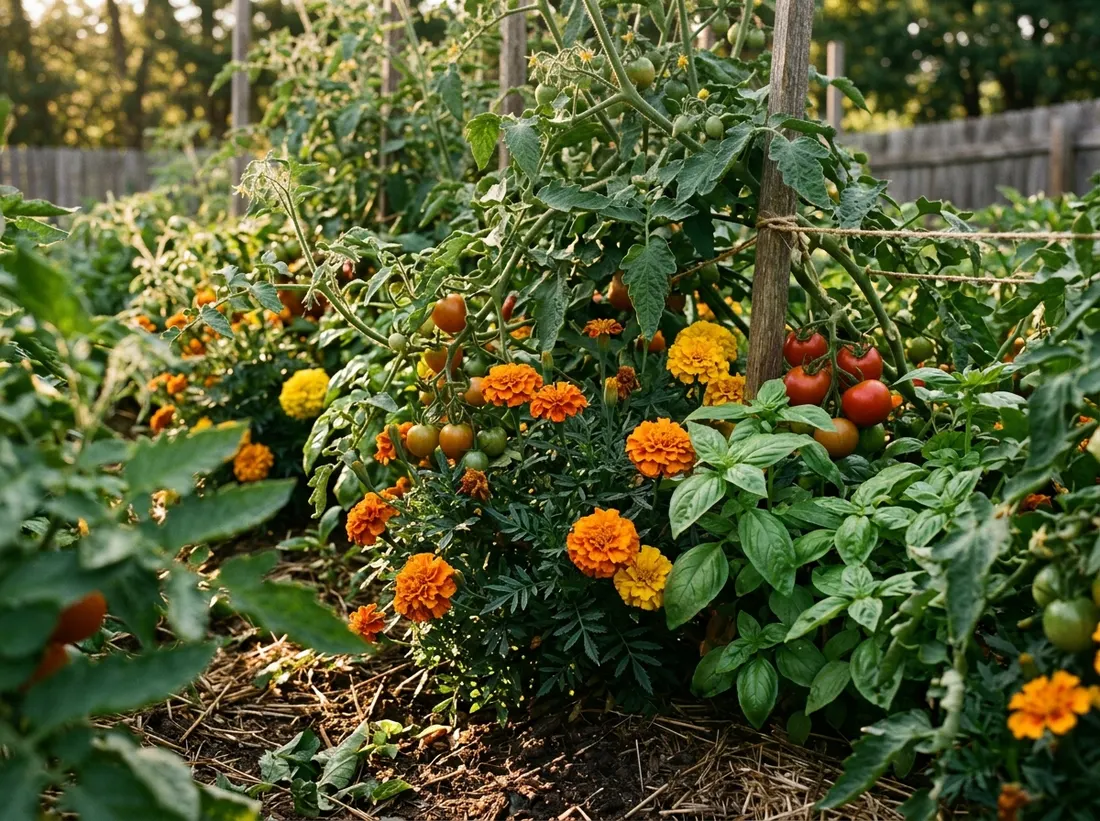
Beds that won’t be actively harvested through winter benefit from either a winter-hardy cover crop or a thick mulch layer that protects soil structure until spring. Design your layout so these resting beds are clearly marked, since it’s easy to forget which sections are intentionally dormant once the rest of the garden goes quiet for the season.
18. Reserve a Bed for Overwintering Crops
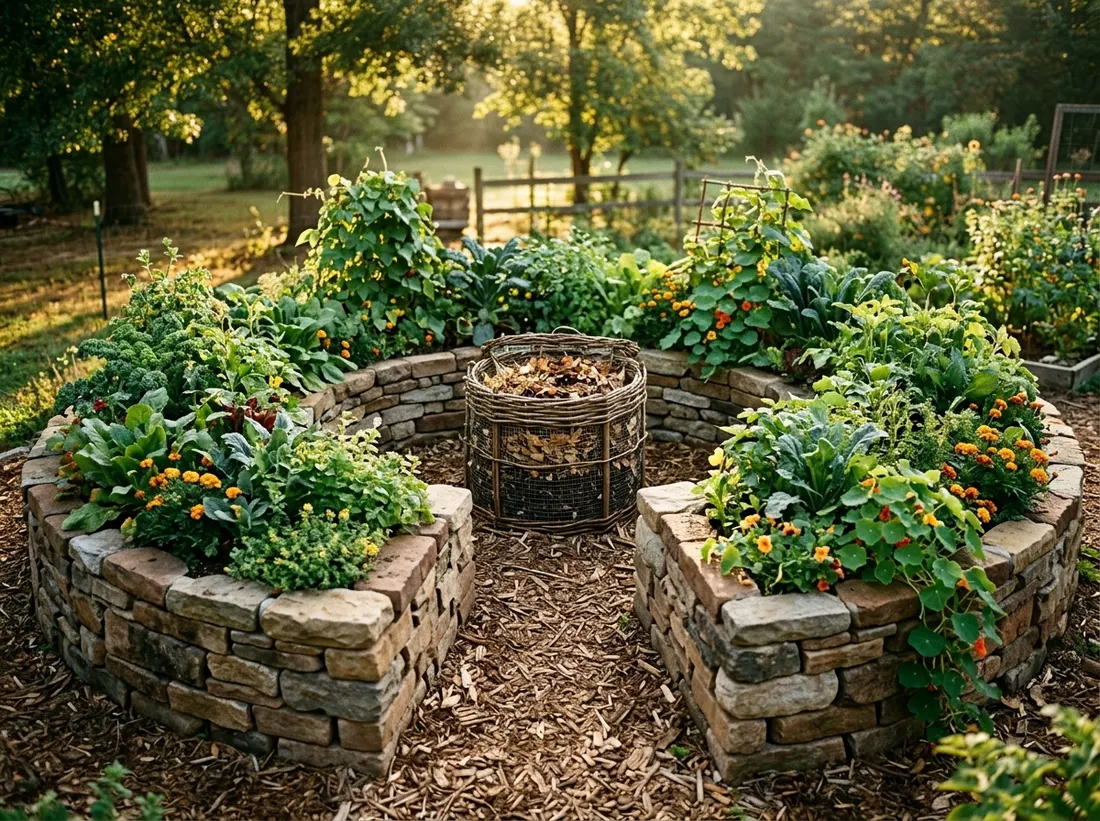
Some crops, like kale, leeks, and certain hardy greens, can survive winter in the ground in many climates and resume growth in spring, so plan a bed that stays undisturbed through the cold months for exactly this purpose. Mark this bed clearly in your layout notes so it doesn’t accidentally get tilled or reused before those overwintering plants wake up again.
19. Design Your Layout for Year-Round Bed Turnover
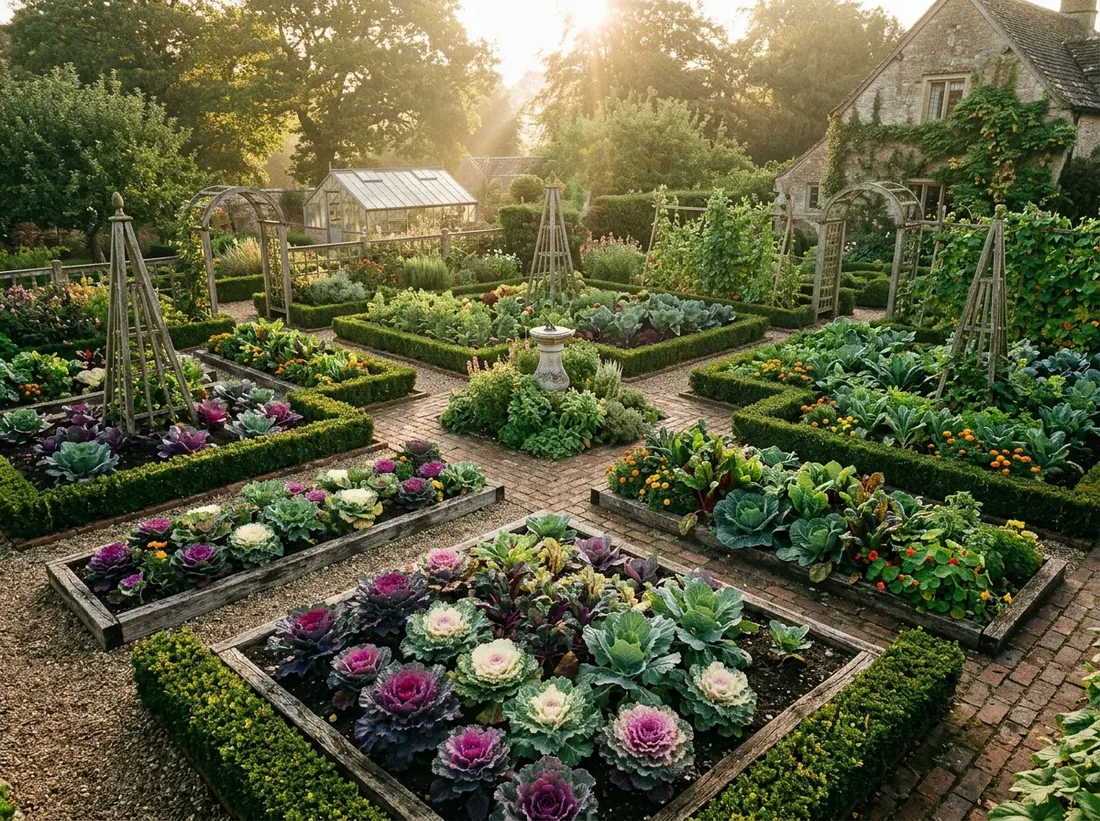
Build your overall layout around the idea that no bed sits empty for long: as one crop finishes, the next one, whether it’s a new planting, a cover crop, or a season-extension structure, should already be planned for that space. This turnover mindset is what separates a garden that produces spring through fall from one that peaks once and goes quiet for the rest of the year.
20. Build a Four-Season Rotation Map for Your Whole Garden
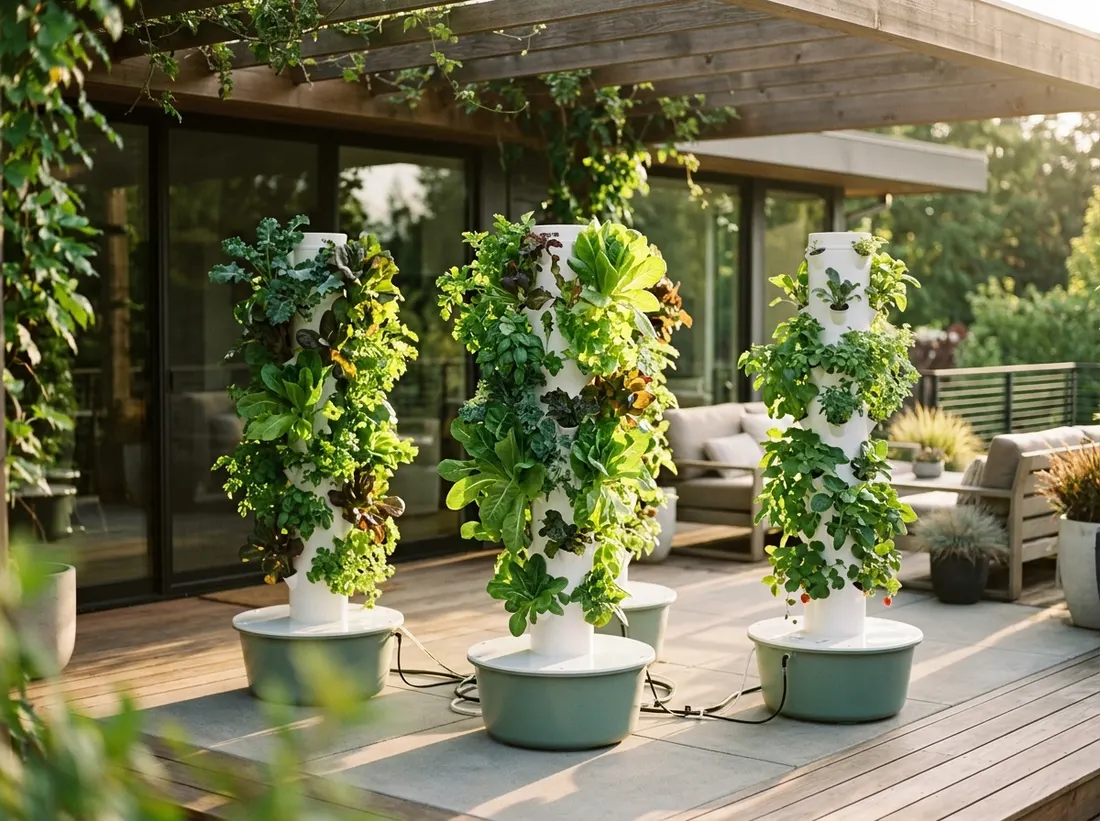
Once you’ve planned each individual bed’s seasonal role, sketch a single map showing what’s growing in every bed across all four seasons, or three if your climate skips a true winter growing period. This map becomes your reference for what to plant next as each bed finishes, and it makes crop rotation planning for the following year far easier than trying to remember it from memory.
Conclusion
A vegetable garden design layout built around the seasons keeps your beds working year-round instead of peaking in June and sitting empty by August. Spring succession zones, summer fruiting beds, fall cover crops, and season-extension tools like cold frames and low tunnels each play a specific role, and planning that handoff between them at design time is what makes a layout genuinely productive across the year. Not every idea here fits every climate, so adapt the rotation to your own frost dates and growing season length. Once you’ve mapped out a full year, each new season becomes a matter of following the plan instead of starting over.
Frequently Asked Questions
How do I design a vegetable garden layout that works for all seasons?
Design your layout around bed turnover, planning what replaces each crop before it even finishes instead of deciding season by season as you go. Group beds by season role, spring succession zones, summer fruiting beds, fall cover-crop space, and use season-extension tools like cold frames or row covers to stretch the shoulder seasons. A layout planned this way keeps something growing in nearly every bed across the year.
What is succession planting and how does it affect garden layout?
Succession planting means replanting a bed multiple times through the season instead of planting it once, and it affects layout by requiring beds sized and positioned for easy quick turnover, like fresh compost worked in between plantings. A flexible bed reserved for rolling successions of fast crops, such as bush beans or quick greens, keeps that section producing continuously rather than finishing early and sitting idle.
Should I leave garden beds empty over winter?
Bare soil left exposed over winter tends to erode, compact, and lose organic matter, so it’s generally better to plant a winter cover crop or apply a thick mulch layer instead of leaving beds empty. In mild climates, some beds can keep producing hardy greens through winter with a cold frame or row cover. Which option makes sense depends heavily on your regional winter severity.
What is a cold frame and do I need one?
A cold frame is a low box with a clear lid that traps heat, letting you start crops earlier in spring and keep hardy greens growing later into fall or winter than open ground allows. You don’t need one to garden successfully, but it meaningfully extends your growing season, especially in climates with a hard frost, by protecting young or cold-tolerant plants from freezing temperatures.
How far apart should I plant fall crops from summer crops in the same layout?
Fall crops don’t need extra distance from where summer crops grew, but timing matters more than spacing: refresh the soil with compost once a summer crop finishes and before sowing a fall crop in the same spot. Deciding which beds will transition from summer to fall at the layout stage keeps that handoff smooth instead of leaving it for a rushed choice in August.
What vegetables work best for a low tunnel or row cover in fall?
Cold-hardy greens like spinach, kale, lettuce, and Asian greens respond best to a low tunnel or row cover in fall, since the added protection can extend their harvest by several weeks past a normal first frost. Root vegetables like carrots and beets also benefit, since covers keep soil temperatures more stable and can even improve flavor by allowing a light frost without a hard freeze.