18 Easy Plants to Grow Outdoors for Beginners
Killing a plant within the first month of trying to garden is one of those experiences that makes people give up before they really get started. It usually is not a lack of skill, it is picking the wrong plant for the situation, something fussy about water, light, or timing when a beginner needed something far more forgiving. The good news is that plenty of outdoor plants tolerate uneven watering, average soil, and a few missed weeks of attention without dying on you. This list focuses on easy plants to grow outdoors that reward beginners with real results, a harvest, a bloom, or steady green growth, without demanding expert-level care. Hardiness and timing shift depending on your climate zone, so a few notes below point out where that matters most. Once you see how forgiving these plants actually are, starting your first outdoor garden feels a lot less risky, beginning with one of the easiest flowers anyone can grow from seed.
1. Marigolds
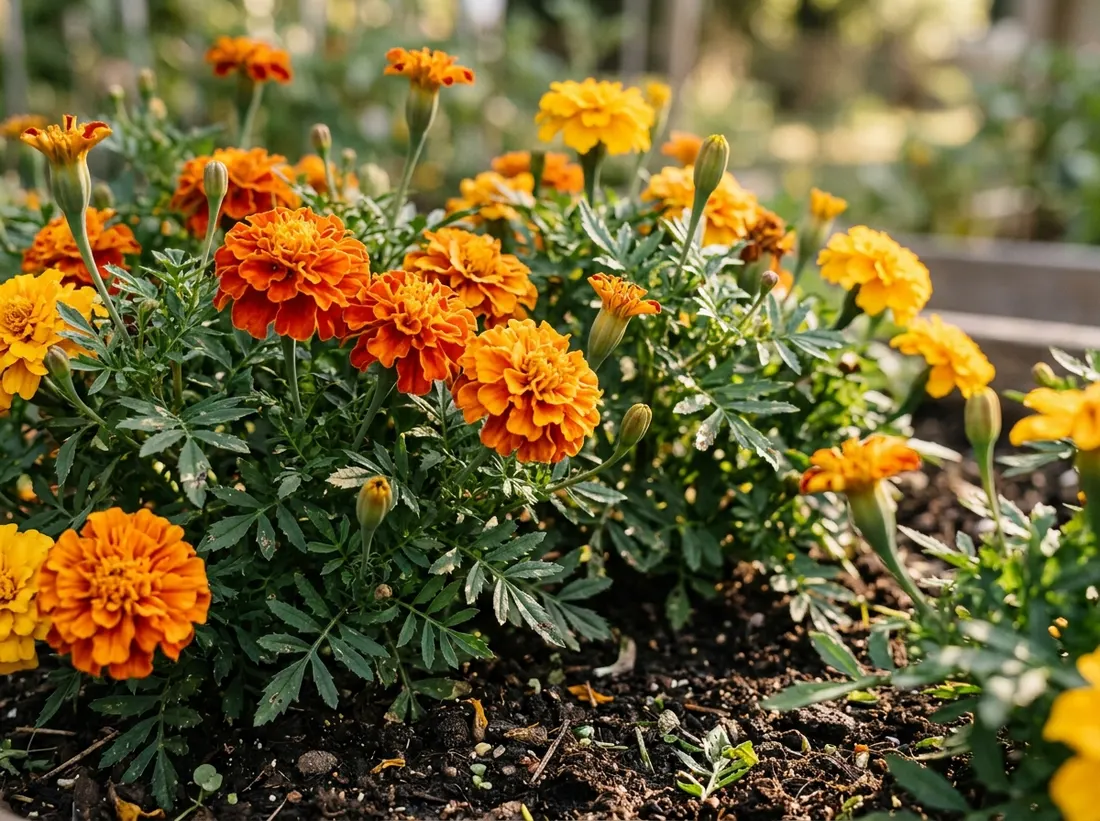
Marigolds germinate from seed in as little as 5 to 7 days and start blooming within 6 to 8 weeks, making them one of the fastest rewards for a beginner. They need full sun and tolerate poor, dry soil better than most flowering annuals, so overwatering is more of a risk than underwatering. Space plants 8 to 12 inches apart depending on the variety, and deadhead spent blooms to keep new flowers coming through summer. Marigolds grow as annuals in nearly every climate zone, dying back with the first frost.
2. Zinnias
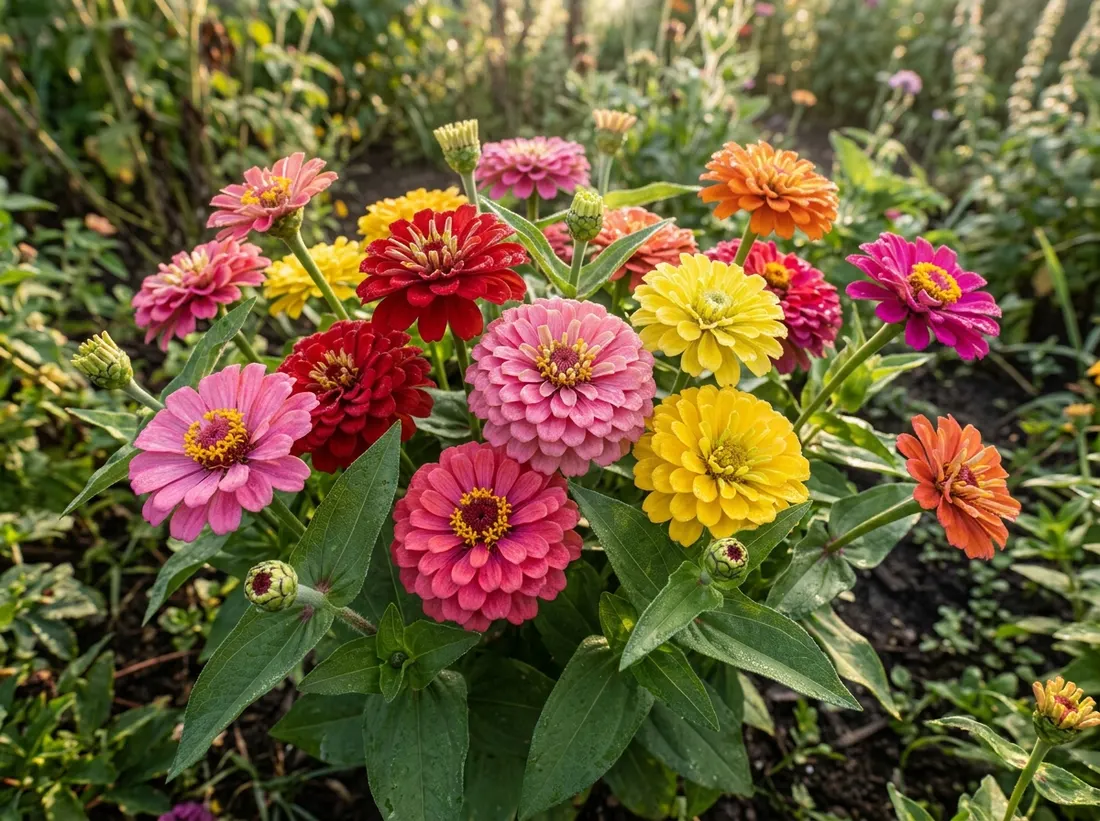
Zinnias grow quickly from direct-sown seed and often bloom within 60 days, producing bright, long-lasting flowers that work well for cutting. They need full sun and well-drained soil, and once established they handle short dry spells without much fuss. Space plants 6 to 18 inches apart depending on the variety, since taller cutting zinnias need more room than compact border types. Powdery mildew can show up in humid climates, so spacing for good airflow matters more with zinnias than with many other easy annuals.
3. Sunflowers
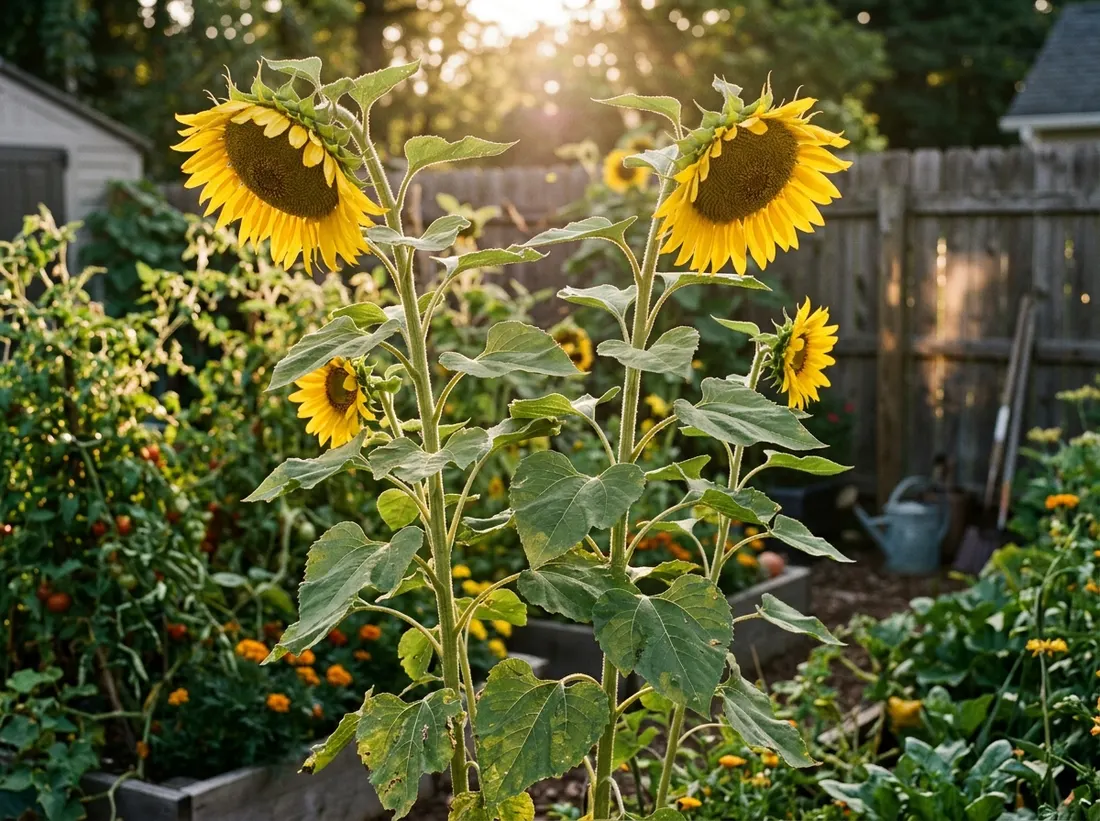
Sunflowers are one of the most satisfying beginner plants because germination and growth are fast enough to watch week to week, with many varieties reaching full height in 70 to 90 days. They need at least 6 hours of full sun and deep, occasional watering rather than frequent shallow watering, which encourages a stronger root system. Space large varieties 12 to 24 inches apart, and stake very tall types in windy areas. Sunflowers grow as annuals across virtually every hardiness zone.
4. Nasturtiums
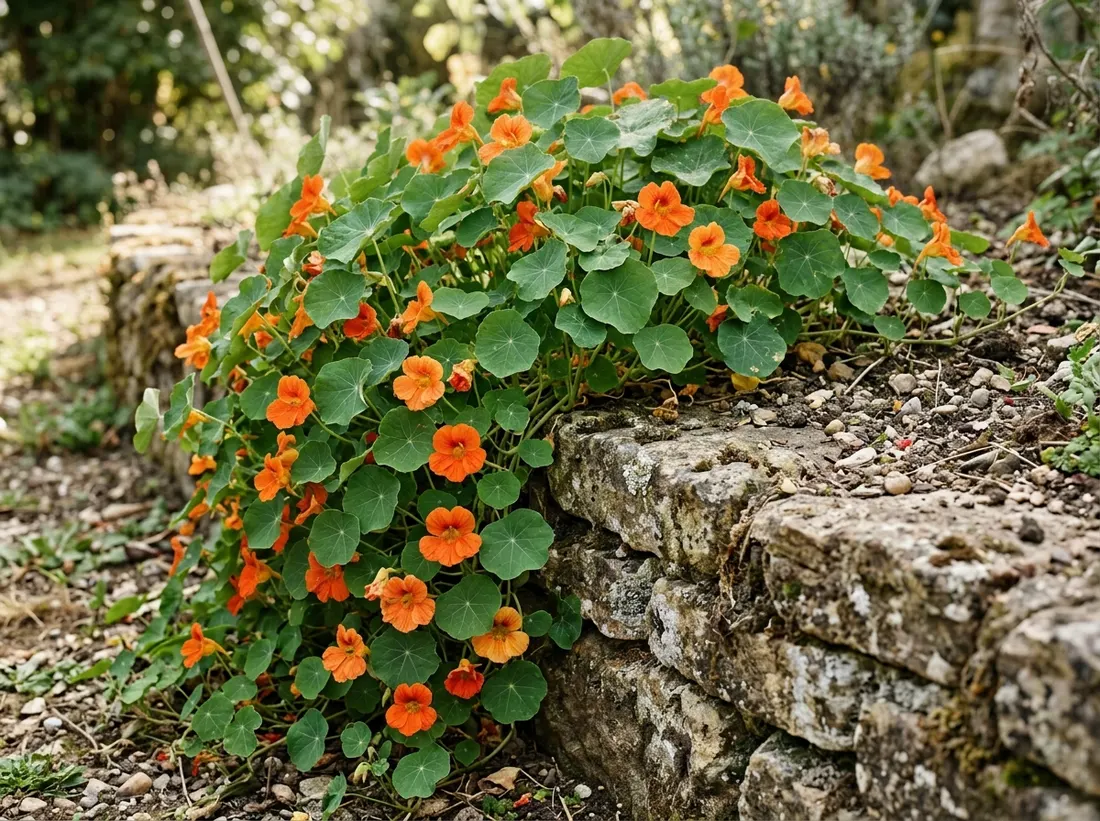
Nasturtiums are almost impossible to fail with, since they actually perform better in poor, low-fertility soil than in rich garden beds. They tolerate light shade but bloom best in full sun, and both the flowers and leaves are edible with a peppery flavor that works well in salads. Direct sow seeds after the last frost and space plants 10 to 12 inches apart, or let trailing varieties spill over a container edge. They self-seed readily, often returning on their own the following year in mild climates.
5. Cherry Tomatoes
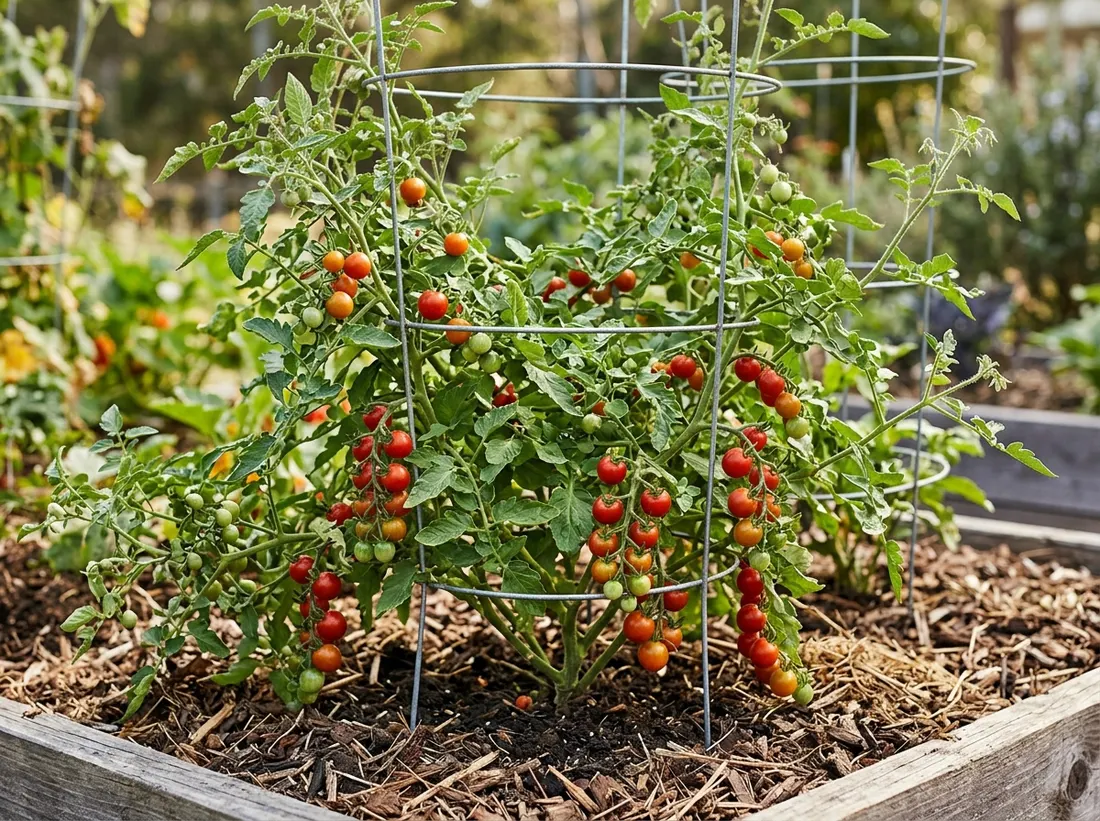
Cherry tomatoes are more forgiving than large slicing varieties, tolerating minor watering inconsistency and producing fruit even in a less-than-perfect season. They need full sun and consistent watering once fruit sets, roughly 1 to 2 inches of water weekly, and benefit from a stake or small cage since most varieties keep growing taller through summer. Space plants 18 to 24 inches apart. In cooler climates, start seeds indoors 6 to 8 weeks before the last frost date to get a full season of fruit.
6. Zucchini
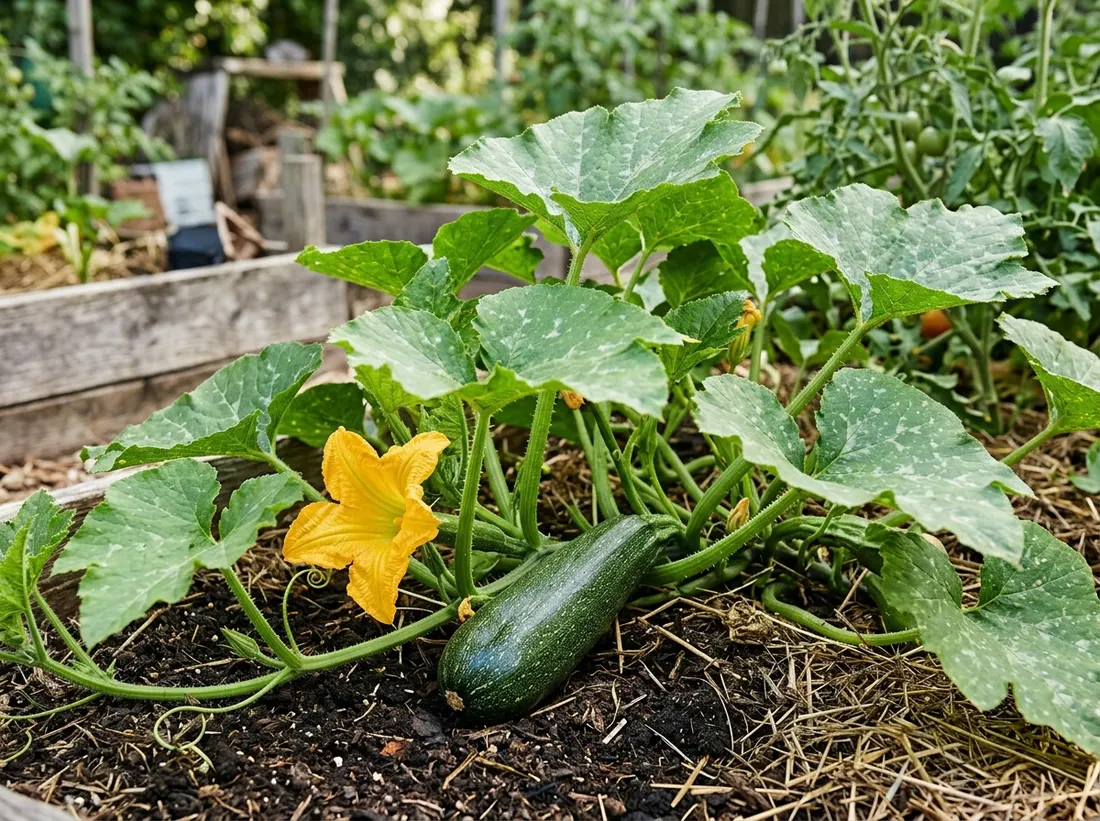
Zucchini is famous for producing more than most households can eat, which makes it a confidence-building crop for beginners worried about a poor harvest. It needs full sun and consistent watering, about 1 to 1.5 inches weekly, and grows quickly enough that you will see fruit within 45 to 55 days of planting. Space plants 24 to 36 inches apart, since the sprawling leaves need real room. Check plants daily once fruiting starts, since zucchini can go from perfect to oversized within a couple of days.
7. Green Beans
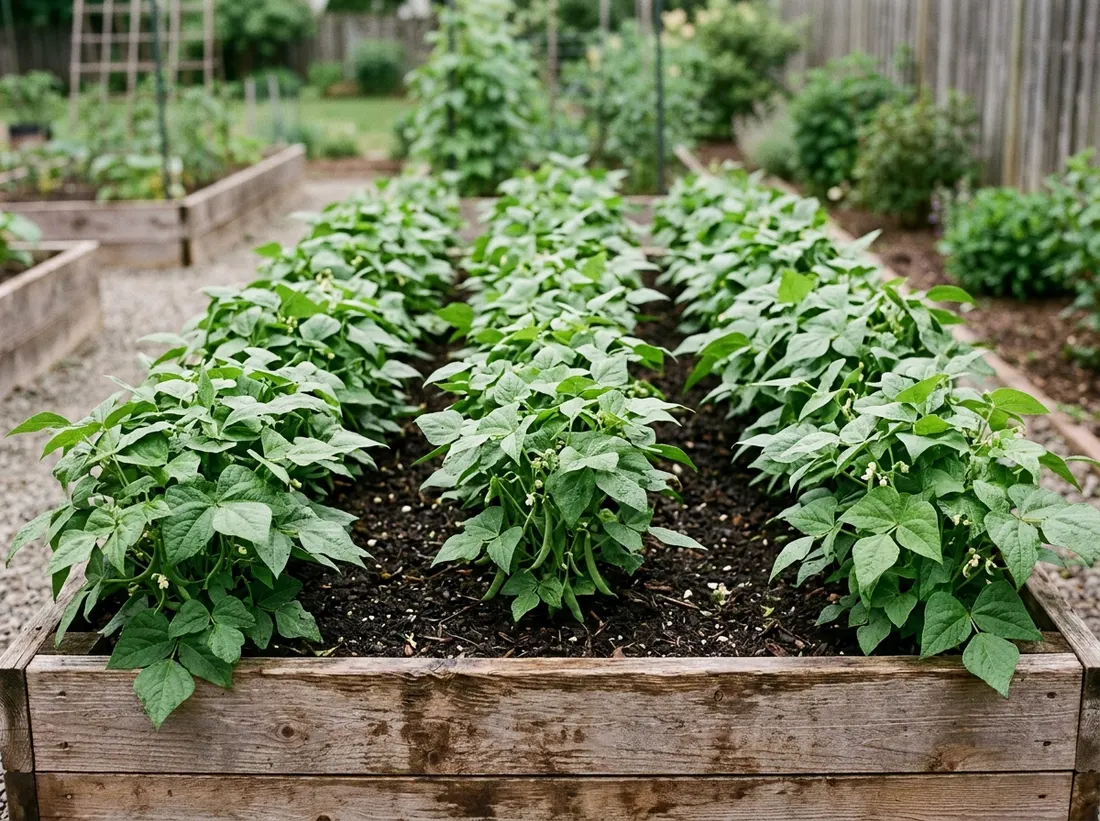
Bush bean varieties are easier for beginners than pole beans, since they need no trellis and mature quickly, often within 50 to 60 days of direct sowing. They need full sun and moderate, consistent watering, and unlike many vegetables, beans actually fix their own nitrogen in the soil rather than depending heavily on fertilizer. Space bush bean plants 3 to 4 inches apart in rows 18 inches apart. Direct sow after soil has warmed in spring, since bean seeds rot easily in cold, wet ground.
8. Radishes
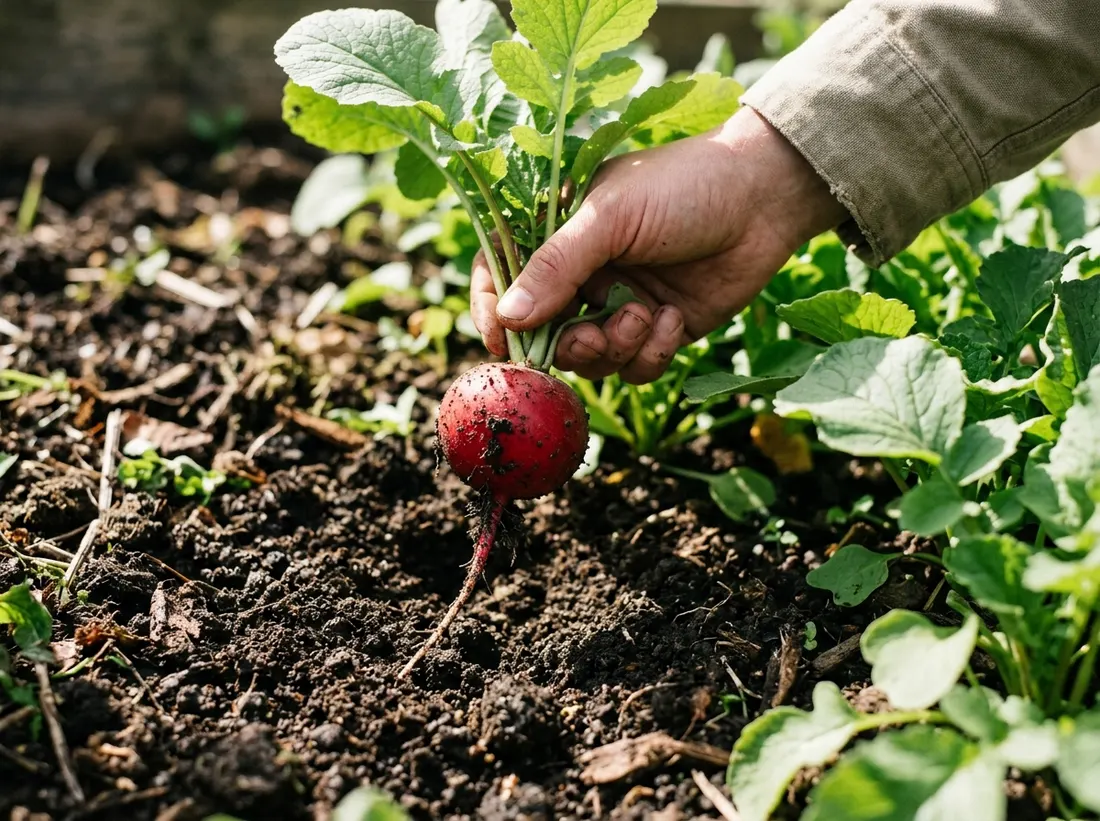
Radishes are often the first vegetable beginners successfully harvest, since many varieties mature in just 21 to 30 days from seed. They need full sun to partial shade and consistent moisture, since inconsistent watering causes the roots to split or turn woody. Space seeds 1 to 2 inches apart, thinning seedlings as they grow. Radishes prefer cooler temperatures, so spring and fall plantings usually outperform a midsummer sowing in warmer climates.
9. Lettuce
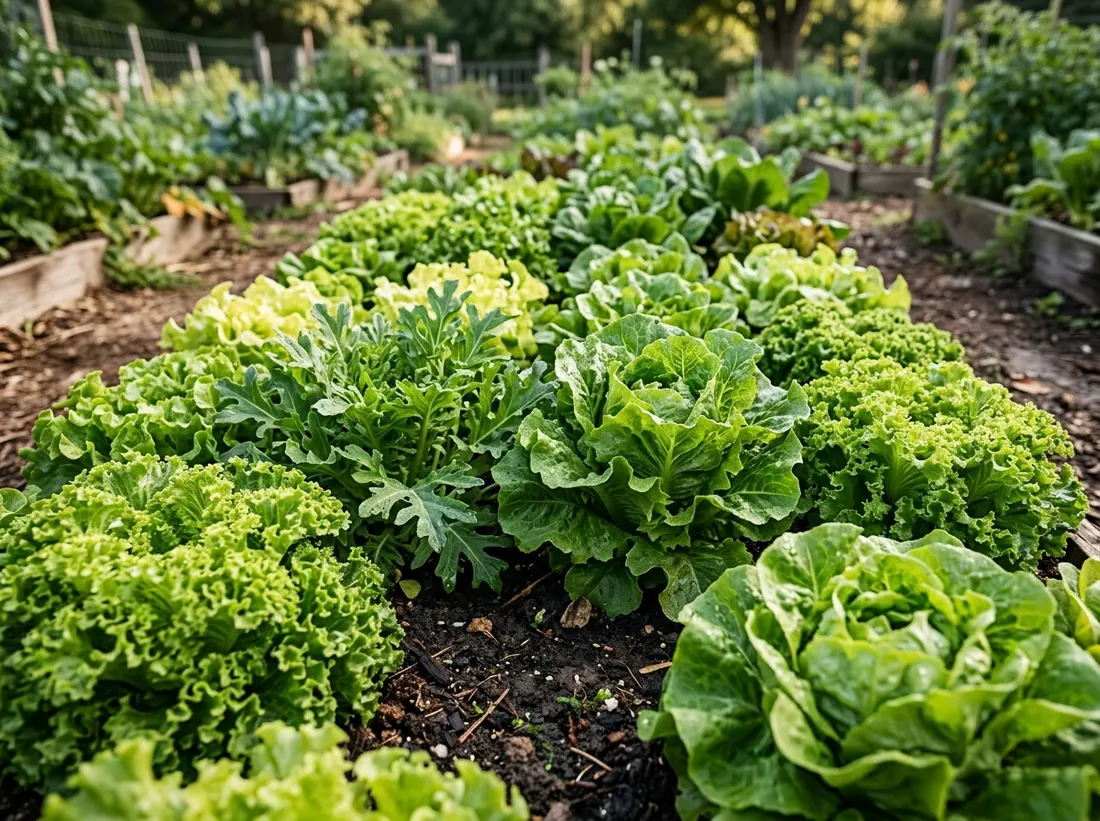
Loose-leaf lettuce varieties are more forgiving than head lettuce, tolerating a wider range of temperatures and letting you harvest outer leaves continuously rather than waiting for one full head. Lettuce needs partial shade in warm climates and full sun in cooler ones, with consistent moisture to prevent bitter, bolted growth. Space plants 6 to 8 inches apart, and succession sow every couple of weeks for a steady supply. Lettuce bolts and turns bitter once temperatures regularly exceed 75 degrees Fahrenheit.
10. Swiss Chard
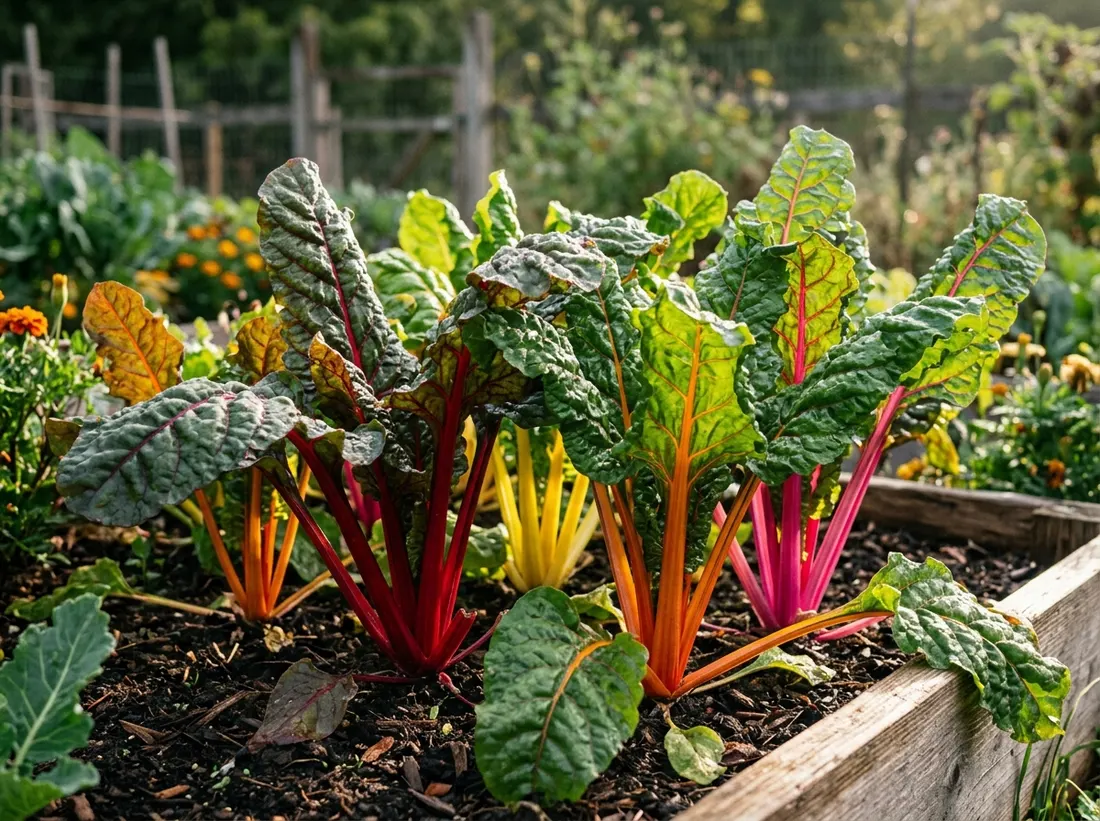
Swiss chard tolerates heat better than most leafy greens and keeps producing through a long stretch of the growing season, often into fall in many climates. It needs full sun to partial shade and moderate watering, and unlike lettuce, chard rarely bolts from summer heat alone. Space plants 6 to 12 inches apart, and harvest outer leaves as needed rather than cutting the whole plant, which lets it keep growing for months.
11. Daylilies
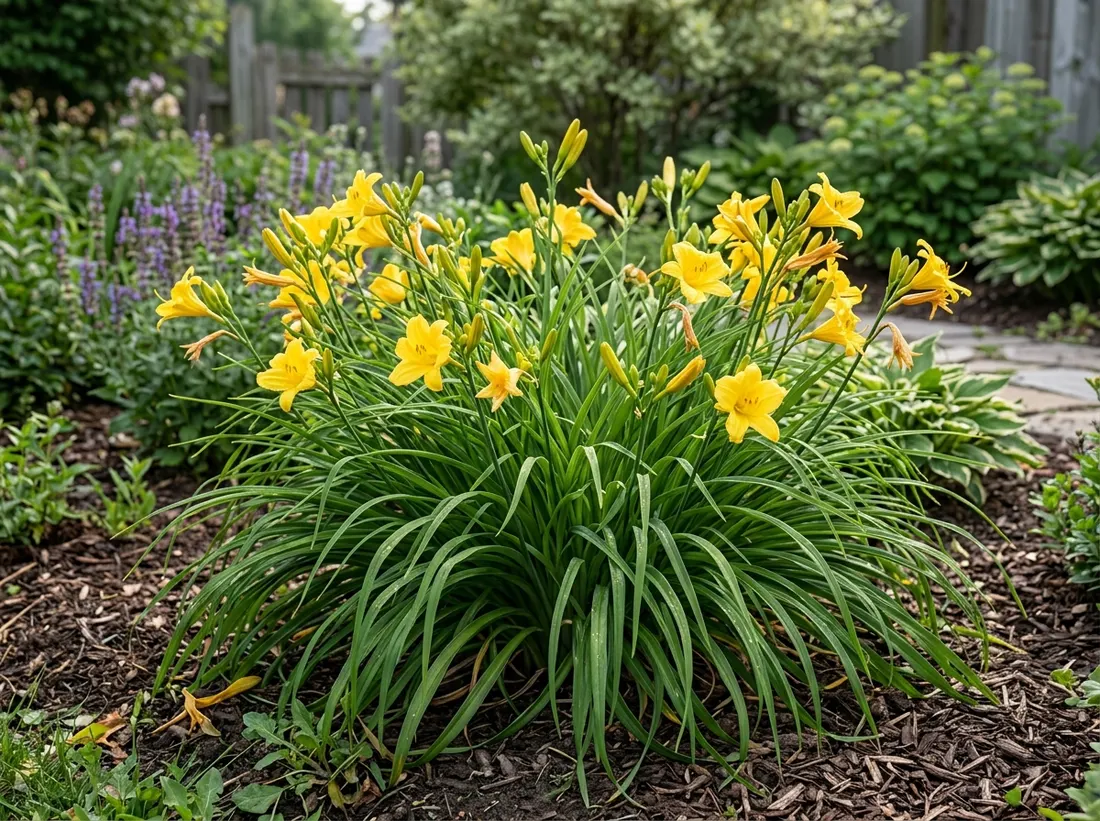
Daylilies come back reliably year after year and tolerate a wide range of soil types, drought once established, and general neglect better than almost any other flowering perennial. They need full sun to partial shade and minimal care beyond dividing clumps every 3 to 5 years as they spread. Space plants 18 to 24 inches apart. Daylilies are hardy across most temperate climate zones and rarely need winter protection once established.
12. Black-Eyed Susan
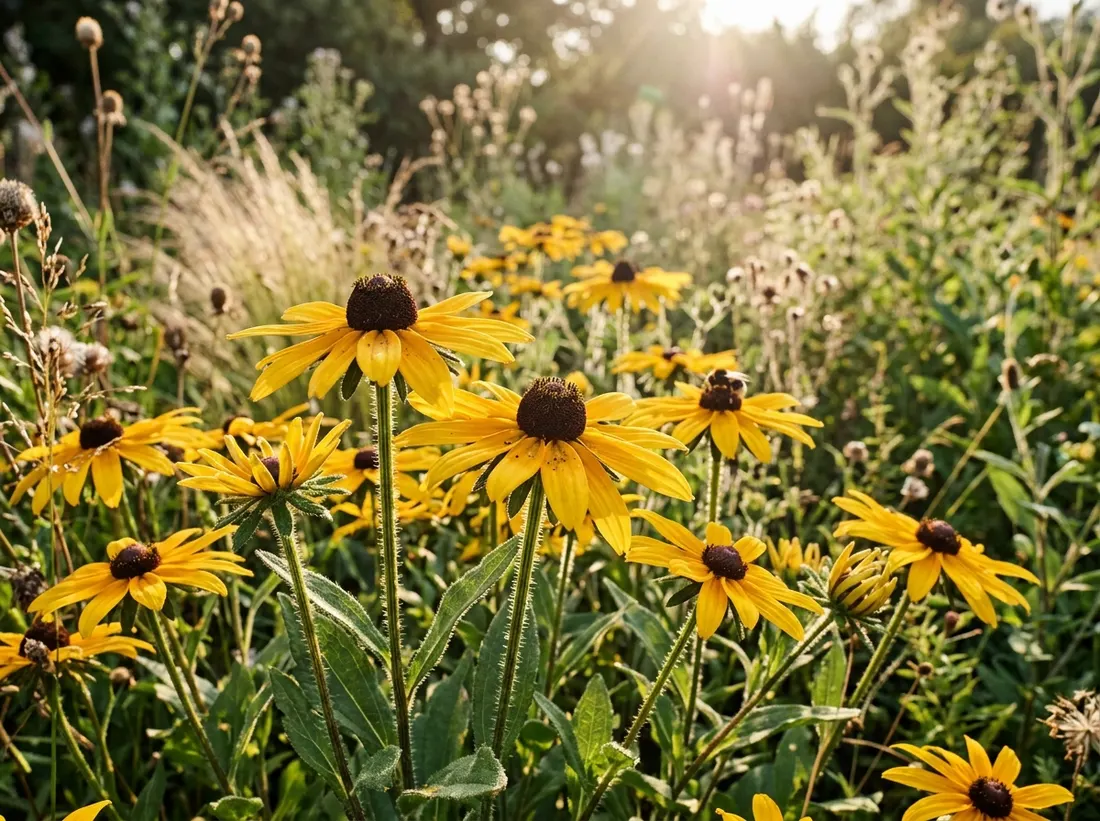
Black-eyed Susan is a native perennial in much of North America that blooms reliably from midsummer into fall with almost no maintenance once established. It needs full sun and tolerates poor soil and drought better than most flowering perennials, making it a strong choice for a low-water garden bed. Space plants 12 to 18 inches apart, and it often self-seeds, filling in gaps in a bed on its own over a couple of seasons.
13. Lavender
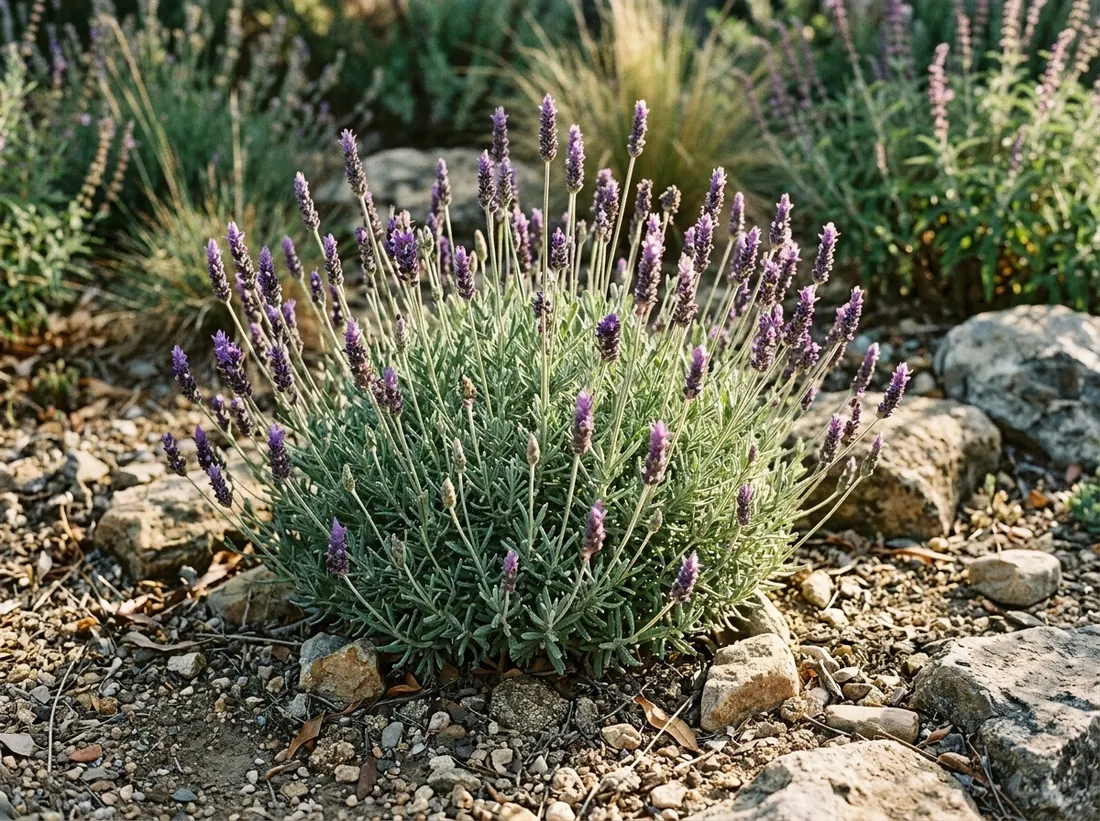
Lavender needs full sun and, more importantly, sharp drainage, since soggy soil kills it faster than drought ever will. It tolerates poor, sandy, or rocky soil and actually blooms less vigorously in overly rich garden soil. Space plants 18 to 24 inches apart for good airflow, which also helps prevent fungal issues in humid climates. Hardiness varies by variety, with English lavender surviving colder winters than French or Spanish types, so check your zone before choosing a variety.
14. Hostas
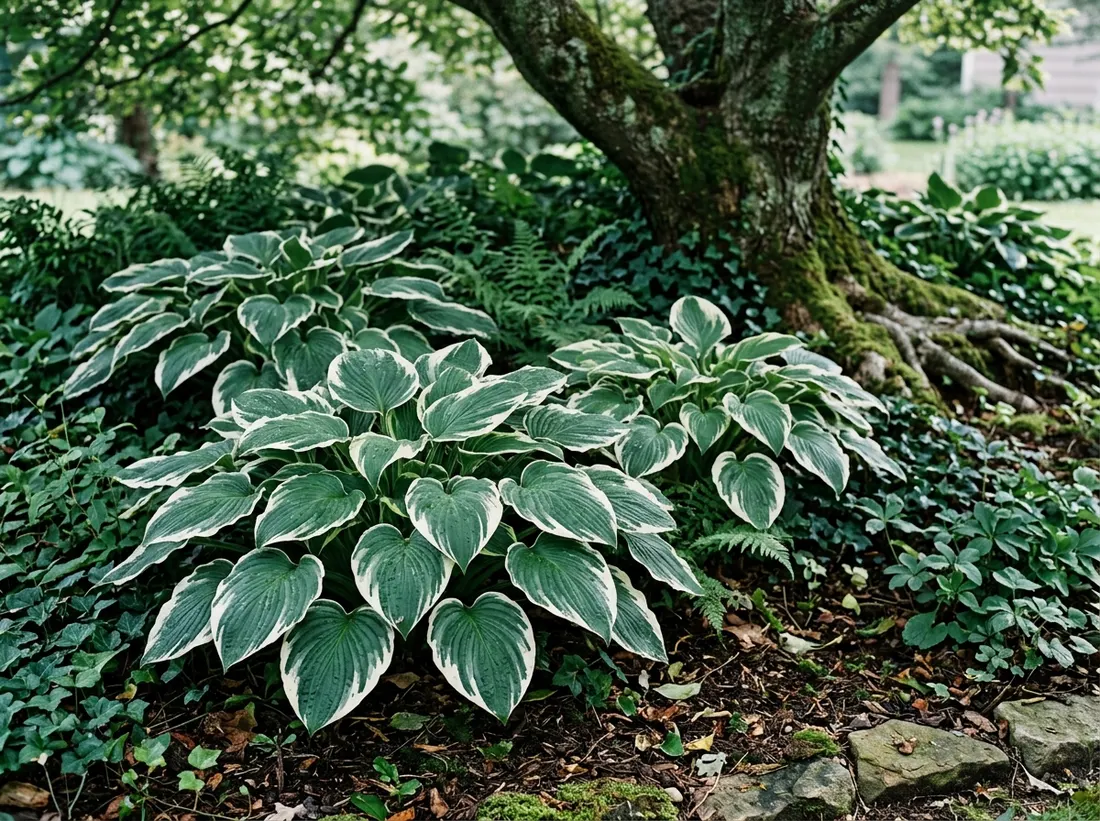
Hostas are one of the easiest shade perennials, tolerating deep shade where most flowering plants struggle, and coming back reliably each spring with little care. They need consistent moisture and rich, well-drained soil, and slugs are the main pest to watch for, especially in damp climates. Space plants 12 to 36 inches apart depending on the variety’s mature size, since some hostas spread quite wide over several years.
15. Spirea Shrub
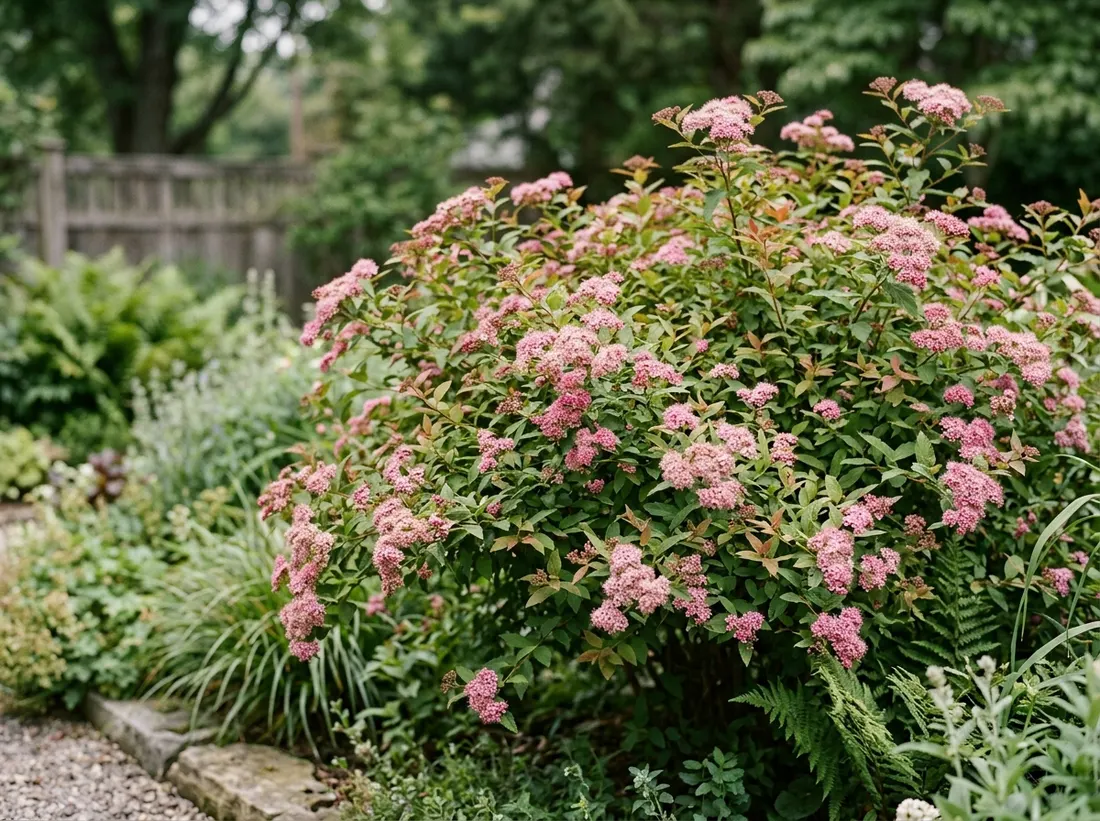
Spirea is a flowering shrub that tolerates a wide range of soil conditions and needs very little pruning to look good, making it a strong low-maintenance choice for beginners adding their first shrub. It needs full sun to partial shade and moderate watering, blooming in spring or summer depending on the variety. Space plants 3 to 5 feet apart to allow for mature spread, and prune right after flowering if shaping is needed.
16. Coneflower
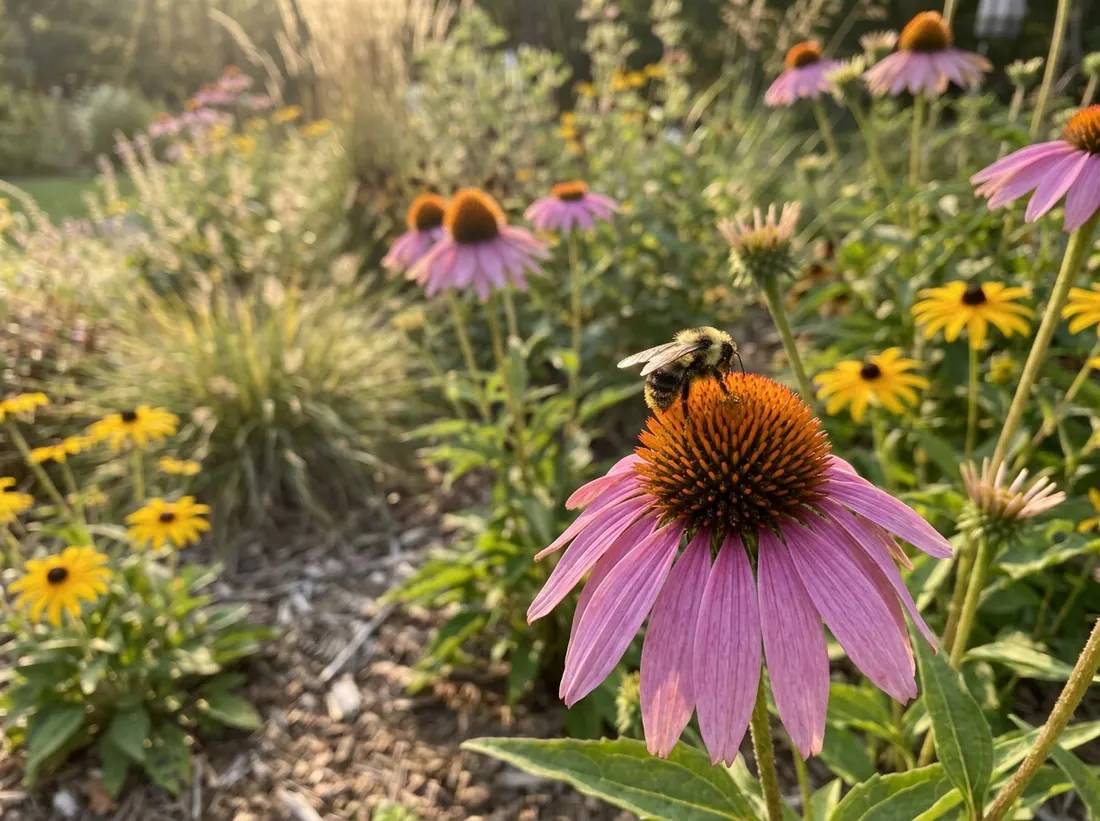
Coneflower, also known as echinacea, tolerates heat, drought, and poor soil once established, and attracts pollinators reliably through summer. It needs full sun and average, well-drained soil, and rarely requires fertilizing to bloom well. Space plants 18 to 24 inches apart, and leave spent flower heads standing into fall, since birds feed on the seeds. Coneflower is hardy across most temperate zones and returns reliably each spring.
17. Mint
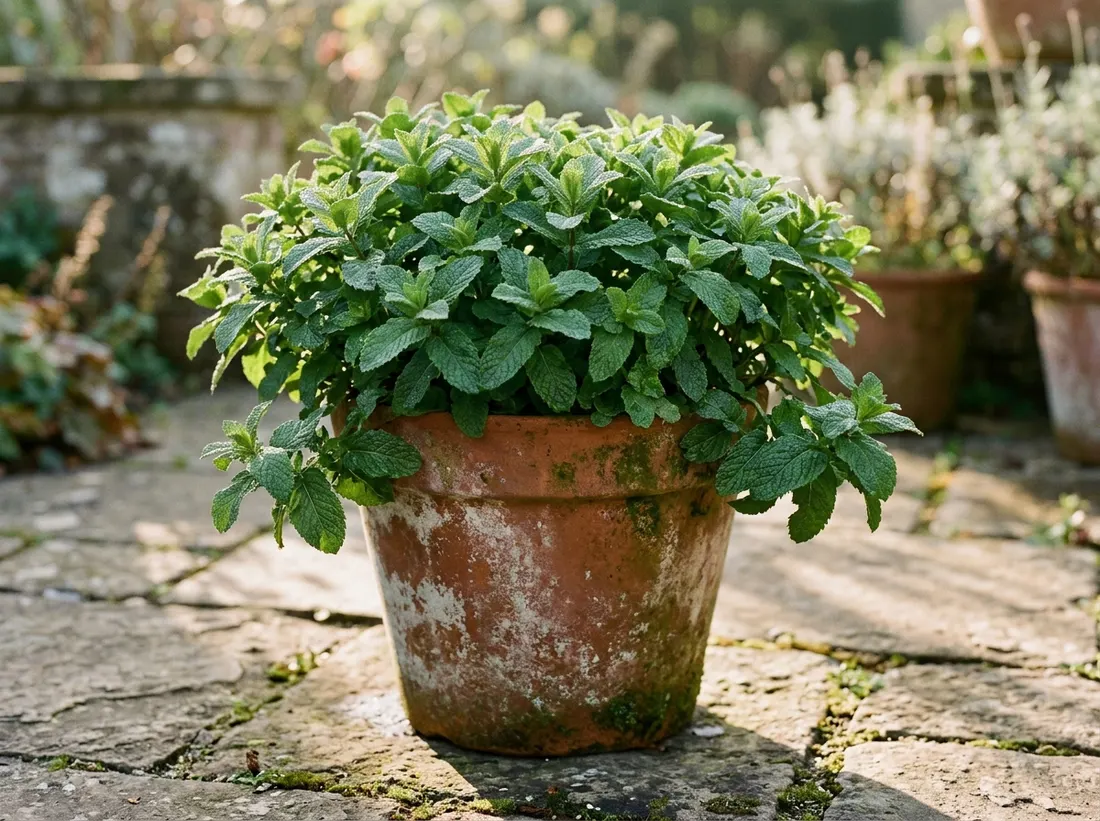
Mint grows so easily that the real challenge is containing it rather than keeping it alive, since it spreads aggressively through underground runners if planted directly in the ground. It tolerates partial shade better than most herbs and needs consistent moisture to stay lush. Growing mint in a container, even if that container sits in the ground, keeps its spread in check. Space plants 18 to 24 inches apart if grown in open soil despite the spreading risk.
18. Butterfly Bush
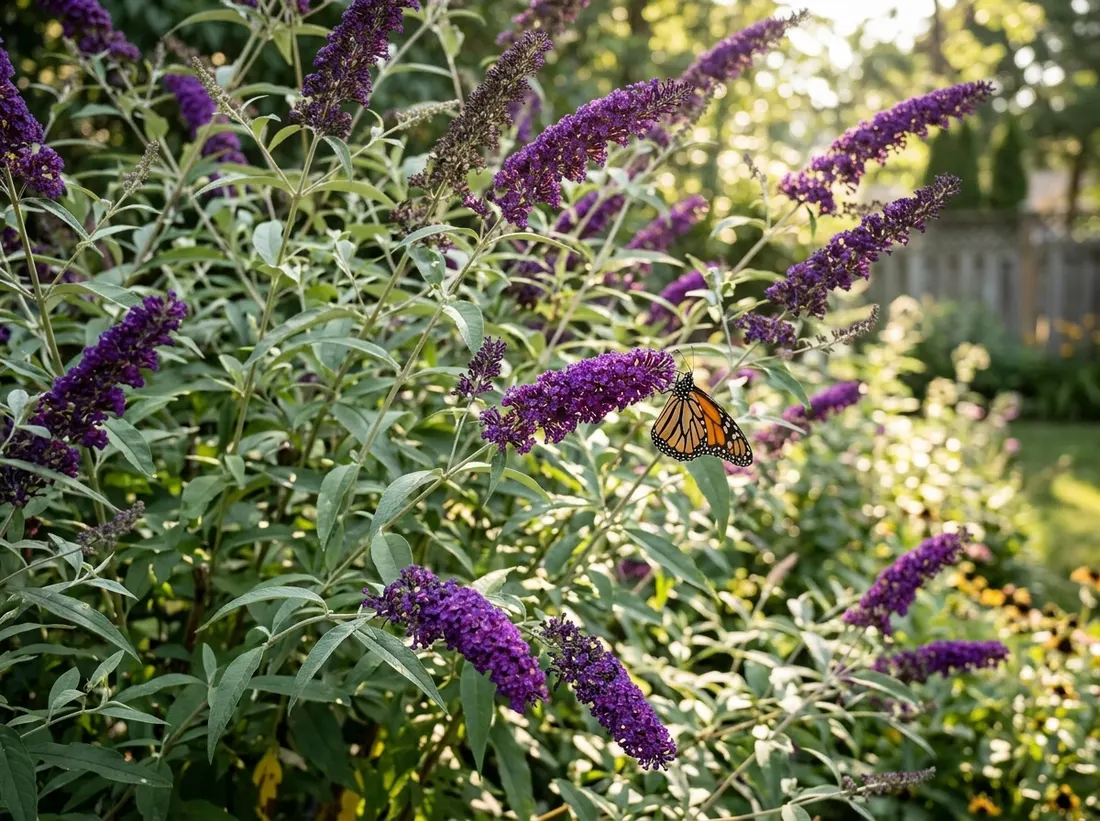
Butterfly bush grows quickly, often 5 to 10 feet in a single season, and tolerates poor soil and dry spells better than most flowering shrubs, while reliably attracting butterflies through a long summer bloom period. It needs full sun and minimal fertilizing, since too much richness produces more leaf growth than flowers. Space plants 5 to 10 feet apart to accommodate mature size, and prune hard in late winter or early spring, since it blooms on new growth each year.
Conclusion
Starting with easy plants to grow outdoors takes most of the guesswork out of a first garden and builds the kind of confidence that makes you want to keep going the following season. Marigolds, zinnias, and radishes give fast, visible results within weeks, while daylilies, coneflower, and hostas reward you with almost no ongoing effort once established. Pay attention to your own hardiness zone and typical rainfall, since even the most forgiving plants still need conditions that roughly match what they are suited for. Pick two or three from this list that fit your available sunlight, and let a successful first season guide what you add next.
Frequently Asked Questions
What are the easiest plants to grow outdoors for beginners?
Marigolds, zinnias, radishes, and cherry tomatoes are among the easiest, since they tolerate uneven watering and average soil while still producing visible results within weeks. Daylilies and coneflower are equally easy among perennials, coming back year after year with little maintenance. Choosing plants suited to your specific sunlight and climate matters more for success than the plant’s general reputation for being easy.
Do easy outdoor plants still need regular watering?
Yes, even the most forgiving plants need consistent moisture while they are establishing roots during their first few weeks in the ground. Once established, drought-tolerant choices like daylilies, coneflower, and lavender need far less frequent watering than vegetables like tomatoes or zucchini, which need consistent water throughout fruiting to produce well.
What outdoor plants grow well in poor soil?
Nasturtiums, black-eyed Susan, coneflower, and lavender all tolerate poor, low-fertility soil better than most garden plants, and some, like nasturtiums, actually bloom less if the soil is too rich. Improving very compacted or heavily clay soil with compost still helps most plants, but these particular choices are more forgiving if your soil is not ideal yet.
How do I know which plants are hardy in my climate?
Check your USDA hardiness zone or regional equivalent, then compare it against the hardiness range listed on a plant’s tag or seed packet before buying. A perennial hardy to zone 5 will survive winter outdoors in most of the northern United States, while the same plant might need different handling in a much colder or much warmer region. Local nurseries usually stock plants already suited to the surrounding climate.
Which easy plants attract pollinators?
Coneflower, black-eyed Susan, butterfly bush, and zinnias all attract bees and butterflies reliably while still being low-maintenance choices for beginners. Native perennials like coneflower and black-eyed Susan tend to support local pollinator species especially well, since they are already adapted to the region’s growing conditions and bloom times.
Can beginners grow vegetables and flowers together outdoors?
Yes, mixing vegetables like tomatoes or beans with flowers like marigolds and zinnias is a common and effective approach, since some flowers help deter certain pests near vegetable beds. Just make sure both share similar sunlight needs, since most vegetables need a full 6 hours of direct sun while some flowers tolerate partial shade.