
30 Gardening Ideas You’ll Love
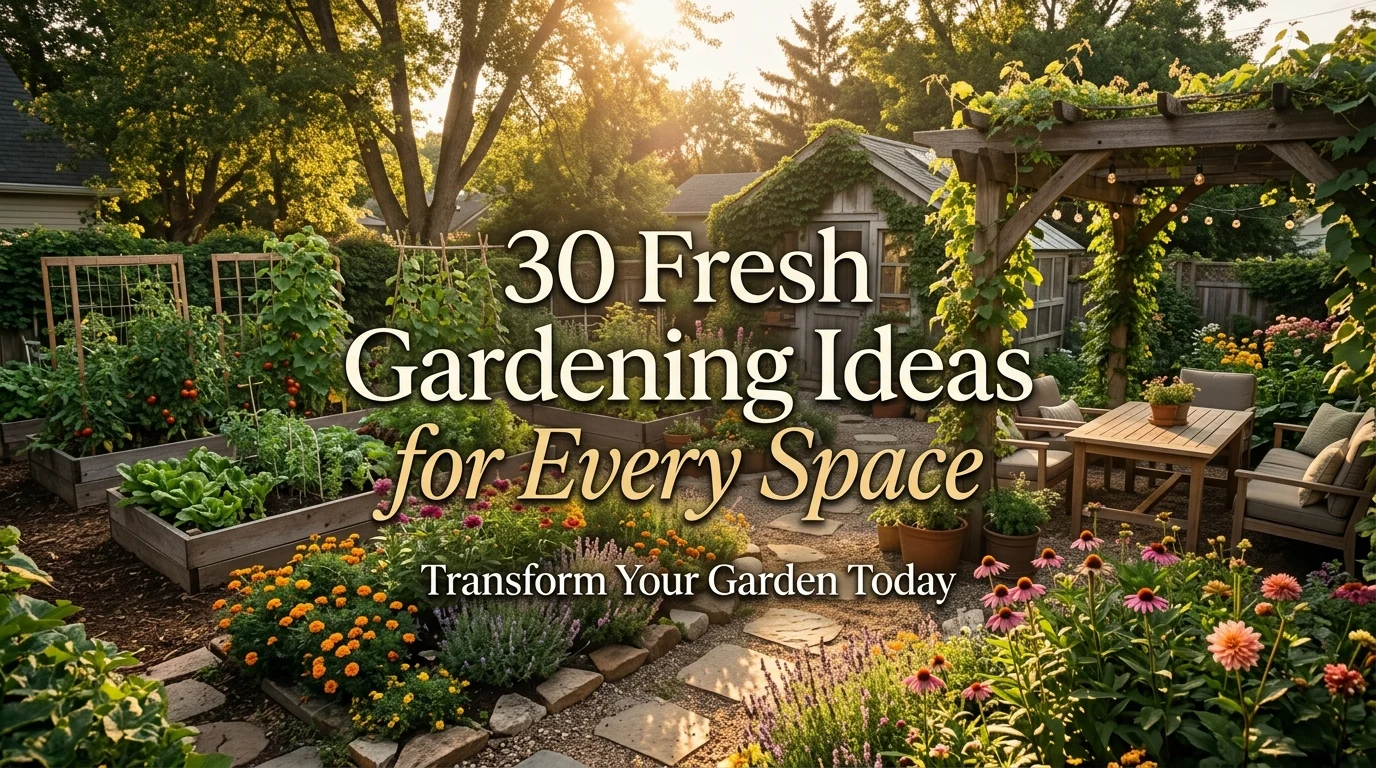
A bare patch of yard, a few empty pots on a balcony, or a garden bed that has looked the same for three seasons can leave you stuck for what to try next. That flat feeling is common, and the fix usually is not a full renovation, it is a handful of fresh gardening ideas that fit the space, time, and budget you actually have. I usually start with a short list rather than a big plan, because small changes are easier to finish. This article gathers thirty gardening ideas that work across different settings, outdoor beds, containers, balconies, and shared community plots, so you can find a few that match wherever you garden right now. Some focus on color and flowers, some on growing food, some on stretching a small space upward, and a few are about making the space feel finished and welcoming to wildlife. None require special equipment or advanced skill, just a bit of sun and a willingness to try. Read through and pick two or three to start with this season, then come back for more once those take hold.
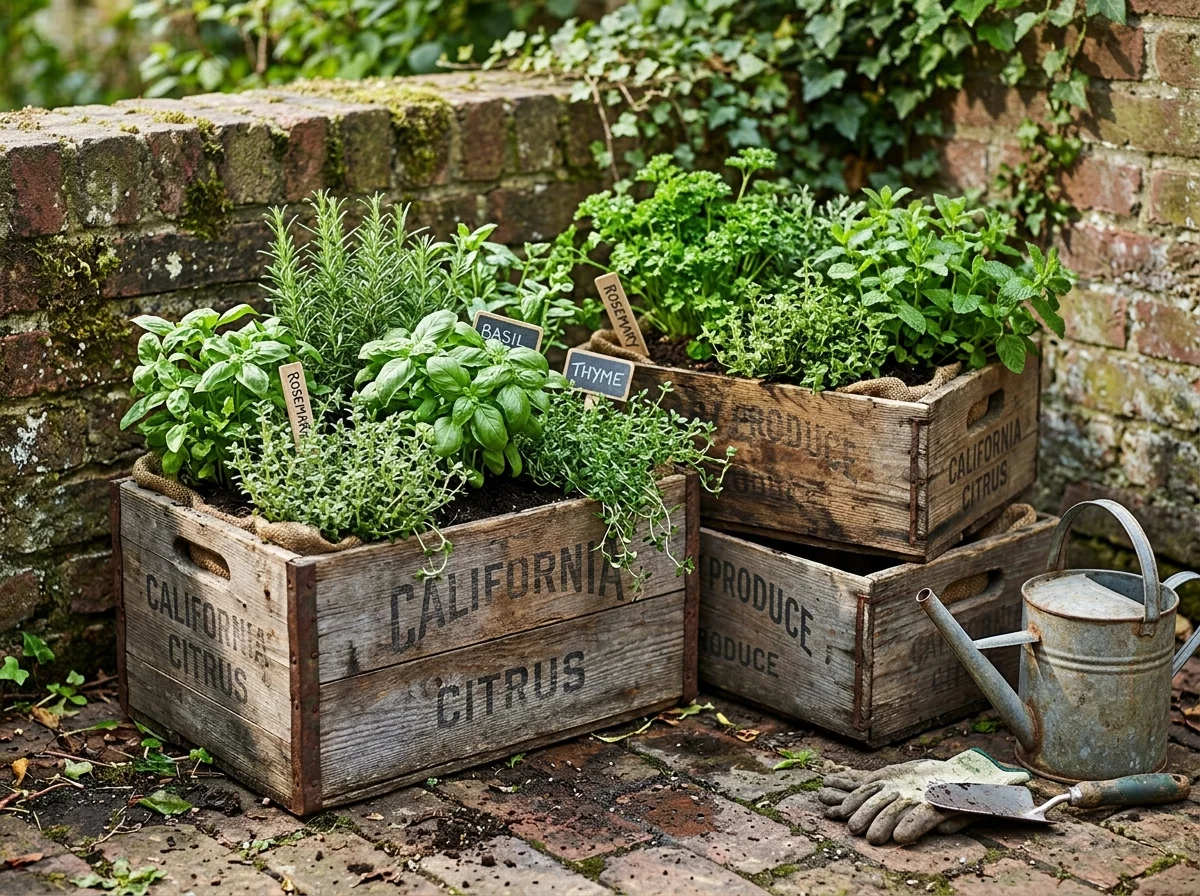
1. Window Box Herb Garden
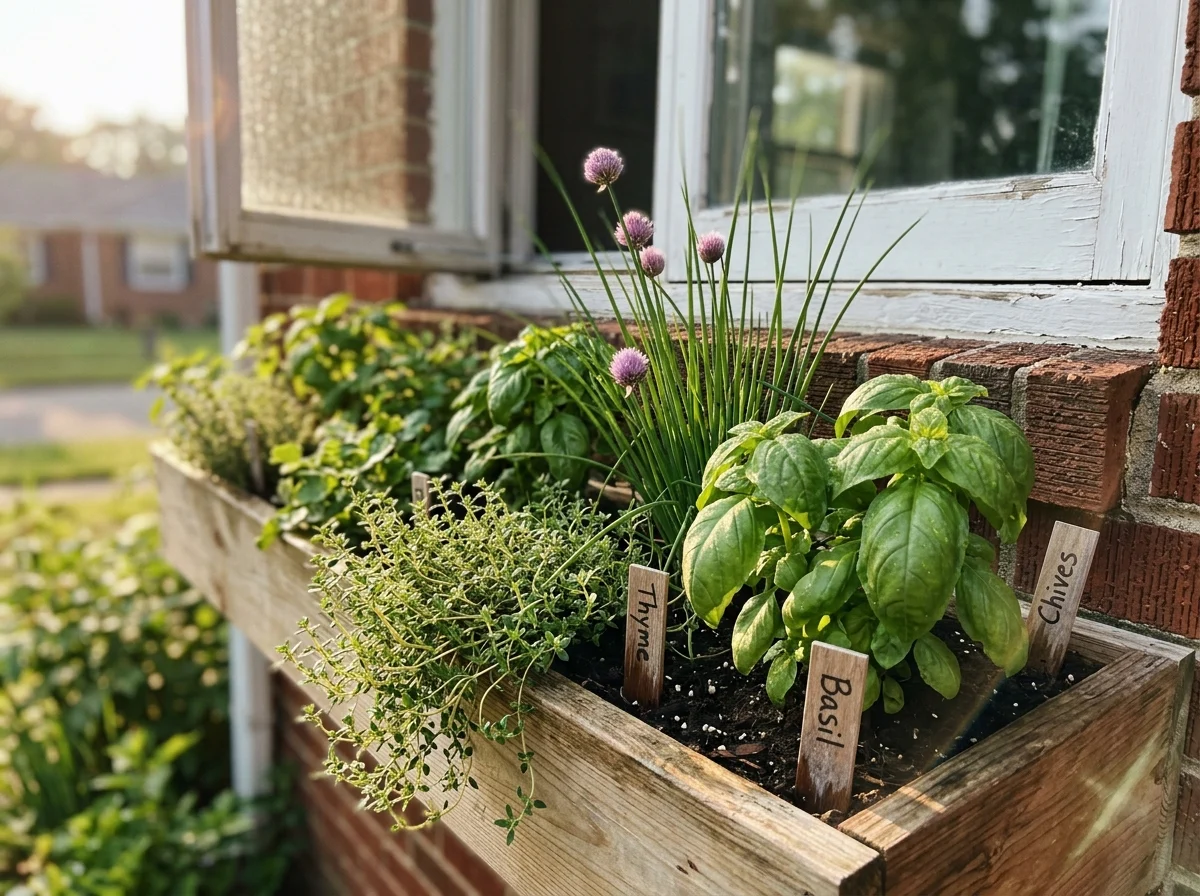
A window box herb garden puts basil, thyme, and chives within arm’s reach of the kitchen. Herbs generally need at least six hours of direct sun and a container with drainage holes, so a south- or west-facing sill works best. Snip what you need and the plants keep producing all season.
2. Balcony Railing Planters
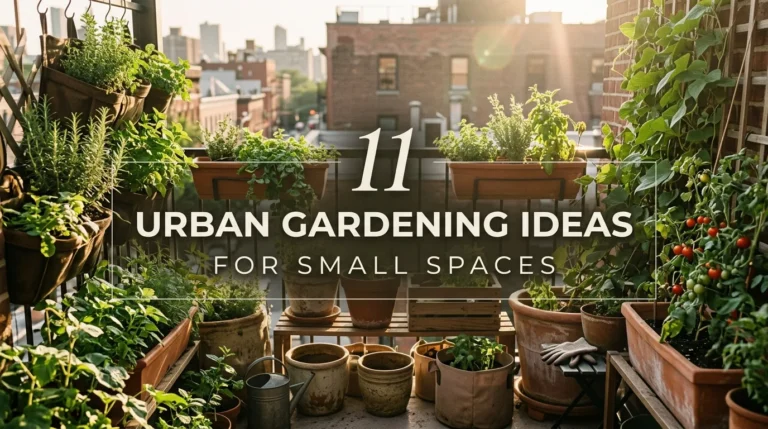
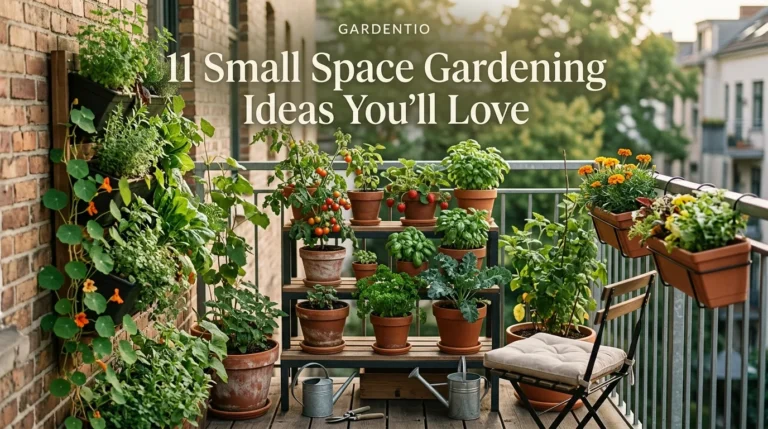
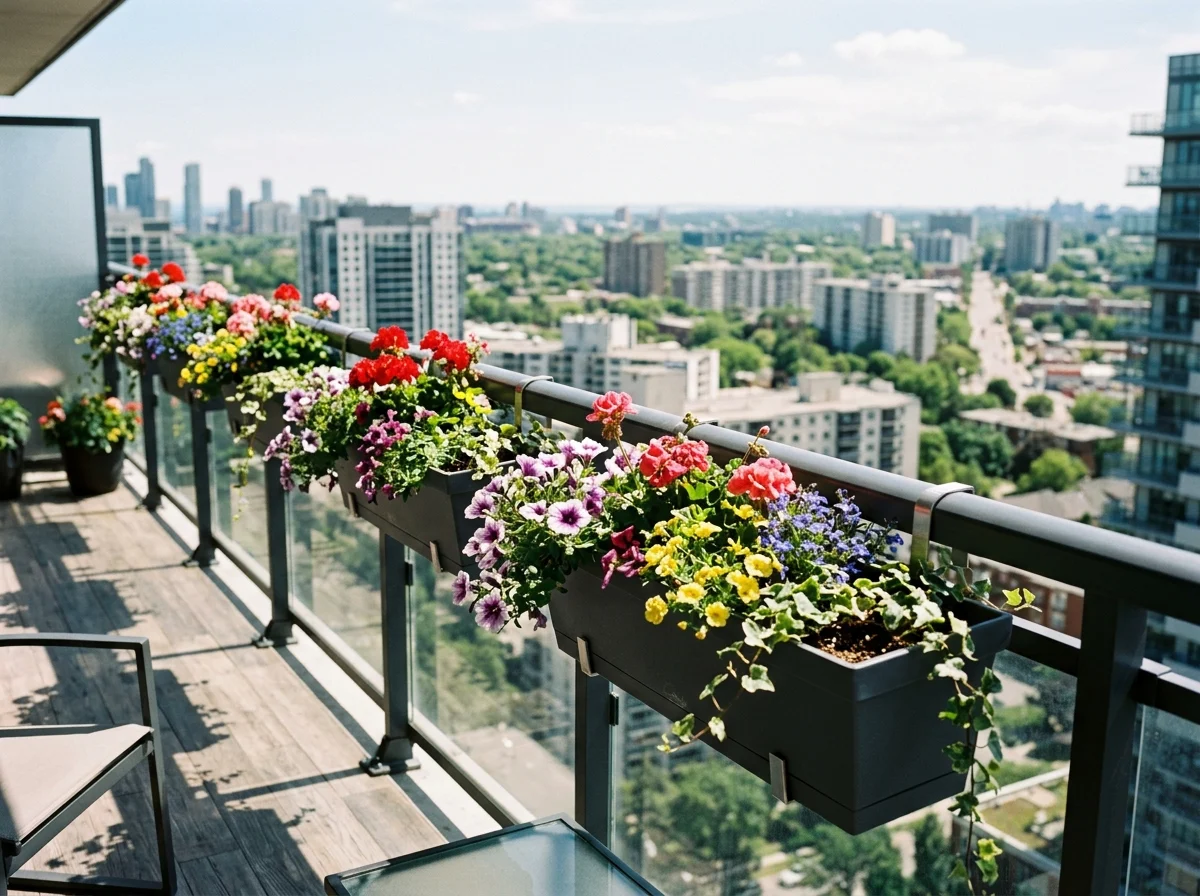
Balcony railing planters clip directly onto the rail and add growing space without taking up any floor room. Use a lightweight potting mix, not garden soil, to keep the total weight manageable, and check the planter’s weight limit against your railing before hanging it.
3. Group Containers by Height
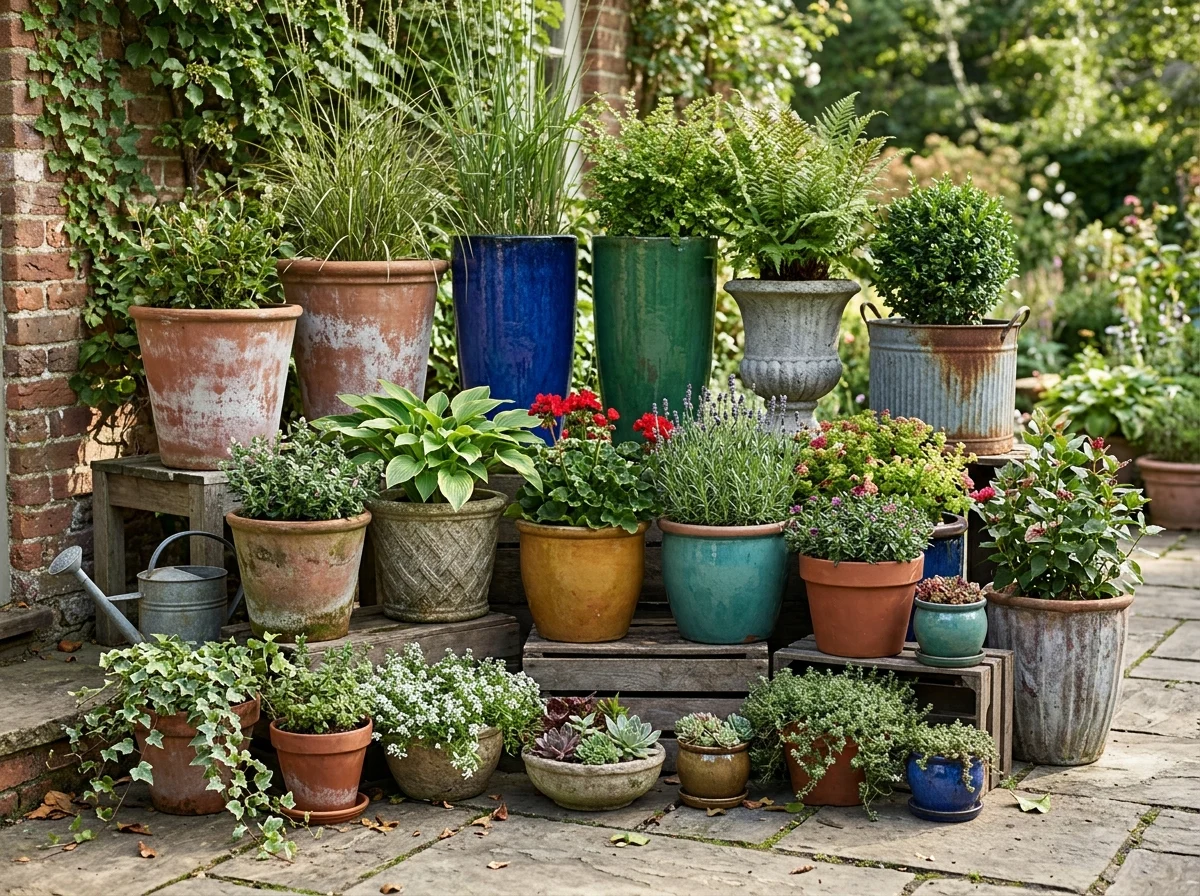
Grouping several containers by height, tall pots at the back and low ones in front, turns a random collection of plants into a layered display. It also makes watering faster, since similar-sized pots often dry out at a similar rate. Terra cotta, wood, and glazed ceramic mixed together still read as one arrangement if the plants tie them together.
4. Community Garden Plot
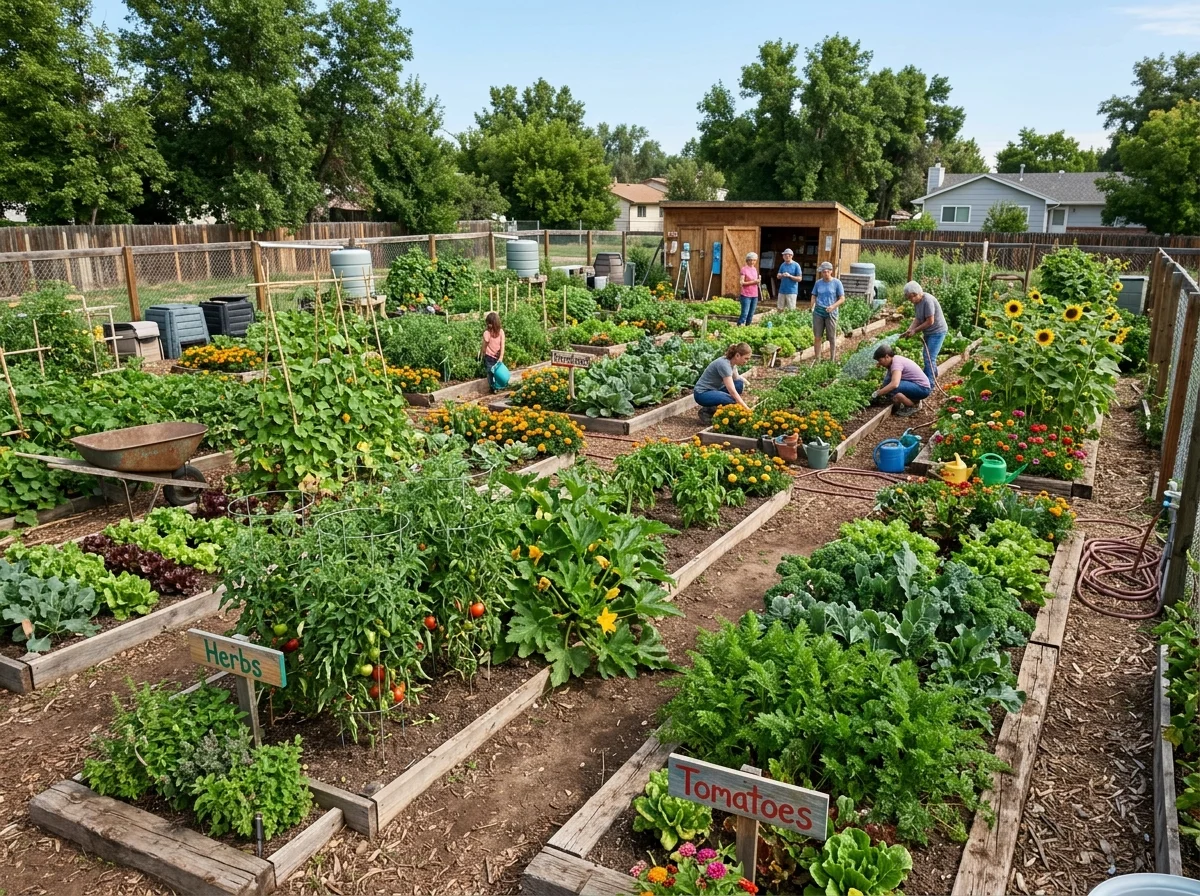
A community garden plot is a practical option for anyone without a yard. Most plots run 10 by 10 feet or larger, enough room for a mix of vegetables and flowers, and many gardens include shared tools and water access.
5. Dwarf Fruit Tree in a Pot
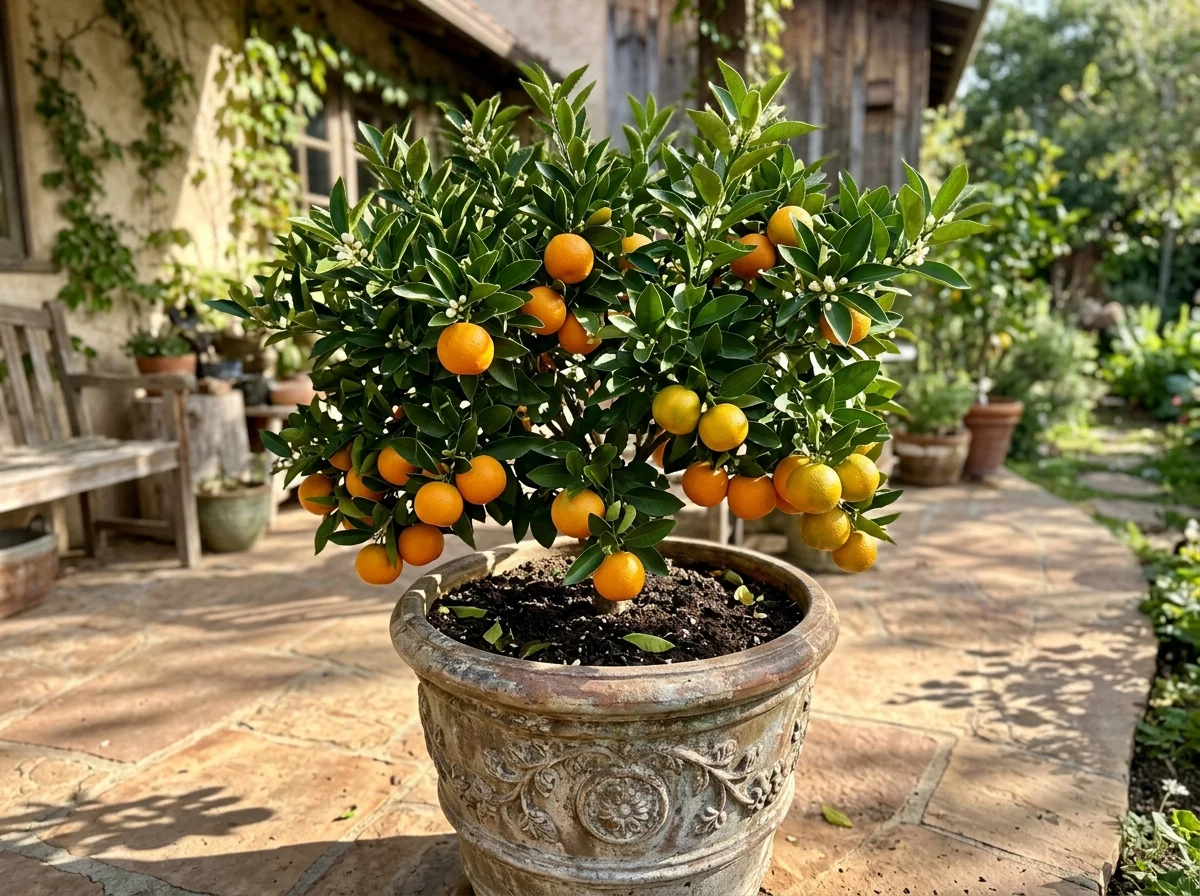
A dwarf fruit tree, such as a patio citrus or fig, grows well in a 15- to 20-gallon container with drainage holes. It needs full sun and, in cold climates, a spot indoors or in a garage once temperatures drop near freezing.
6. Seed Swapping with Neighbors
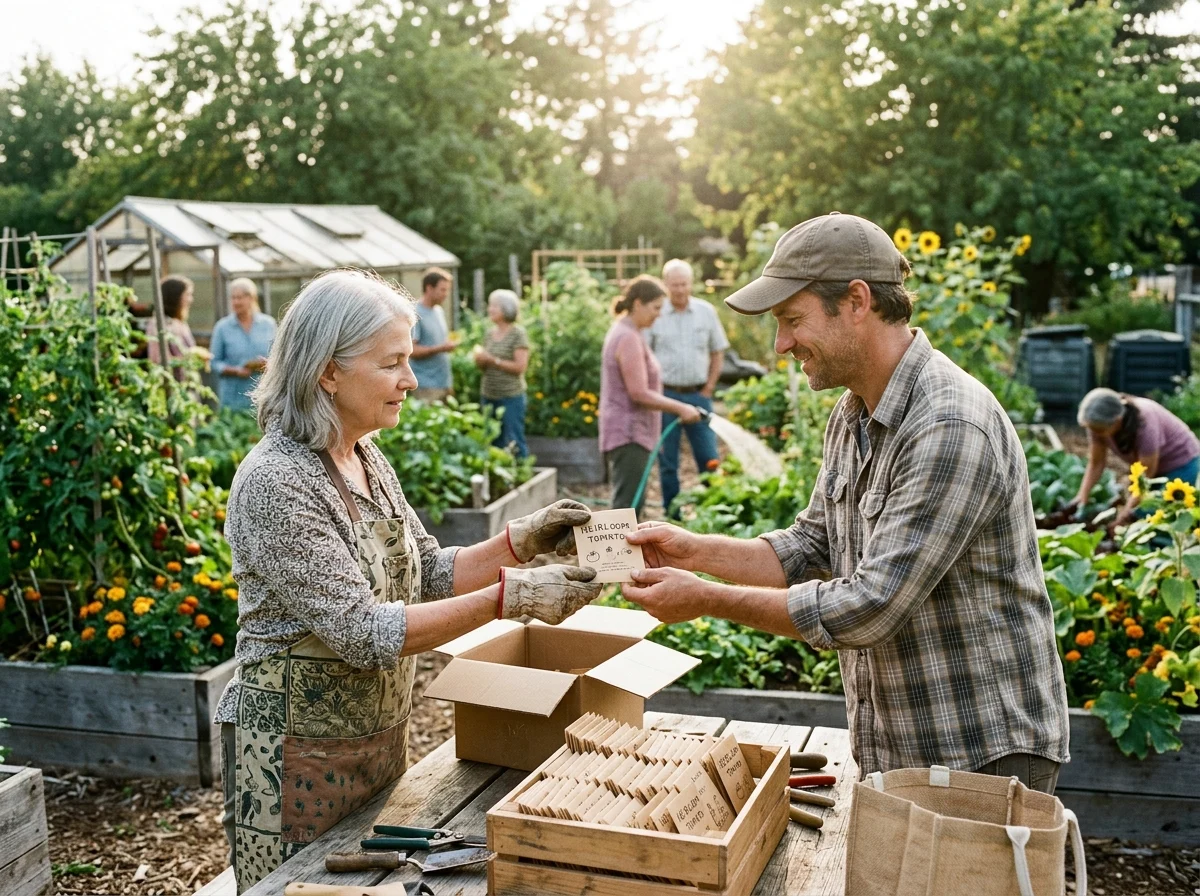
Seed swapping with neighbors or a local gardening group costs nothing and often brings home varieties you would not find at a regular store. Save your own seeds at the end of the season from open-pollinated plants and you have something to trade the following year.
7. Regrow Kitchen Scraps
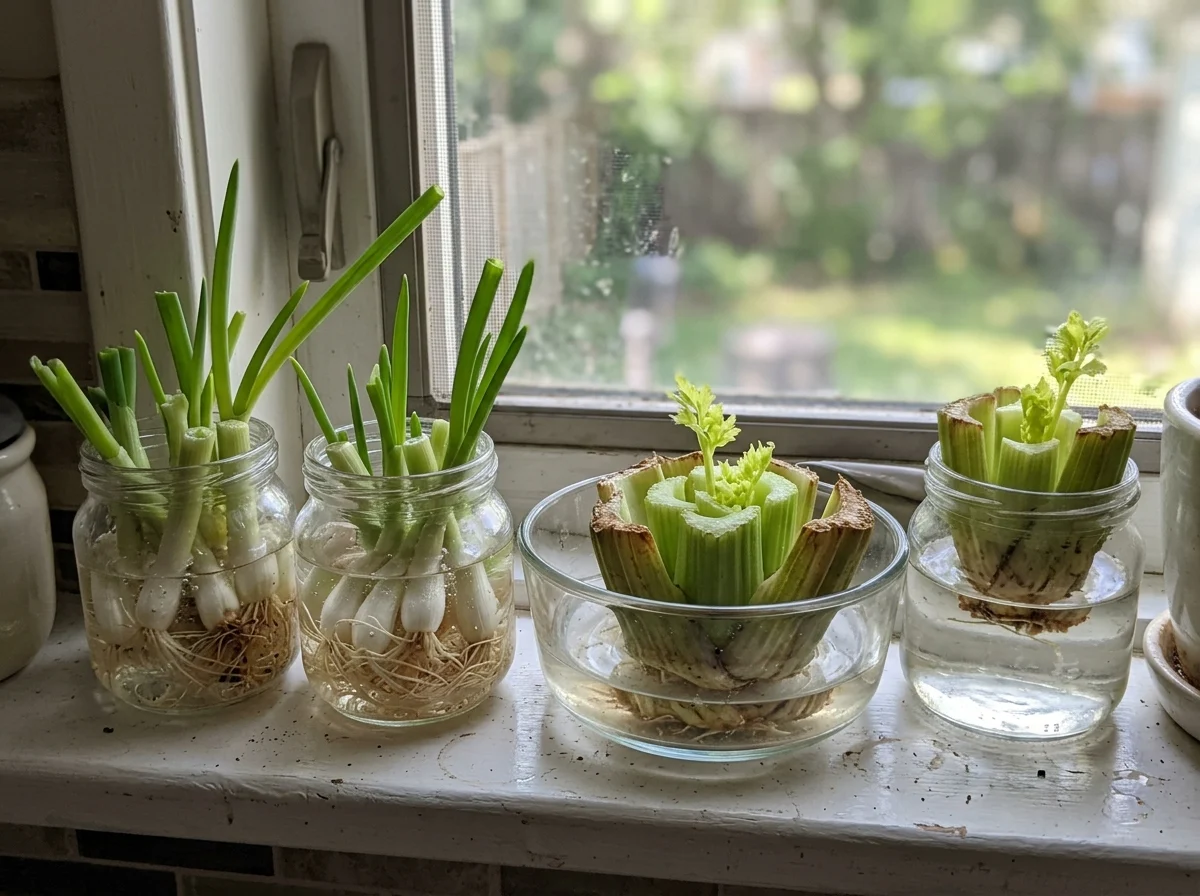
Several kitchen scraps regrow with almost no effort. Green onion roots, lettuce stumps, and celery bases will send up new growth in a shallow dish of water within a week, then can be moved into soil.
8. Repurposed Containers
Buckets, old crates, and large cans make free or cheap containers as long as you drill drainage holes in the bottom. A five-gallon bucket comfortably grows one tomato plant or several herbs.
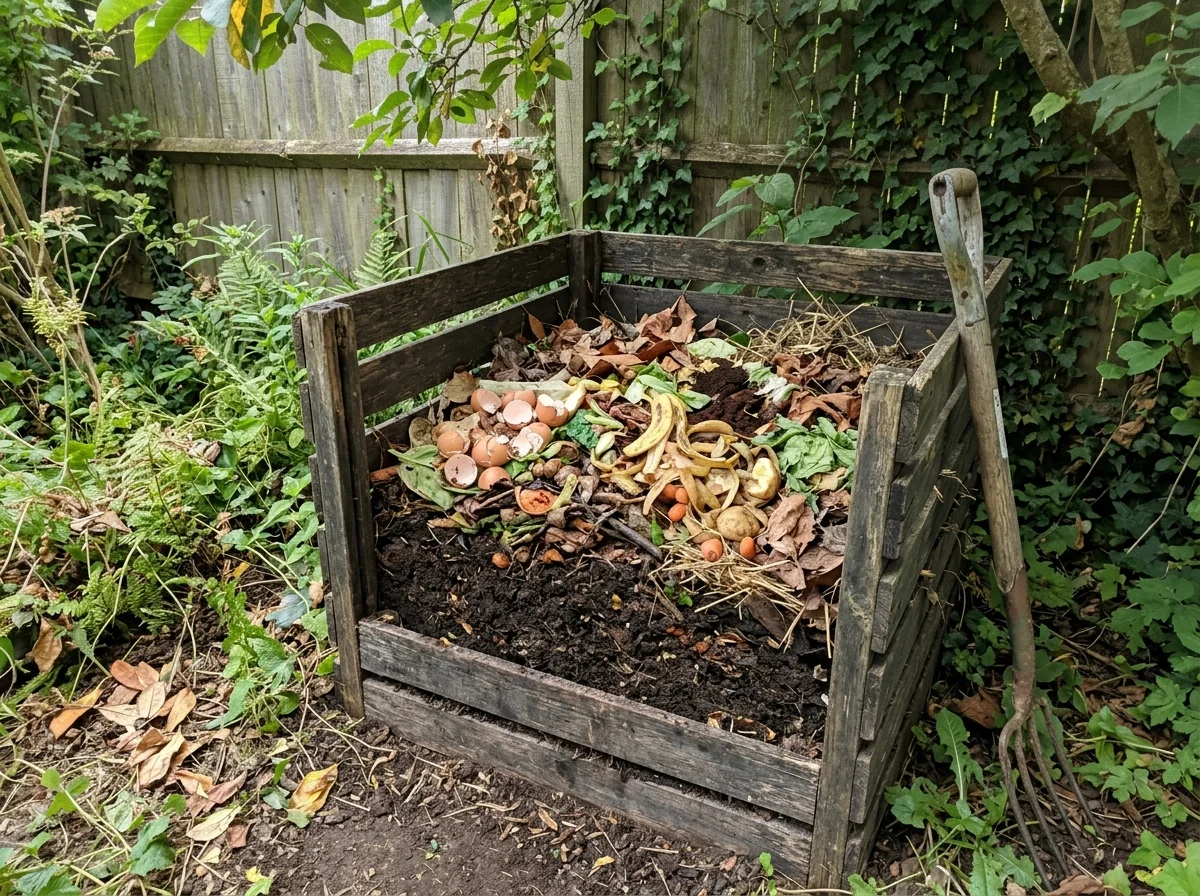
9. Homemade Compost
Homemade compost turns kitchen peels, coffee grounds, and yard trimmings into free soil amendment instead of something you buy in bags. A simple pile or bin, turned every couple of weeks, breaks down into usable compost in two to four months depending on the climate.
10. Divide Overgrown Perennials
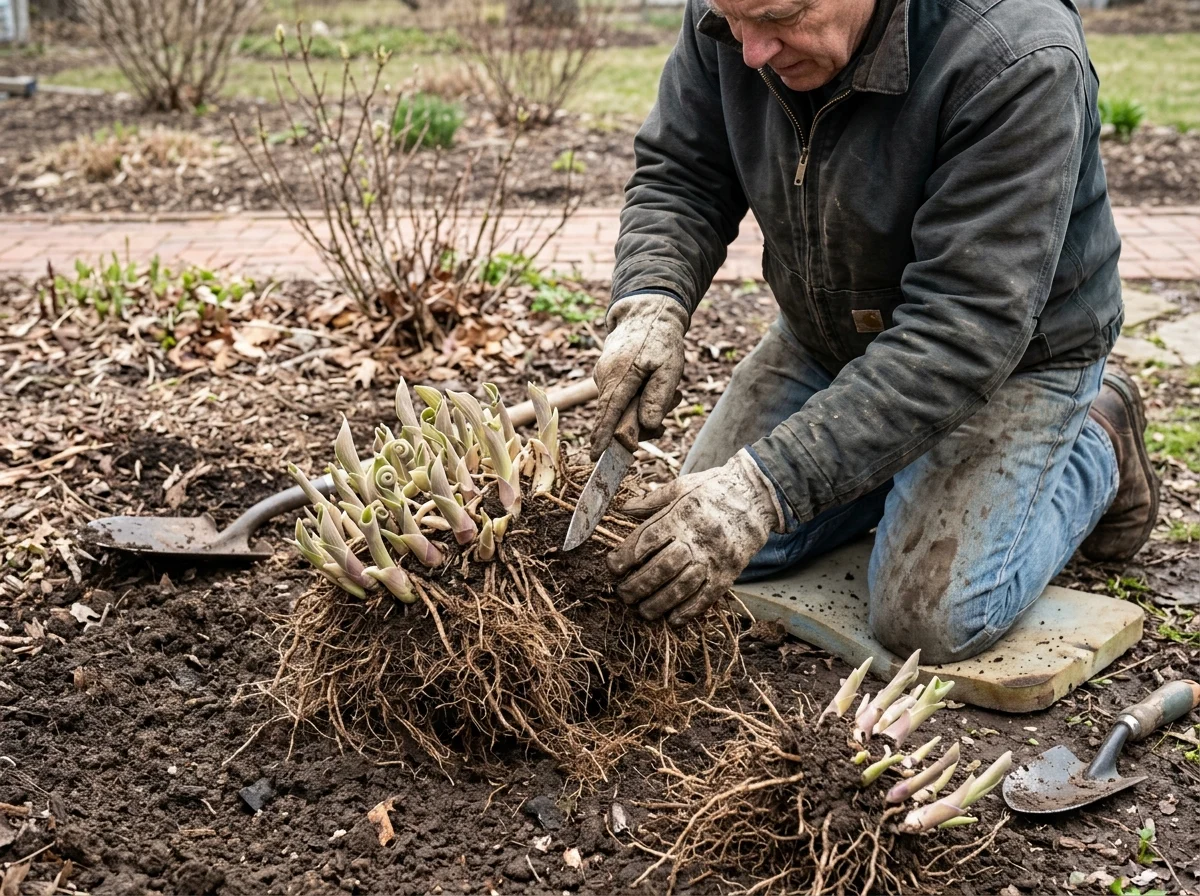
Dividing overgrown perennials, like daylilies or hostas, gives you free plants for other parts of the yard or to share. Early spring or fall, when the plant is not actively flowering, is the easiest time to dig and split the root clump.
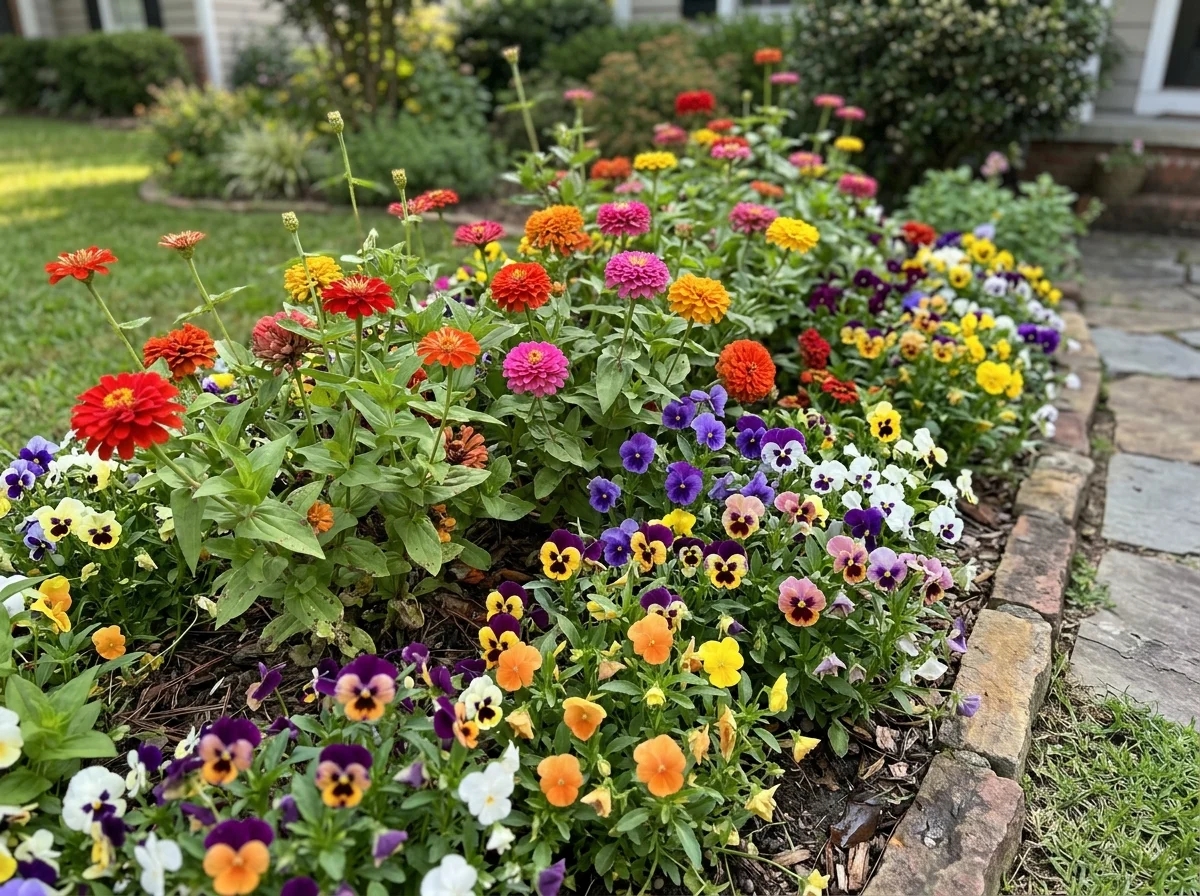
11. Mixed Annual Flower Bed
A mixed annual flower bed with layered bloom times keeps color going from spring through fall. Pairing an early bloomer like pansies with a summer performer like zinnias and a fall option like marigolds avoids the gap that happens when everything flowers at once and then stops.
12. Dedicated Cutting Garden
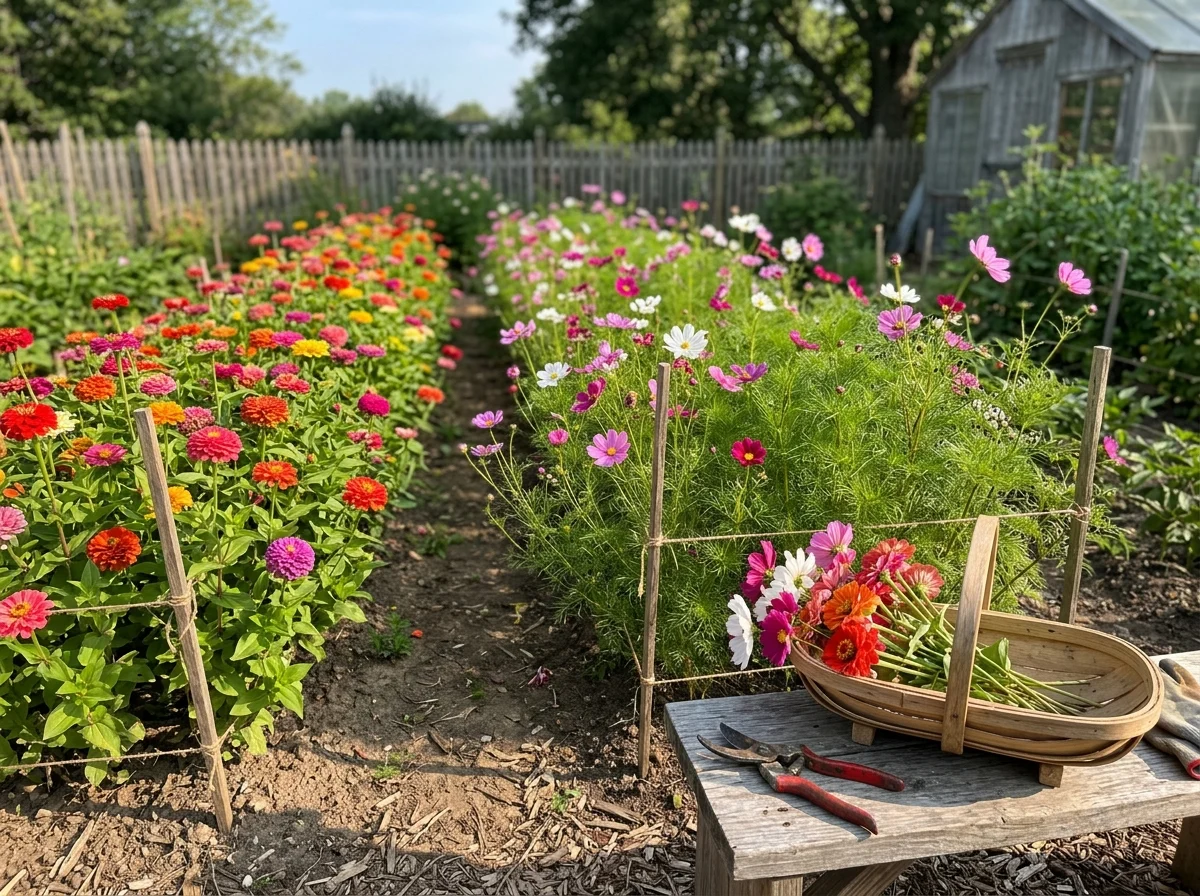
A dedicated cutting garden, even a 4-by-4-foot patch, grows flowers specifically for bringing indoors rather than for the border. Zinnias, cosmos, and sunflowers all rebloom readily when you cut stems regularly, so harvesting actually encourages more flowers.
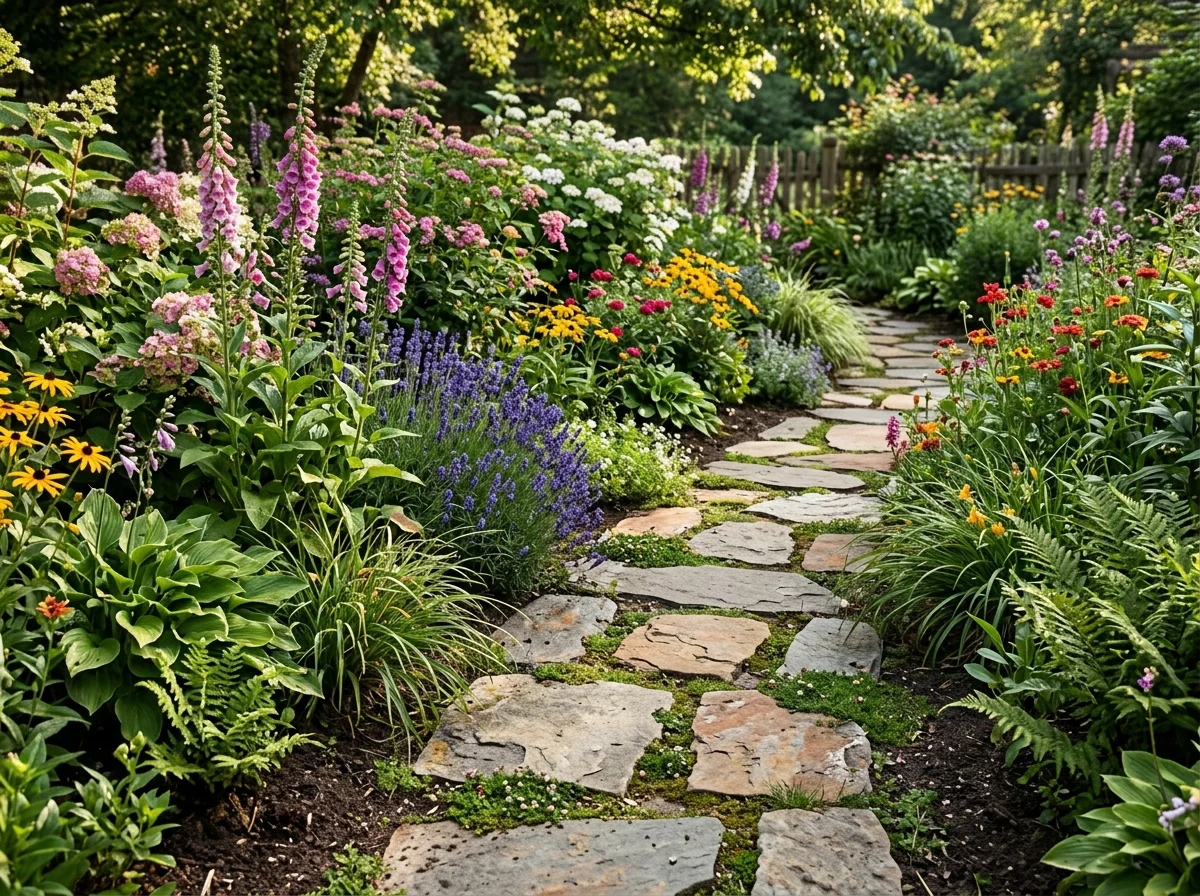
13. Cottage-Style Border
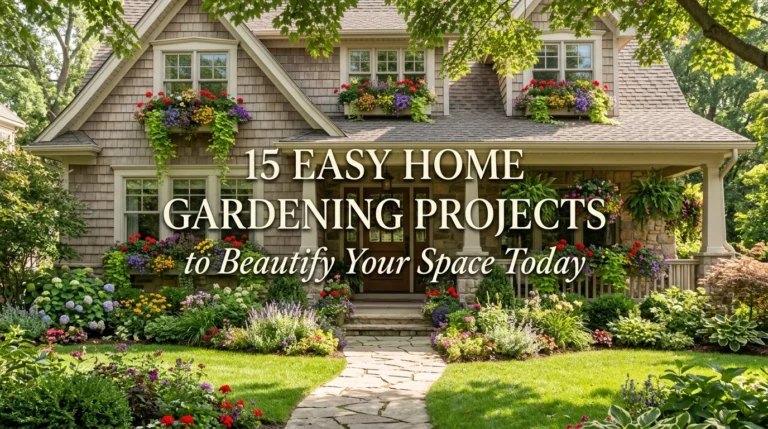
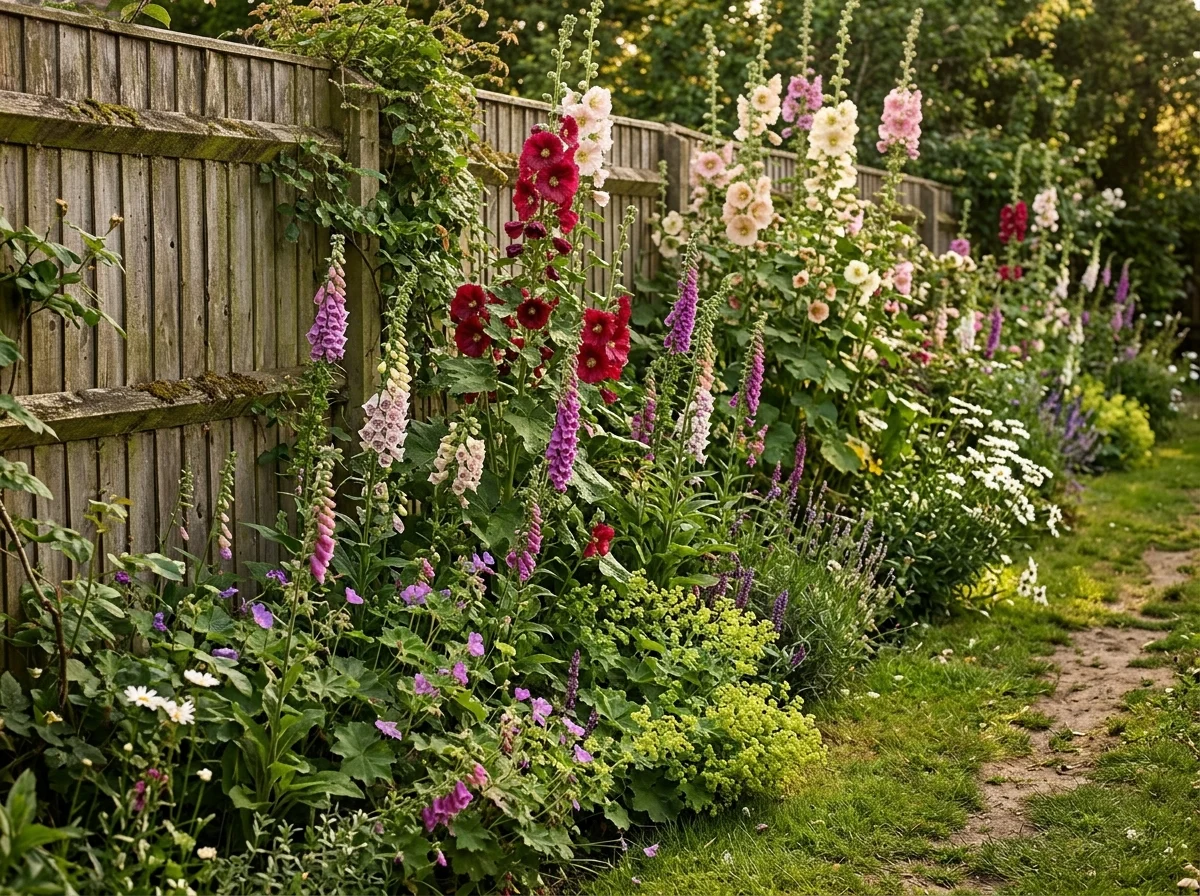
A cottage-style border along a fence line mixes tall and short flowers with an informal, slightly loose look rather than straight rows. Hollyhocks, foxglove, and cosmos planted close together create the fullness this style depends on.
14. Drought-Tolerant Flower Bed
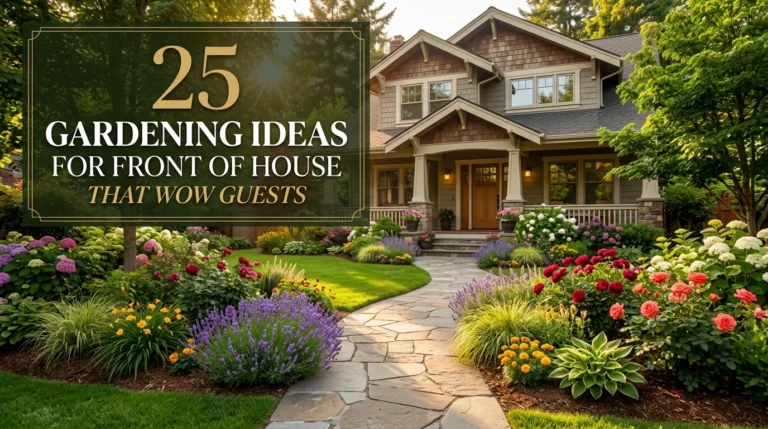
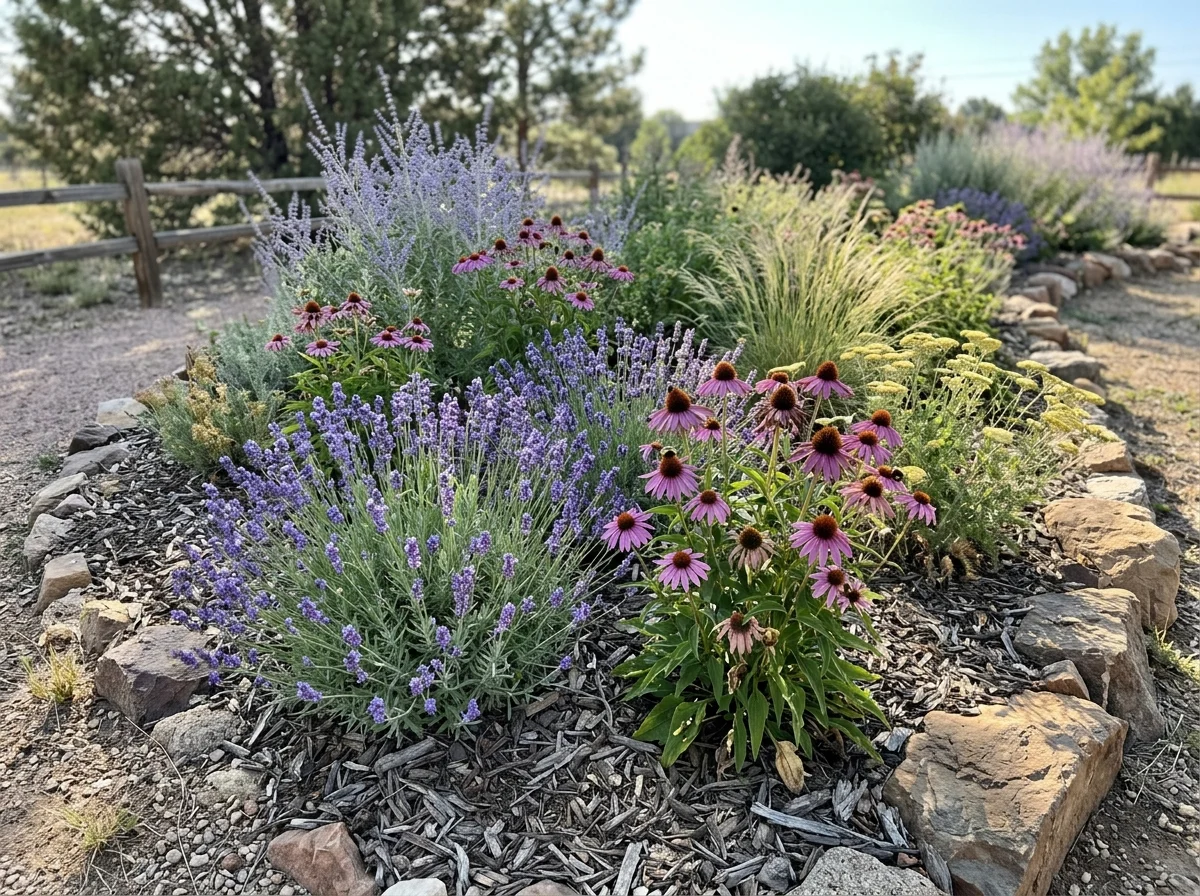
In hot or dry regions, a bed of drought-tolerant flowers like lavender, coneflower, and yarrow needs far less watering once established, often none beyond rainfall after the first year. These also tend to draw bees and butterflies, adding another layer of interest.
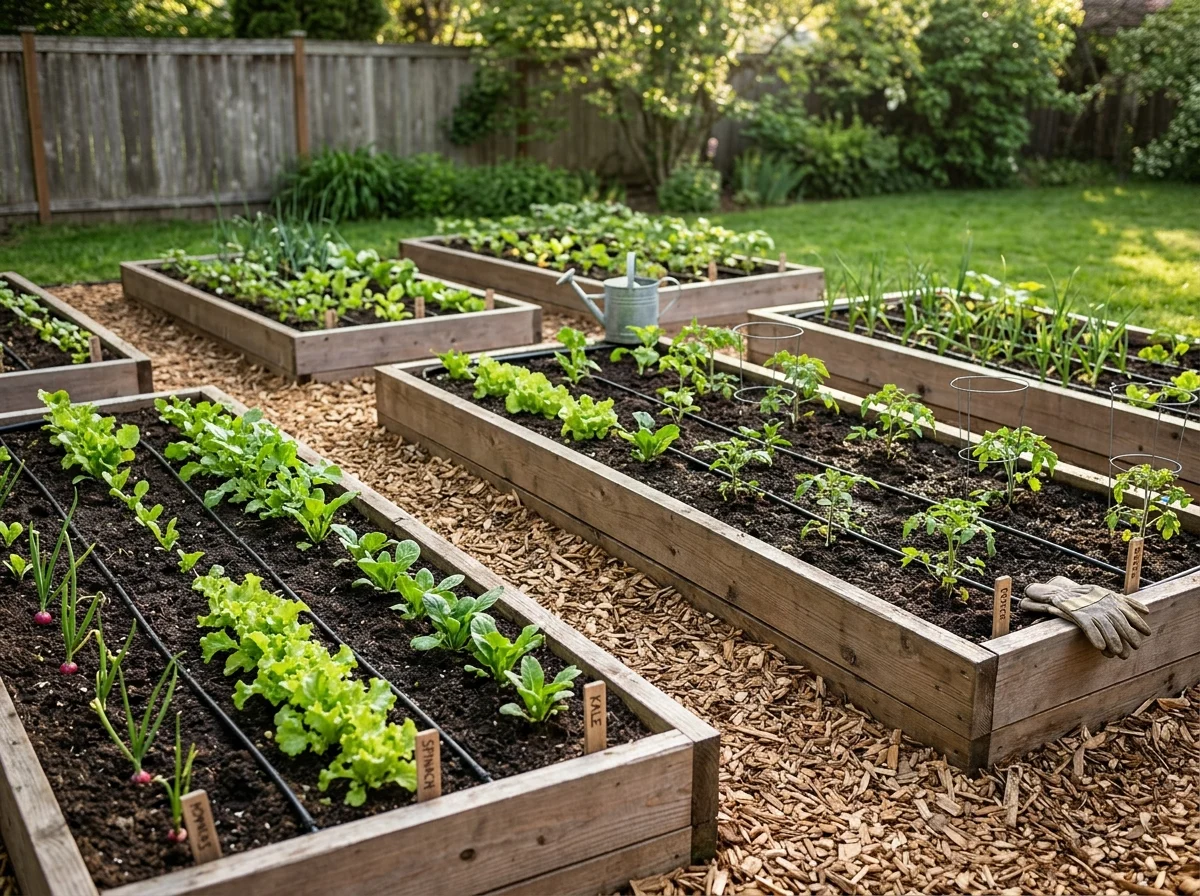
15. Raised Bed Vegetable Garden
A raised bed vegetable garden warms up faster in spring and drains better than in-ground soil, which matters most in areas with heavy clay. A bed 4 feet wide keeps every plant within reach from either side without stepping into the soil.
16. Salad Greens Container
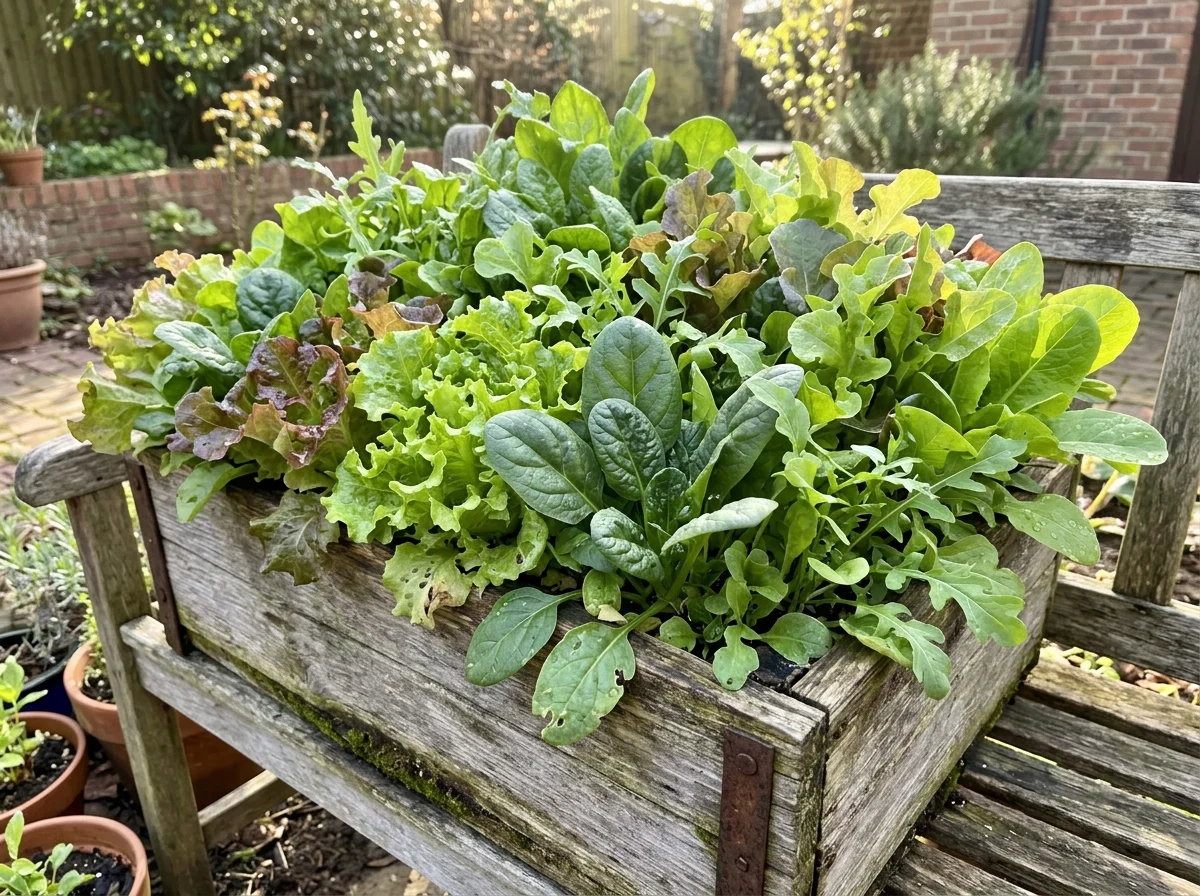
A container of salad greens, planted a little at a time every two weeks, gives you continuous harvests instead of one large crop that bolts all at once. Lettuce and spinach both tolerate partial shade and cooler temperatures better than most vegetables.
17. Companion Planting
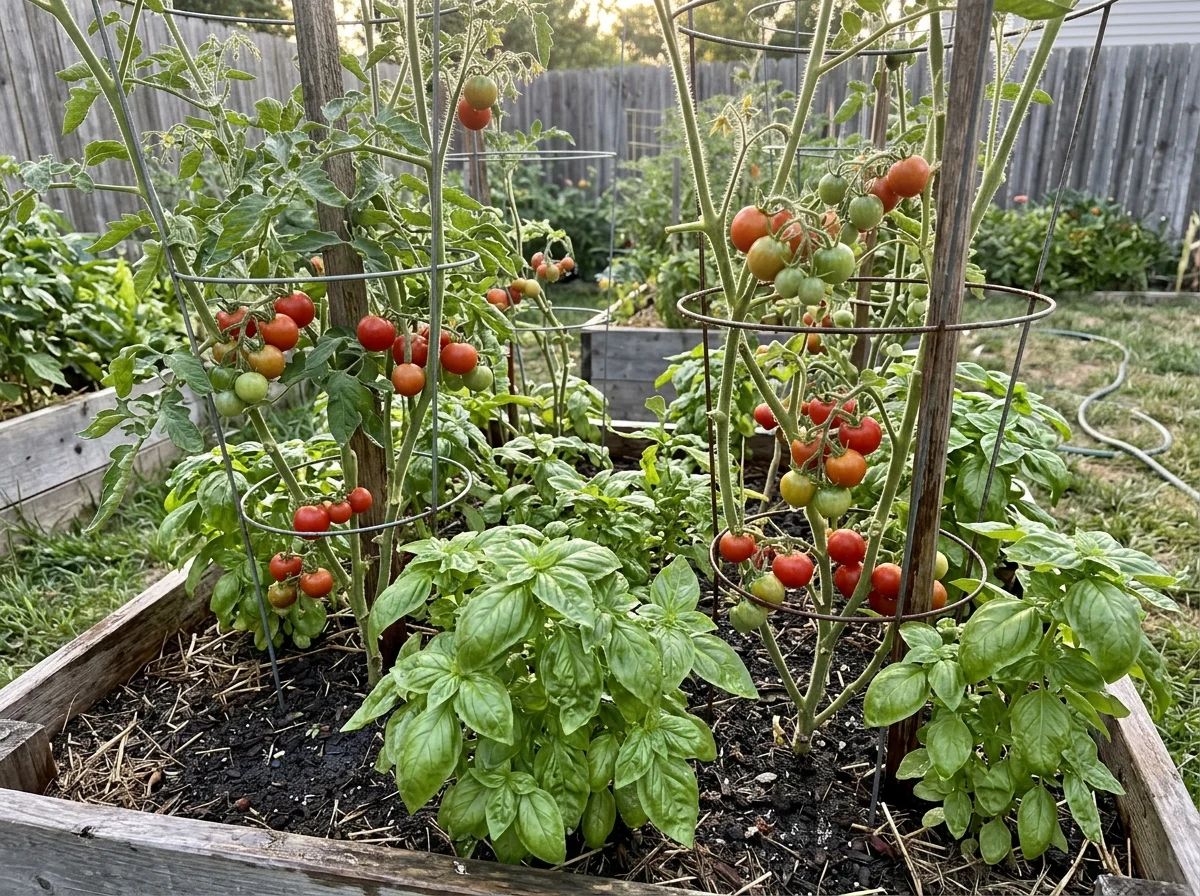
Companion planting pairs vegetables that genuinely help each other. Basil planted next to tomatoes is a classic combination, since both want similar sun and water, and the basil’s scent can help confuse some pests looking for tomato plants.
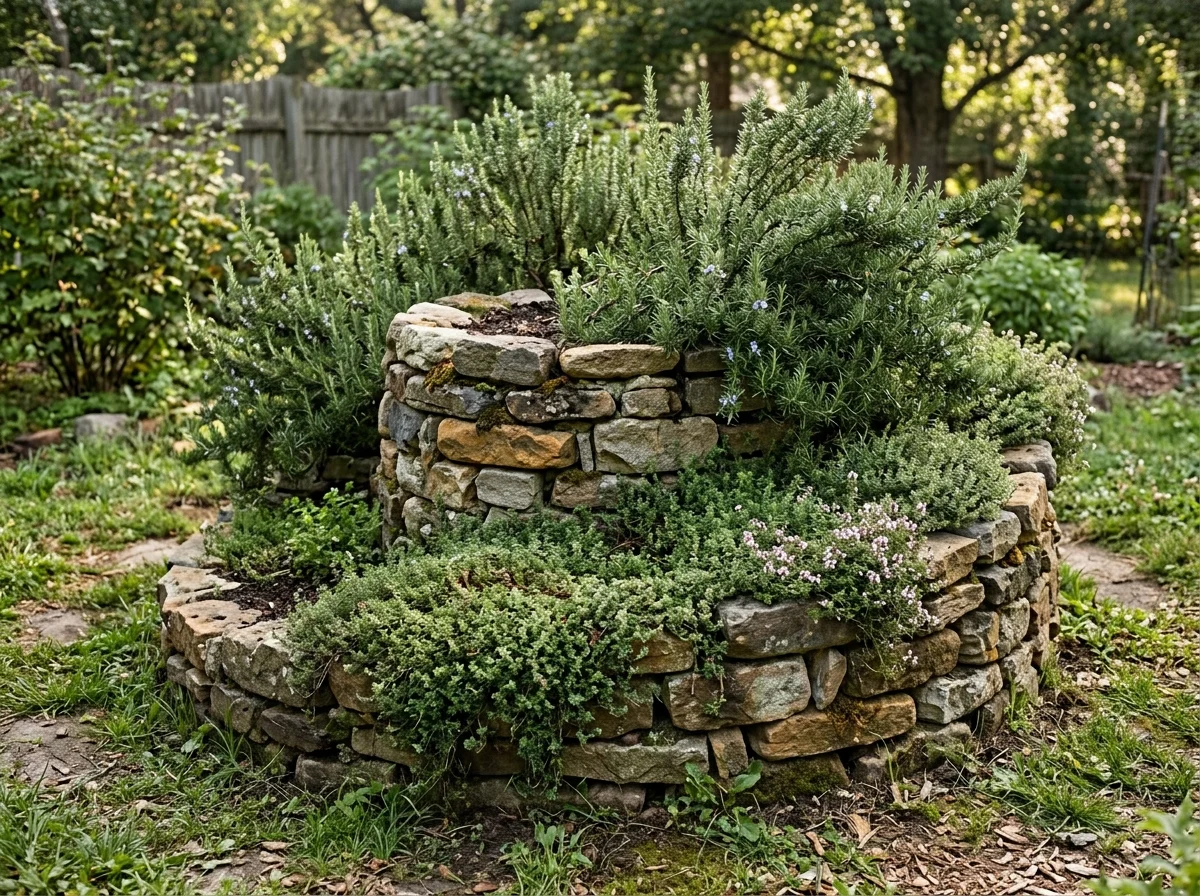
18. Herb Spiral
An herb spiral, a raised, coiled bed of stone or brick, creates several microclimates in one small footprint. The top stays drier for rosemary and thyme, while the base holds more moisture for mint and parsley.
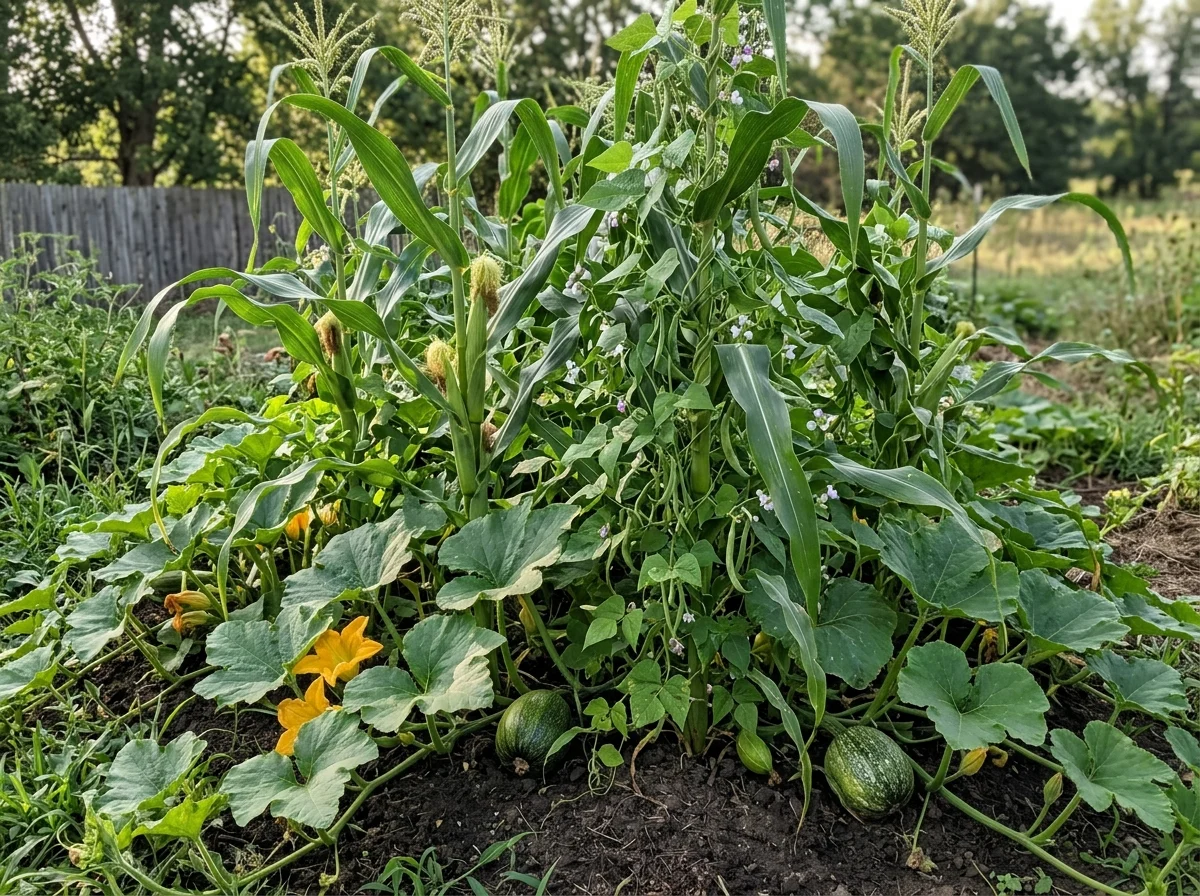
19. Three Sisters Planting
The three sisters method plants corn, pole beans, and squash together. The corn gives the beans something to climb, the beans add nitrogen back into the soil, and the squash’s broad leaves shade out weeds at the base.
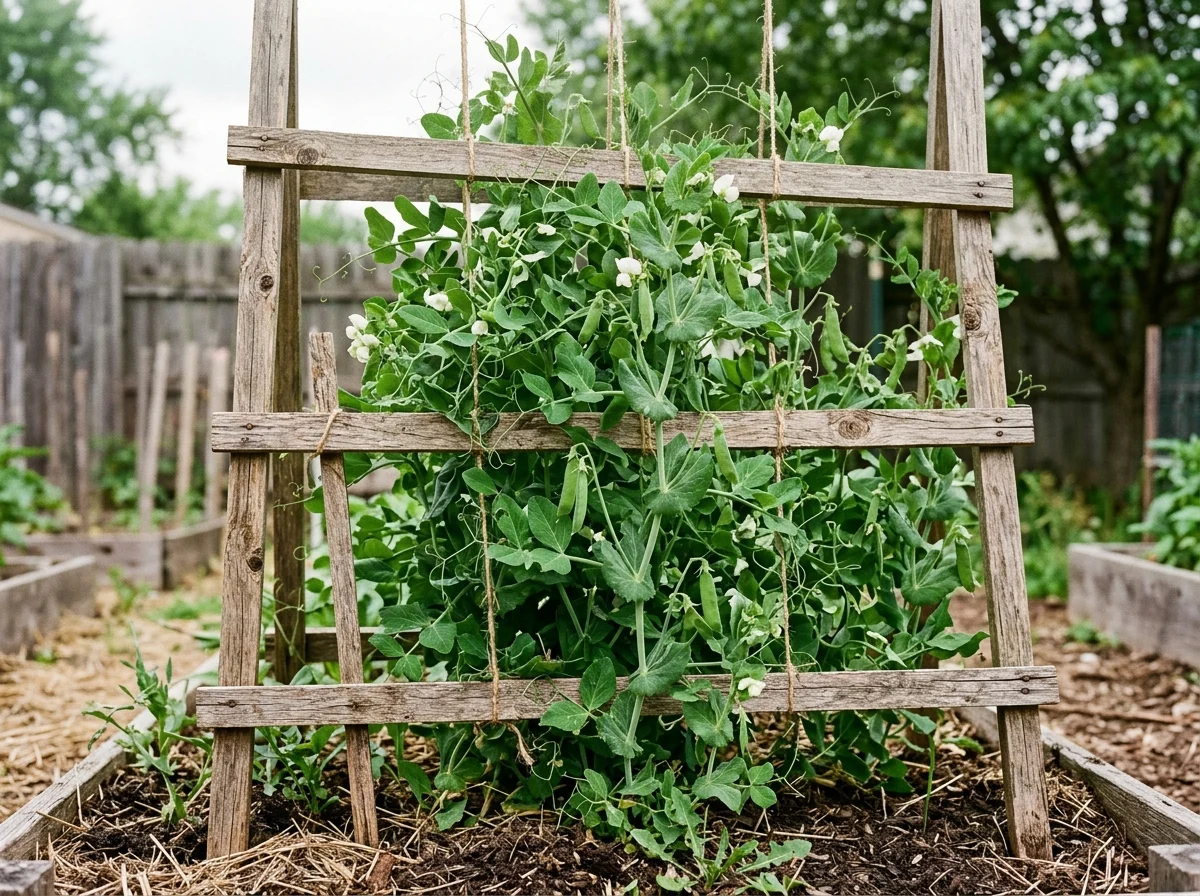
20. Simple Trellis for Climbers
A simple trellis lets cucumbers, peas, and pole beans grow up instead of sprawling across the ground. Vertical growing also improves airflow around the leaves, which cuts down on fungal problems like powdery mildew.
21. Vertical Pallet Planter
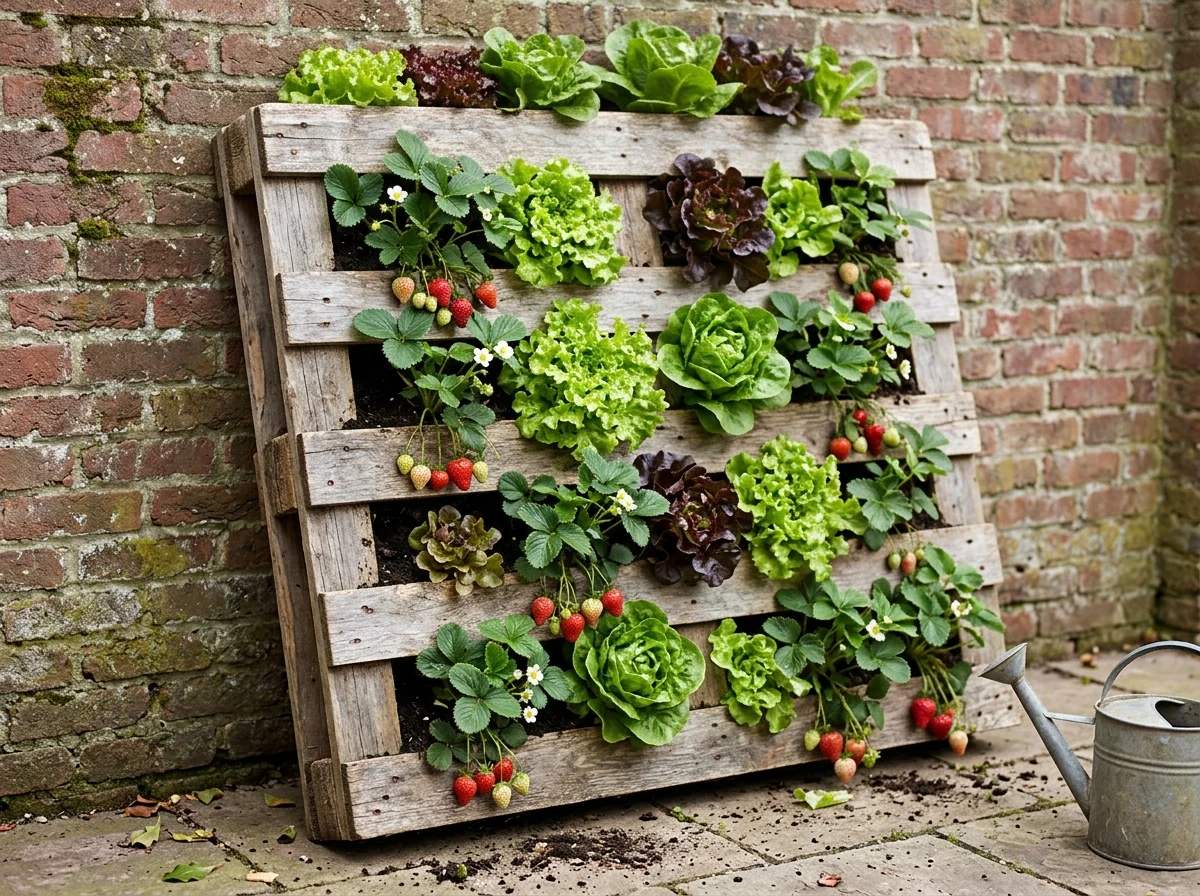
A vertical pallet planter, made from a wooden pallet lined with landscape fabric and filled with soil, stands upright against a wall or fence. It works well for shallow-rooted plants like lettuce, strawberries, and succulents.
22. Hanging Baskets
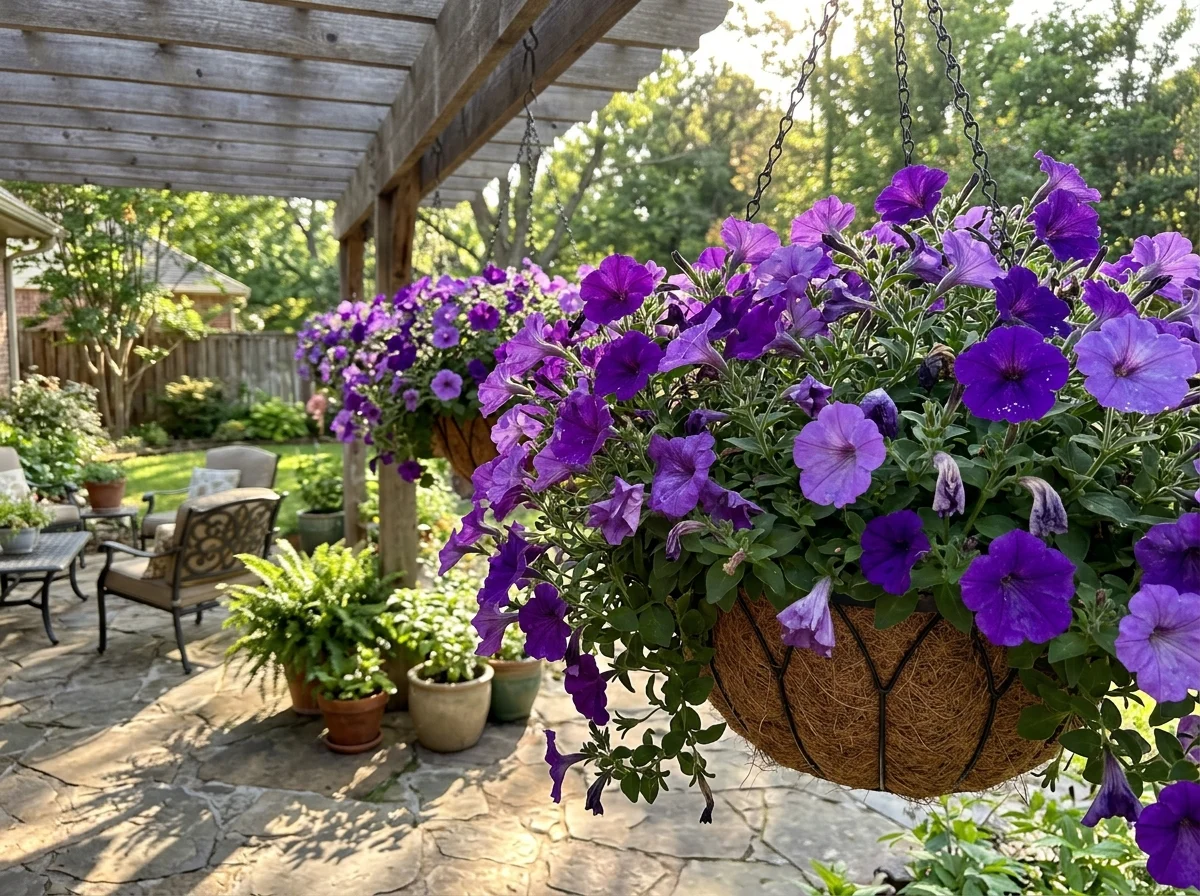
Hanging baskets add color at eye level and above, which is useful on a small patio where floor space is limited. Trailing plants like petunias, lobelia, and ivy geranium fill in and spill over the sides within a few weeks.
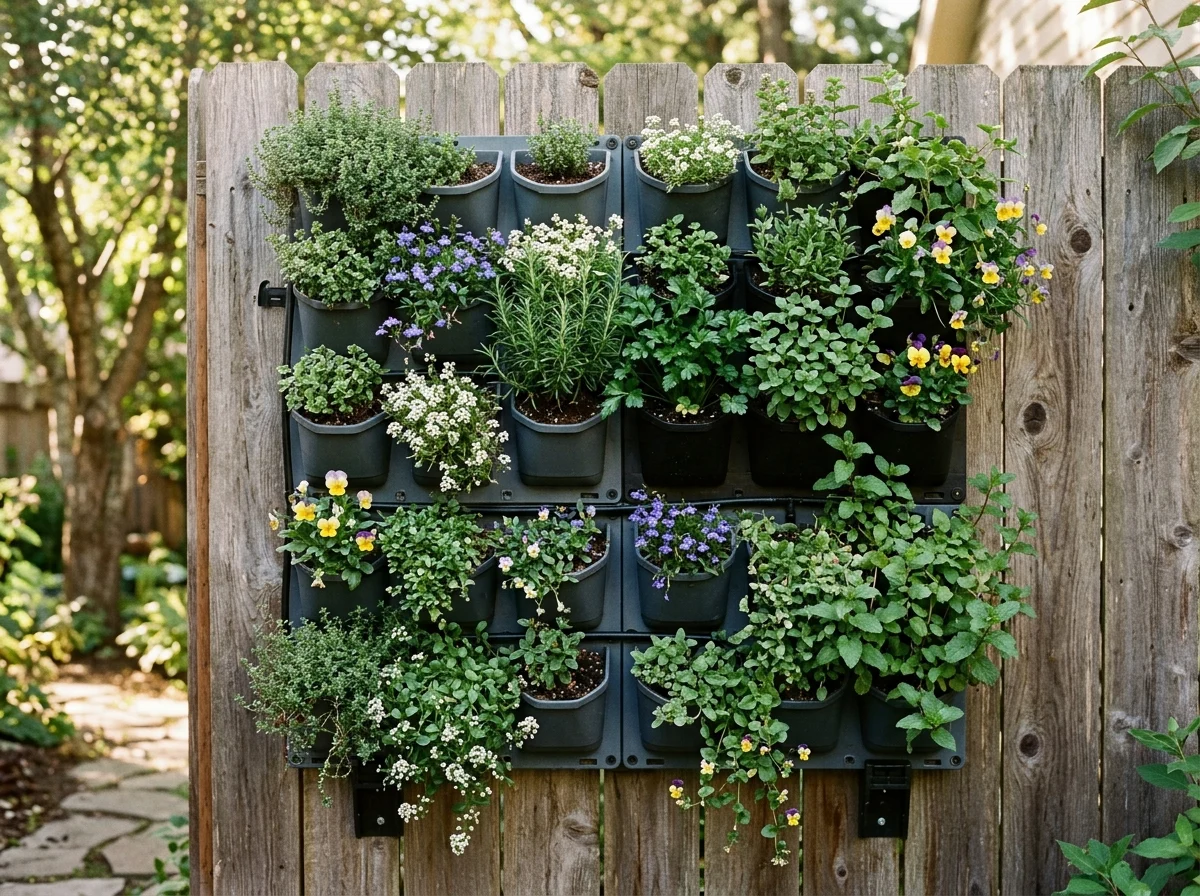
23. Living Wall System
A living wall system, built from stacked pockets or modular planters mounted on a fence, turns a flat vertical surface into growing space for herbs or small flowers. These dry out faster than ground-level beds, so they need more frequent watering, often daily in warm weather.
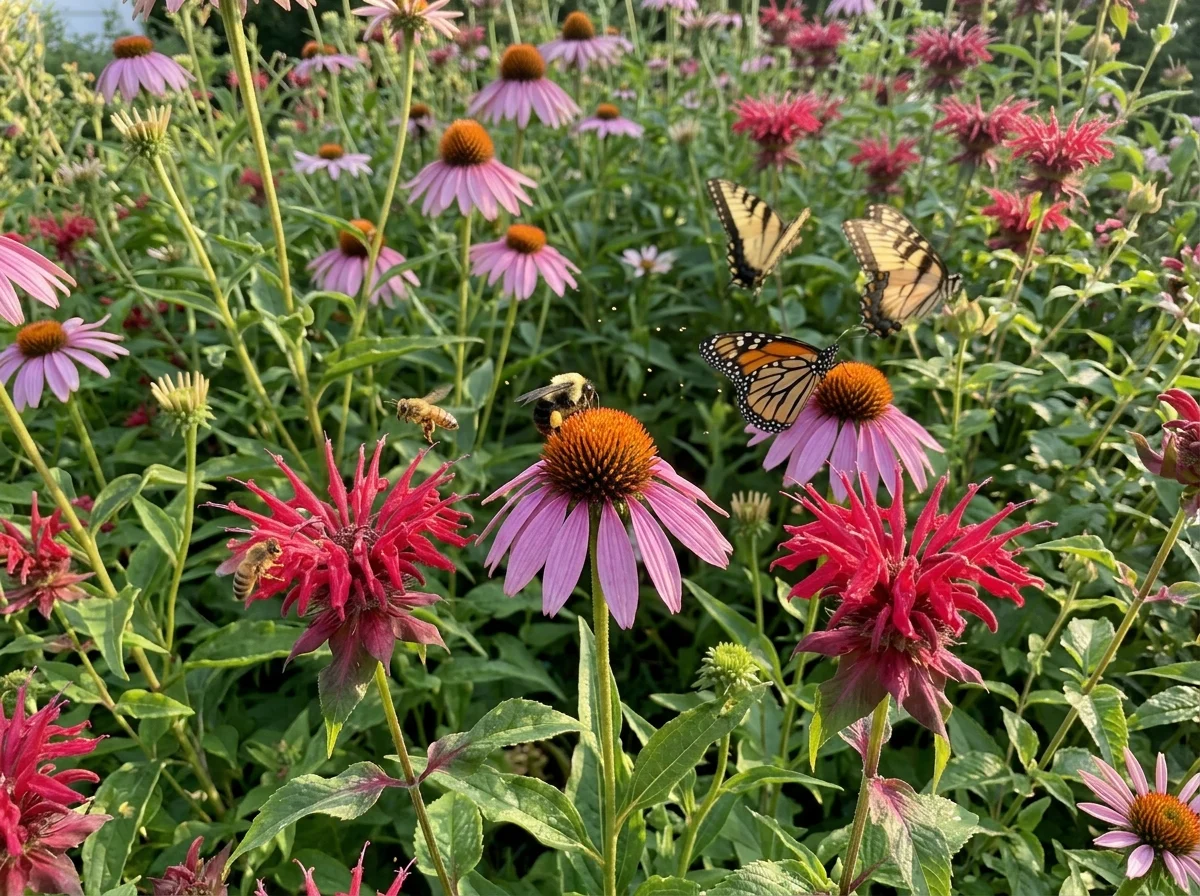
24. Pollinator Patch of Native Flowers
A pollinator patch of native flowers, such as coneflower, bee balm, or native asters depending on your region, gives bees and butterflies a reliable food source. Native plants also tend to need less water and fertilizer than non-native ornamentals once established.
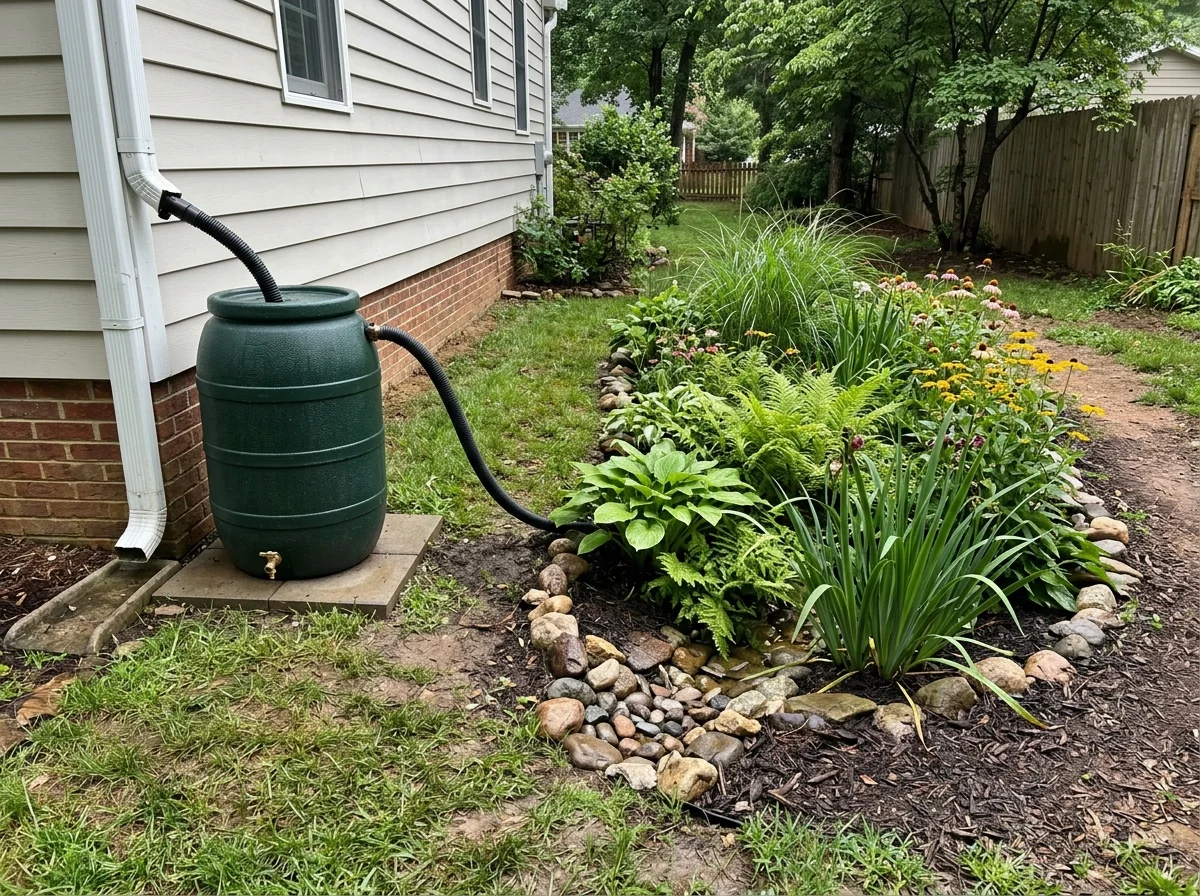
25. Rain Barrel and Rain Garden
A rain barrel connected to a downspout collects water for the garden and cuts down on tap water use during dry spells. A rain garden, a shallow planted depression that catches runoff, serves the same purpose on a larger scale and helps prevent water from pooling near the house.
26. Bird Feeder and Bird Bath
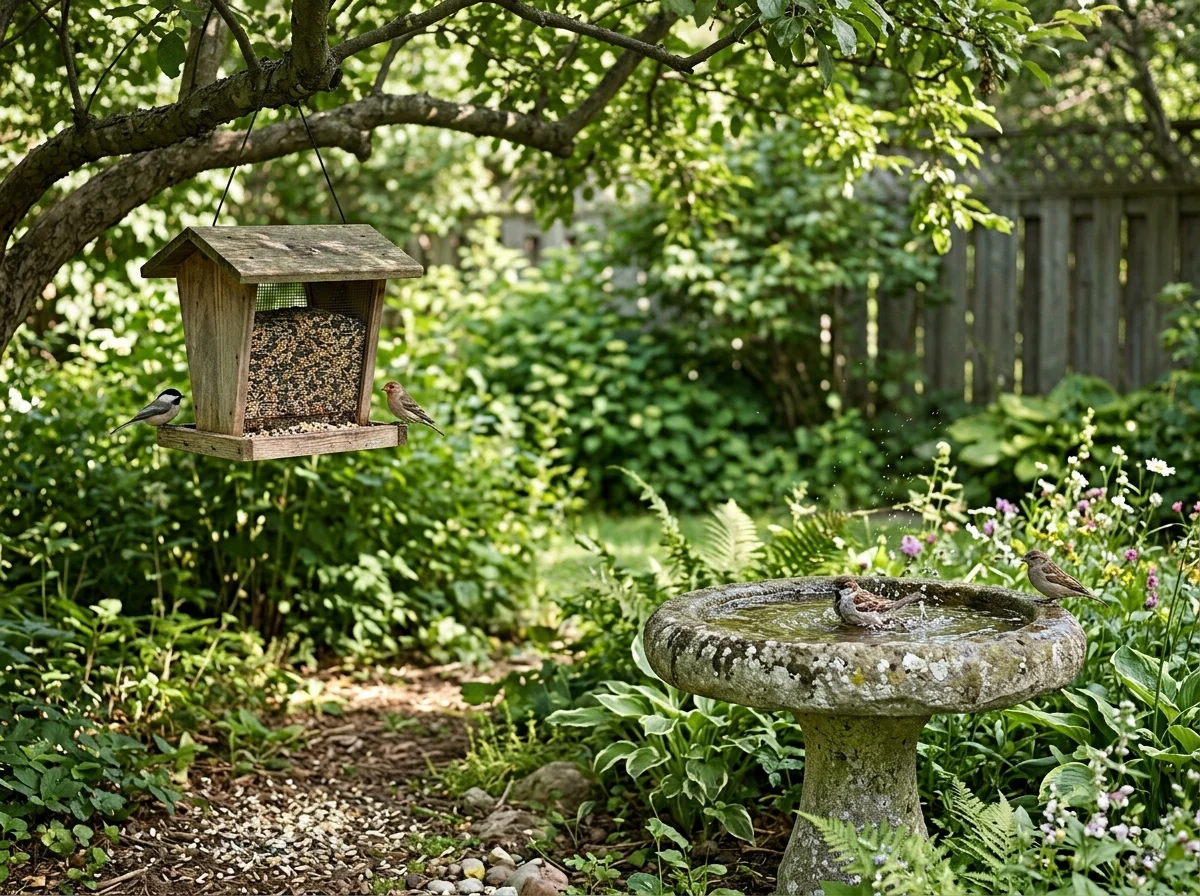
A bird feeder paired with a shallow bird bath brings more birds into the garden, which helps with natural pest control since many birds eat insects and larvae. Keep the bath water shallow, around 2 inches, and change it every few days to keep it clean.
27. Brush Pile for Wildlife
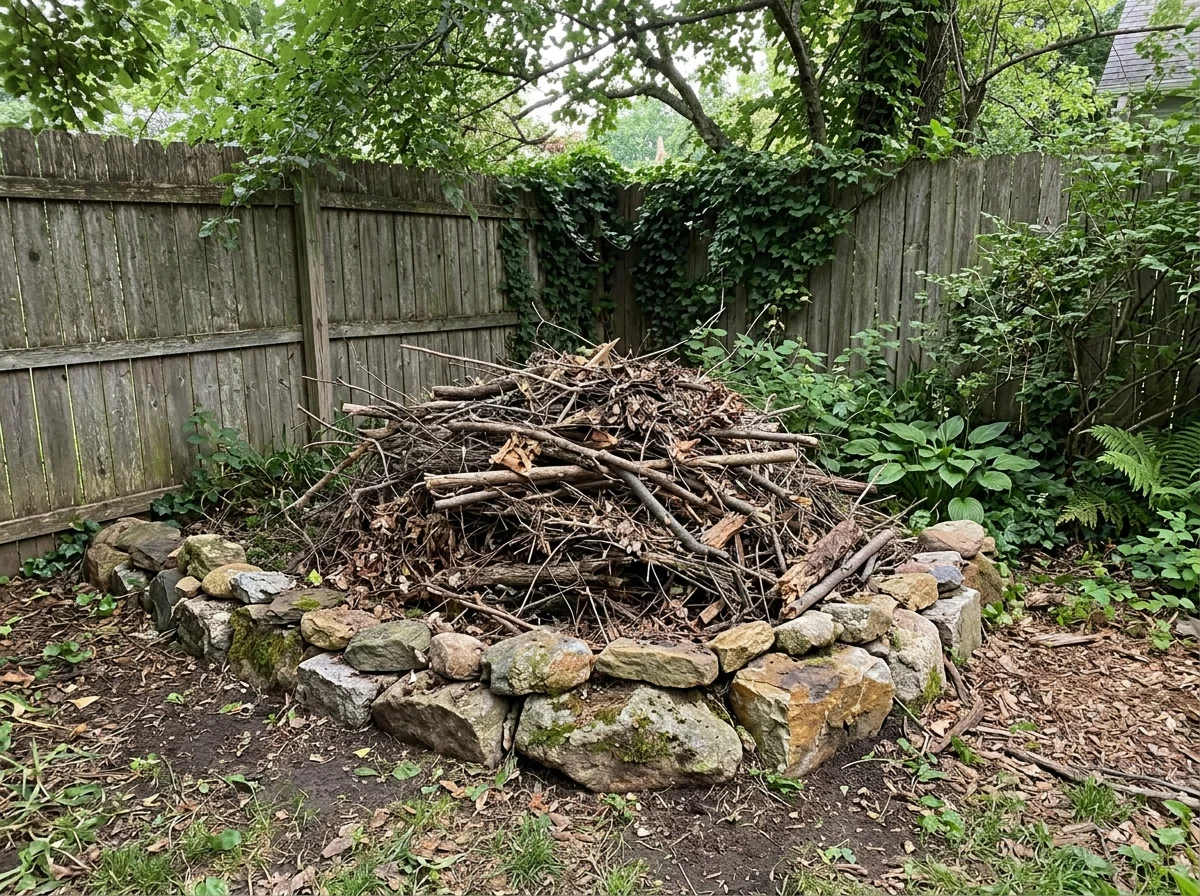
Leaving a small brush pile or a section of untrimmed growth in a back corner gives beneficial insects and small wildlife a place to shelter. It looks intentional if you frame it with a border of stones or low plants rather than leaving it scattered.
28. Stepping Stone Path
A stepping stone path through a bed or across a lawn defines the walking route and keeps foot traffic off the soil, which prevents compaction around plant roots. Spacing stones about one stride apart, roughly 24 to 30 inches, keeps the path comfortable to walk.
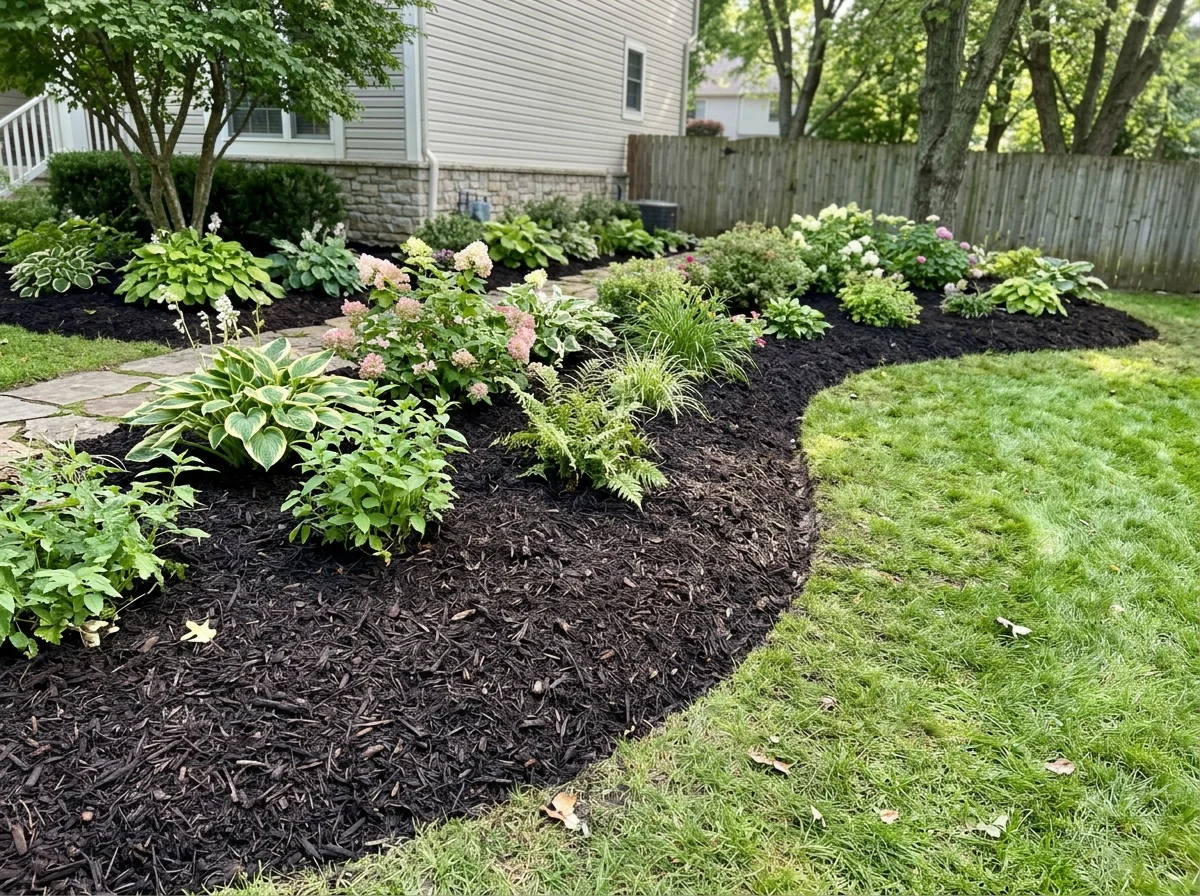
29. Mulch for Beds and Containers
A layer of mulch, 2 to 3 inches deep, around beds and containers holds in soil moisture, blocks weeds, and gives the whole garden a more finished look. Straw, shredded bark, and pine needles all work, and the choice mostly comes down to what suits the plants and the look you want.
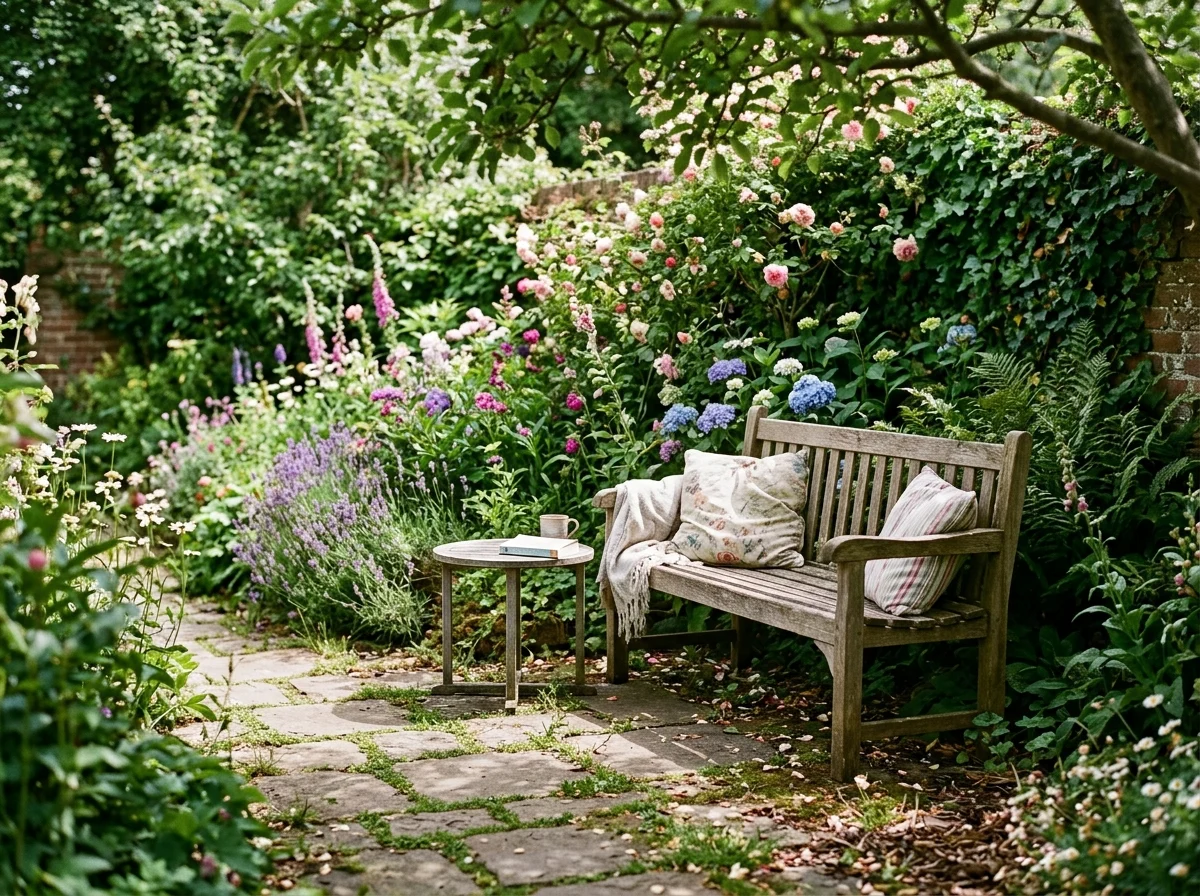
30. Small Seating Nook
A small seating nook, even just one bench tucked near a flower bed, gives you a reason to sit and actually enjoy the space instead of only working in it. Placing it somewhere with a bit of afternoon shade makes it usable through more of the day.
Conclusion
Thirty ideas is a lot to take in at once, so the practical move is to pick two or three that fit your actual space and the time you have this month. A window box, a raised bed, or a single trellis is enough to start, and each small project makes the next one easier to plan. Gardens built up gradually, one idea at a time, tend to hold together better than ones planted all at once. Whichever ideas you choose, match them to your climate’s planting calendar and the sunlight your space actually gets, and let the results guide what you add next season.
Frequently Asked Questions
What are some easy gardening ideas for beginners?
Container herb gardens, a small raised bed, and hanging baskets are among the easiest starting points because they need little space and forgive minor mistakes. Pick plants suited to your sunlight, whether that is a sunny windowsill or a partly shaded balcony, and start with just two or three containers rather than a full bed.
What can I do with a small garden or balcony?
A small garden or balcony works well with railing planters, hanging baskets, a vertical pallet planter, or grouped containers on the floor. Choosing compact or trailing varieties, like bush tomatoes or trailing petunias, gets more use out of limited square footage without crowding the space.
How do I plan a gardening idea around my climate?
Check your local frost dates and growing zone before choosing what to plant and when, since a schedule that works in a warm climate can fail in a cooler one. Cool-season crops like lettuce and peas tolerate light frost, while warm-season plants like tomatoes and peppers need the soil to warm up first, so timing depends on where you garden.
Which gardening ideas need the least water?
Drought-tolerant flower beds, native plant patches, and mulched containers all cut down on watering once plants are established. Grouping plants with similar water needs together, rather than mixing thirsty and drought-tolerant plants in one bed, also makes watering more efficient overall.
Can I combine vegetables and flowers in the same space?
Yes, combining vegetables and flowers in one bed works well and is a common approach in cottage-style and companion planting. Marigolds, nasturtiums, and zinnias planted among tomatoes or beans add color while some varieties help attract pollinators the vegetables need to set fruit.
How much does it cost to start a small garden?
A small container garden can start for very little if you reuse buckets or crates, save seeds through a swap, and make your own compost instead of buying soil amendments. Costs rise mainly with the size of the space and whether you buy established plants instead of starting from seed.
Do I need a big yard to try most of these ideas?
No, most of these ideas were chosen specifically because they work in containers, on balconies, or in a rented community garden plot rather than requiring a large yard. Vertical planters, window boxes, and hanging baskets in particular let you grow a real variety of plants in a few square feet.