
15 Home Gardening Ideas Anyone Can Try
A bare stretch of dirt by the front step, a balcony with nothing on it but a folding chair, a kitchen counter that never has fresh basil when a recipe calls for it. These are the small, ordinary gaps that make a house feel unfinished, and they are also the easiest place to start gardening. You don’t need a big yard or years of practice. Home gardening ideas that work best are sized to match what you actually have: a doorway, a windowsill, a patch of soil against the foundation, a few square feet of patio. I usually start with whatever spot gets the most daily attention, since that’s the spot most likely to get watered. Below are 15 ideas built specifically around an ordinary house, each with real plant names, container sizes, and light needs so you can pick a project this weekend. Let’s start right at the front door.
1. Potted Topiary Pair Framing the Door
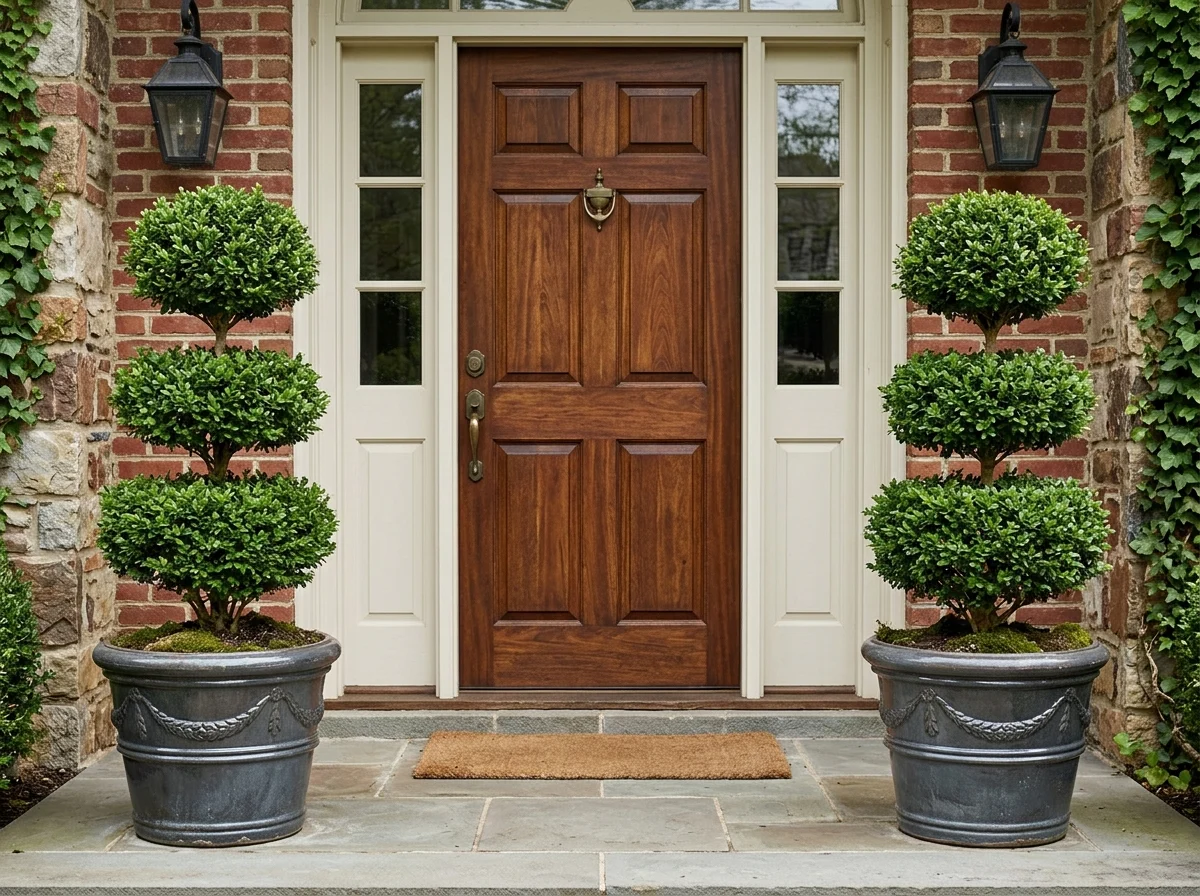
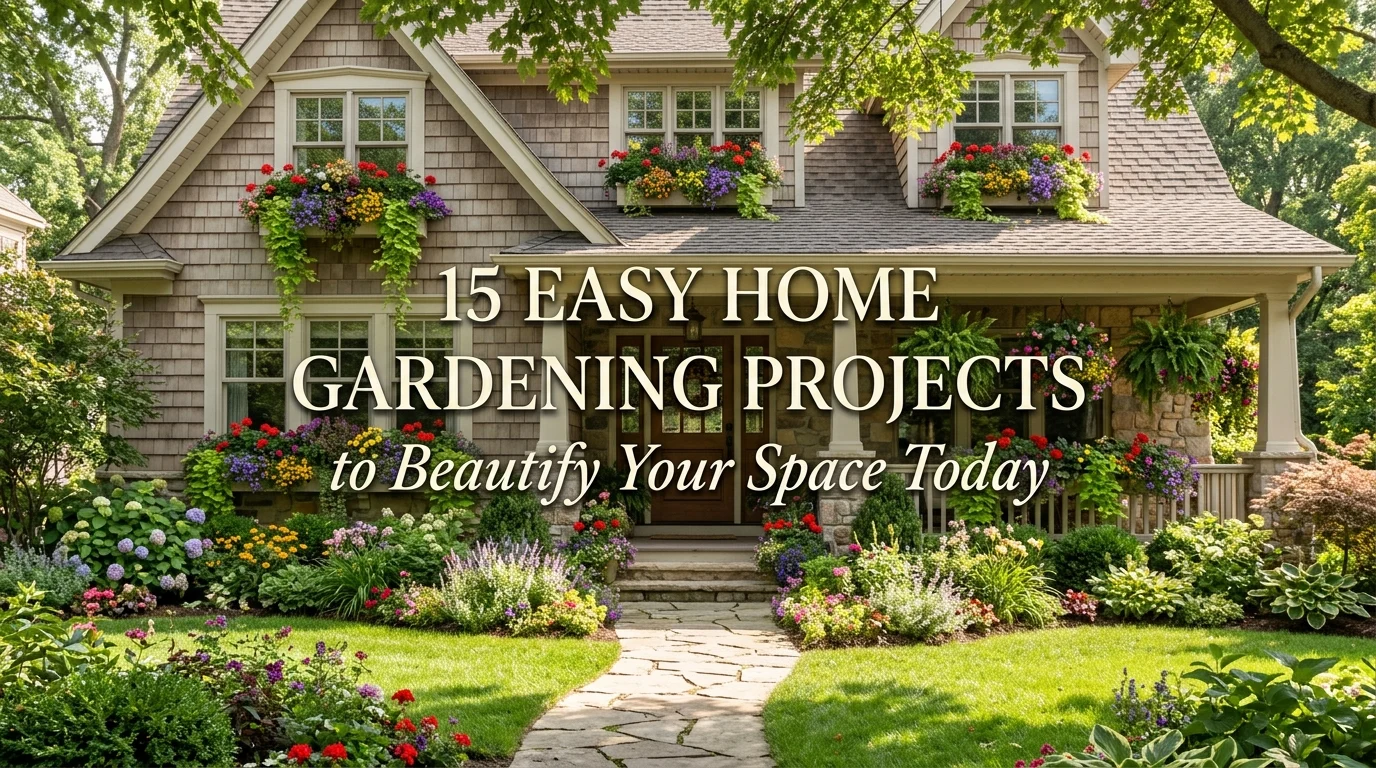
A pair of matching potted plants on either side of the front door is one of the fastest ways to make a house look cared for. Boxwood, dwarf Alberta spruce, or a trimmed rosemary plant hold their shape well in containers year-round. Use pots at least 14 to 16 inches wide so roots have room to grow, and check soil moisture every few days, since containers dry out faster than ground beds. Full sun to partial shade suits boxwood and spruce, while rosemary wants six hours of direct sun and should move indoors before the first frost in colder climates.
2. Window Boxes
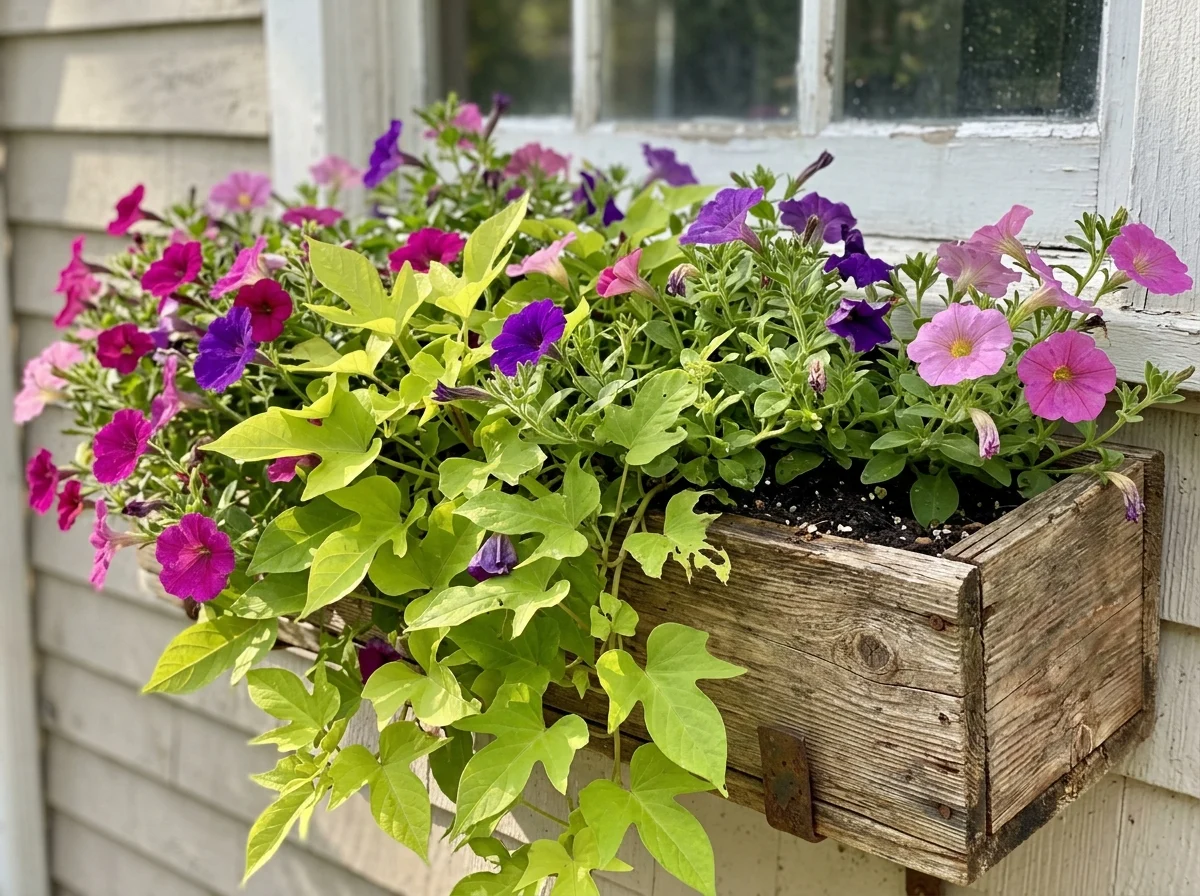
Window boxes turn a plain window into a small garden without touching the ground. A box roughly 6 to 8 inches deep gives trailing plants like petunias, lobelia, or sweet potato vine room to establish, and mixing upright and trailing plants gives it shape from day one. Fill it with a lightweight potting mix rather than garden soil, which compacts and drains poorly in a shallow box. Most flowering options want four to six hours of sun; a north-facing window does better with shade-tolerant fuchsia or coleus, and shallow boxes need daily water in hot weather.
3. Hanging Baskets on the Porch
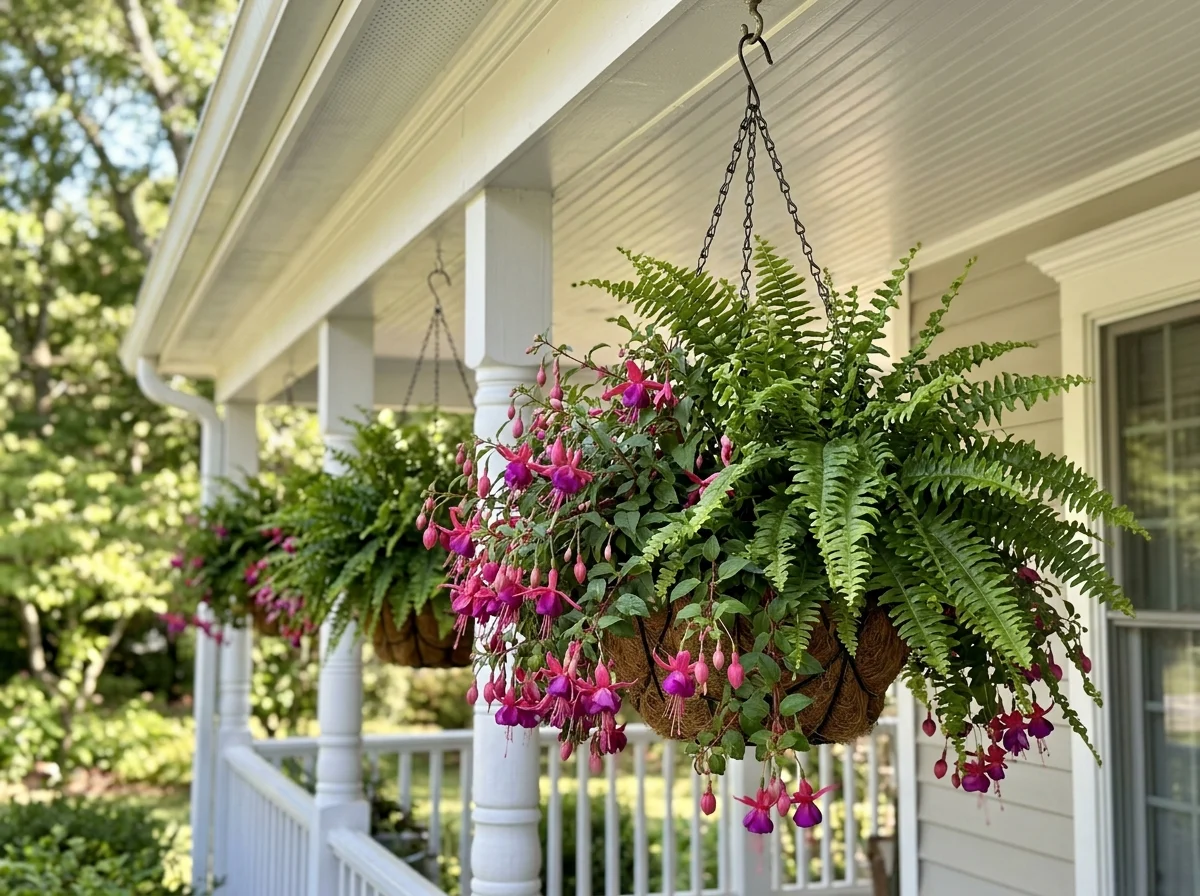
Hanging baskets fill vertical space on a porch that would otherwise stay empty. A 10 to 12 inch basket holds enough soil for a full season of blooms from fuchsia, calibrachoa, or Boston fern, depending on how much shade the porch gets. Hang baskets where they get consistent light for at least half the day, and use one with a built-in saucer to protect the porch floor. Baskets dry out faster than most containers, so plan on watering most summer days, sometimes twice in the hottest weather.
4. Container Tomato Garden
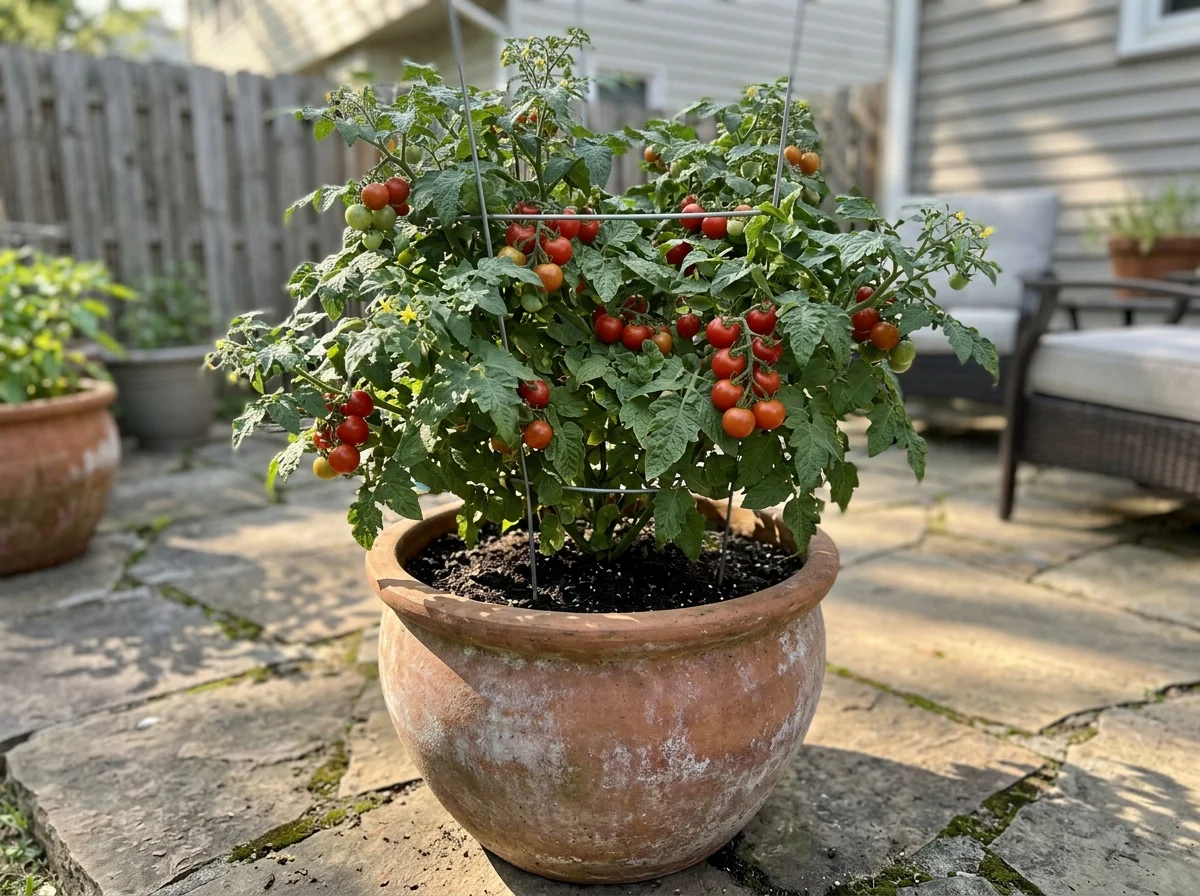
A single tomato plant in a 5-gallon pot can produce a real harvest on a patio that gets full sun. Determinate varieties like Patio or Bush Early Girl stay compact enough for container life, while a cage or stake keeps the plant upright once it starts fruiting. Use a potting mix formulated for containers, not garden soil, and feed every two weeks once flowers appear. Tomatoes need six hours of direct sun and consistent watering, since irregular watering causes blossom end rot.
Picking the Right Pot Size for Tomatoes
Pot size matters more than most gardeners expect. A container smaller than 5 gallons restricts root growth and leads to smaller, fewer tomatoes, no matter how well the plant is fed. For a full-size slicing tomato, size up to 10 or 15 gallons if room allows, since more soil volume holds moisture longer and buffers against heat stress. A dark-colored pot also absorbs more heat, so a lighter-colored container works better on a patio with intense afternoon sun.
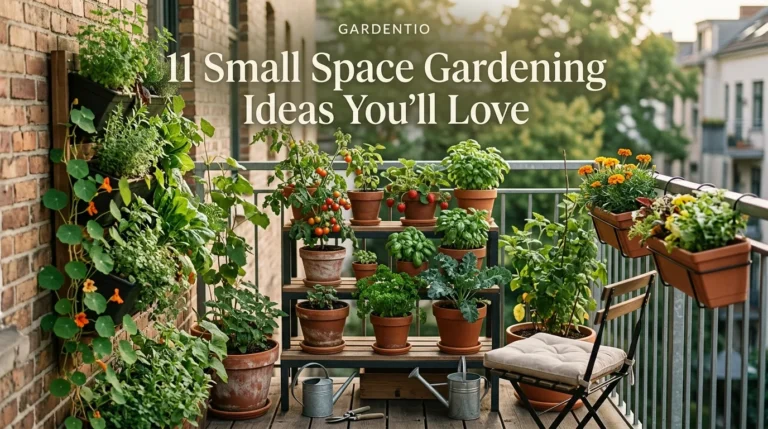
5. Balcony Railing Planters
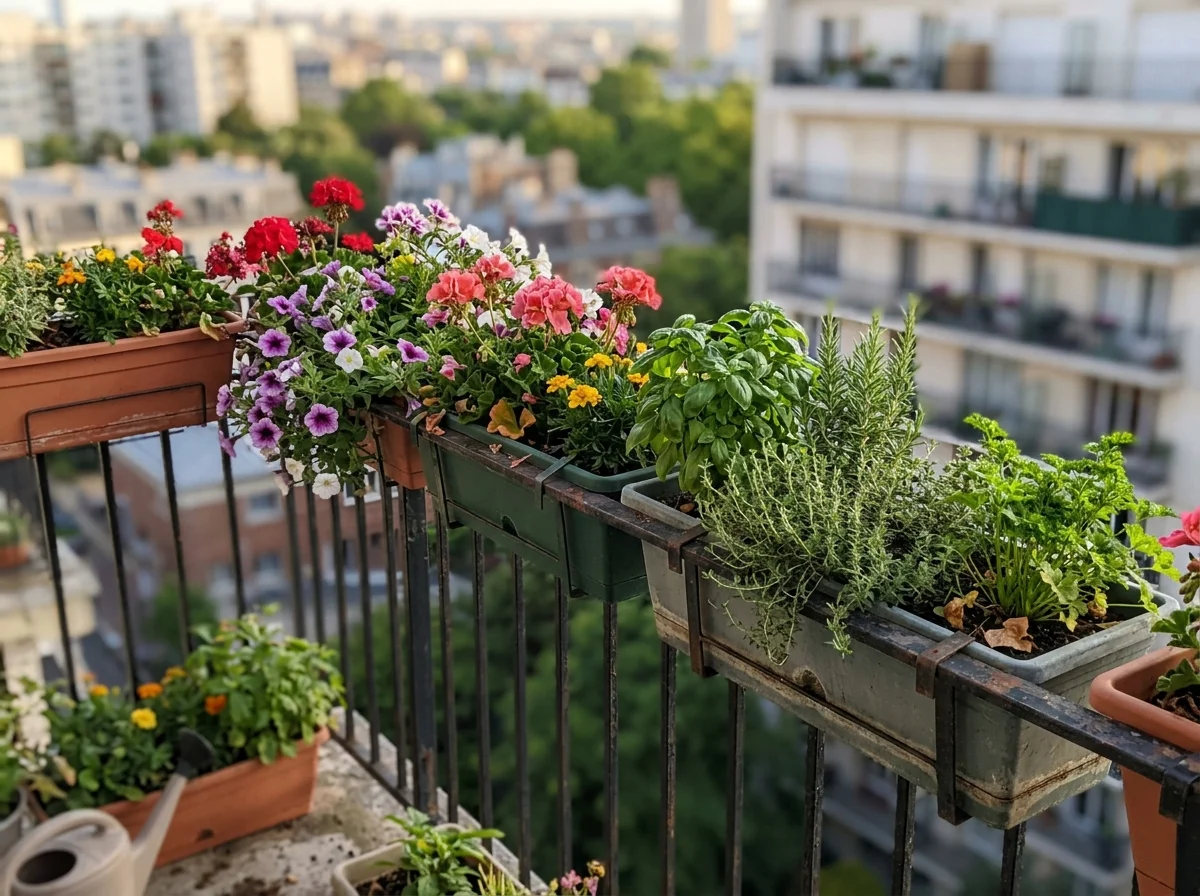
Railing planters clip directly onto a balcony rail, the easiest way to garden when floor space doesn’t exist. Choose planters rated for your rail’s width and check the weight limit, since a fully watered planter box weighs more than it looks. Herbs, strawberries, and compact marigolds do well in a rail planter that gets four hours of sun. Face planters toward the sunniest side of the balcony, and tighten mounting brackets before a windy day, since these sit higher up and catch more wind.
6. Salad Table for Greens
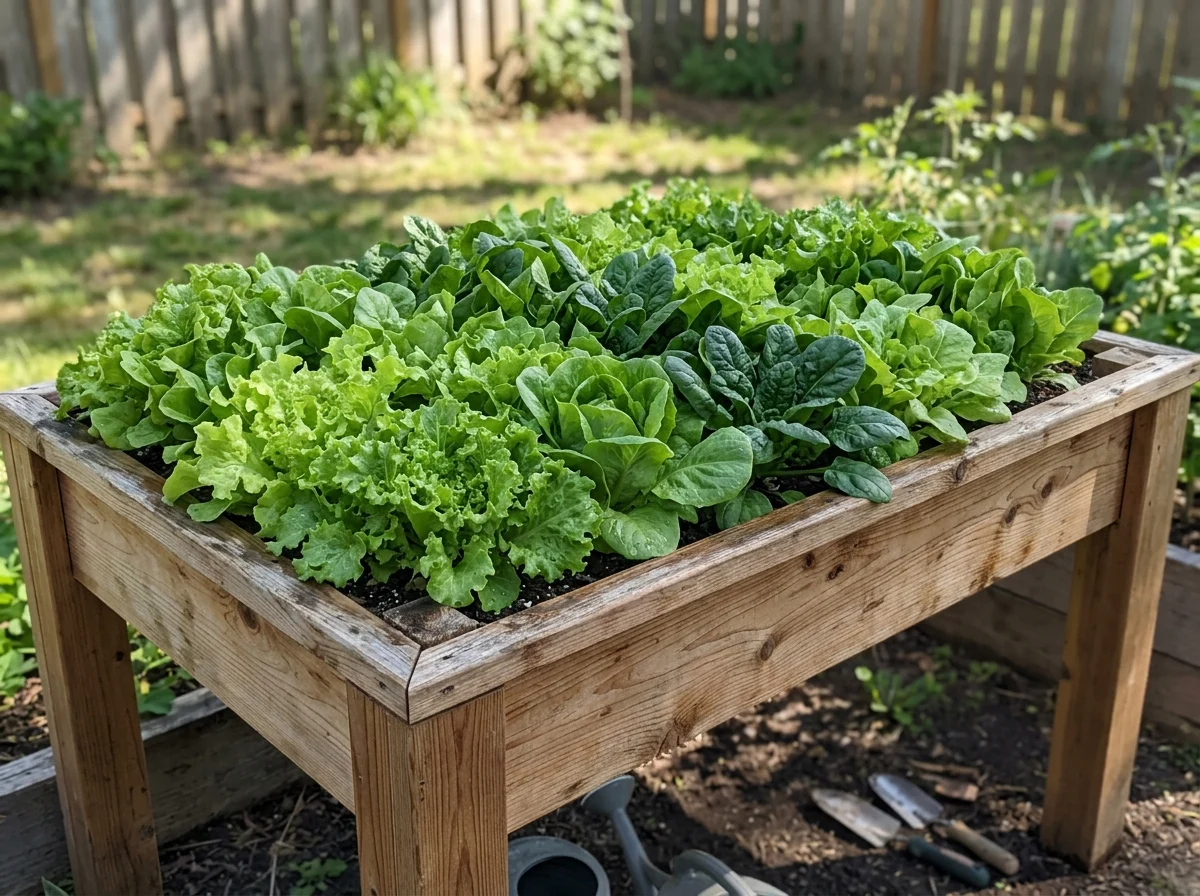
A salad table is a shallow, waist-height planting box built for lettuce, spinach, and other greens that don’t need much root depth. A box about 4 to 6 inches deep holds enough soil for a full crop of loose-leaf lettuce, and the raised height means no bending to harvest. Greens want at least four hours of sun and consistent moisture, so daily watering in warm weather keeps them from bolting early. Timing varies by climate, but many regions support a spring crop and a second one in fall.
7. Kitchen Windowsill Herbs
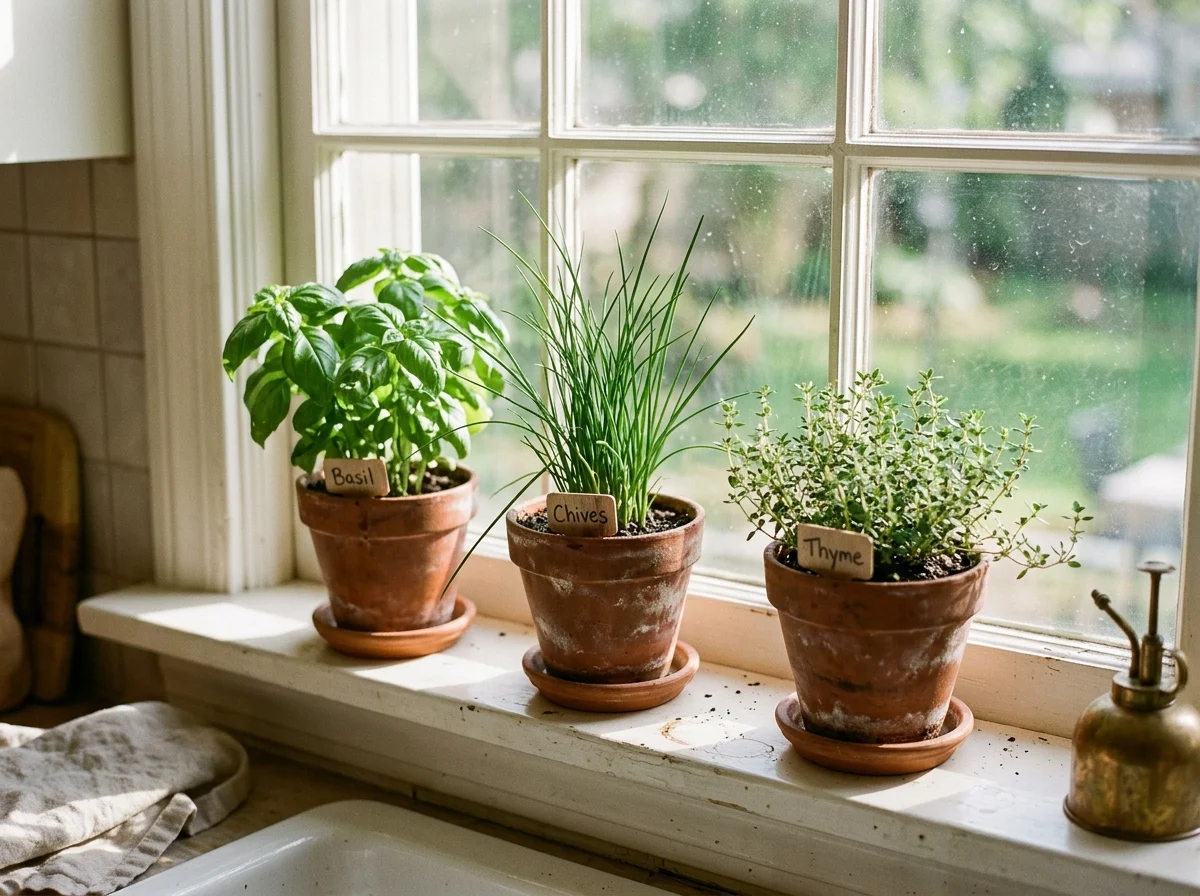
A sunny kitchen windowsill is enough space to keep basil, chives, and thyme within reach of the stove. Use pots at least 4 to 6 inches wide with drainage holes, since herbs left sitting in water develop root rot quickly. South-facing windows give the most consistent light, but culinary herbs need at least four hours of direct sun indoors, so a north-facing sill may need a small grow light in winter. Basil is the most sensitive to cold drafts, so keep it away from a frequently opened window in cooler weather.
Herbs That Do Better Indoors vs Outdoors
Not every herb performs the same way indoors. Chives, mint, and parsley tolerate lower indoor light and cooler temperatures better than basil, which grows leggy and pale without strong sun. Rosemary and thyme generally prefer full sun and less humidity outdoors, so they often struggle on an indoor sill. If an herb starts stretching toward the glass with thin, pale stems, it needs more light or a move outdoors once weather allows.
8. Small Raised Bed Near the Kitchen Door
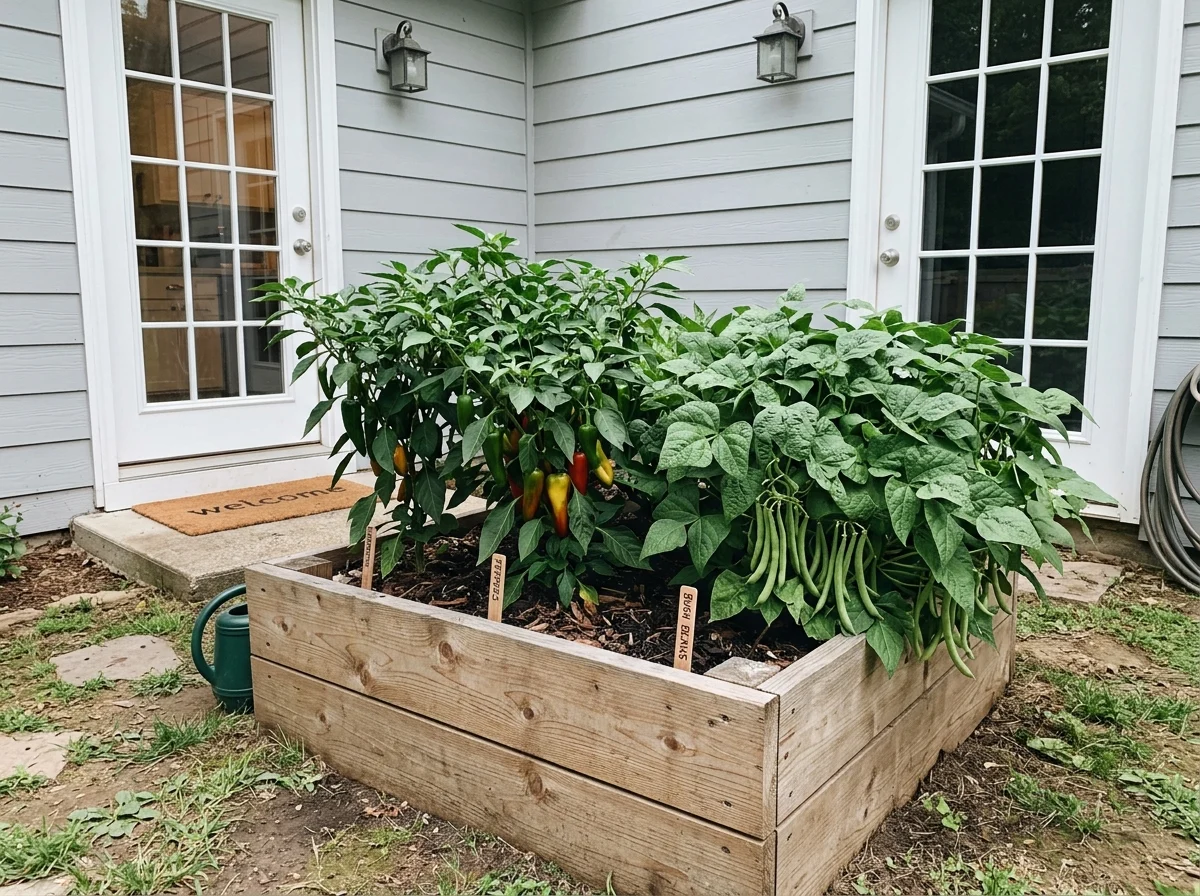
A raised bed measuring around 4 by 4 feet, placed just outside the kitchen door, keeps everyday vegetables within a few steps of the stove. Fill it with topsoil, compost, and a bit of perlite for drainage, and set it where it gets at least six hours of sun for fruiting vegetables like peppers and bush beans. Leave enough room between plants that leaves don’t overlap once mature, which improves airflow and cuts down on disease. Planting dates vary by climate, so check local frost dates first.
9. Vertical Herb Wall Near the Entrance
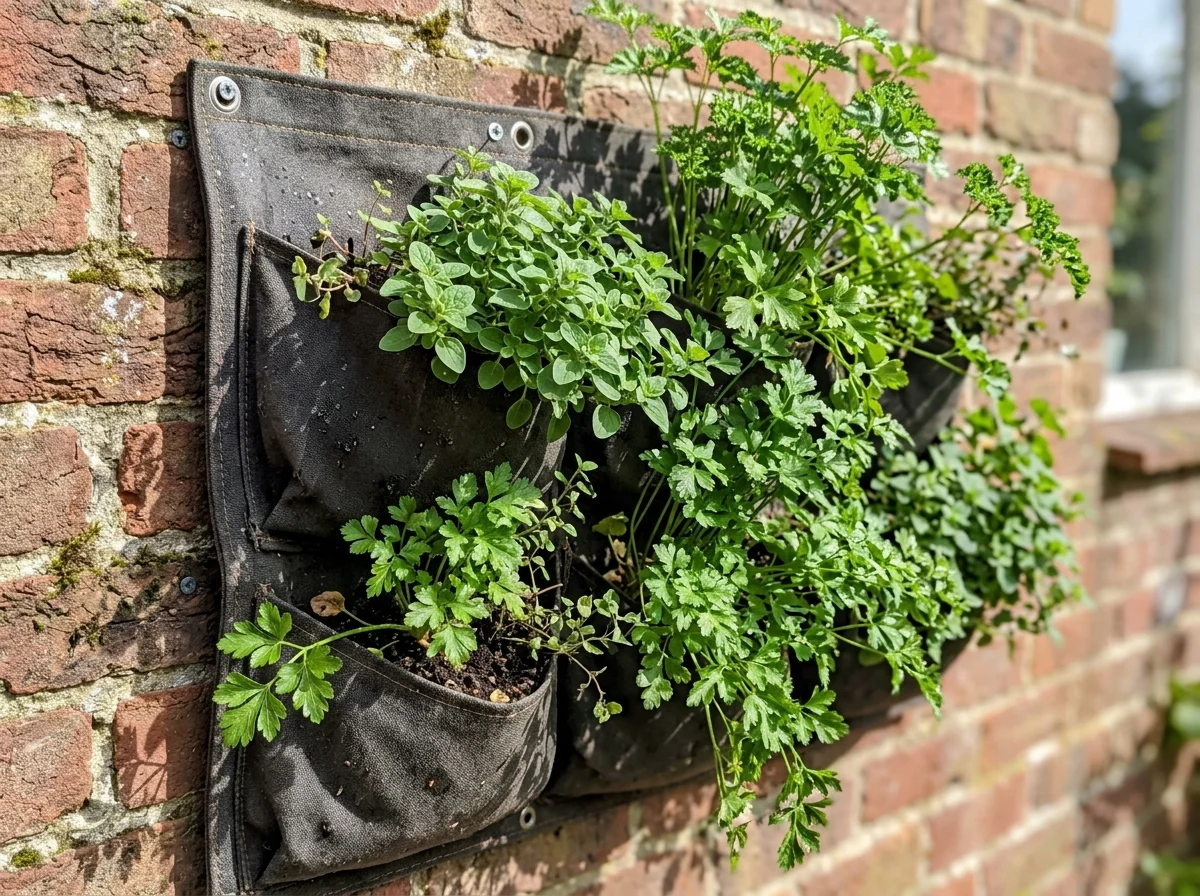
A vertical planter mounted on an exterior wall near the kitchen door turns unused wall space into a working herb garden. Pocket-style felt planters or a tiered wall rack both work, and each pocket only needs about 3 to 4 inches of soil for herbs like oregano, thyme, and parsley. Mount it where it gets at least four hours of sun and is still an easy reach for snipping while cooking. Each pocket holds little soil, so check it daily during hot weeks to keep plants from wilting.
10. Mailbox Garden Bed
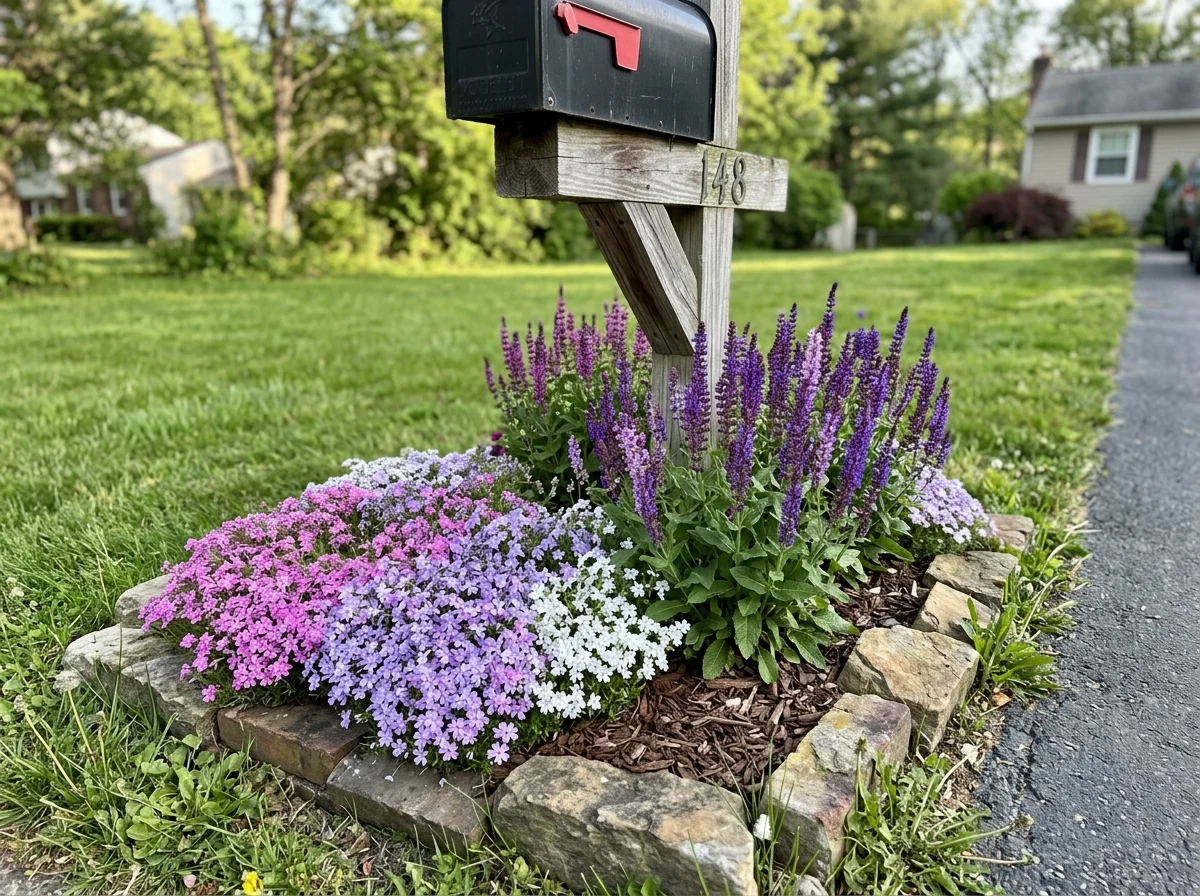
A small bed planted around the base of a mailbox turns a purely functional post into a bit of curb appeal. Low-growing plants like creeping phlox, dwarf daylilies, or compact salvia keep the mailbox visible while filling in the bare ground around it. Most mailbox beds sit in full sun, so choose sun-loving perennials that handle reflected heat from the street. Keep the bed narrow enough for clear mail carrier access, and mulch around plants to cut down on weeding.
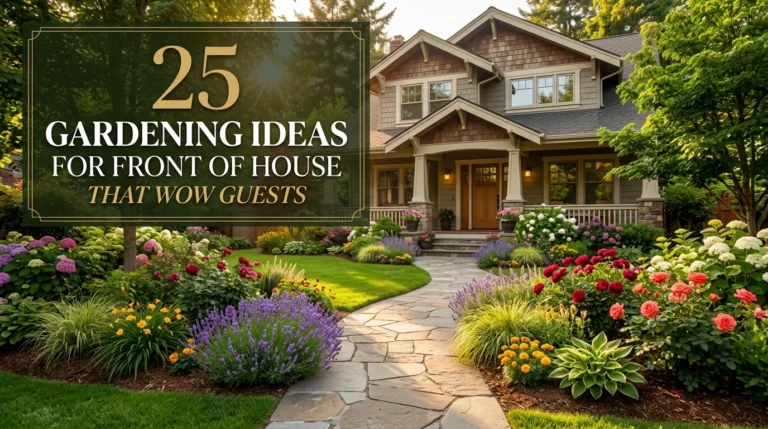
11. Layered Walkway Planting
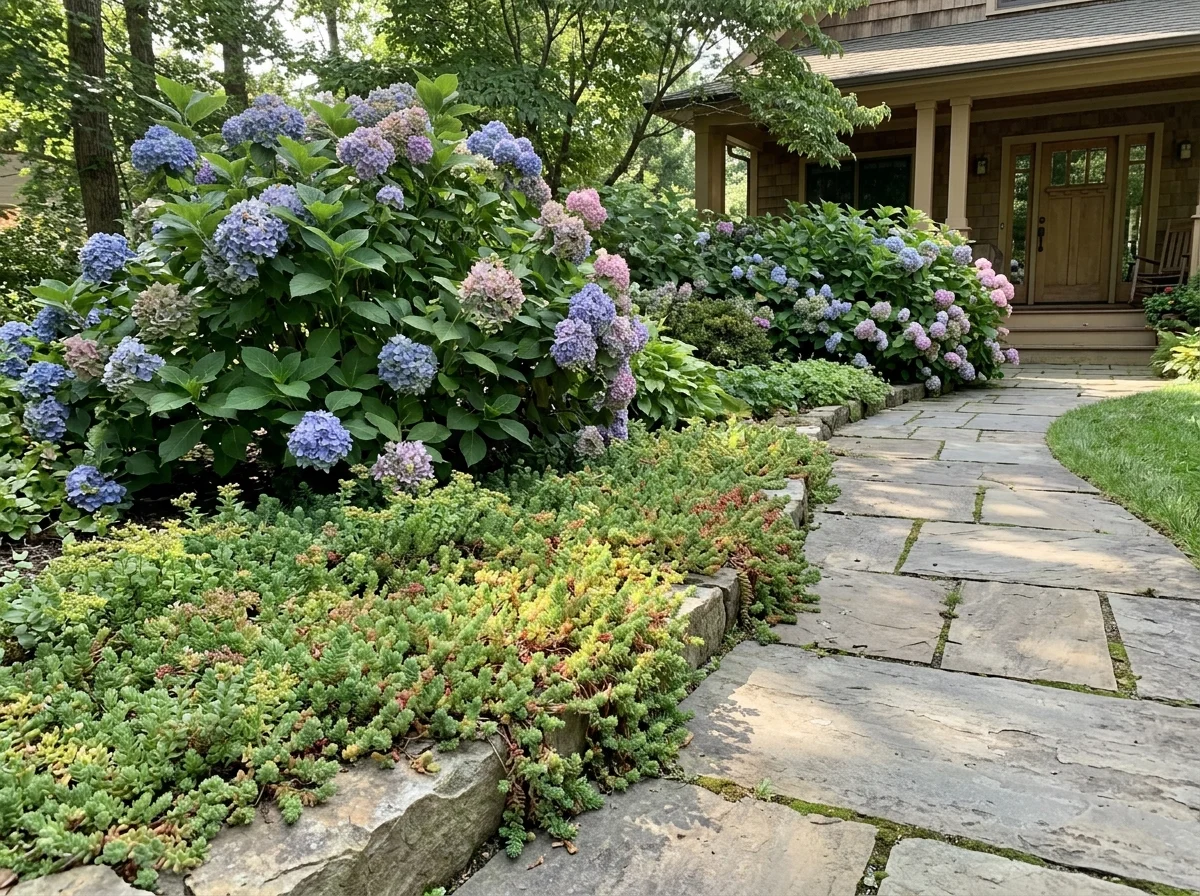
Planting the front walkway in layers, taller plants toward the house and shorter ones near the path edge, gives a front yard depth without any construction. A mix like dwarf hydrangea or hosta toward the back, coral bells in the middle, and creeping thyme or sedum along the edge stays easy to maintain while creating that layered look. Match plant choices to the walkway’s actual light, since a path close to the house often gets more shade than it first appears to. Check spacing tags, since crowding leads to plants spilling over the path within a year or two.
Choosing Plants That Handle Foot Traffic and Weather
A walkway bed takes more abuse than a typical border, from foot traffic to salt or sand tracked in during winter in colder climates. Sedum, creeping thyme, and daylilies tolerate occasional brushing and don’t need constant fussing to stay full. Avoid delicate annuals right along the path edge, since they bruise and break easily. In regions with harsh winters, choose perennials rated hardy for your zone, since a bed that dies back completely means starting over every spring.
12. Climbing Vine on a Porch Post or Trellis
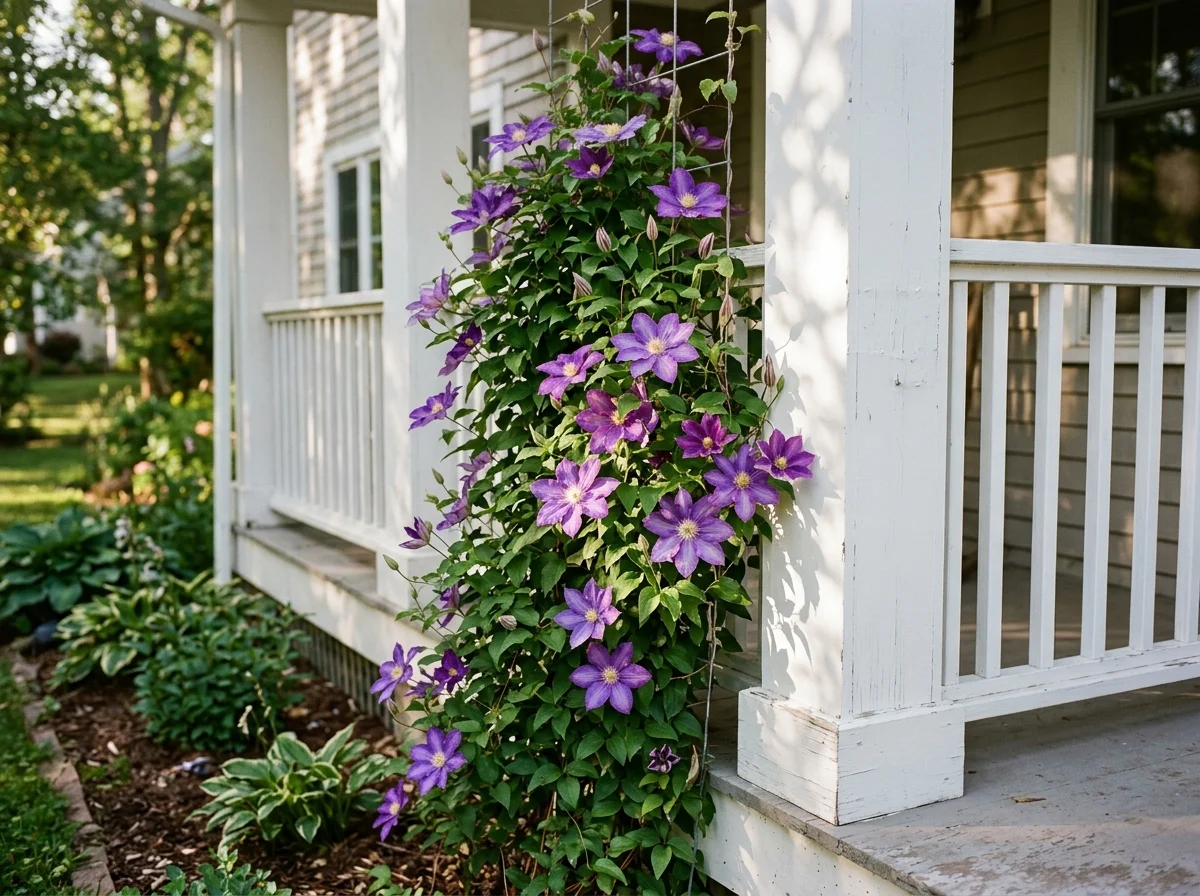
A climbing vine trained up a porch post or a simple trellis adds height and softens a flat facade fast. Clematis, climbing hydrangea, and jasmine, where climate allows, attach well to a support and fill in within a season or two. Most flowering vines need six hours of sun to bloom well, though climbing hydrangea tolerates more shade. Give the vine’s base room to spread, roughly a 2-foot circle of open soil, and check that the support can hold mature growth once heavy.
13. Shade-Tolerant Foundation Bed
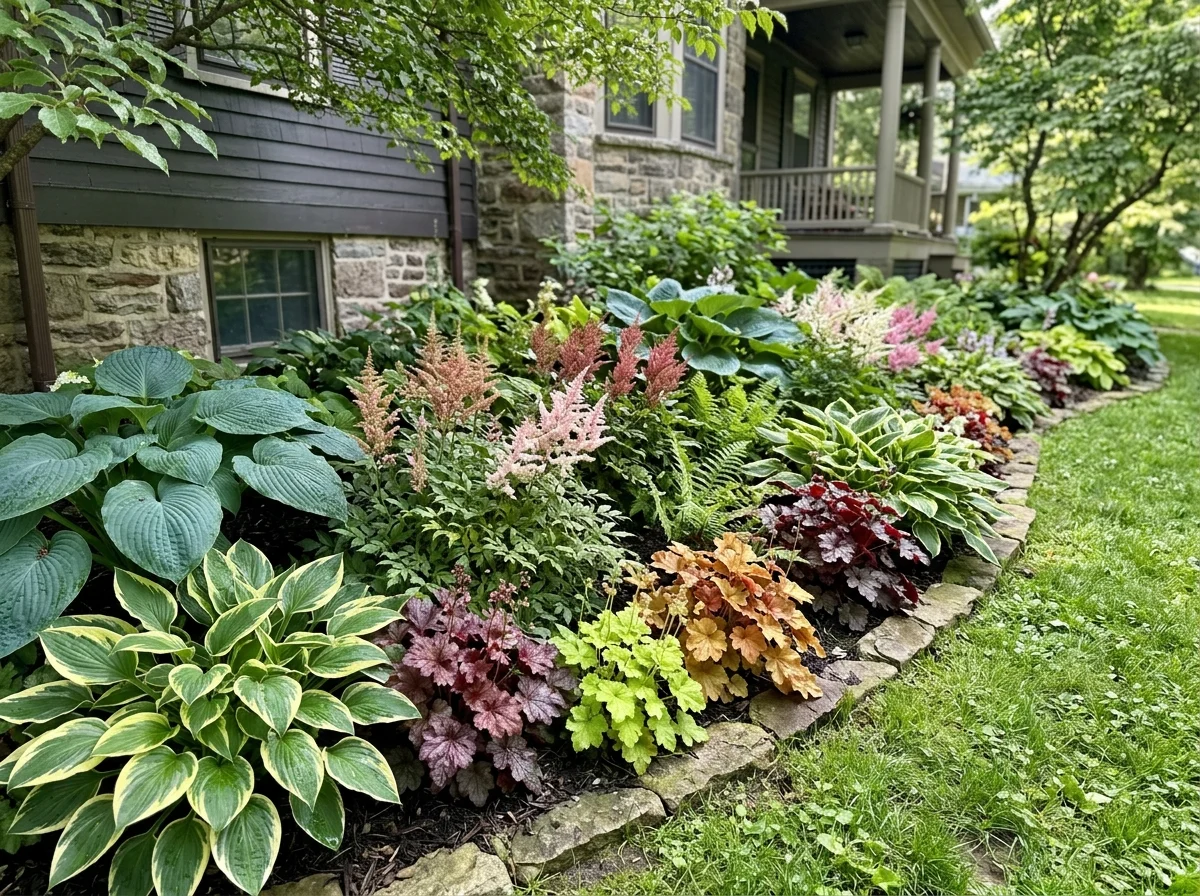
The strip of ground running along the house foundation often sits in partial shade from the roofline, a natural spot for shade-tolerant plants rather than a struggle to force sun-lovers there. Hostas, astilbe, and heuchera all handle filtered or partial shade and fill in a foundation bed within one or two seasons. Keep plants at least 12 to 18 inches from the house wall so air can circulate and moisture doesn’t sit against the siding. Watch drainage closely, since roof runoff can flood this bed during heavy rain even when the rest of the yard stays dry.
14. Repurposed Container Garden
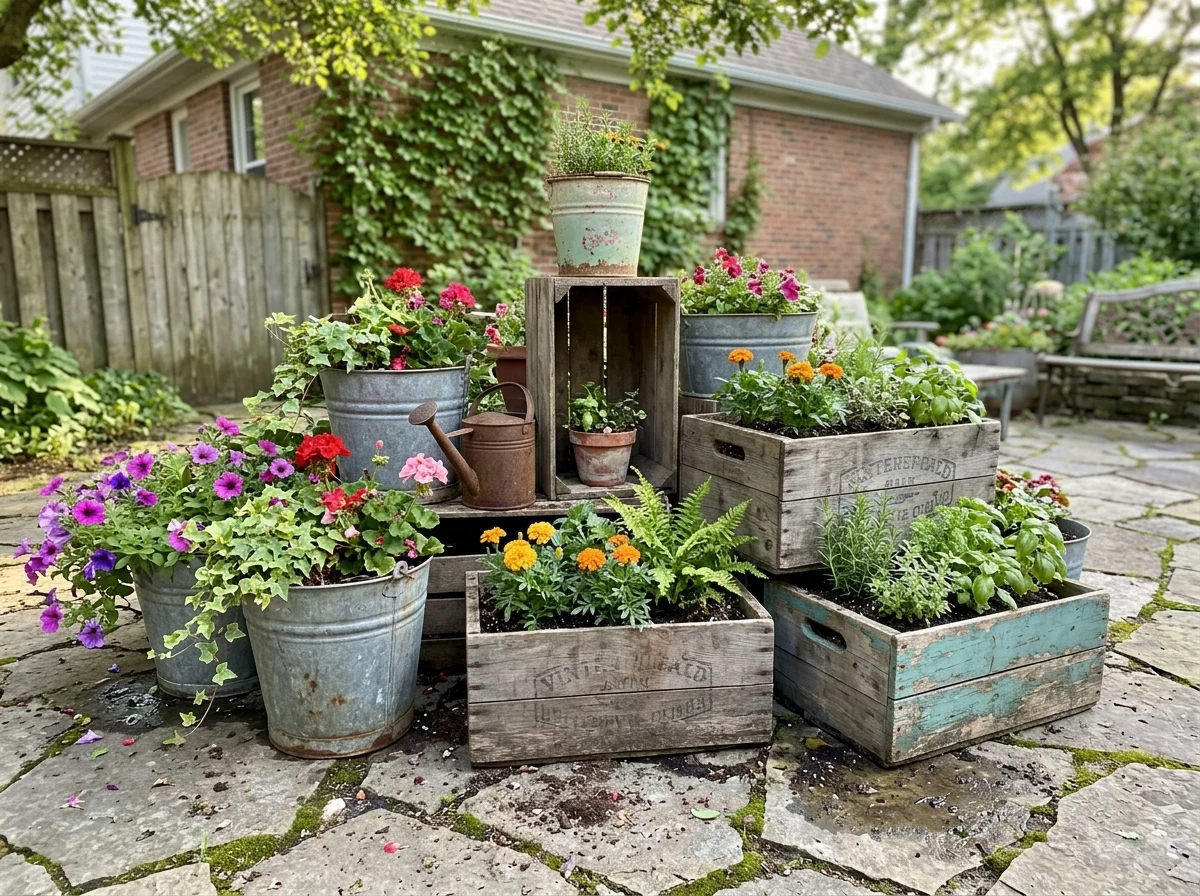
Old crates, galvanized buckets, and even a chipped ceramic pot hold a full planting once a few drainage holes are added to the bottom. This is one of the cheapest home gardening ideas, since it reuses items already sitting in a garage or shed. Match plant choice to container depth: shallow containers under 8 inches work for lettuce or herbs, while a taproot crop like carrots needs at least 12 inches. Group a few mismatched containers together near the patio for a collected, lived-in look.
15. Small Pollinator Strip Near the Foundation Corner
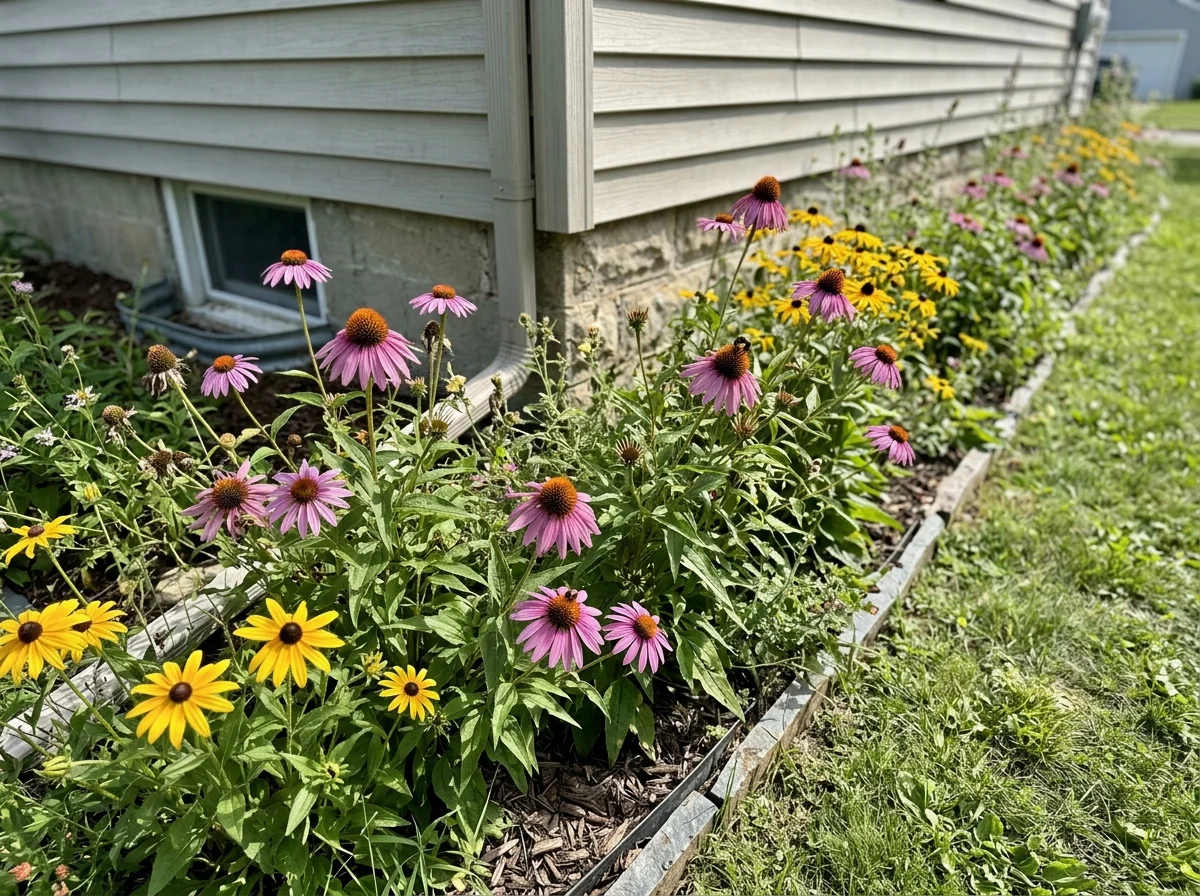
A pollinator strip is a narrow planting of nectar-rich flowers tucked into a foundation corner or side yard that gets more sun than the shaded front. Coneflower, black-eyed Susan, and bee balm are reliable choices that come back on their own and need little care beyond an occasional trim. Most pollinator plants want at least six hours of sun and tolerate average soil, so this corner skips the prep a vegetable bed needs. Once established, it mostly waters itself in seasons with regular rainfall.
Conclusion
Most of these ideas work with what a house already gives you, a doorway, a windowsill, a strip of ground by the foundation, so there’s no need to wait for a bigger yard. Pick one or two spots that get daily attention, match the plants to the actual light and space available, and build from there once those are established. Home gardening ideas like these add up over a season or two into a house that looks noticeably more finished, without a large budget or a weekend of heavy digging. Start small, water consistently, and let the rest grow in.
Frequently Asked Questions
What are the easiest home gardening ideas for beginners?
Container herbs on a windowsill or patio, and a pair of matching potted plants by the front door, are the easiest home gardening ideas to start with. Both use small, contained spaces, so mistakes are cheap to fix and watering is easy to track. Herbs like chives and mint tolerate neglect better than vegetables do, which makes them forgiving for a first project. Once those feel manageable, move on to a raised bed or a few balcony containers.
How much sun does a home garden need?
Most vegetables and flowering plants need at least six hours of direct sun a day to grow and bloom well. Shade-tolerant options like hostas, ferns, and astilbe get by on four hours or less, often in dappled shade near a foundation or under an overhang. Check how many hours of direct sun a spot actually gets before choosing plants for it, since a spot that looks bright can still fall short once a roofline or fence blocks afternoon light.
Do I need a big yard to start home gardening?
No, a big yard is not necessary for most home gardening ideas. A windowsill, a balcony rail, a patio corner, or a strip of ground by the front door all provide enough space for containers, herb gardens, or a small raised bed. Container gardening scales down to almost any size, since a single 5-gallon pot grows a tomato plant on a small patio. Start with the space you have rather than waiting for more room.
What is the best container size for a small vegetable garden?
A 5-gallon container is the minimum size for most fruiting vegetables like tomatoes and peppers, while leafy greens and herbs do fine in containers as shallow as 6 to 8 inches. Bigger containers hold moisture longer and need less frequent watering, which matters most in hot climates. Always choose a container with drainage holes, since standing water around roots causes rot faster than almost any other mistake in container gardening.
How do I keep container plants from drying out too fast?
Container plants dry out faster than ground beds because their roots are limited to the soil inside the pot, with more exposed surface for evaporation. Larger containers, a layer of mulch, and grouping pots together to shade each other all slow moisture loss. Water deeply until it runs from the drainage holes rather than giving light daily sips, which only wet the top inch of soil. In hot climates, watering in early morning reduces evaporation compared to midday.
When is the best time to start a home garden?
The best time depends on your climate and what you’re planting, since timing varies widely across regions. In most temperate climates, spring after the last frost date is the safest window for tender plants like tomatoes and basil, while cool-season crops like lettuce and spinach can go in a few weeks earlier. Perennials and shrubs for foundation beds can often go in spring or fall, whichever season brings milder temperatures locally. Check local frost dates before choosing a start date.