11 Urban Gardening Ideas for Small Spaces
Living in a city apartment or a rowhouse with barely a strip of concrete out back doesn’t rule out growing your own food or flowers, but it does change nearly every rule of gardening. Sunlight has to be tracked around buildings instead of trees, soil quality near busy streets needs a second thought before you grow anything you plan to eat, and a landlord or an HOA might have opinions about what’s allowed on a balcony railing. These urban gardening ideas are built around those exact constraints, not the generic small-space advice that assumes you’ve got a backyard to work with. A balcony, a shared rooftop, a windowsill, a plot in a community garden a few blocks from home, the goal is the same either way: get real growing space out of whatever the city gives you. Some ideas need almost no setup, others take a bit more planning around building rules or shared space etiquette. Start with whatever matches the space you actually have access to right now.
1. Grow Vertically on a Balcony Railing
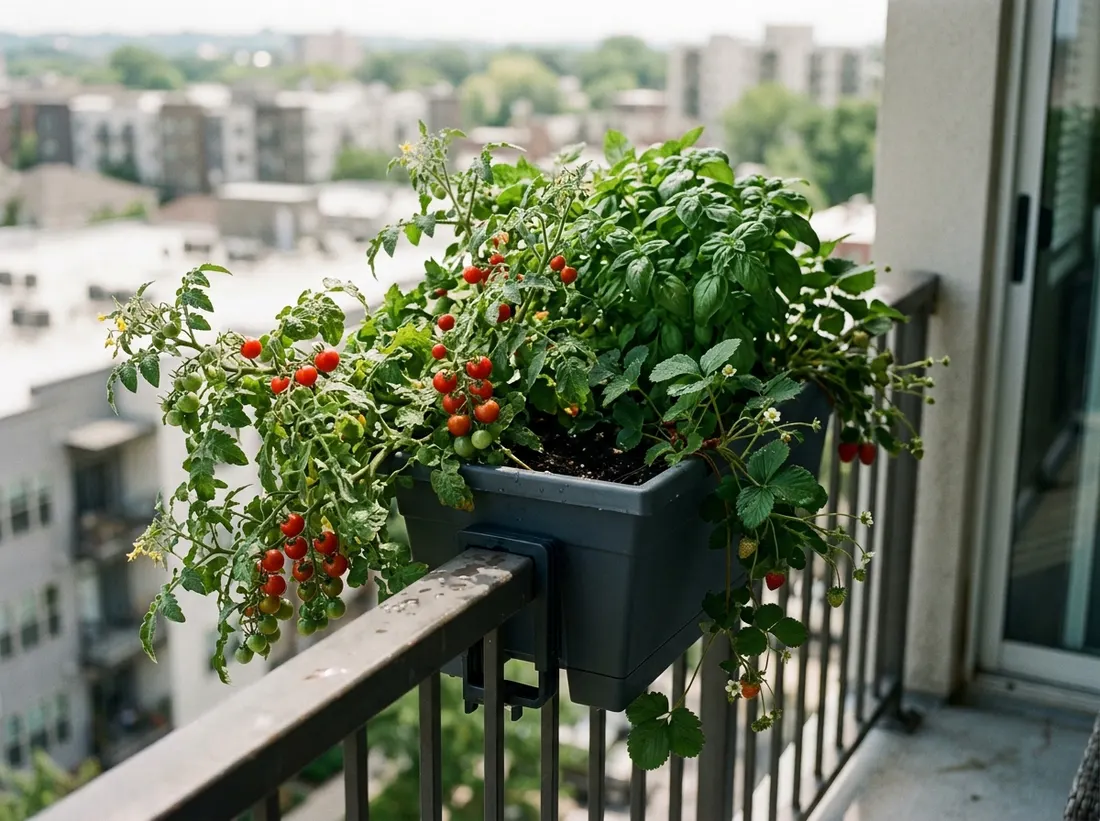
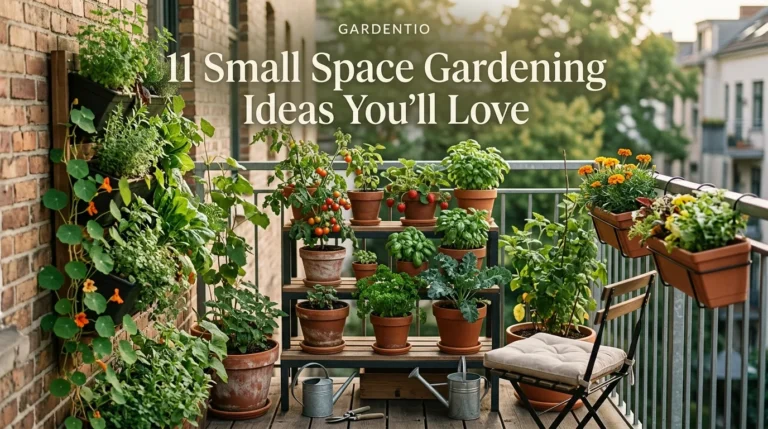
A railing planter system, either hanging boxes that clip over the rail or a vertical pocket planter that hangs flat against it, turns unused vertical space into real growing area without taking up any floor room. Check your building’s rules first, since some balconies restrict what can hang over the outer edge for safety or appearance reasons. Herbs, trailing cherry tomatoes, and strawberries all do well in railing planters that get at least six hours of direct sun.
2. Check Rooftop Access and Weight Limits Before Building Up
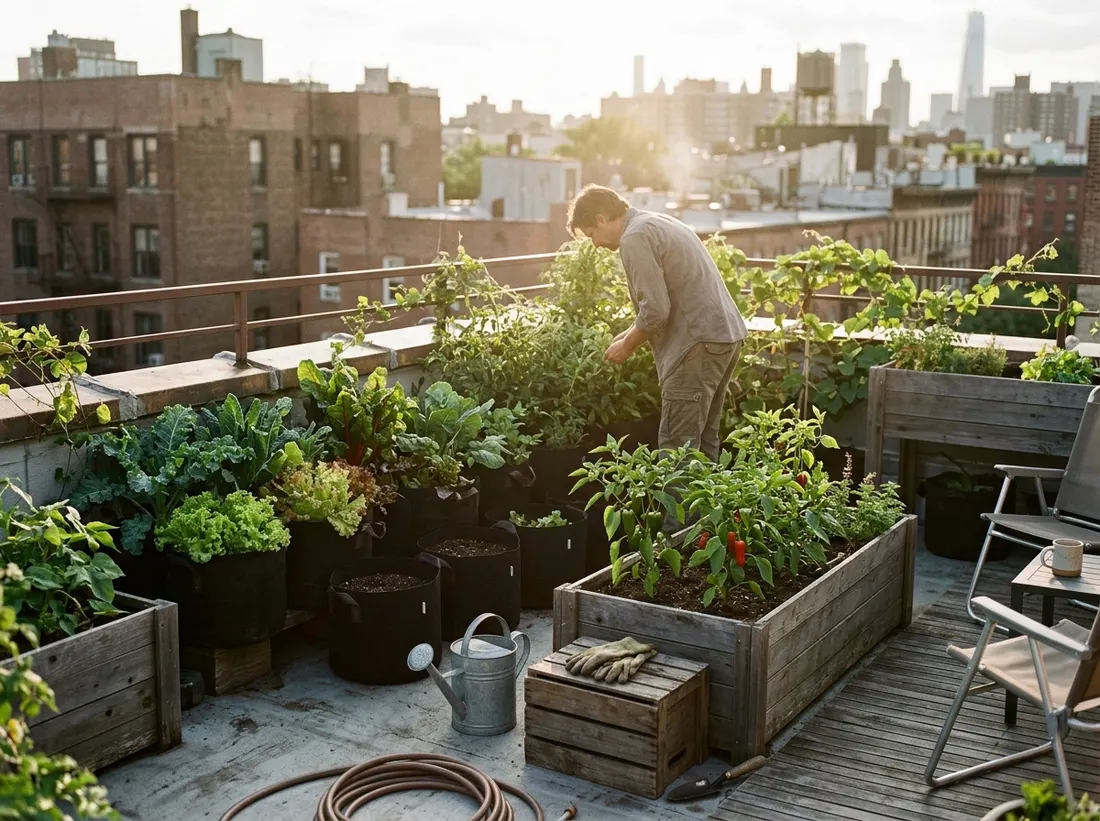
A shared or private rooftop can hold a surprising amount of growing space, but container weight matters more here than almost anywhere else in urban gardening. Wet soil in a large container can weigh 80 to 100 pounds or more, and most residential roofs weren’t engineered with that kind of distributed load in mind across a large area. Ask your building management about weight limits and access rules before investing in raised beds or large planters, and stick to lightweight potting mix and smaller containers if you don’t have that confirmation.
3. Join a Community Garden Plot
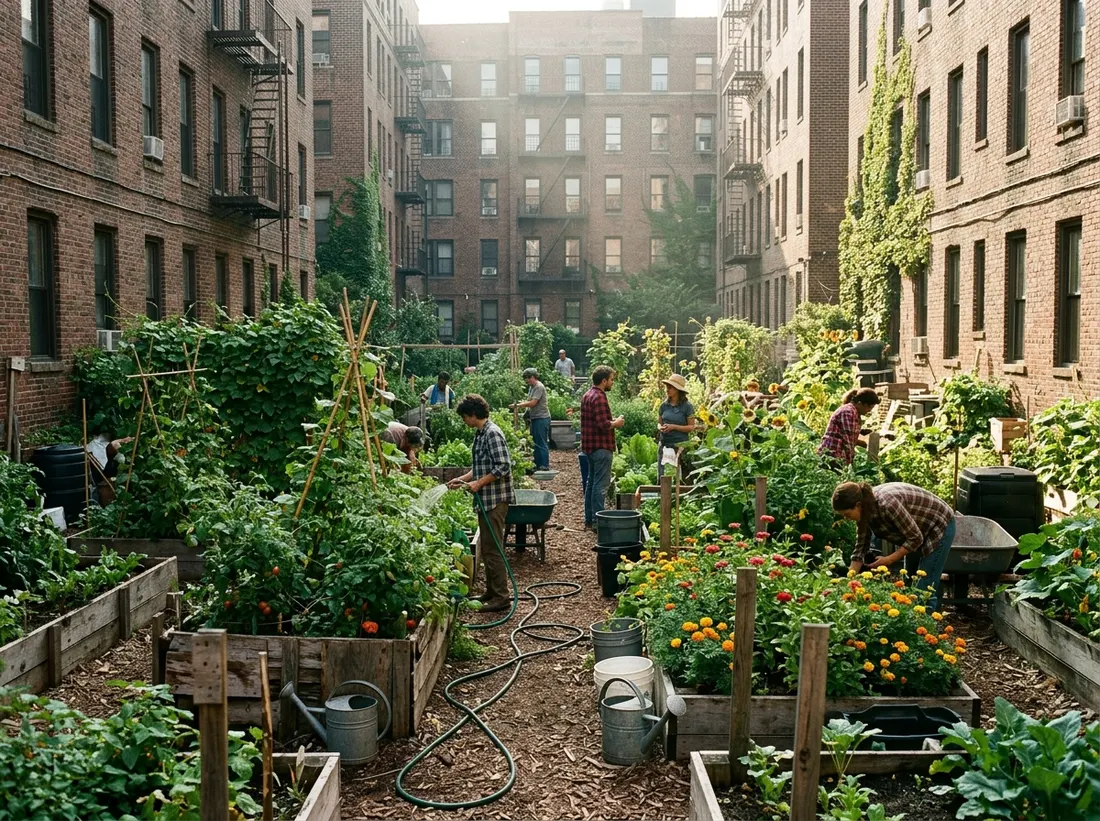
Community gardens give you actual in-ground soil, often shared water access, and usually a season-long plot for a modest annual fee. Most cities list available plots through a parks department or a local nonprofit, and waitlists in popular neighborhoods can run six months to a year, so apply early if there’s one near you. A community plot also means growing near other gardeners, which is genuinely useful for learning what performs well in your specific local climate.
4. Test Soil Before Growing Food Near Busy Streets
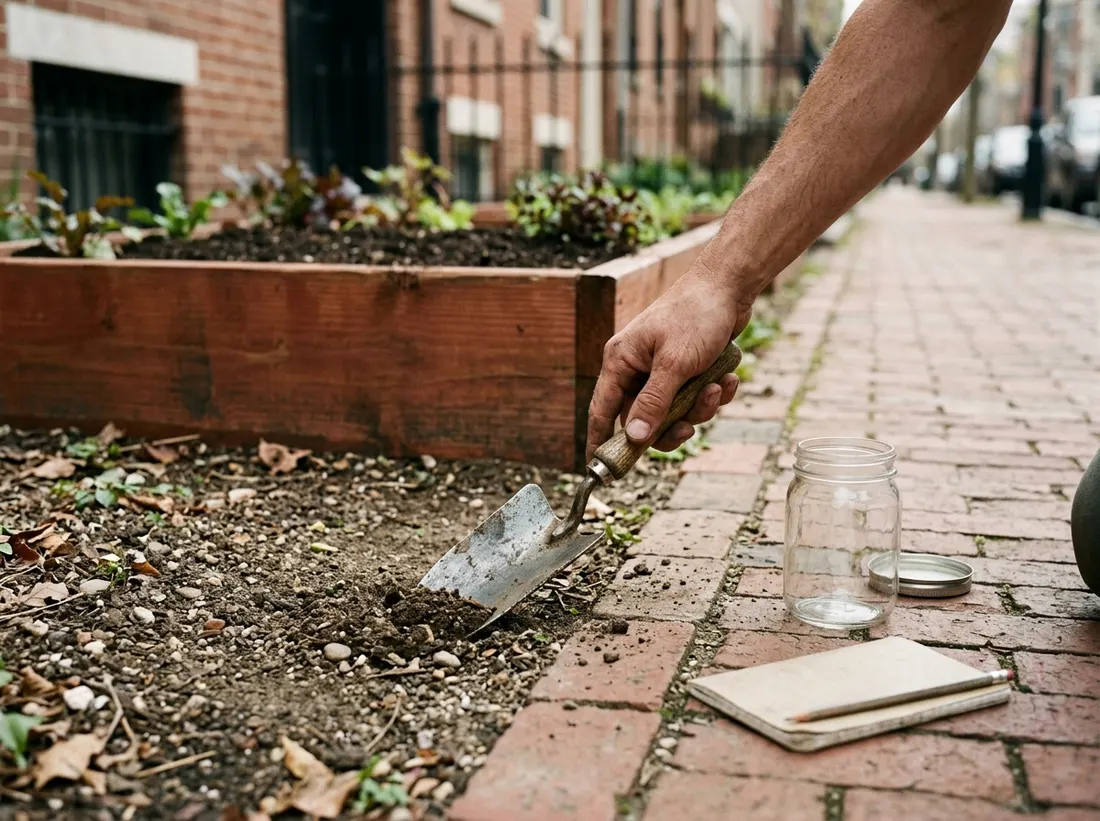
Soil within a few feet of a heavily trafficked street can accumulate lead and other contaminants from decades of vehicle exhaust, even after leaded gasoline was phased out. If you’re growing edibles in ground-level soil near a busy road, get a soil test through your local extension office before planting anything you intend to eat.
A test result showing higher-than-normal lead is common near old roadways and doesn’t mean the whole plot is unusable, but it does mean edibles should go in raised beds with fresh soil instead of directly in that ground. Raised beds with fresh, bagged soil sidestep this issue entirely if a test comes back concerning, since the plants never touch the contaminated ground layer.
5. Use a Windowsill for Year-Round Herbs
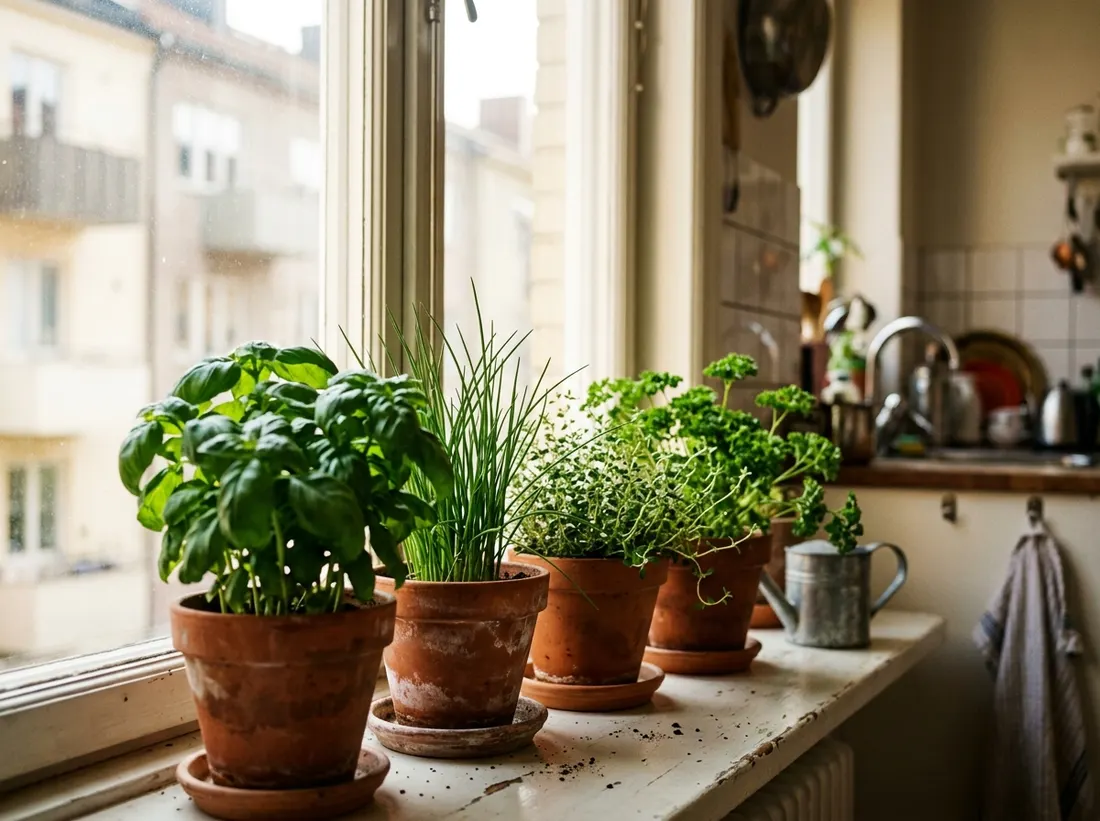
A south-facing or west-facing windowsill gets enough light for compact herbs like basil, chives, thyme, and parsley to grow indoors through most of the year. Use small pots with drainage holes and a saucer, and rotate them a quarter turn every few days so growth stays even instead of leaning hard toward the light. This is the lowest-commitment entry point into urban gardening, since it needs no outdoor access at all.
6. Set Up a Vertical Pallet or Pocket Garden Against a Wall
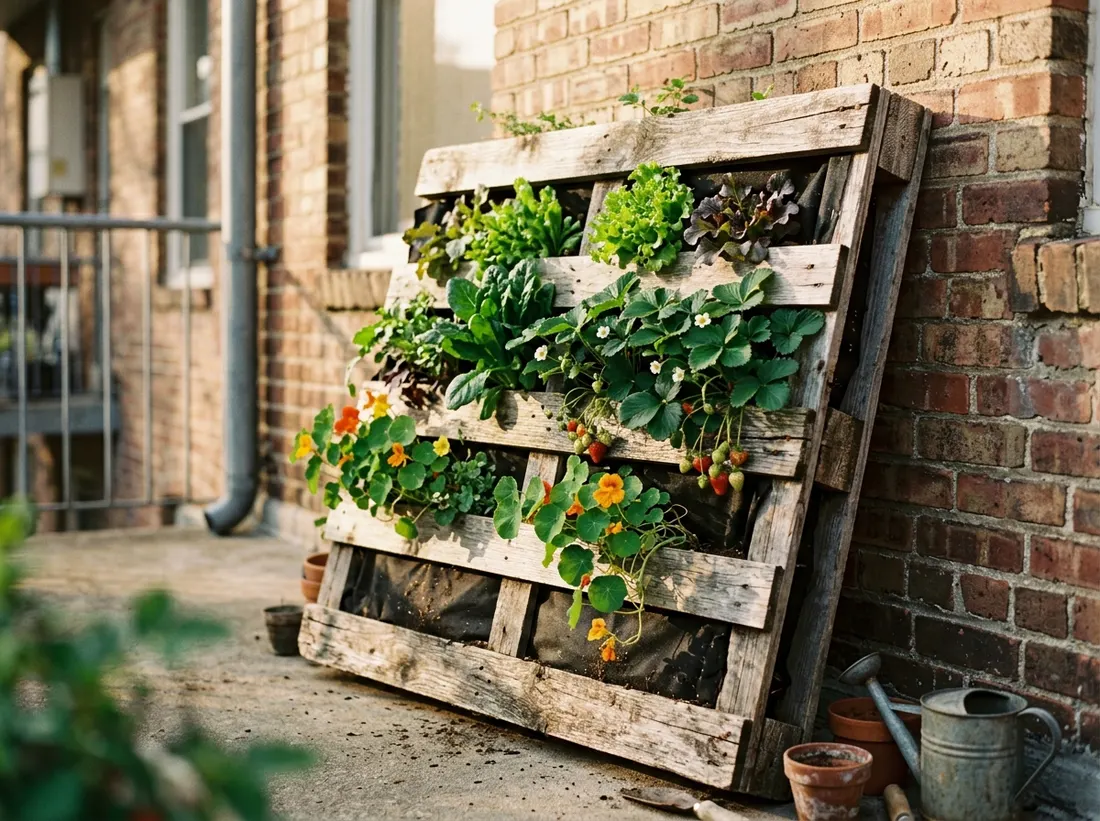
A repurposed wooden pallet or a fabric pocket planter mounted against a sunny exterior wall turns a flat, unusable surface into several square feet of planting space. Line a pallet with landscape fabric before filling the slats with soil so it holds together, and lean it against the wall at a slight angle rather than mounting it flush, which improves airflow and makes watering easier to see and control.
7. Grow in Stacked or Tiered Containers
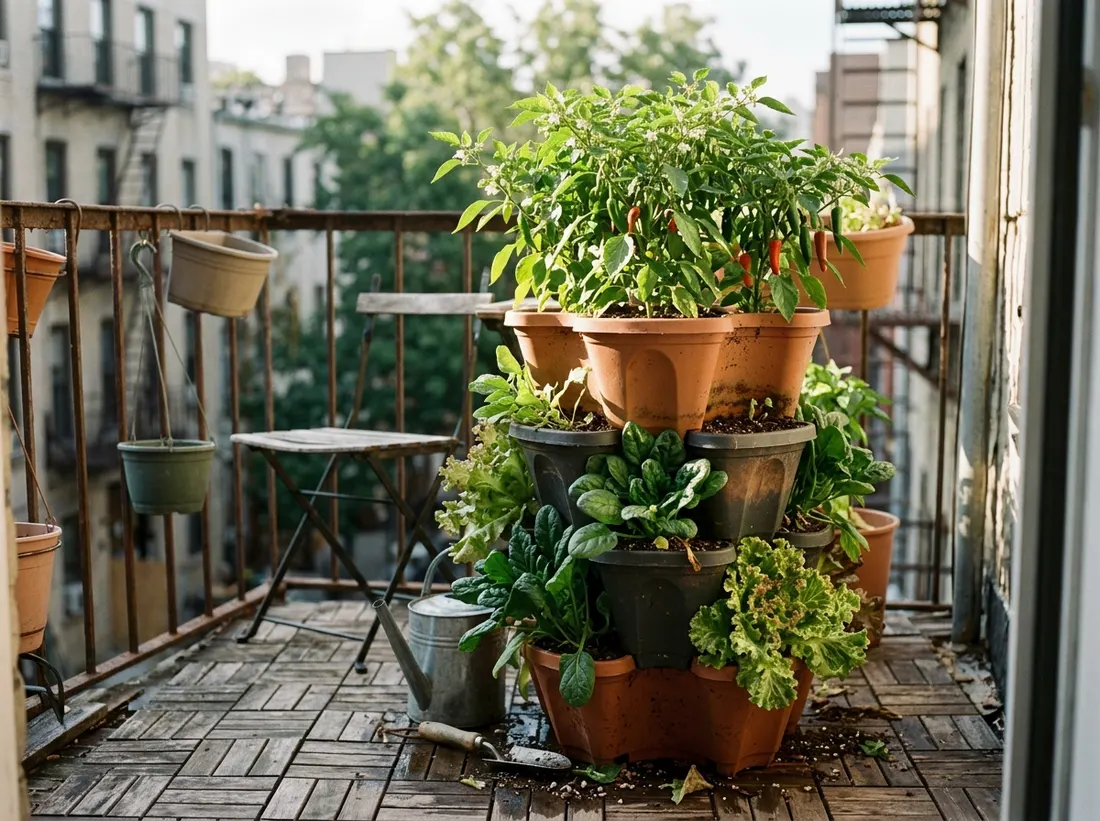
Tiered planters, whether a purpose-built stacking system or simply containers of decreasing size set on plant stands at different heights, multiply your growing area within the same footprint. This works particularly well on a small balcony where floor space is the real limit rather than sunlight. Put taller, sun-loving plants on top and shade-tolerant greens on lower tiers where they’ll catch less direct light.
8. Choose Compact and Dwarf Varieties Bred for Containers
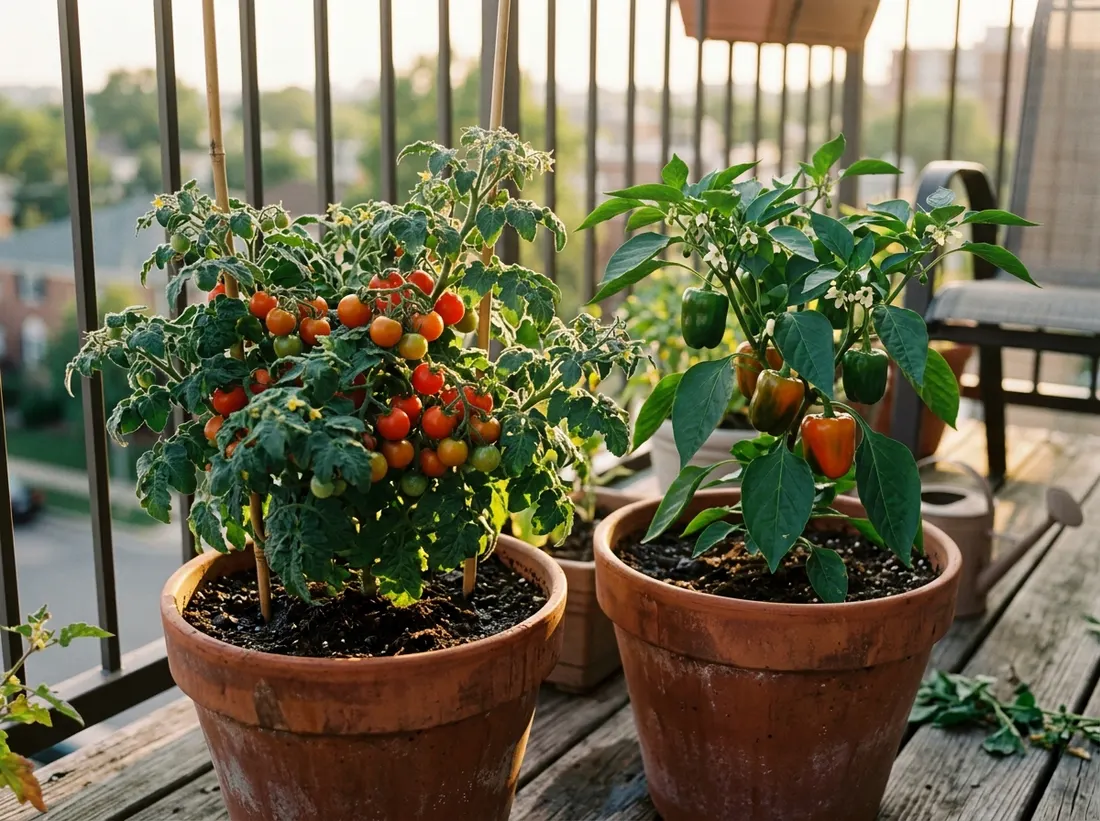
Seed catalogs now carry dwarf and patio varieties of nearly every popular vegetable, cherry tomatoes bred to stay under two feet, bush cucumbers that never send out long vines, and compact peppers suited to a 12-inch pot. These varieties are worth seeking out specifically for urban growing, since a standard-size tomato plant bred for open ground will outgrow a small container and produce far less than a variety actually selected for that constraint.
9. Understand HOA and Landlord Rules Before You Plant
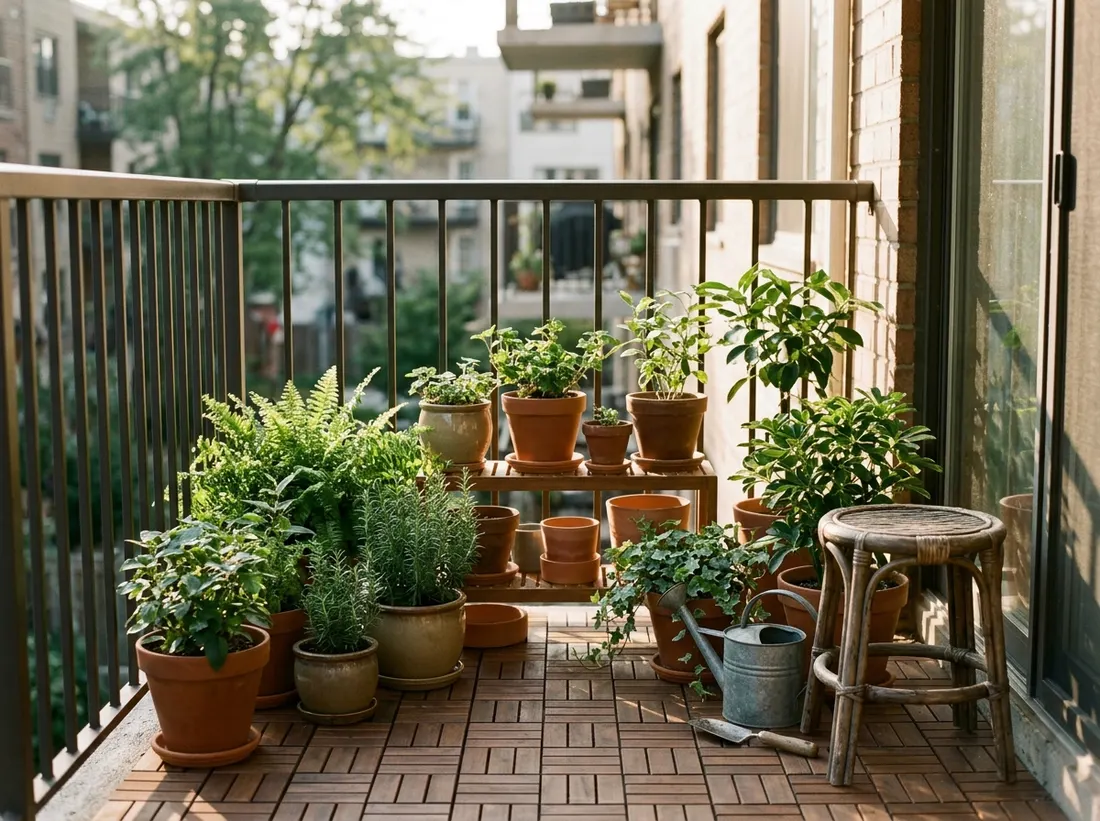
Many apartment leases and condo associations restrict what can be visible from the street or attached to a building’s exterior, including planters hung over railings or trellises fixed to walls. Read your lease or HOA guidelines before investing time and money into a setup you might be asked to remove. Freestanding containers on your own patio or balcony floor are almost always safer than anything attached to shared structures.
10. Build a Micro Compost System for Kitchen Scraps
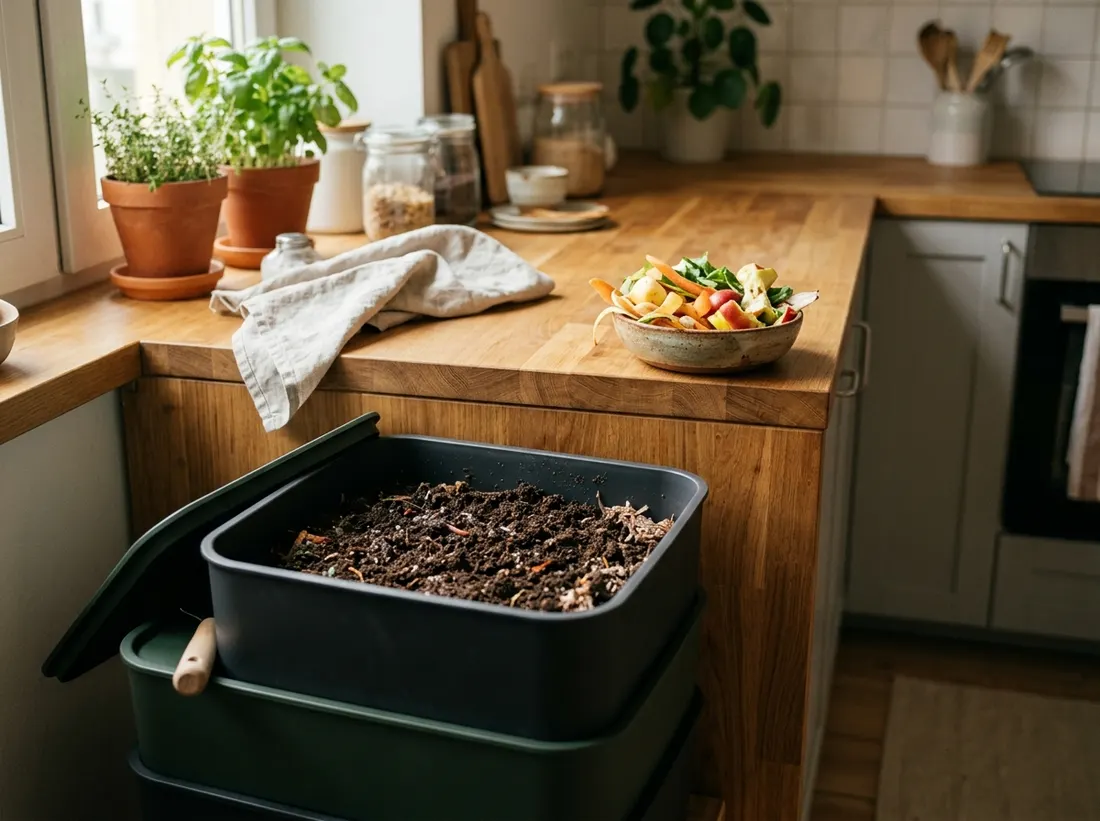
A small, sealed countertop composter or a worm bin, sized for an apartment kitchen, turns food scraps into usable soil amendment without the space or smell issues people associate with composting. A worm bin roughly the size of a small storage tote handles a household’s scraps and produces finished compost in two to three months, which you can use directly in your container soil.
11. Grow Food in a Shared Courtyard or Common Area
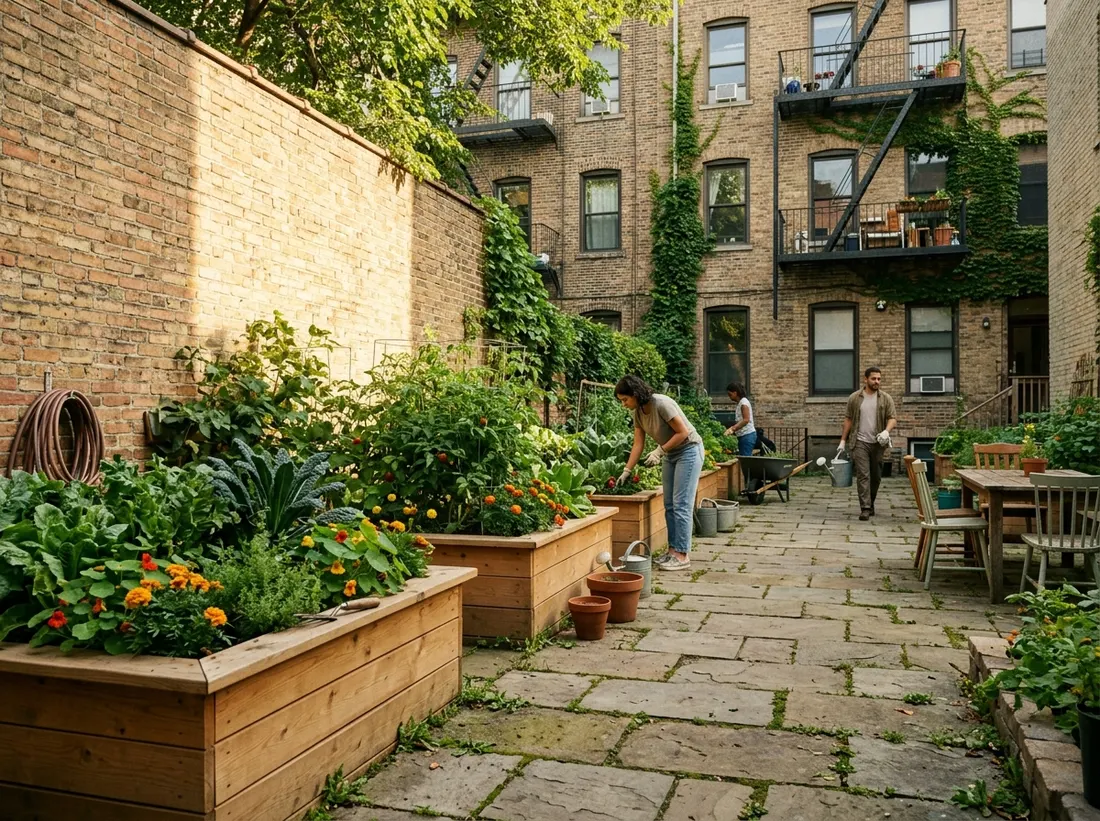
Some apartment buildings have an underused courtyard, side yard, or common green space that management may allow residents to garden in, especially if you propose it as a shared amenity rather than a private claim on the space. Approach building management with a specific, modest plan, a few raised beds or containers along one unused edge, rather than asking generally, since a concrete proposal is far more likely to get approved than an open-ended request.
Conclusion
Urban gardening comes down to working with the specific limits of city living instead of fighting them, tracking sun around buildings, checking weight limits and lease terms, and testing soil before growing food near traffic. None of that has to be complicated once you know what to look for. Start with the option that matches whatever access you actually have, a windowsill, a railing, a community plot, and expand from there as you get a feel for what your specific space can support. A few productive containers on a balcony often produce more real food than people expect from such a small footprint.
Frequently Asked Questions
Can I grow vegetables on an apartment balcony?
Yes, most balconies that get at least six hours of direct sun can support vegetables in containers, including tomatoes, peppers, and leafy greens. Check your building’s rules on railing planters and weight limits first, and choose compact or dwarf varieties bred specifically for container growing. A balcony with less sun still works well for leafy greens and herbs, which tolerate four to six hours of light.
Is it safe to grow vegetables in soil near a busy city street?
It depends on the soil, since ground-level soil near heavy traffic can carry higher lead levels from years of vehicle exhaust. Get a soil test through your local extension office before growing edibles in that ground, or use raised beds with fresh bagged soil to avoid the risk entirely. A concerning test result still leaves plenty of options, mainly growing edibles in containers or raised beds filled with fresh soil instead of planting straight into the native ground.
How do I find a community garden plot in my city?
Most cities list available community garden plots through a parks and recreation department, a city website, or a local gardening nonprofit. Popular locations often have a waitlist of several months to a year, so it’s worth applying well before the growing season you want to start in. A plot in a community garden also usually comes with access to shared tools, compost, and water, which cuts down on what you need to bring yourself.
What vegetables grow best in small urban containers?
Compact and dwarf varieties bred for containers perform best, including patio tomatoes, bush cucumbers, dwarf peppers, and most leafy greens and herbs. Standard full-size varieties bred for open garden rows tend to underperform and outgrow small urban containers quickly. Seed catalogs and nursery tags usually label these varieties clearly as patio, dwarf, or container types, which makes them easy to spot when shopping.
Do I need permission to garden on a shared rooftop or courtyard?
Yes, almost always. Rooftop access usually involves structural weight limits that building management needs to confirm, and shared courtyards typically require approval since they’re common property. A specific, modest proposal, a few raised beds along one unused edge, for example, is far more likely to get approved than a general request to use the space.
How much sunlight does a city balcony or courtyard garden actually need?
Most fruiting vegetables, like tomatoes and peppers, need at least six hours of direct sun a day, while leafy greens and many herbs manage well on four to six hours. Track the light on your specific space across a full day before choosing what to grow, since surrounding buildings can shade a spot for part of the day even when it looks bright at a glance.