
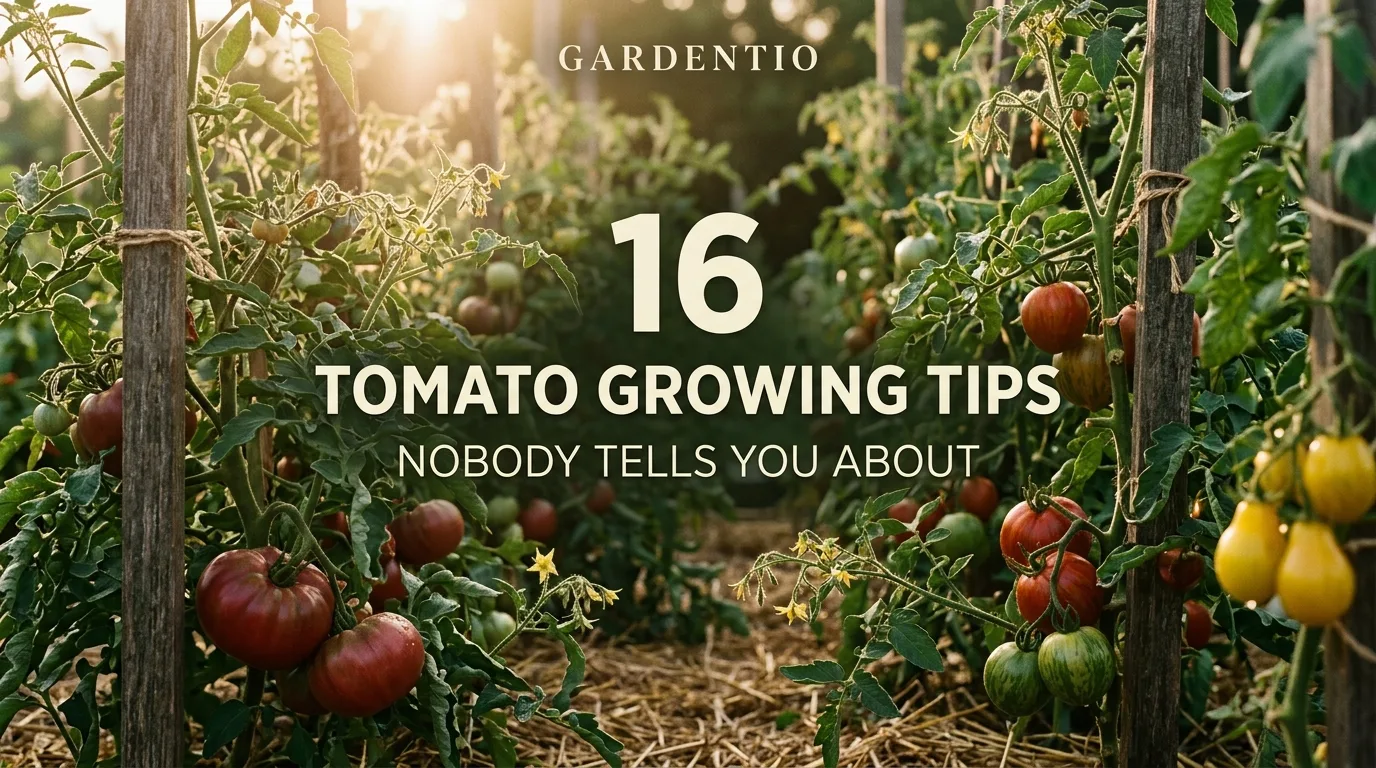
16 Tomato Growing Tips Nobody Tells You About
Most tomato advice stops at the basics: plant after frost, give them sun, water consistently, stake them up, watch for hornworms. That’s all true, and it’s also where nearly every article on the topic ends, right around the point where you’ve already got a healthy plant and want to know what actually separates a good tomato harvest from a great one. I’ve found that the real gains come from the details nobody bothers explaining, specific pruning methods, what Epsom salt actually does and doesn’t do, how to extend the season on both ends, and how to catch the odder problems like catfacing or hollow fruit before they wreck a plant you’ve already invested months into. These tomato growing tips assume you’ve already got the fundamentals down and want to push further. Some of this is about technique, how and when you prune. Some of it is about timing, when nutrients actually matter through the season. All of it is the kind of detail that separates someone who grows tomatoes every year from someone who’s still figuring out why last year’s plant underperformed.
1. Try Missouri Pruning Instead of Full Sucker Removal
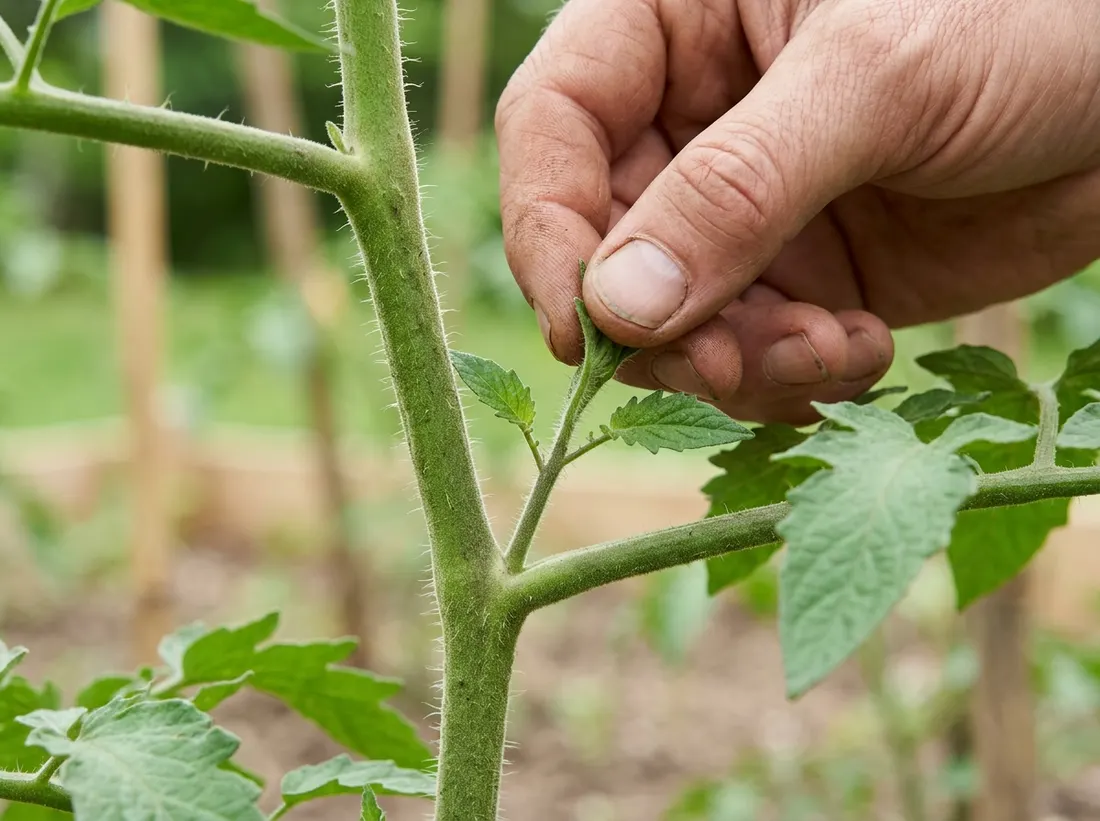
Missouri pruning leaves the first two leaves of a sucker intact and pinches off only the growing tip beyond them, instead of removing the whole sucker at its base. This preserves extra leaf area for photosynthesis while still limiting how much the plant sprawls, which matters most in hot climates where full sun exposure on fruit and stems raises the risk of sunscald. Use this method on indeterminate varieties in intense summer heat, and switch to full sucker removal earlier in the season when extra shade isn’t as necessary.
2. Understand What Epsom Salt Actually Does
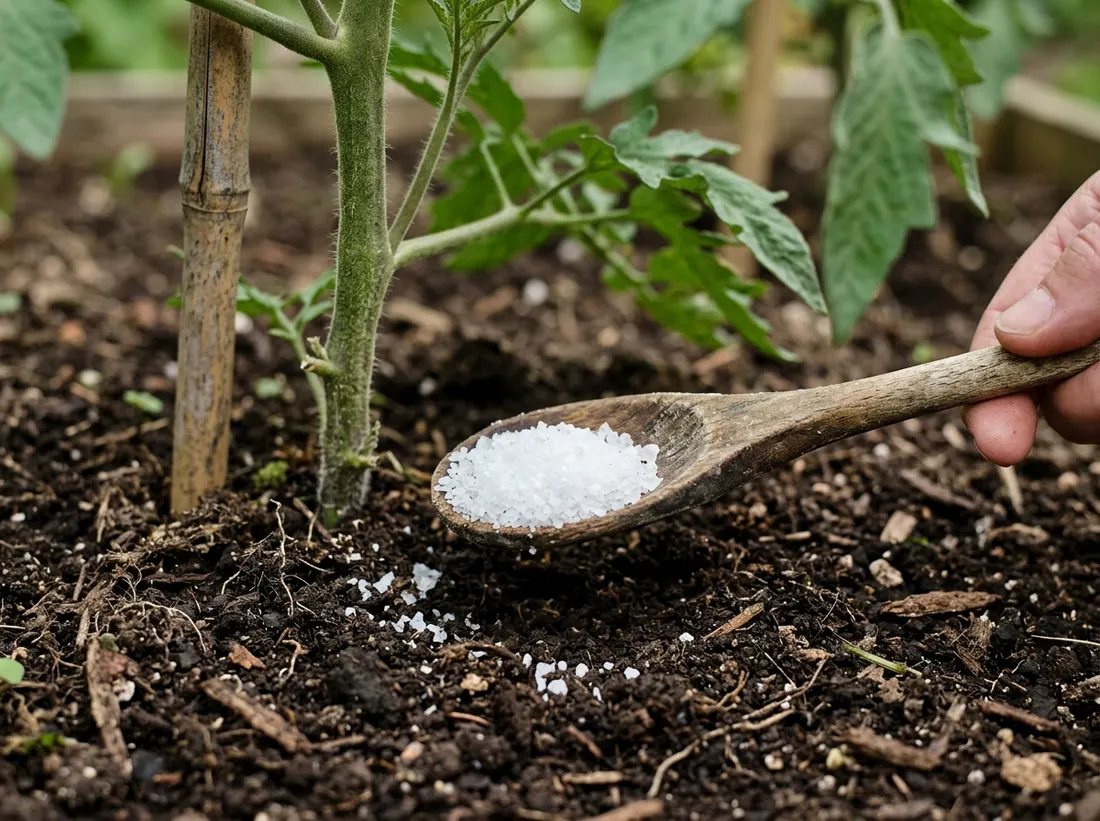
Epsom salt supplies magnesium and sulfur, and it only helps if your soil is genuinely deficient in magnesium, which a soil test will confirm rather than a guess. It does not prevent or treat blossom end rot, which is a calcium and watering-consistency issue, despite this being one of the most repeated pieces of garden advice online. If a soil test does show a magnesium deficiency, a diluted solution of one tablespoon per gallon of water, applied as a soil drench every few weeks, is the typical approach.
3. Save Seeds Only From Open-Pollinated or Heirloom Varieties
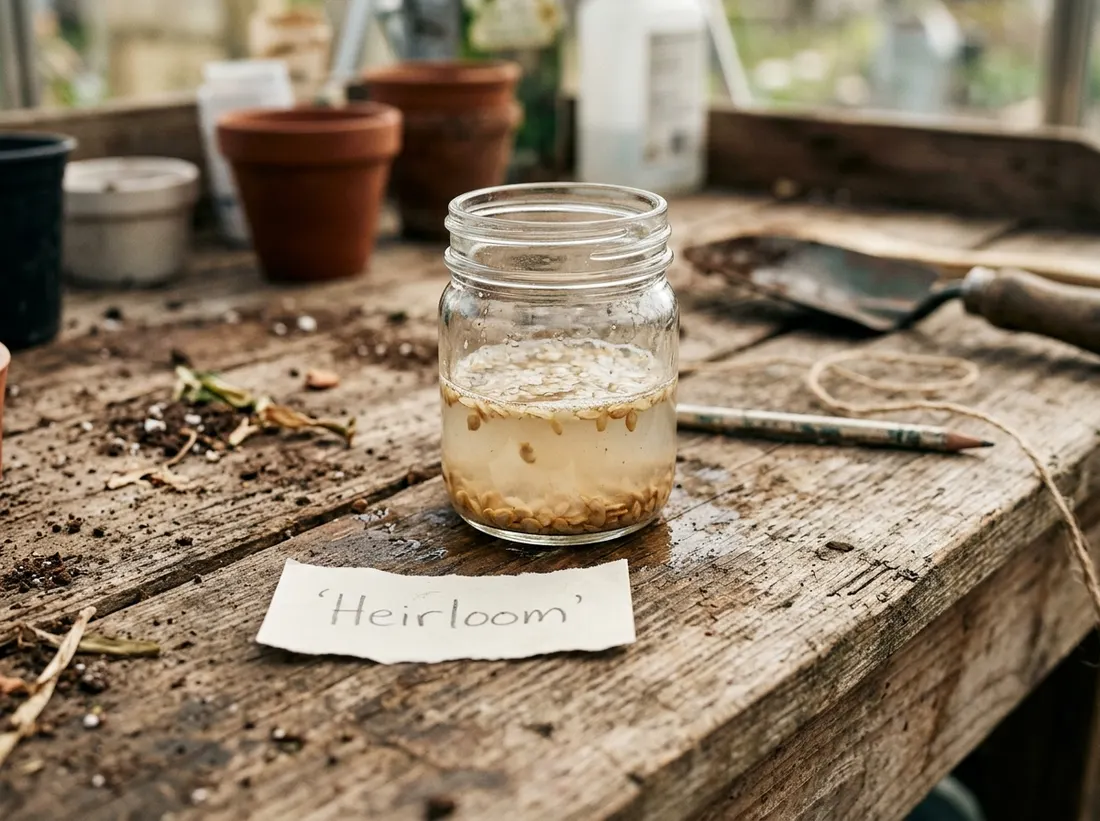
Hybrid tomato varieties, labeled F1 on seed packets, won’t grow true from saved seed, since the next generation reverts toward one of the original parent plants instead of matching the fruit you harvested. Heirloom and other open-pollinated varieties do grow true, so scoop seeds from a ripe fruit, ferment them in water for two to three days to remove the gel coating, then rinse and dry them fully before storing in a cool, dark place.
4. Try Basic Grafting for Disease Resistance
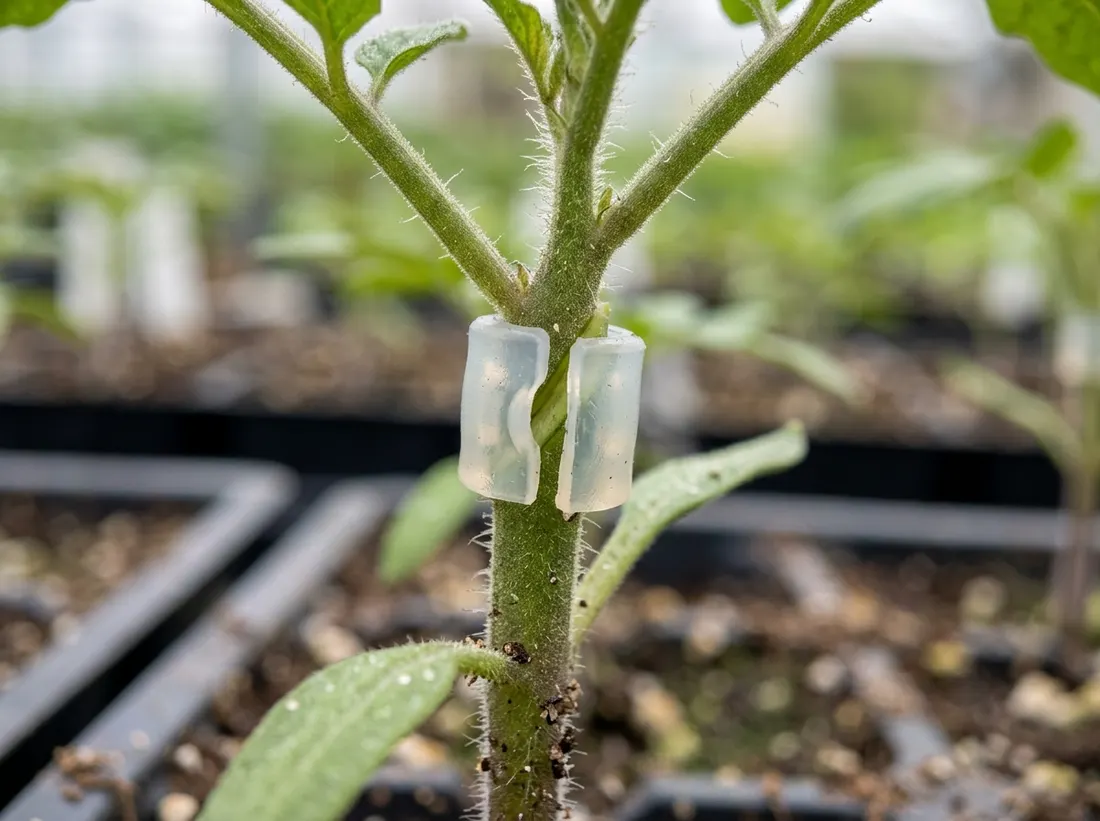
Grafting a productive heirloom variety onto disease-resistant rootstock combines flavor with resilience against soil-borne diseases like fusarium wilt and root-knot nematodes, which can otherwise wipe out a susceptible variety in infected soil. A simple tube-grafting method, splicing a young seedling’s stem onto rootstock of matching diameter and holding it with a silicone grafting clip, works at home with practice, though it takes several attempts to get a consistent success rate.
5. Extend the Season With a Wall-O-Water
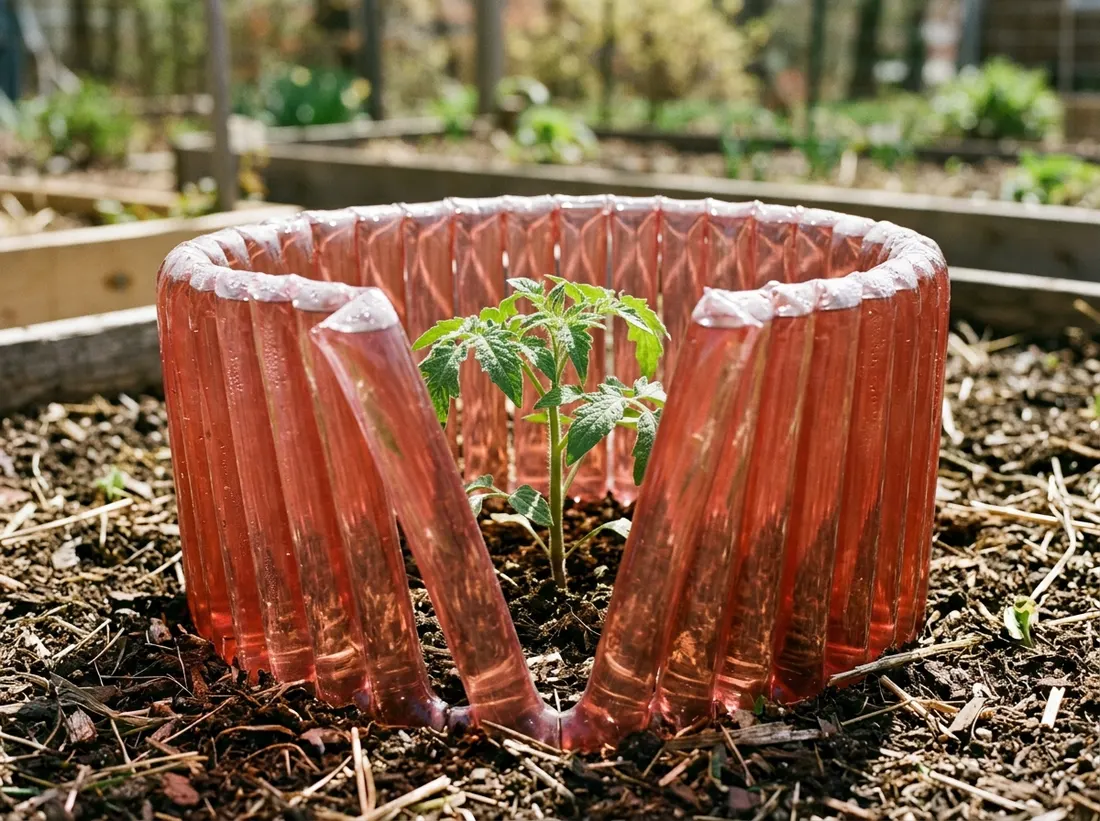
A wall-o-water, a ring of water-filled plastic tubes set around a young transplant, absorbs heat during the day and releases it at night, letting you set out tomato transplants two to three weeks earlier than the standard last-frost date in most climates. This works especially well in regions with a short growing season, where those extra weeks can mean a meaningfully longer harvest window by fall.
6. Use Row Covers and Cloches to Protect Early and Late Plants
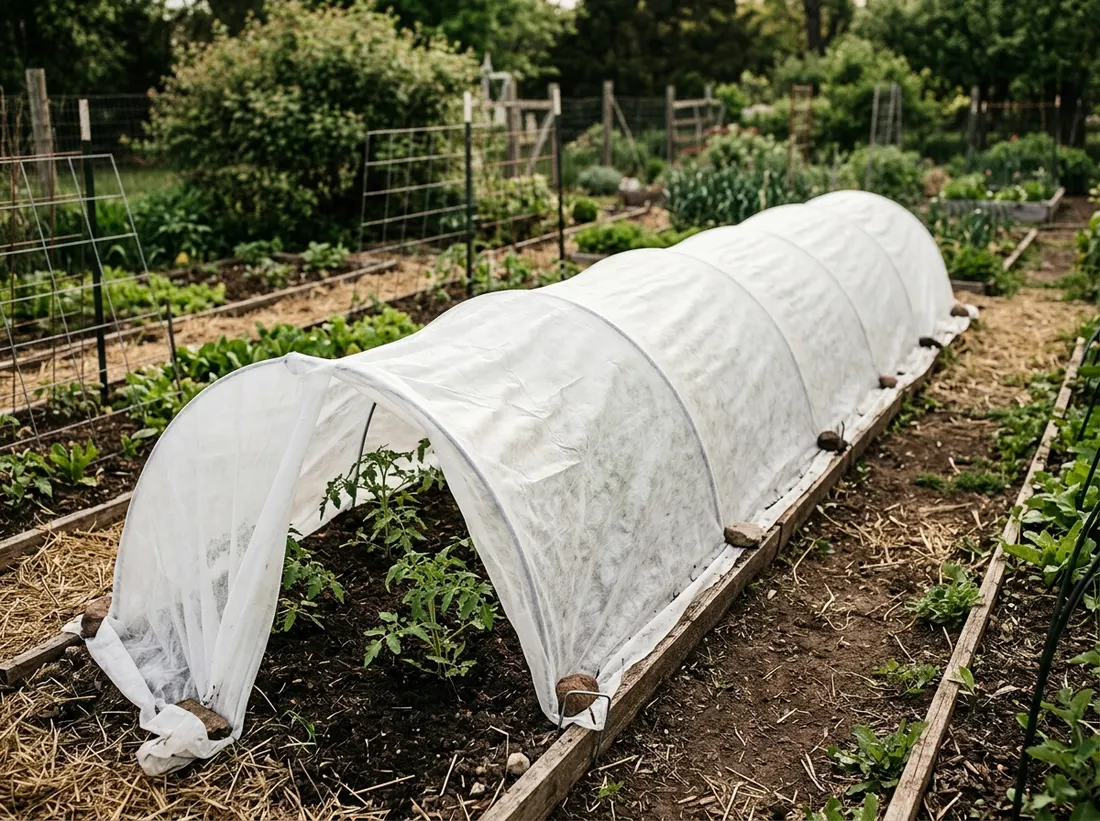
Lightweight floating row covers or simple glass or plastic cloches trap heat around young plants and buy protection down to several degrees below freezing, depending on the material’s weight. Use them in early spring to protect transplants from a late frost, and again in fall to stretch the harvest a few extra weeks once nighttime temperatures start dropping toward the plant’s cold tolerance limit.
7. Identify Catfacing and Its Actual Cause
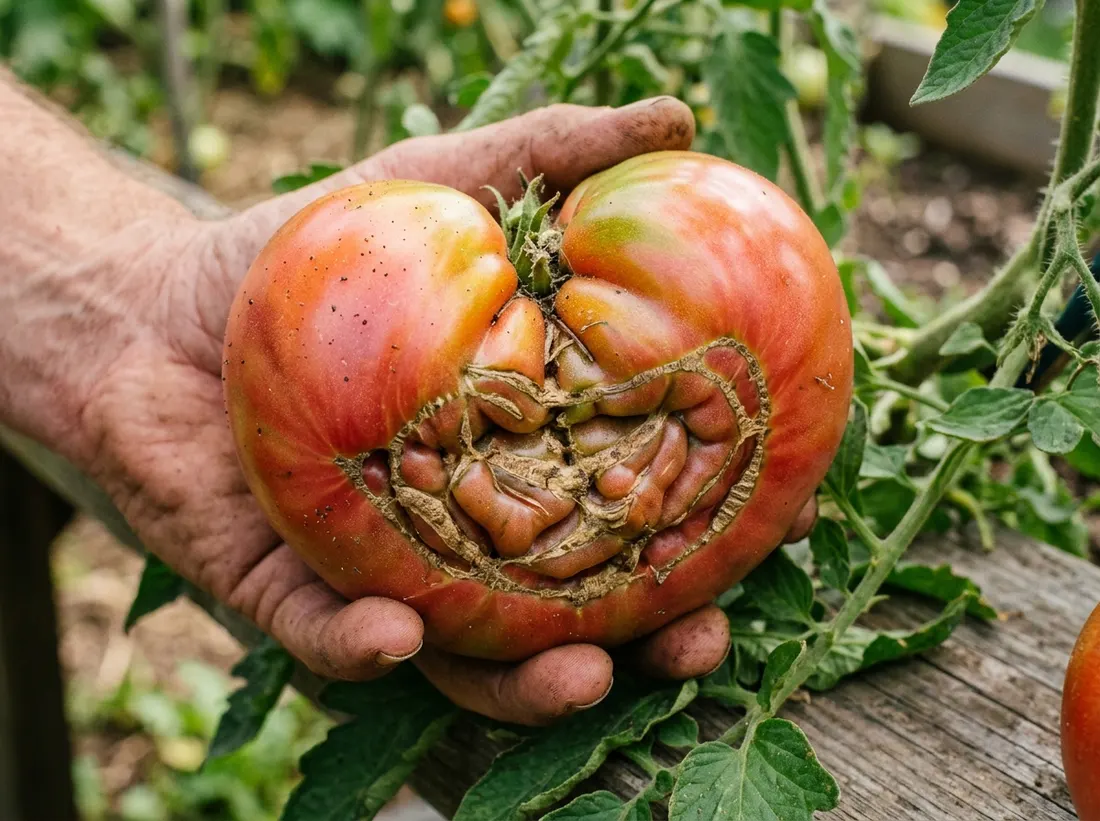
Catfacing shows up as puckered, scarred, misshapen fruit, usually near the blossom end, and it traces back to cool temperatures, generally below 55°F, during flower development, which disrupts normal cell division in the developing fruit. It’s a cosmetic issue, not a disease, and the fruit is still edible. Reduce it by avoiding very early transplanting into still-cold soil and by choosing varieties less prone to it if it’s a recurring problem in your climate.
8. Recognize Sunscald Before It Spreads
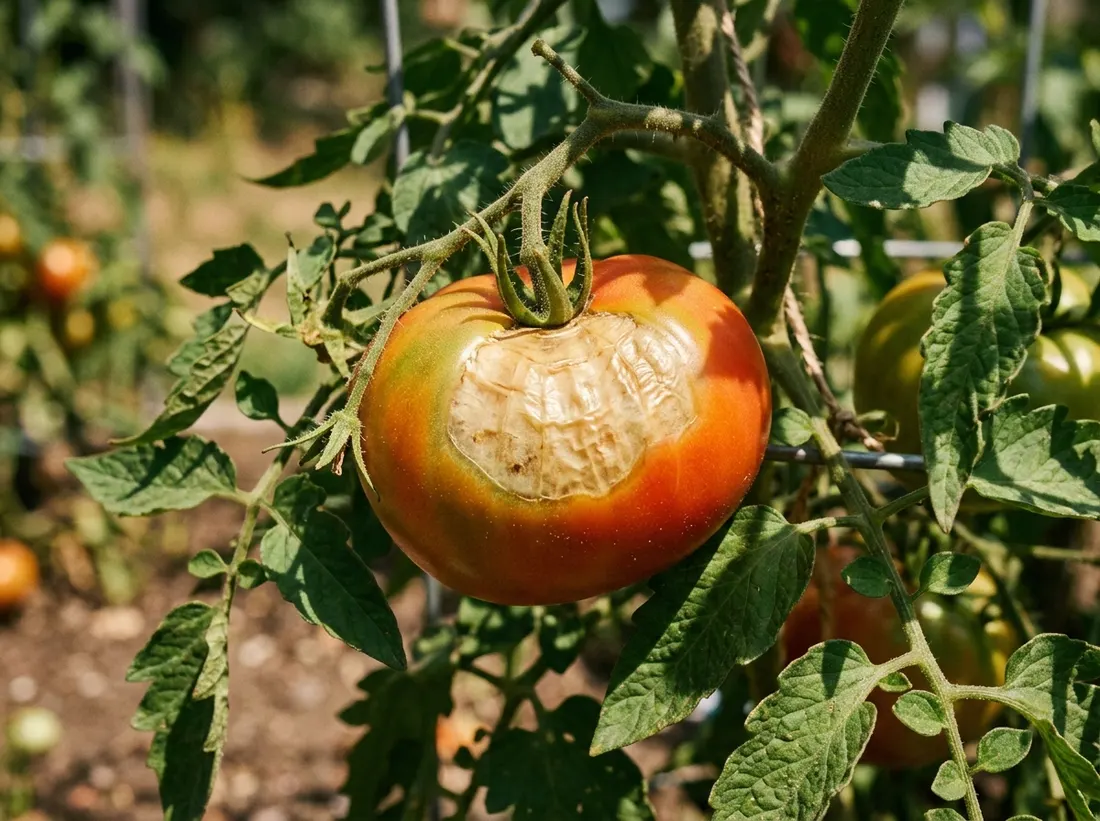
Sunscald appears as a pale, blistered, sometimes leathery patch on fruit that’s been suddenly exposed to intense direct sun, most often after aggressive pruning removes too much shading foliage at once. It differs from sunburn on leaves in that it directly damages the fruit’s skin and can lead to secondary rot if left exposed. Prevent it by pruning gradually rather than all at once and by leaving enough foliage to shade developing fruit through peak afternoon sun.
9. Understand Why Some Tomatoes Grow Hollow
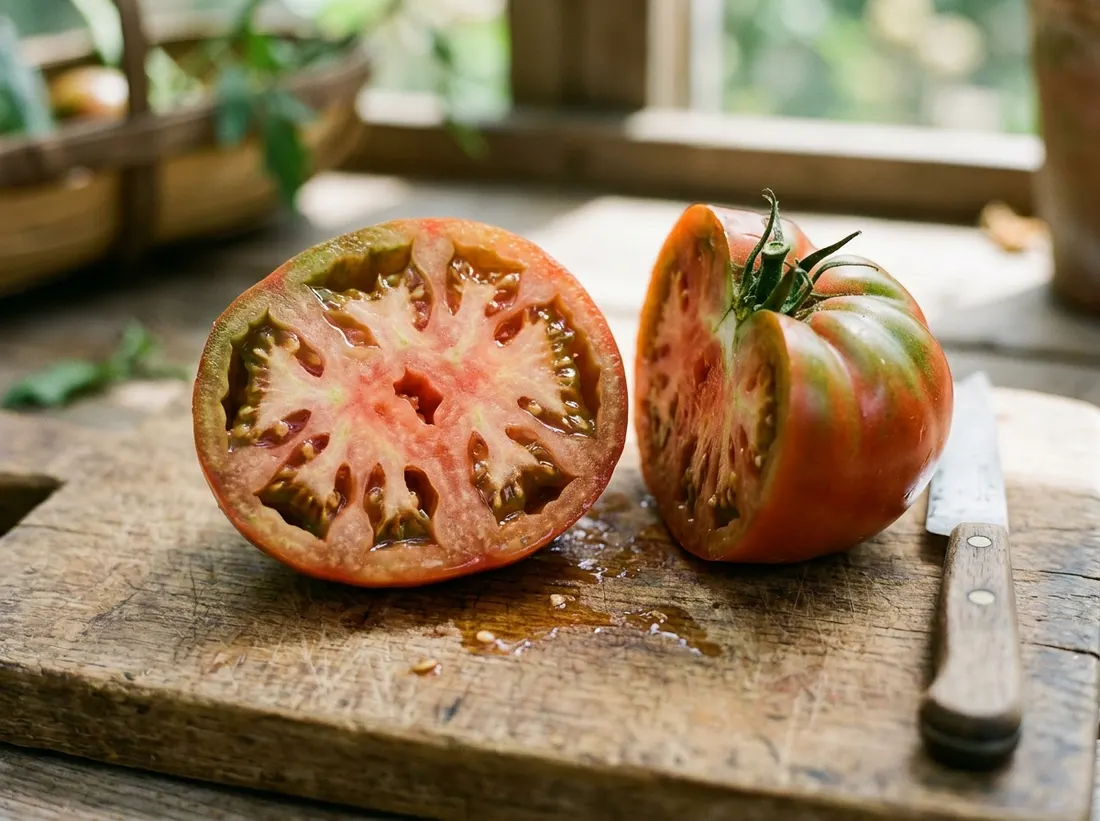
Hollow fruit, with visible air pockets inside when sliced, usually results from poor pollination, often due to temperatures that are too hot, generally above 90°F, or too cold for pollen to transfer effectively, combined with certain varieties that are simply more prone to it than others. Gently shaking flower clusters by hand every few days during bloom improves pollination in low-airflow or greenhouse settings and can reduce how often this shows up.
10. Time Fertilizer Differently Through the Season
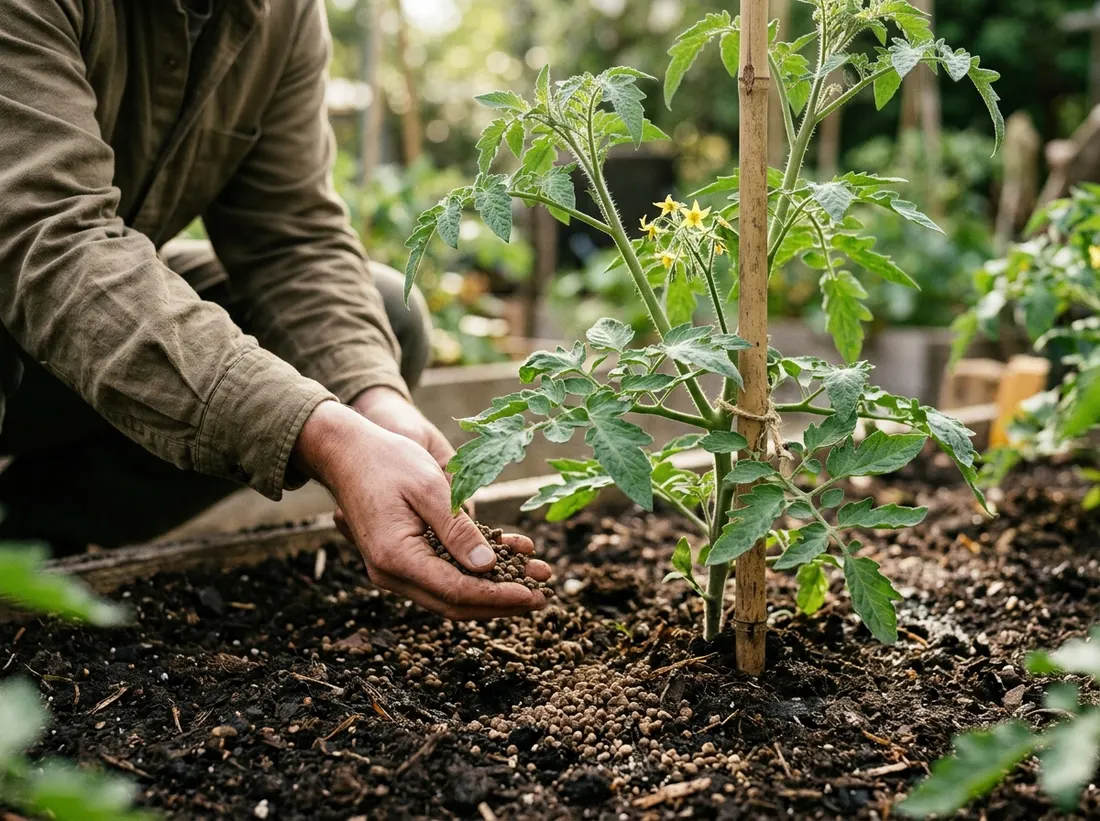
Nitrogen needs drop sharply once flowering begins, since too much nitrogen at that stage pushes leafy growth at the expense of fruit set. Shift from a balanced or nitrogen-leaning feed during early vegetative growth to a lower-nitrogen, higher-phosphorus and potassium formula once the first flowers appear, and continue that through fruiting. This single timing change addresses a common cause of a lush, green plant that produces disappointingly little fruit.
11. Use Reflective Mulch to Boost Available Light
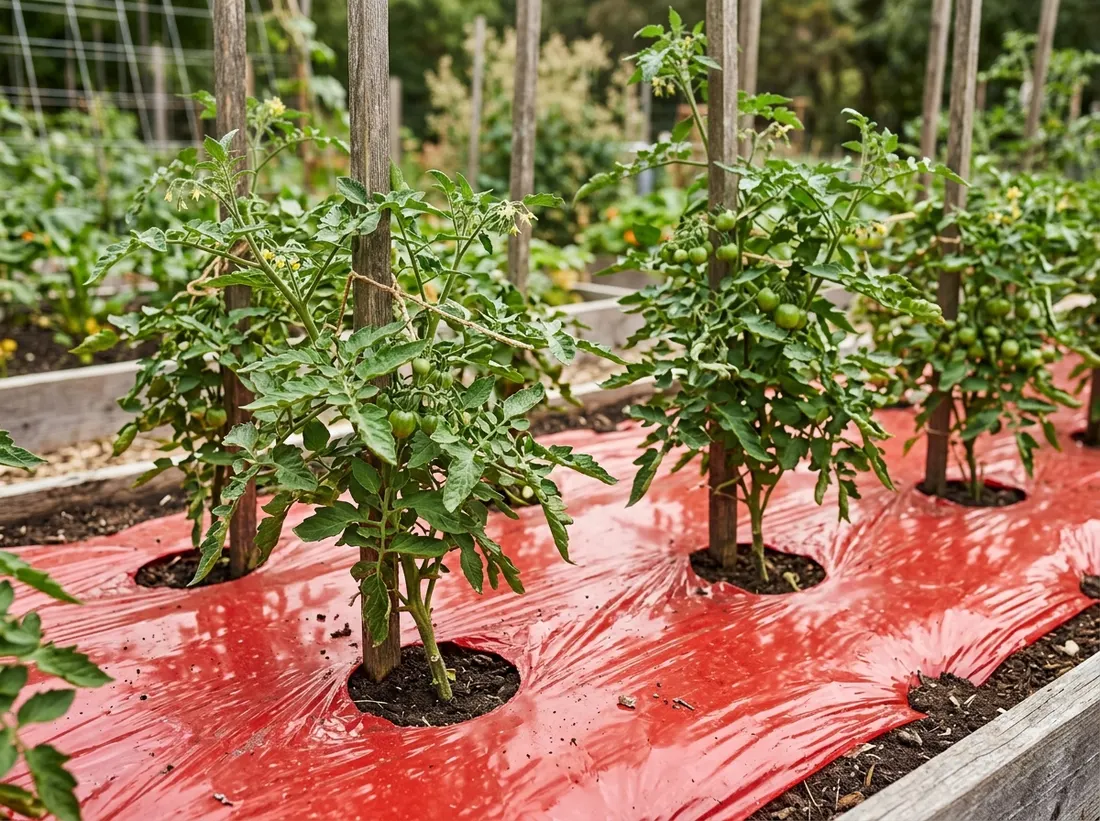
Reflective silver or red plastic mulch laid beneath tomato plants bounces additional light up onto lower leaves and the underside of the canopy, which can improve overall photosynthesis and, with red mulch specifically, has been linked to earlier and heavier fruit set in some growing trials. It also raises soil temperature slightly, which helps in cooler climates but should be used cautiously in already hot regions.
12. Pinch Growing Tips Early for Bushier Determinate Plants
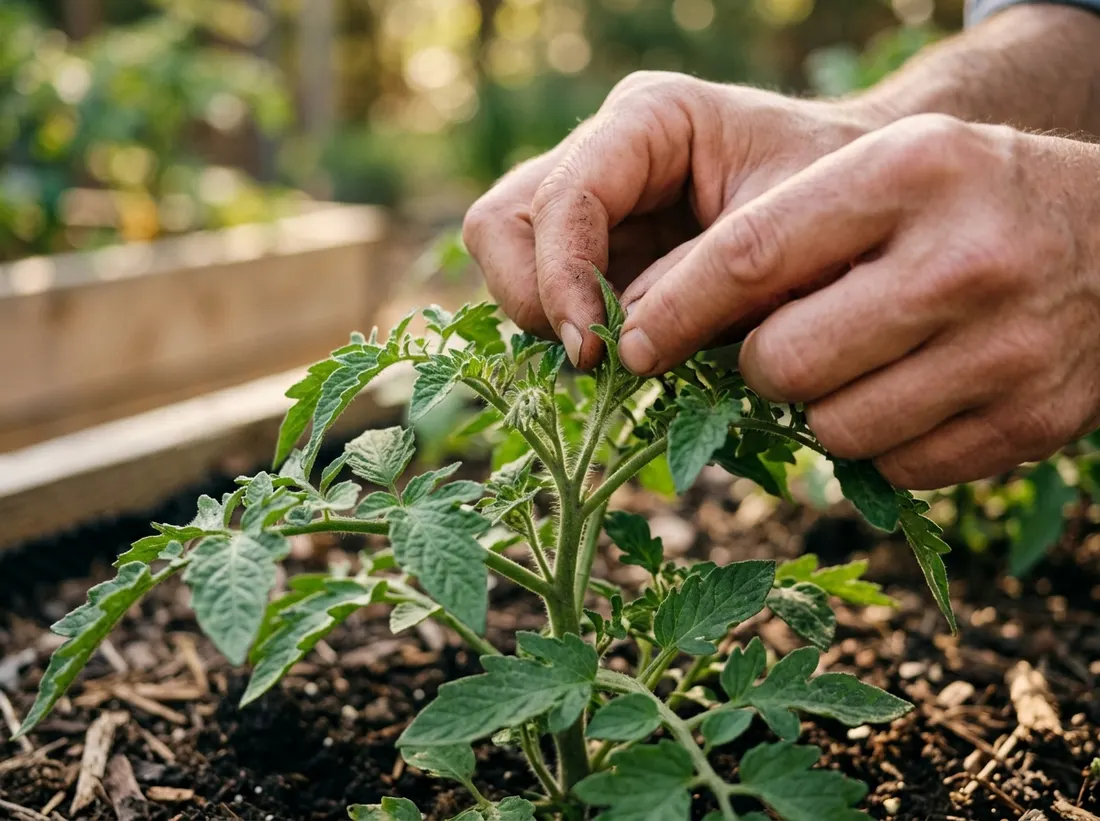
Pinching out the very top growing tip on a young determinate plant, once it has four to five sets of true leaves, encourages it to branch out into a bushier form with more overall fruiting sites instead of putting all its early energy into upward growth. This technique suits determinate and compact varieties better than indeterminate ones, since indeterminate plants benefit more from height and vertical training than from early bushing out.
13. Compare Trellising Methods for Different Growing Styles
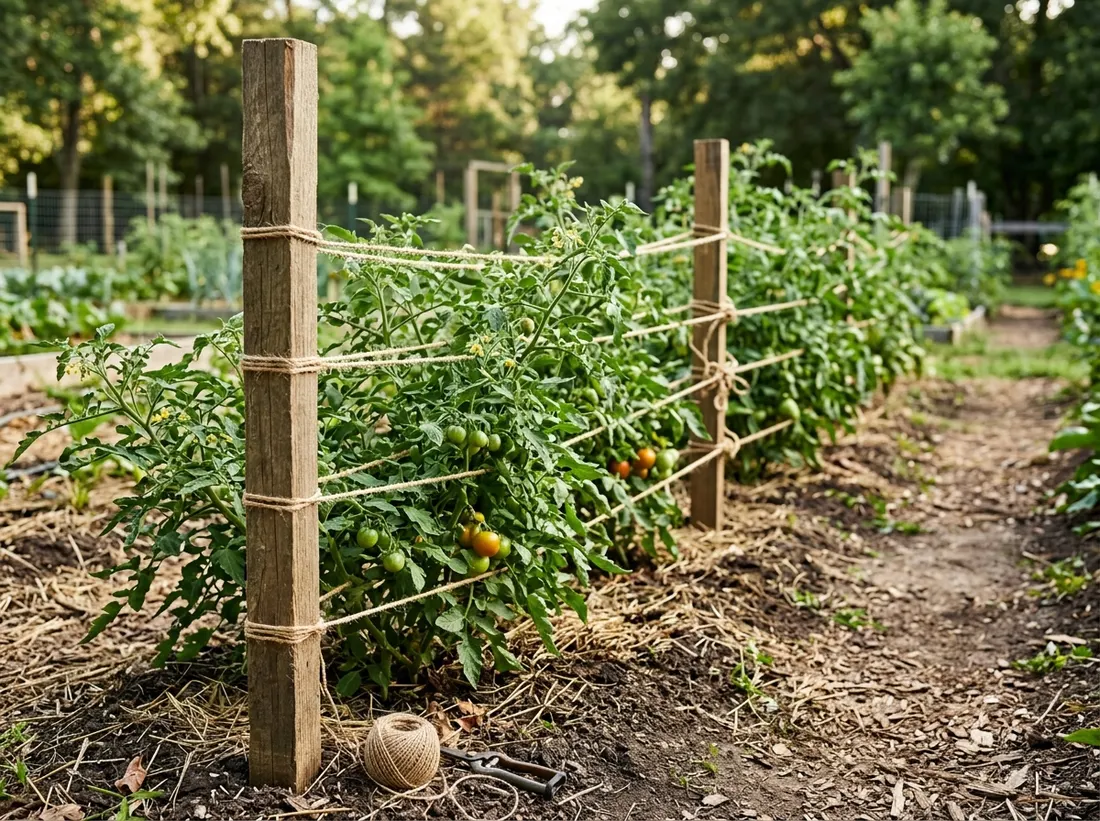
A Florida weave, running twine between stakes on either side of a row, suits growers with several plants in a line and needs less material per plant than individual cages. A cattle panel arch handles vining growth for a season with almost no adjustment needed. Individual cages work best for compact or determinate varieties that don’t need much vertical support. Match the method to how many plants you’re growing and how much vertical height your varieties actually reach.
14. Prune Indeterminate and Determinate Varieties Differently
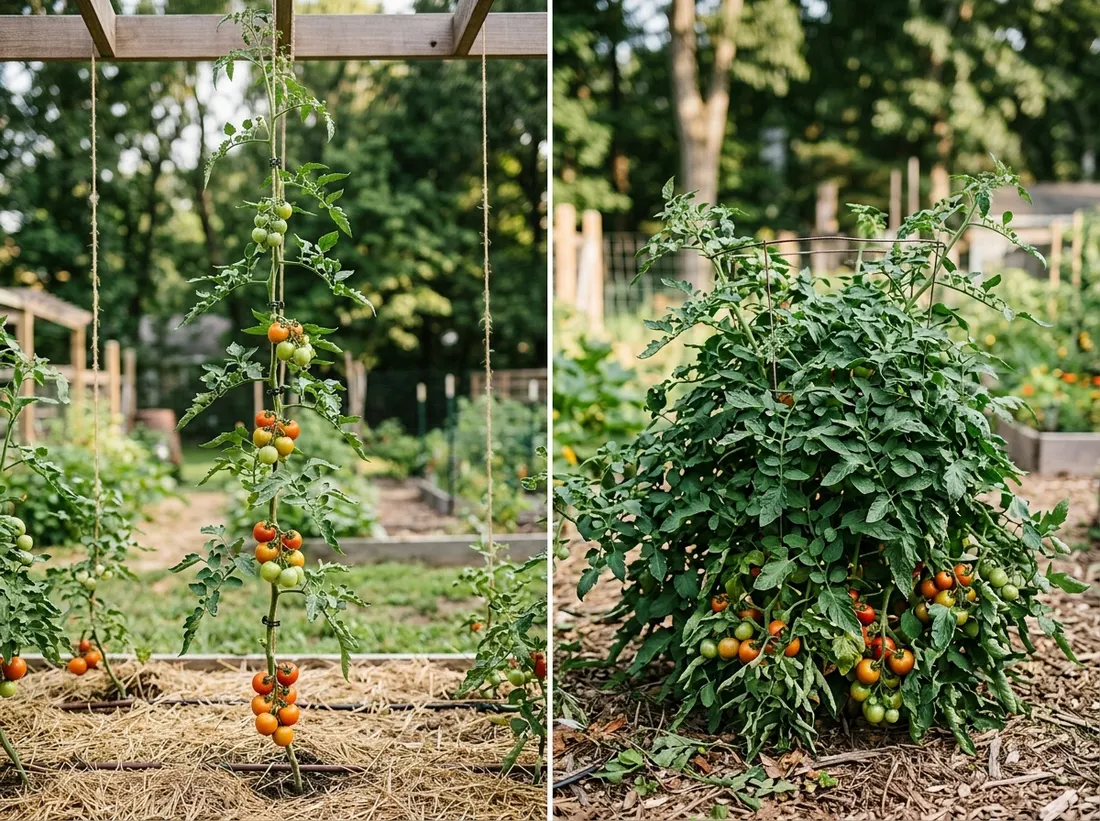
Indeterminate varieties keep growing and producing until frost, so regular sucker removal through the season keeps them manageable and channels energy into fruit rather than endless vine growth. Determinate varieties set a fixed number of fruit clusters and stop growing on their own, so heavy pruning actually reduces total yield by removing potential fruiting branches. Confirm which type you’re growing before deciding how aggressively to prune.
15. Manage Cross-Pollination if You’re Saving Seed
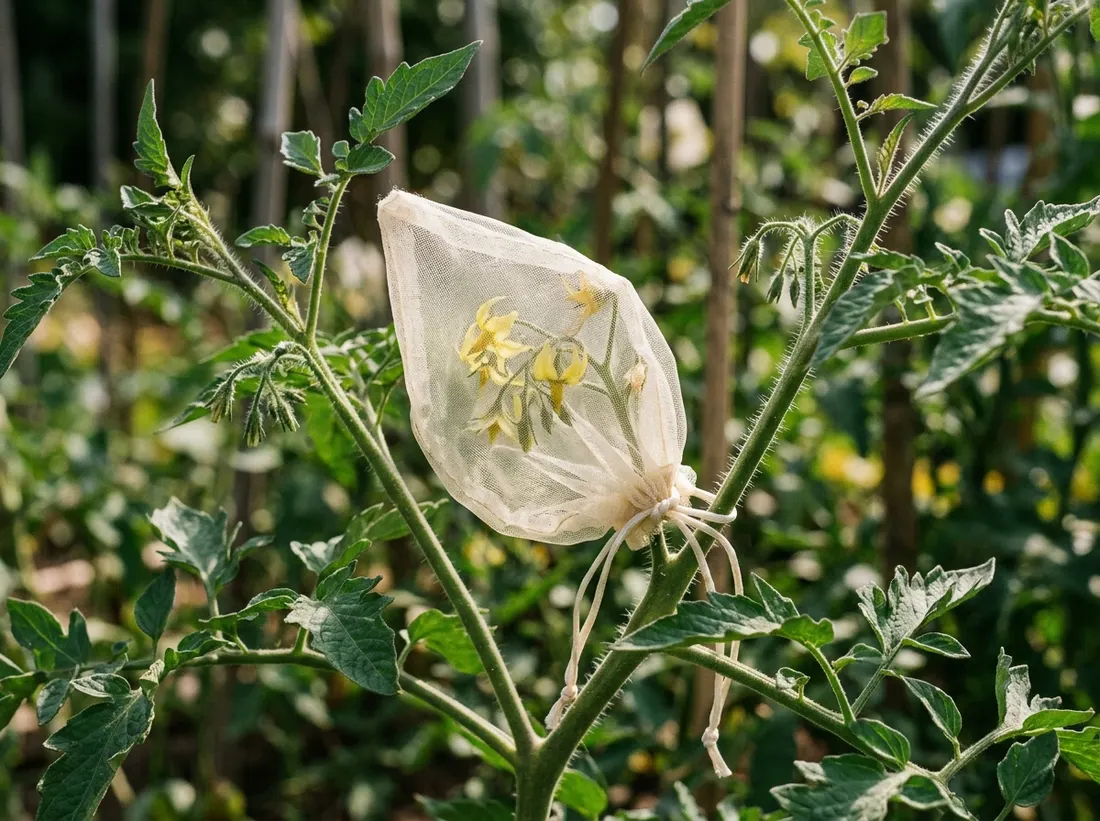
Tomatoes are mostly self-pollinating, but some varieties, especially potato-leaf and certain heirloom types, cross-pollinate more readily than standard varieties when grown near each other. If you’re saving seed for a variety you want to stay true, separate different varieties by at least 10 feet or bag flower clusters with a fine mesh bag before they open to prevent unwanted cross-pollination from insects.
16. Use Shade Cloth During Extreme Heat Waves
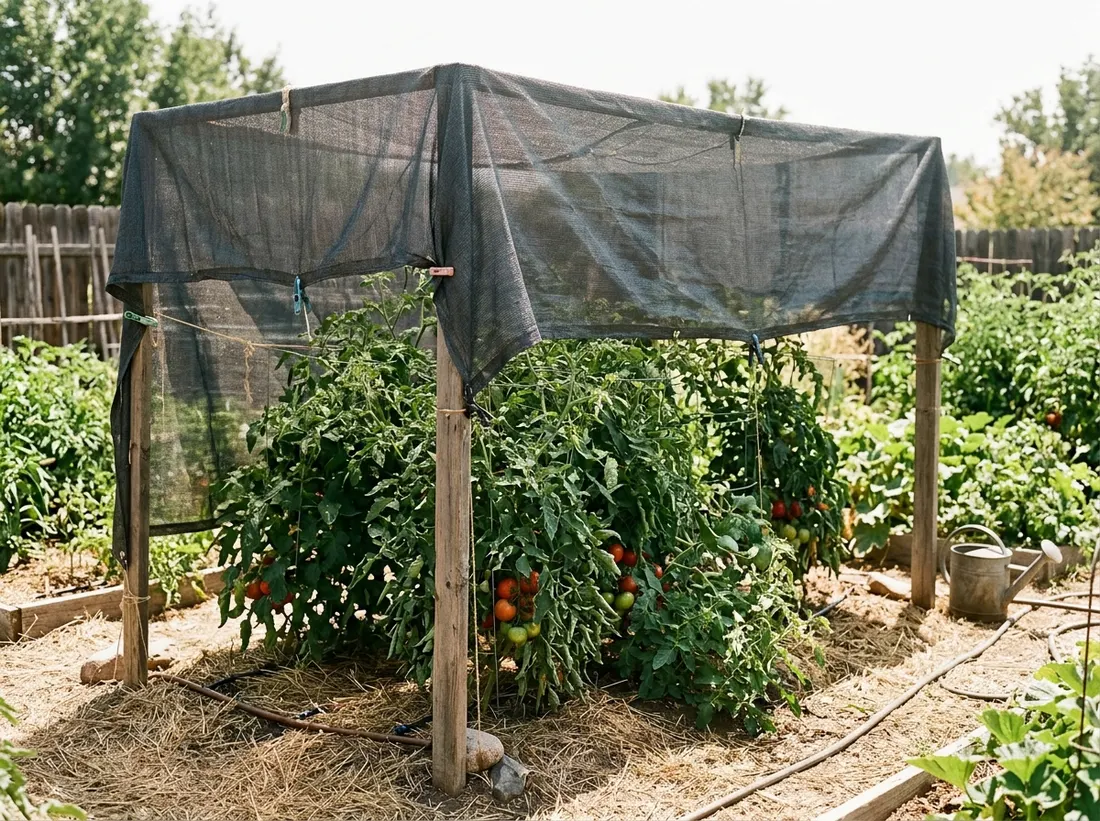
Temperatures consistently above 95°F can cause blossom drop and halt fruit set entirely, even on an otherwise healthy plant. A 30 to 40 percent shade cloth, draped over a simple frame during the hottest stretch of summer, cuts enough direct sun to reduce heat stress without blocking so much light that fruiting stops for a different reason. Remove it once temperatures settle back into the plant’s normal fruiting range.
Conclusion
These sixteen tips are the layer of tomato growing that separates a decent harvest from one that genuinely performs well season after season, the pruning method you choose, when you actually feed the plant, and how quickly you catch a problem like sunscald or hollow fruit before it spreads. None of them require replacing what you’re already doing right, they’re refinements on top of solid fundamentals. Pick two or three that address whatever’s actually held your tomatoes back in past seasons, whether that’s disappointing fruit set in summer heat or a short growing season that cuts your harvest off too early, and build from there next year.
Frequently Asked Questions
Does Epsom salt actually help tomato plants grow better?
Epsom salt only helps if your soil is genuinely deficient in magnesium, which a soil test can confirm. It doesn’t prevent or fix blossom end rot, which is caused by inconsistent watering and calcium uptake issues, not a magnesium shortage, despite that claim being widely repeated. Applying it without a confirmed deficiency wastes time and, in some cases, can push soil chemistry further out of balance.
What is Missouri pruning and how is it different from regular pruning?
Missouri pruning leaves the first two leaves of a sucker in place and pinches only the growing tip beyond them, rather than removing the entire sucker. This preserves more leaf area to shade fruit and stems, which helps reduce sunscald risk in hot climates compared to full sucker removal. It works best on indeterminate varieties during the hottest stretch of summer, when extra foliage cover matters most.
Can I save seeds from any tomato I grow?
Only from open-pollinated or heirloom varieties, since hybrid varieties labeled F1 won’t grow true from saved seed and revert toward one of their parent plants instead. Ferment saved seeds in water for two to three days to remove the gel coating, then rinse and dry them before storage. Store dried seeds in a labeled paper envelope in a cool, dark spot, and most stay viable for four to five years.
What causes hollow tomatoes and how do I prevent it?
Hollow tomatoes usually result from poor pollination, often triggered by temperatures above 90°F or unusually cold conditions during flowering, along with some varieties being more prone to it than others. Gently shaking flower clusters every few days during bloom can improve pollination and reduce how often it happens. This matters most in greenhouses or low-airflow spots, where natural pollinators and breezes don’t reach the flowers as easily as they do outdoors.
How do I extend my tomato growing season in a short-summer climate?
Use a wall-o-water around transplants to set plants out two to three weeks earlier than the standard frost date, and switch to row covers or cloches in fall to protect plants as nighttime temperatures drop. Together, these can add several extra weeks of harvest time on both ends of the season. Choosing a fast-maturing variety alongside these season-stretching tools gives you an even bigger cushion in regions with a short summer.